







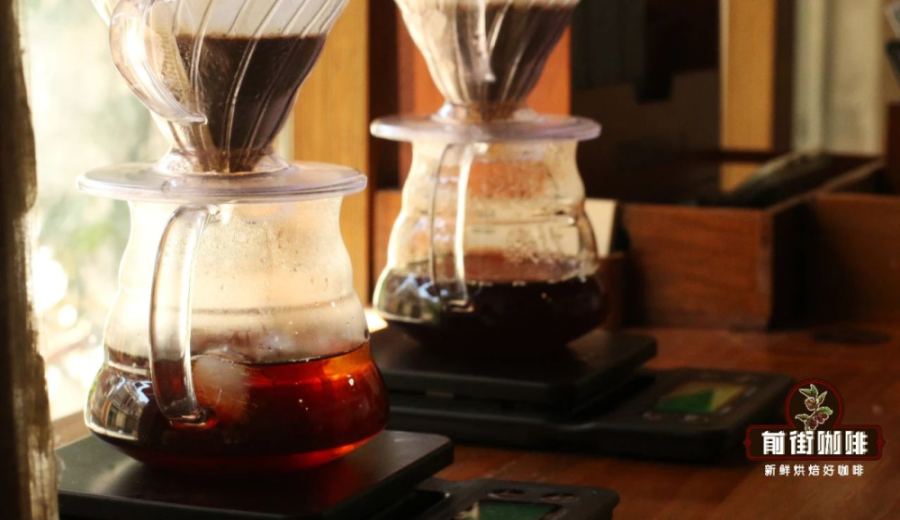
Introduction:Want to brew a great cup of pour over coffee at home but don't know where to start? This article delves into the origins and principles of pour over brewing, helping you understand the essential setup, how to choose coffee beans, how to judge coffee-to-water ratio and grind size, and provides a detailed walkthrough of the three-pour technique. Additionally, it compiles common flavor profiles and recommended beans from three major regions—Africa, Central and South America, and Asia—offering practical guidance whether you're a beginner or an advanced home brewer.
Pour over is often the first choice for many coffee enthusiasts getting started and also a key technique practiced regularly by professional baristas. This manual water-pouring method not only showcases the layered flavors of coffee itself but can also be fine-tuned to individual taste preferences, making it a highly flexible and approachable brewing method.
Before starting pour over, it’s recommended to grasp a few key elements, including equipment preparation, grind size selection, water temperature control, and pouring technique. Mastering these fundamentals lays the foundation for brewing a balanced cup of coffee.
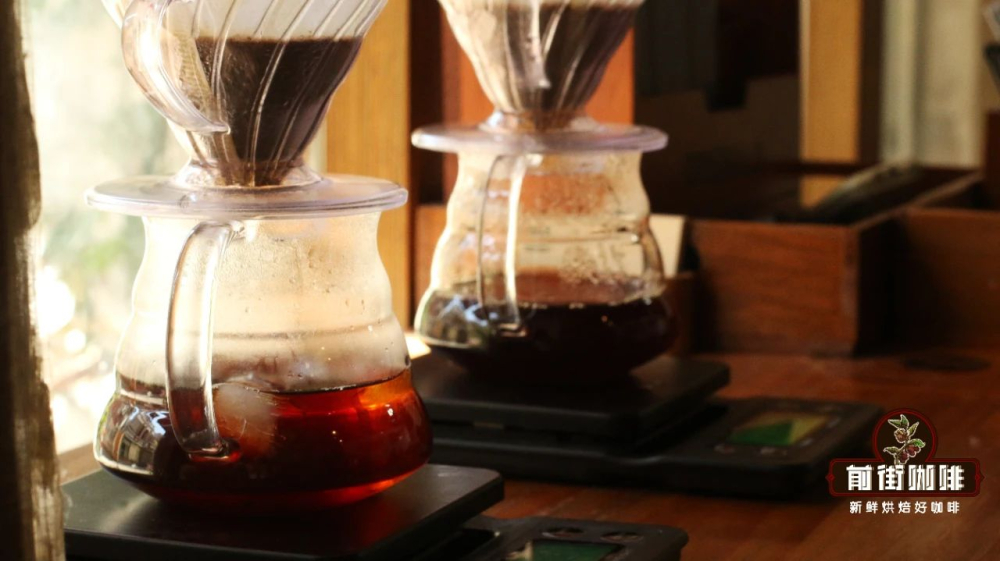
First of all, pour over is actually a type of drip filtration extraction. It was first invented in 1908 by the German Melitta Bentz, who also founded the Melitta company to promote this brewing method. Simply put, it involves evenly pouring hot water over coffee grounds so that the water penetrates the coffee bed, extracting soluble flavor compounds, which are then filtered through paper into a container below, yielding a clean cup of black coffee.
For beginners, there's no need to dive into details such as fine-tuning water temperature or controlling water flow right away. Just mastering the basic process and parameters will allow you to brew a smooth pour over coffee at home.
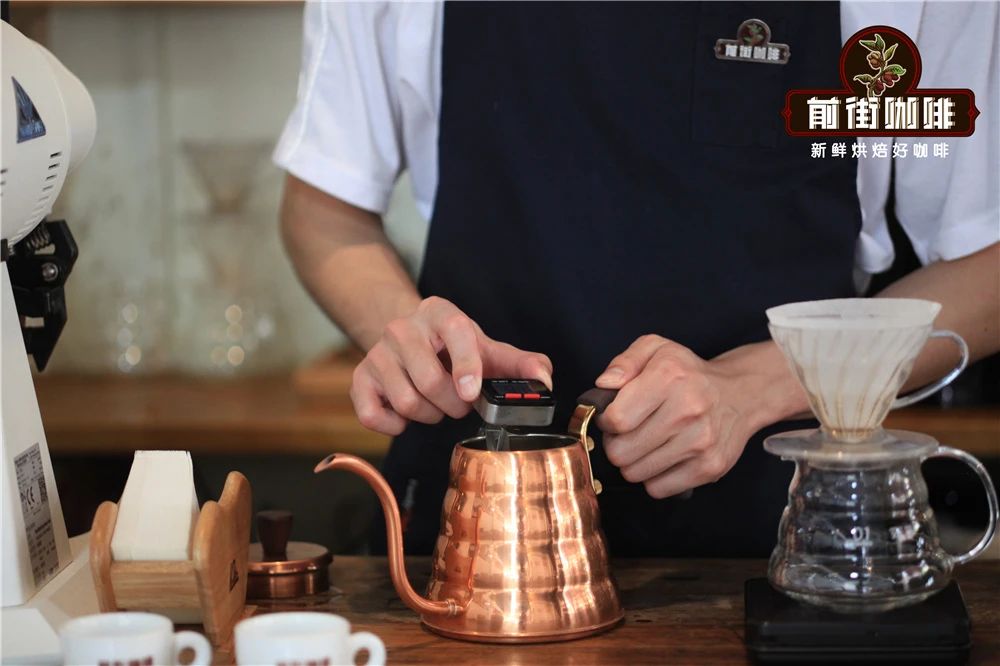
Here are the basic tools needed for pour over: a digital scale (preferably with a timer), a standard 0.85mm filter, a thermometer, a grinder, a pour over kettle, a filter cone, and filter paper. These are indispensable helpers in the pour over process and can help you control variables more accurately.
As for water temperature, the recommended range is between 85°C and 95°C. If you’re trying it for the first time, simply using around 90°C is advisable. If the coffee tastes too bitter, try lowering the water temperature; if it feels overly sharp or the acidity is too prominent, you can moderately increase the water temperature. This fine-tuning process helps you find your optimal brewing conditions.
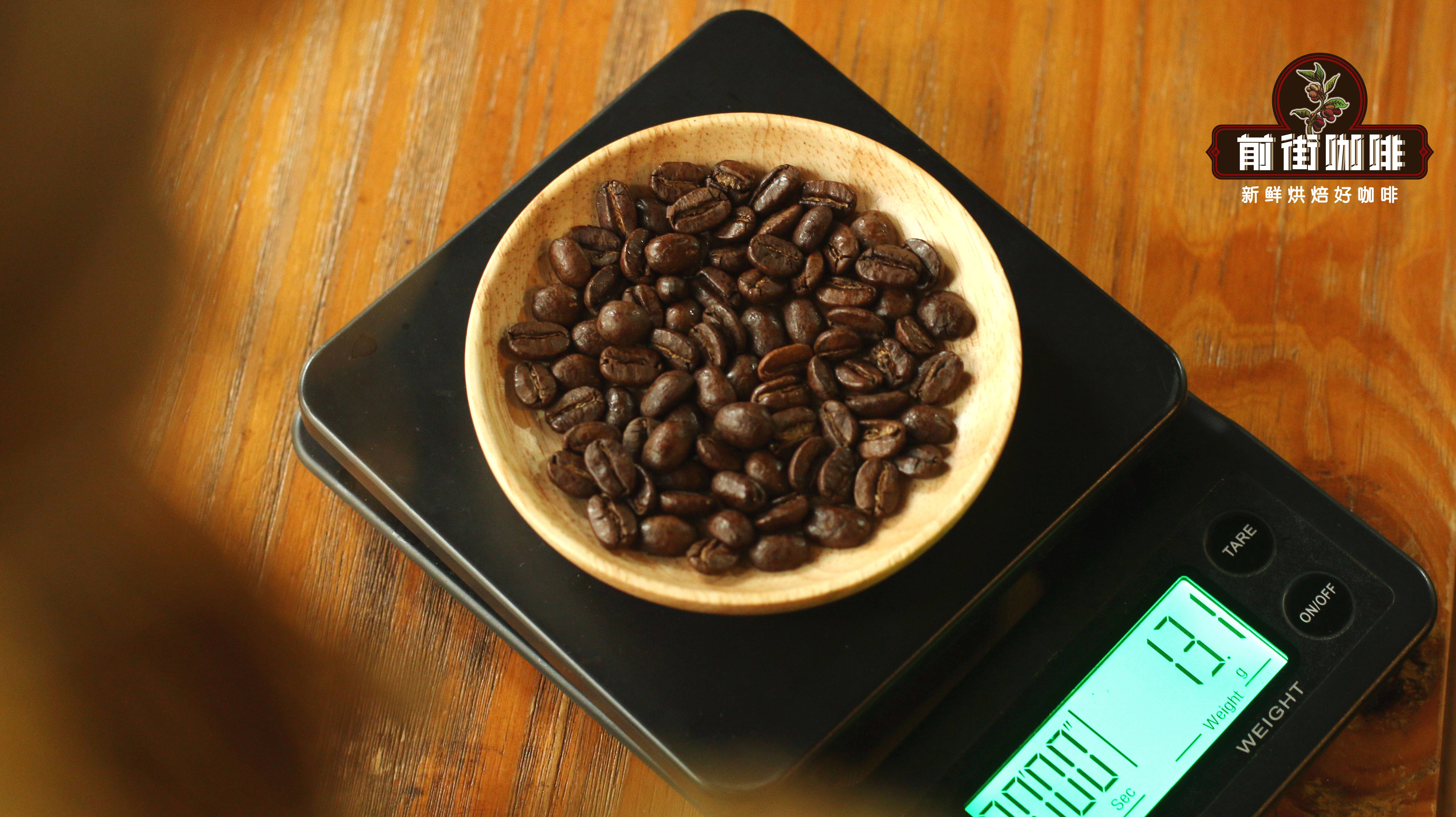
The amount of coffee beans used depends on the number of drinkers. Generally, for a single serving, 15 grams of coffee beans is recommended, using a 1:15 coffee-to-water ratio (i.e., 15 grams of coffee grounds with 225 grams of hot water). If you feel the flavor is too light, you can reduce the ratio to 1:14; if it’s too strong or bitter, consider increasing the ratio to 1:16. This ratio is based on experience and can be adjusted according to personal taste.
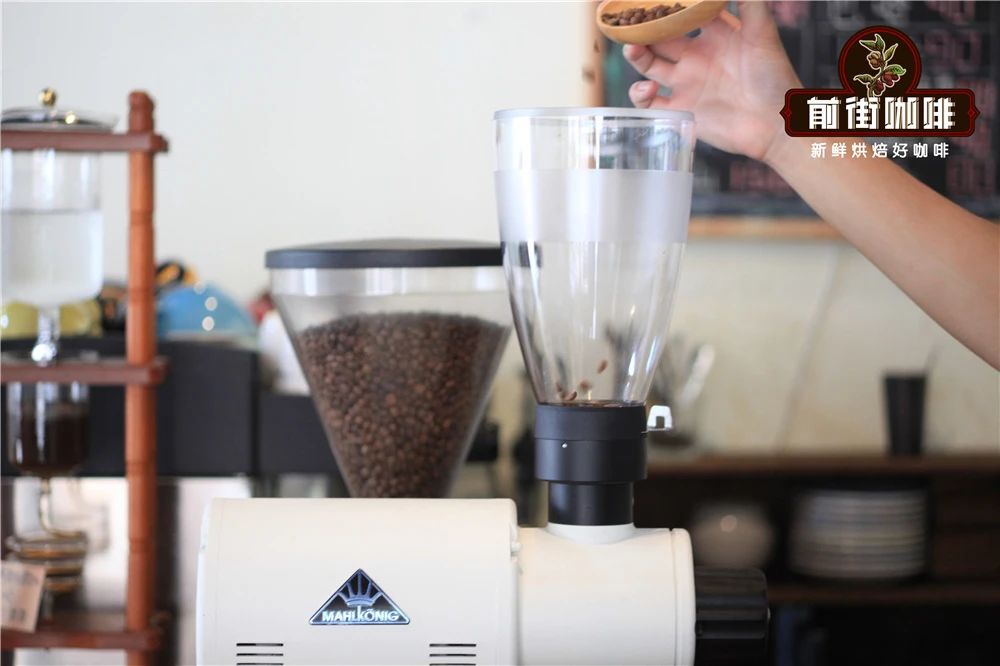
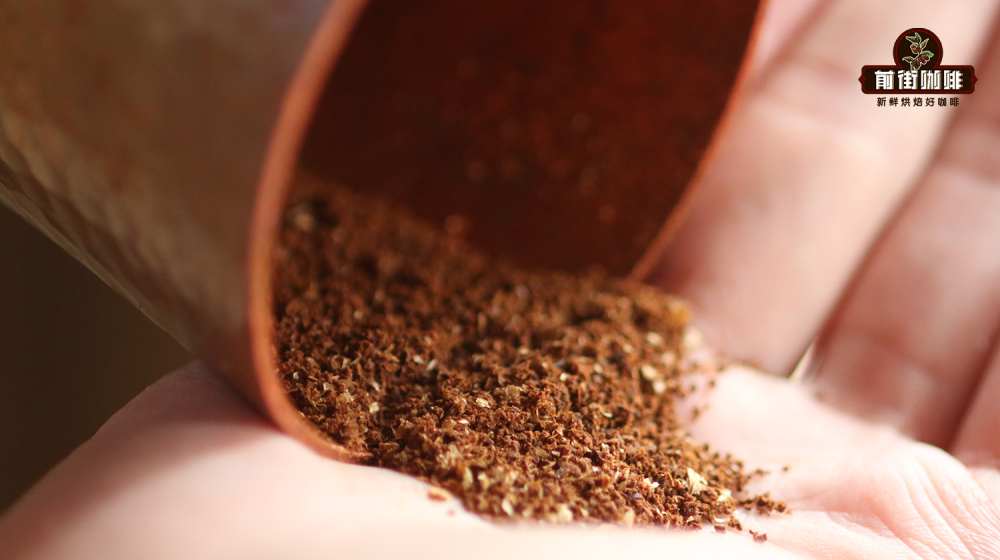
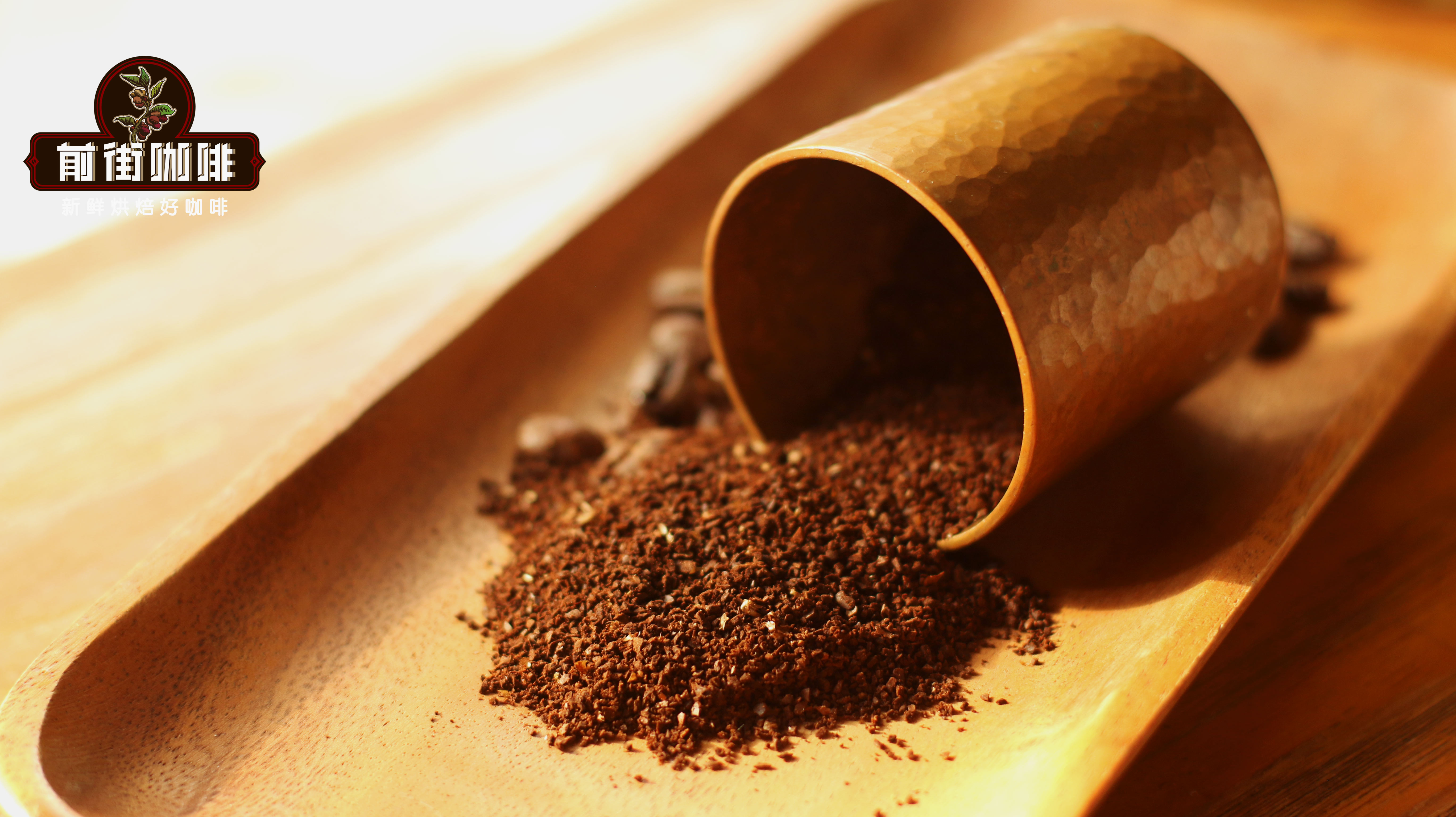
In terms of grind size, pour over generally uses a medium-coarse grind, similar to the coarseness of white sugar. However, the actual feel may still need to be adjusted based on your specific grinder. Avoid going too fine, which can lead to over-extraction and produce bitterness or astringency; also avoid going too coarse, resulting in under-extraction and a flat-tasting cup. If unsure, you can observe the bloom expansion and dripping speed as indicators.
Common grind coarseness comparisons include: fine sugar (suitable for light to medium roasts with prominent floral and fruity notes), coarse sugar (suitable for medium-dark to dark roasts, such as those with chocolate and caramel notes), and sea salt-like (generally not recommended for drip filtration, better suited for methods like French press).
During the pour over process, the three-pour technique is the most common and easy-to-master method, with the entire process typically taking about 2 minutes. The so-called three pours refer to the bloom, second pour, and third pour, effectively bringing out the front, middle, and back notes of the coffee, making the overall flavor profile more dimensional.
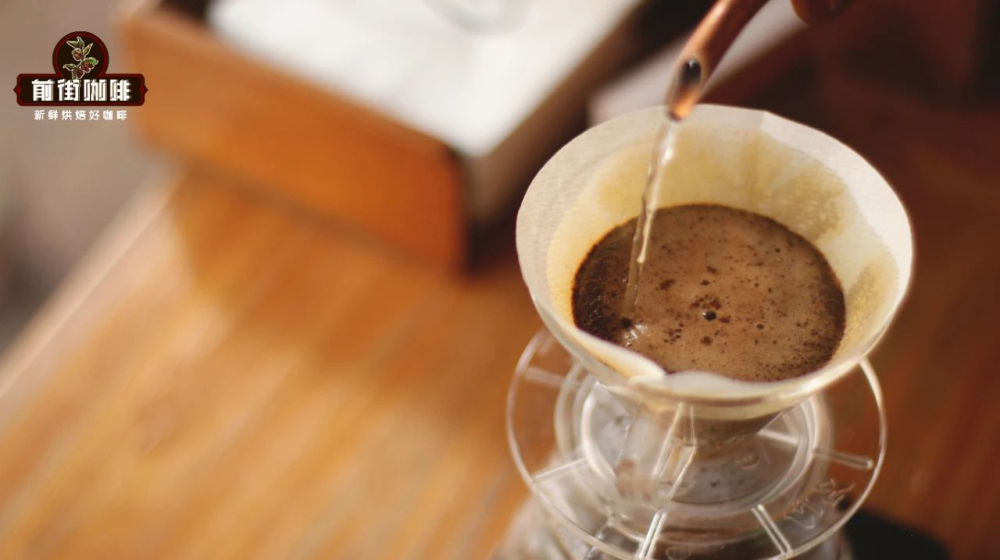
First is the bloom stage. It’s recommended to pour a small amount of hot water (about twice the weight of the coffee grounds, e.g., 30 grams of water for 15 grams of beans) and let it sit for about 30 seconds. This allows the coffee grounds to release CO₂ in preparation for subsequent extraction. During the bloom, the coffee grounds will slightly expand, forming a small mound. Once it settles a bit, you can proceed to the main pouring stage.
The second pour: it’s recommended to pour in a steady stream from the center outward in a circular motion, with the water volume controlled at around 95 grams, totaling approximately 125 grams by this point, within about 55 seconds. The purpose of this pour is to evenly saturate the coffee bed and improve overall extraction efficiency.
The final third pour: it’s suggested to begin when the water level drops to about half of the coffee bed, using a smaller stream and tighter circular motion to add the last 100 grams of water, bringing the total extraction to 225 grams. At this stage, be careful to avoid too fast or too large a water flow to prevent channeling, which can affect even flavor extraction. The whole process takes about 2 minutes. Finally, let the coffee drip through naturally before enjoying.
It’s important to note that the three-pour water volumes and timing are just guidelines. In practice, adjustments should be made based on bean characteristics, grind size, and personal taste preferences. Every attempt is a step closer to your ideal cup.
When it comes to choosing coffee beans, regional flavor profiles are a key reference. African coffees are often known for their bright acidity and fruity-floral notes. For example, Ethiopia’s Yirgacheffe, characterized by citrus, lemon, and jasmine aromas, is a popular starting point for many pour over beginners; the Sidamo region’s Guji Hambela also gains favor for its rich layers and unique fragrance. Kenyan beans often exhibit strong berry acidity along with a distinctive tomato-like freshness, suiting those who enjoy unique acidic notes.
If you prefer a richer body and lower acidity, consider Central and South American regions such as Colombia and Brazil. Colombian Huila beans often have nutty, dark chocolate, and gentle fruit acidity with balanced flavors; Brazilian beans feature creaminess, peanuts, and subtle caramel, offering a smooth mouthfeel suitable for those who enjoy low-acid styles. Both countries are major global coffee exporters with stable quality, making them good choices for beginners.
Asian regions such as Indonesia’s Mandheling are known for low acidity, full body, and spicy notes. Although some dark roast versions have intense flavors, beginners should pay special attention to water temperature and pouring speed when brewing. It’s recommended to use around 88°C water and keep the brew time within two minutes to avoid over-extraction and bitterness.
Additionally, if you want to explore more distinctive flavors, you can try beans with special processing methods, such as Honduras’ sherry cask or Laila, Costa Rica’s honey-processed Musicians Series, or even Panama’s Geisha. These beans often showcase more complex and captivating aromas and layers during pour over.
In summary, the charm of pour over coffee lies in its flexibility and accessibility. By mastering the basics—equipment, grind size, water temperature, and pouring techniques—and understanding regional flavor profiles, you can gradually brew delicious coffee tailored to your preferences. Start with a basic recipe, and progressively experiment with beans from different regions and processing methods to find your perfect cup.
The above content is compiled by CoffeeHunters, a coffee news website.


