







Introduction:Geisha and Bolivian Java are two coffee varieties with distinct personalities, often regarded as closely related. This article delves into their similarities and differences—from variety history, green bean appearance, roasting profiles, cupping notes to practical pour-over recommendations—to help coffee enthusiasts better understand their characteristics and choose specialty coffee beans that suit their taste.
Geisha coffee is renowned for its elegant floral aroma and rich fruity flavors, quickly rising to prominence in the specialty coffee scene. Meanwhile, the Bolivian Java variety, with its slender bean shape and layered complexity, has also gradually garnered market attention. Many consumers wonder if these two beans truly share a familial connection. This article takes Geisha from Panama’s Janson Estate and Bolivian Java beans as subjects of study, conducting a comprehensive analysis from variety origins, green bean features, roasting strategies, cupping flavors to actual pour-over performance.
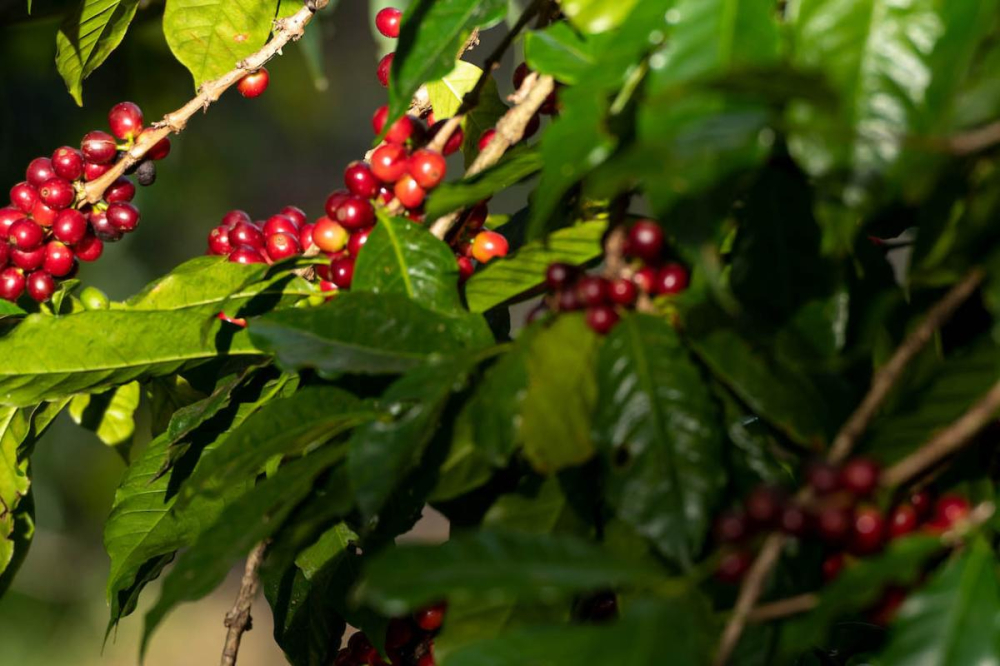
The Geisha variety was first discovered in 1931 in the Gesha forest of Ethiopia. It later traveled through Kenya, Uganda, Tanzania, and Costa Rica, eventually arriving in Panama around the 1960s. Initially overlooked, it gained fame after being planted at Panama’s Esmeralda Estate, where it shone in national competitions. Its slender bean shape and bright, refreshing aroma set it apart from typical Central and South American varieties. Geisha boasts high sweetness, crisp acidity, and multi-layered flavors ranging from citrus and berries to tropical fruits, often finishing with a bergamot-like clean aftertaste—making it a dream coffee for many enthusiasts.
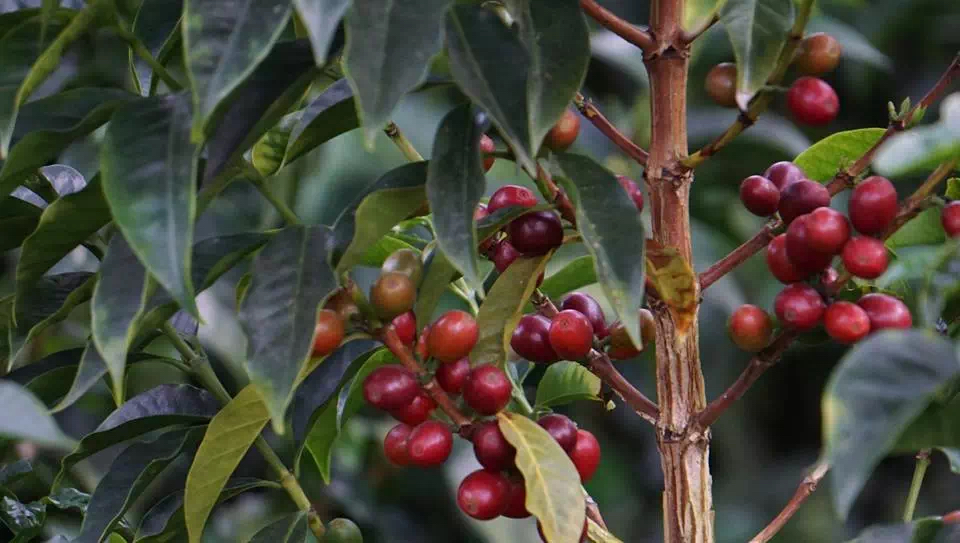
As for Bolivian Java, it is actually a descendant of the Ethiopian landrace Abysinia, not from Indonesia. This variety originally circulated in Africa and the Middle East before being introduced to Costa Rica by breeding experts and gradually spreading to Panama and Bolivia. Due to its slender bean shape, yellowish-green buds, tall plant stature, and low yield, it is commonly referred to as the “long bean.” Java also delivers uniquely distinctive flavor profiles—not only sharing layered complexity similar to Geisha but also exhibiting stronger disease resistance, making it particularly suitable for small-scale farmers. Especially in Bolivia’s high-altitude environment, it can produce cups that balance sweetness with complexity.
Comparing just the green bean appearance, Bolivian Java beans are even more slender with pointed ends, fitting its name “long bean.” In contrast, Janson Estate Geisha beans are slightly rounder and marginally shorter, yet still retain the typical slender genetic traits. A visual observation can offer an initial sense of their genetic similarities, along with their unique detailed differences.
In terms of roasting strategy, Janson Geisha beans, due to their large size and high density, require a higher initial drum temperature (around 200°C) at the start of roasting, with careful control of the Maillard reaction rate. Specifically, it is recommended to adjust the heat after a 30-second preheat, stabilize the drying phase, then enter first crack around 9 minutes and 47 seconds, followed by a development phase of about 2 minutes and 40 seconds, finally dropping the beans at 197.1°C to fully express its floral, fruity, and sweet potential.
As for Bolivian Java, to enhance the sweetness and cocoa aroma brought by its natural (sun-dried) processing, it is recommended to adopt an extended development time during roasting. Taking 500g of green beans as an example, the initial drum temperature is around 170°C, with the heat set to 120 initially. After the beans turn yellowish on the surface, gradually adjust the air vent and heat, entering first crack around 10 minutes and 18 seconds, with a development time of about 1 minute, and finally dropping the beans at 190°C. This roasting method allows Java’s richness and aroma to become more concentrated, suitable for those who prefer distinctly sweet and layered cups.
In cupping performance, Janson Geisha exhibits intense fermented aromas of ripe fruits, including maple syrup, lemon, citrus, apple, rose, dark chocolate, and various berries, with bright and well-defined acidity. On the other hand, Bolivian Java highlights a sweet profile led by hazelnut, cream, and almond tones, paired with citrus and tropical fruit acidity, along with a hint of fermented wine-like notes. The overall flavor is rounder and more varied.
For actual pour-over recommendations, it is advised to use a HARIO V60 filter, with water temperature controlled at 90°C, a coffee-to-water ratio of 1:15, and grind size approximately that of fine sugar. Use a staged extraction method: start with a 30-second bloom using 30g of water, then pour in a small circular motion until reaching 125g for the first pour. When the water level drops and is about to expose the coffee bed, continue pouring up to 225g before ending the pour, with a total extraction time of about 2 minutes.
Using these parameters, Janson Geisha presents a primary profile of tropical fruits and berry acidity with sweetness, complemented by a distinct maple syrup sweetness, and an aftertaste featuring cocoa, grape, and rose tea aromas. The overall flavor is clear and clean. Meanwhile, Bolivian Java leads with citrus, lime, and hawthorn acidity and sweetness, followed by fruit-chocolate and vanilla cream notes in the finish. As the temperature cools, sweet orange acidity and jasmine and rose floral notes gradually emerge, with a long-lasting cane sugar sweetness and richer layering.
In summary, Geisha excels in flavor purity and aromatic clarity, making it ideal for those seeking bright acidity and floral-fruity profiles. In contrast, Bolivian Java offers more diverse layers and sweetness, suiting those who enjoy a fuller-bodied and varied coffee experience. Understanding the characteristics of these two beans will help you choose the most suitable pour-over coffee based on your personal taste preferences.
The above content is compiled by CoffeeHunters, a coffee news website.


