







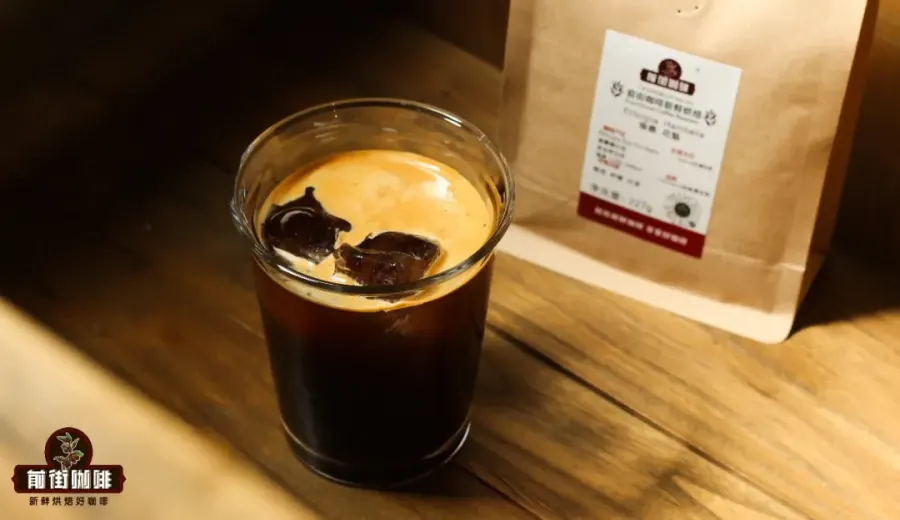
Introduction:Modern coffee enthusiasts are increasingly drawn to bright, refreshing Americanos with floral, fruity, or tea-like notes, rather than the straightforward bitterness of the past. To recreate this flavor profile at home, the key lies in selecting the right roast level and bean variety. This article will explore how medium-light roasts bring out layered flavors, and recommend three distinctive single-origin beans: the delicate floral-tea notes of washed Guodiding, the sweet berry aroma of sun-dried Huakui, and the rich tropical fruit essence of Colombian Sidamo. These picks will help you find your ideal coffee style.
Nowadays, when you walk into many cafés and order an Americano, what greets you may not be an intense, burnt bitterness but instead a light floral scent, vibrant citrus, enticing berries, or even a soft, tea-like aftertaste. These uniquely flavored Americanos are winning over more and more consumers. If you too want to recreate this refreshing, layered taste at home, choosing the right coffee beans is essential.
A common misconception is that all Americanos should be made with dark-roasted beans. While dark roasts can deliver bold, bitter richness, they often mask the delicate fruit and floral nuances. In fact,the longer the roasting time, the more pronounced the caramelization reaction becomes, and the stronger the bitterness gets.In contrast, medium-light roasts preserve more of the beans’ natural acidity and aromatic compounds, making it easier to coax out refined flavors reminiscent of flowers, fruit, and tea during brewing.
If you prefer an Americano as elegant and soothing as jasmine green tea, you might want to start with the washed Guodiding from a certain washed-process brand. This bean, sourced from Ethiopia’s Yirgacheffe region and processed using washed methods with a medium-light roast, is a top choice for many pour over enthusiasts. It brews up with gentle notes of jasmine, citrus, green tea, and honey, featuring a clean and bright acidity with almost no bitterness. The overall balance is excellent, making it perfect for those who enjoy a refreshing cup.
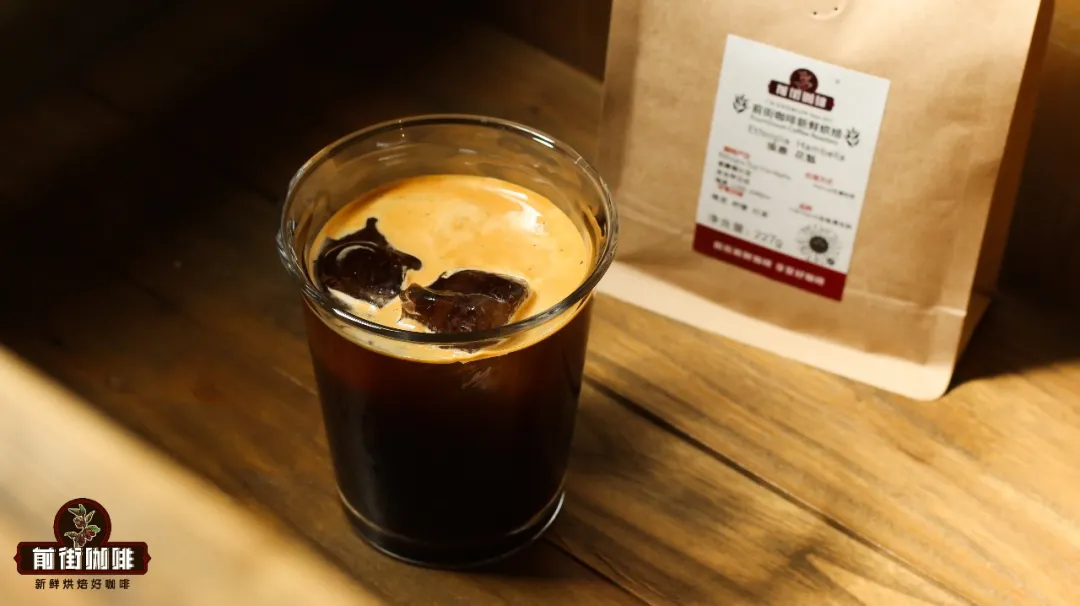
If your ideal coffee carries a hint of sweetness and fruitiness, the sun-dried Huakui SOE from a certain brand is a standout option. The most distinctive feature of this bean is its pronounced creamy strawberry aroma, which completely breaks away from the usual profile of dark-roasted beans. When used to make an Americano, it not only delivers a sweet and juicy first sip but also leaves a subtle floral and guava note in the aftertaste, providing a warm and energizing drinking experience.
For coffee lovers who crave intense fruitiness, Colombian Sidamo is definitely worth adding to your bean lineup. Sourced from the Boundary Estate in the Huila region, this bean grows at high altitudes of around 1,700 meters and undergoes a unique double anaerobic natural process. This technique imbues the beans with a wealth of tropical fruit characteristics, resulting in rich aromas of grape, passionfruit, and citrus after brewing. It’s especially recommended to extract as a single-origin espresso for your Americano, and when served over ice, it reveals an exceptionally refreshing, clarity-packed taste reminiscent of freshly squeezed grape juice.
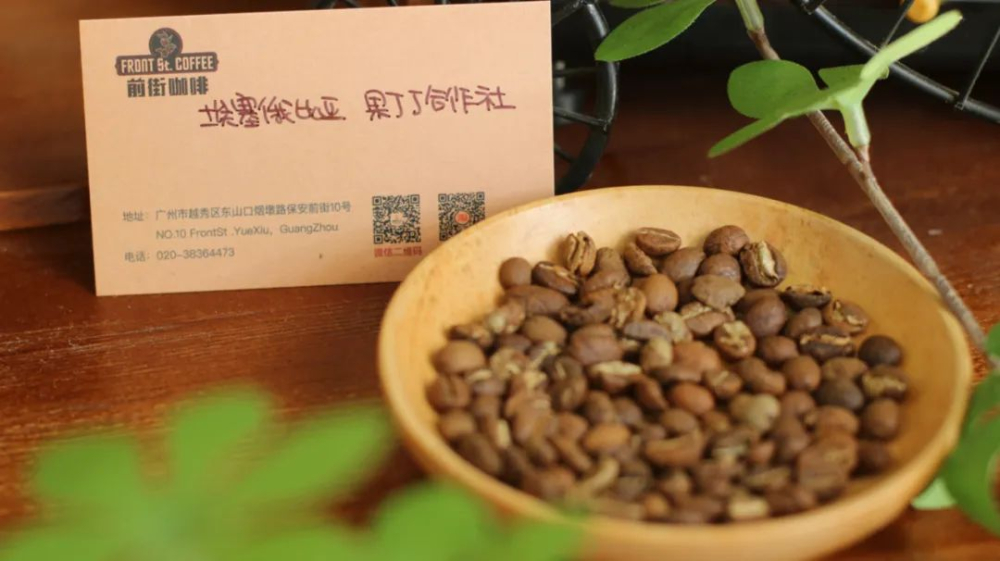
In summary, if you want to brew a refreshing Americano with floral-fruit-tea notes at home, medium-light roasted single-origin beans are the way to go. Whether you’re drawn to the subtlety of green tea, the sweetness of strawberry cream, or the bold juiciness of tropical fruits, you can find your perfect match among the three featured beans based on your personal taste. Remember to pair them with the appropriate grind size and water temperature to unlock their full flavor potential.
The above content is compiled by CoffeeHunters, a coffee news website.


