








Introduction:Civet coffee (Kopi Luwak), famed for its high price and unique origin, is hailed as one of the finest coffees in the world. However, the ethical concerns regarding animal welfare and issues of authenticity also draw significant attention. This article delves into its historical background, bean sources, civet ecology and processing methods, and analyzes the differences between wild and farmed beans. It also introduces other high-quality specialty coffees from Indonesia, such as Golden Mandheling, and provides expert pour over recommendations and flavor descriptions to help you gain a more comprehensive understanding of this highly controversial coffee.
Civet coffee (Kopi Luwak), commonly known as cat poop coffee, is one of the most expensive coffees in the world, with raw bean prices often exceeding $600 per pound on the market, making it a top-tier delicacy in the coffee industry. Originating from Indonesia, this coffee has long been a rare treat enjoyed only by a privileged few due to its scarce production and unique sourcing. Its flavor is distinctive, often featuring intense herbal aromas and excellent body, but it is also highly controversial due to ethical concerns and widespread market fraud. This article will comprehensively dissect this much-talked-about coffee—from its historical context, bean origin, civet behavior, and processing principles, to regional characteristics and recommended beans—and includes practical pour over parameters and flavor guidance.
Looking back at history, the birth of civet coffee is closely tied to the European colonial period. During the Age of Exploration, the Dutch occupied Indonesia and planted coffee on a large scale to supply the European market. Local farmers were not allowed to taste the coffee they grew, but they accidentally discovered that beans excreted by civets after consuming coffee cherries, once cleaned and roasted, had an unexpectedly smooth texture and unique aroma. This discovery began out of curiosity but unexpectedly gave rise to the later-famous "cat poop coffee." However, once the Dutch realized its value, this rare coffee quickly became exclusive to the elite, and ordinary people could no longer enjoy it.
Regarding the raw materials for civet coffee, they can be divided into two main types: wild and farmed. This distinction is key to its flavor and the associated ethical issues. Wild civets forage for ripe coffee fruits themselves, being selective in their choices, so the beans they excrete are usually of higher quality. In contrast, farmed civets are often fed large quantities of unripe or mixed-quality coffee fruits, which not only affects the final flavor but also raises serious animal welfare concerns. Notably, it is nearly impossible to accurately distinguish between wild and farmed beans on the market today—even products labeled as "wild" may come from inhumane farming conditions. A 2013 BBC investigation revealed that many so-called wild civet coffees actually originated from abused caged animals.
Civets mainly inhabit tropical and subtropical forest areas below 2,100 meters in altitude, including environments such as shrublands, forest edges, and rock crevices. They are omnivorous animals and although they also consume plants, their diet primarily consists of small animals, insects, and birds, with coffee fruits being more of a seasonal "snack" for them. Due to the civet’s limited ability to digest plant flesh, they typically only select berries that are highly ripe and rich in sugar, which explains why wild civet coffee often has a superior flavor foundation. The excreted coffee beans, after being acted upon by stomach acid and digestive enzymes and then washed with clean water, become the high-priced "in-body fermented beans" sold on the market.
The principle of this processing method is to use the natural enzymes and lactic acid bacteria in the civet’s digestive tract to partially break down the outer layer of the coffee bean’s pulp and proteins, thereby altering its flavor profile. Besides civets, other animals such as elephants, monkeys, and certain birds have also been used in similar coffee processing, but none have achieved the same scale or fame as civets. Currently, the civet coffee on the market is predominantly of the Robusta variety, as their main activity range is mostly at mid-to-low altitudes, while Arabica from high altitudes is extremely rare. The Robusta variety itself has a strong flavor, and after undergoing in-body fermentation by civets, it often exhibits earthy notes and a thick mouthfeel, resembling the unique character of aged beans or Indian monsooned coffee—an appeal that may resonate with those who prefer bold flavors.
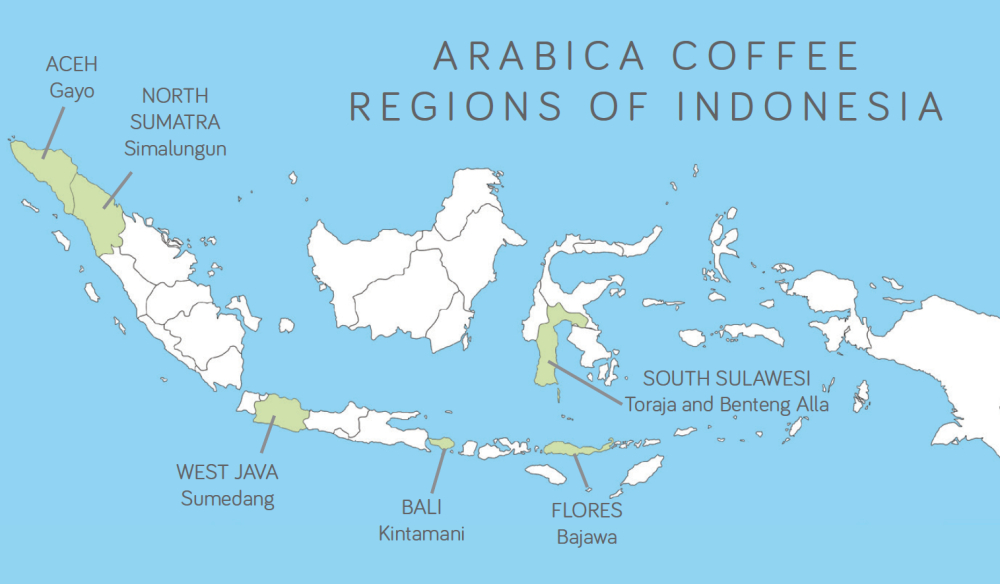
Among the many producing regions, wild civet coffee from Sumatra, Indonesia, is considered the top-tier representative, followed by those from the Philippines and Vietnam, though there are significant differences in price and quality. The market is also flooded with so-called "fake" or artificially fed products, which not only have questionable origins but also vary greatly in quality. It is difficult for the average consumer to judge authenticity based solely on packaging and professional cupping is required to assess the true flavor profile. It’s particularly important to note that many international sustainability certification bodies, including Rainforest Alliance, UTZ, and SAN labels, explicitly refuse to certify civet coffee, primarily because it is impossible to ensure that its sourcing meets animal welfare and sustainability standards.
When it comes to other high-quality coffees from Indonesia, "Golden Mandheling" is definitely a premium choice that shouldn’t be missed. This coffee from Sumatra is known for its low acidity, rich chocolate and nutty tones, along with unique spicy and herbal aromas. The so-called "Golden Mandheling" is a registered brand of Indonesia’s PWN Coffee Company (PWN), and only products bearing the PWN logo and official origin certification are considered authentic. Its green beans undergo multiple rounds of manual sorting with an extremely low defect rate, making it top-grade within the G1 classification. Compared to regular Indonesian Mandheling available on the market, Golden Mandheling shows significant improvements in both aroma purity and flavor complexity, making it a “flagship specialty” in the eyes of many dedicated coffee enthusiasts.
For those looking to try civet coffee, it is recommended to use a low-temperature slow extraction method to reduce the impact of its intense flavor characteristics on the taste buds. Below are the recommended pour over parameters from a coffee brand: Use a KONO filter, with a coffee-to-water ratio of 1:15, and water temperature controlled at 87°C. Grind size should be roughly as coarse as granulated sugar. The segmented extraction method involves a 30-second bloom with 30 grams of water, followed by pouring in a small circular motion until reaching 125 grams for the first pour. Continue pouring until 225 grams just as the water level is about to expose the coffee bed, then wait for the water level to drop before removing the filter. The total extraction time is about 2 minutes. These parameters fully highlight the herbal, nutty, dark chocolate, and fermented aromas of civet coffee, balancing its intense profile.
The above content is compiled by CoffeeHunters, a coffee news website.


