







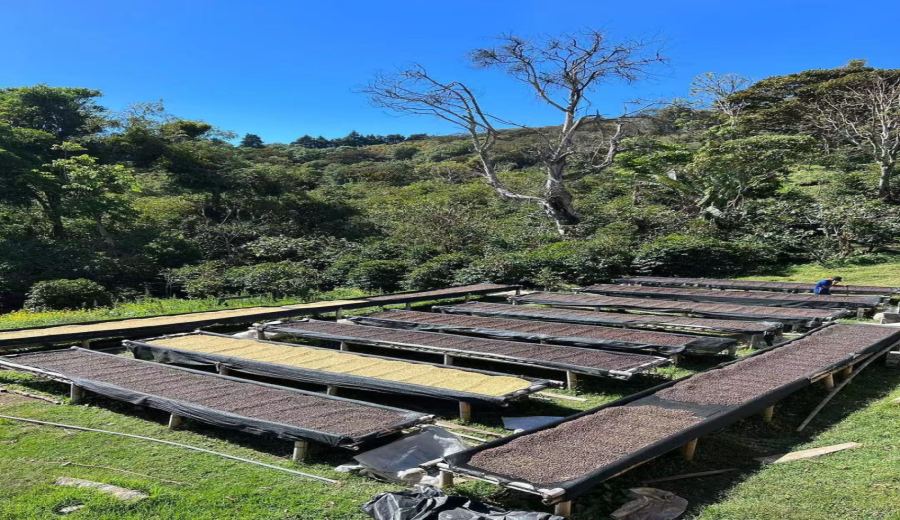
Introduction:Take an in-depth visit to Elida Estate, located in the high-altitude Boquete region of Panama, to explore its unique microclimate, carefully selected Geisha variety, and distinctive green bean processing and purification methods. This article will analyze how the environment at elevations between 1850 and 1900 meters shapes the unique flavors of the coffee, and provide practical pour over parameters to help you fully experience the layers and aromas of this top-tier Geisha.
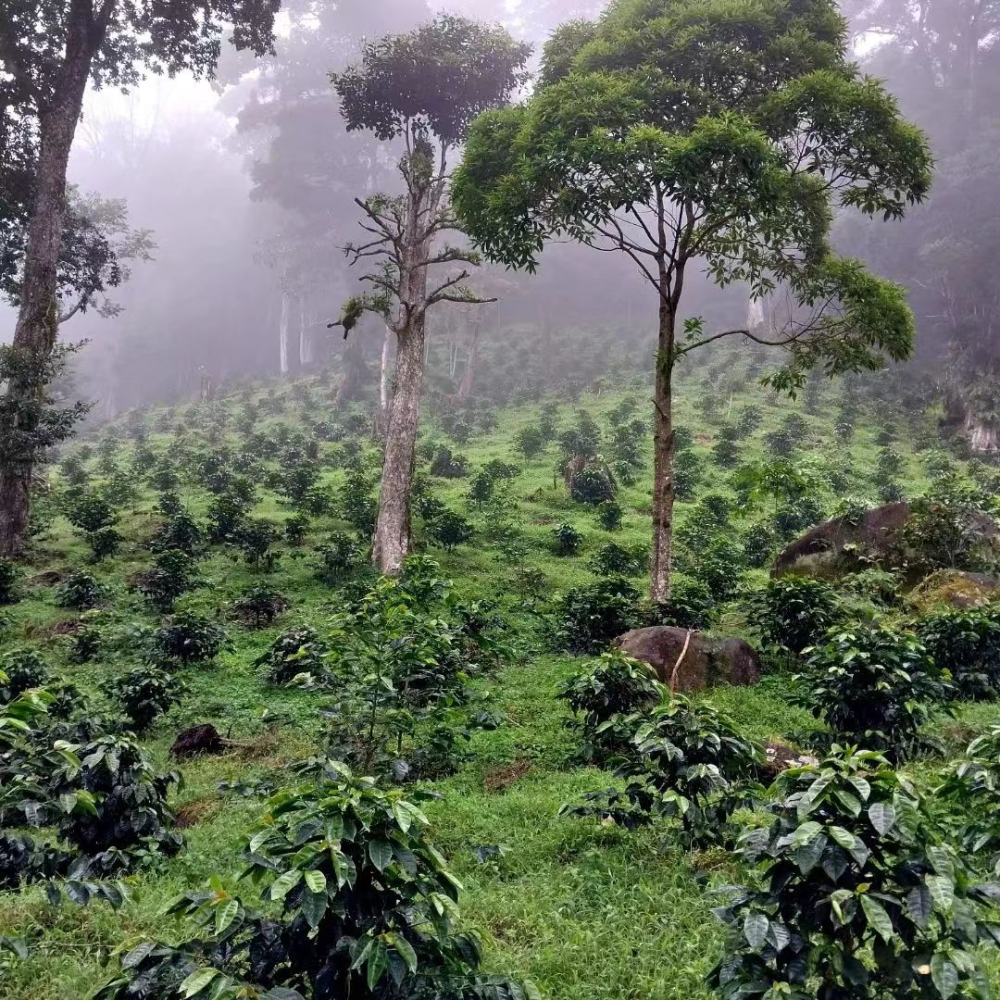
Among the high-altitude coffee-growing regions of Boquete, Panama, Elida Estate is renowned for its astonishing planting altitude and refined Geisha variety. Managed by the Lamastus family, over half of the estate lies within the boundaries of Volcán Barú National Park, with plantings ranging from 1670 to 1850 meters above sea level, and some micro-lots even approaching 1900 meters—making it one of the few ultra-high-altitude coffee cultivation areas in Central America.
The estate’s three main cultivars include Catuai, Typica, and Geisha. Among them, Geisha—extremely particular about its environment—thrives under Elida’s unique geographical conditions, showcasing exceptional aroma and a balanced acidity and sweetness, making it the estate’s most representative coffee. Coffee here takes five years from planting to first harvest, significantly longer than the typical three years in other regions, and this extended maturation period imparts a richer flavor profile to the beans.
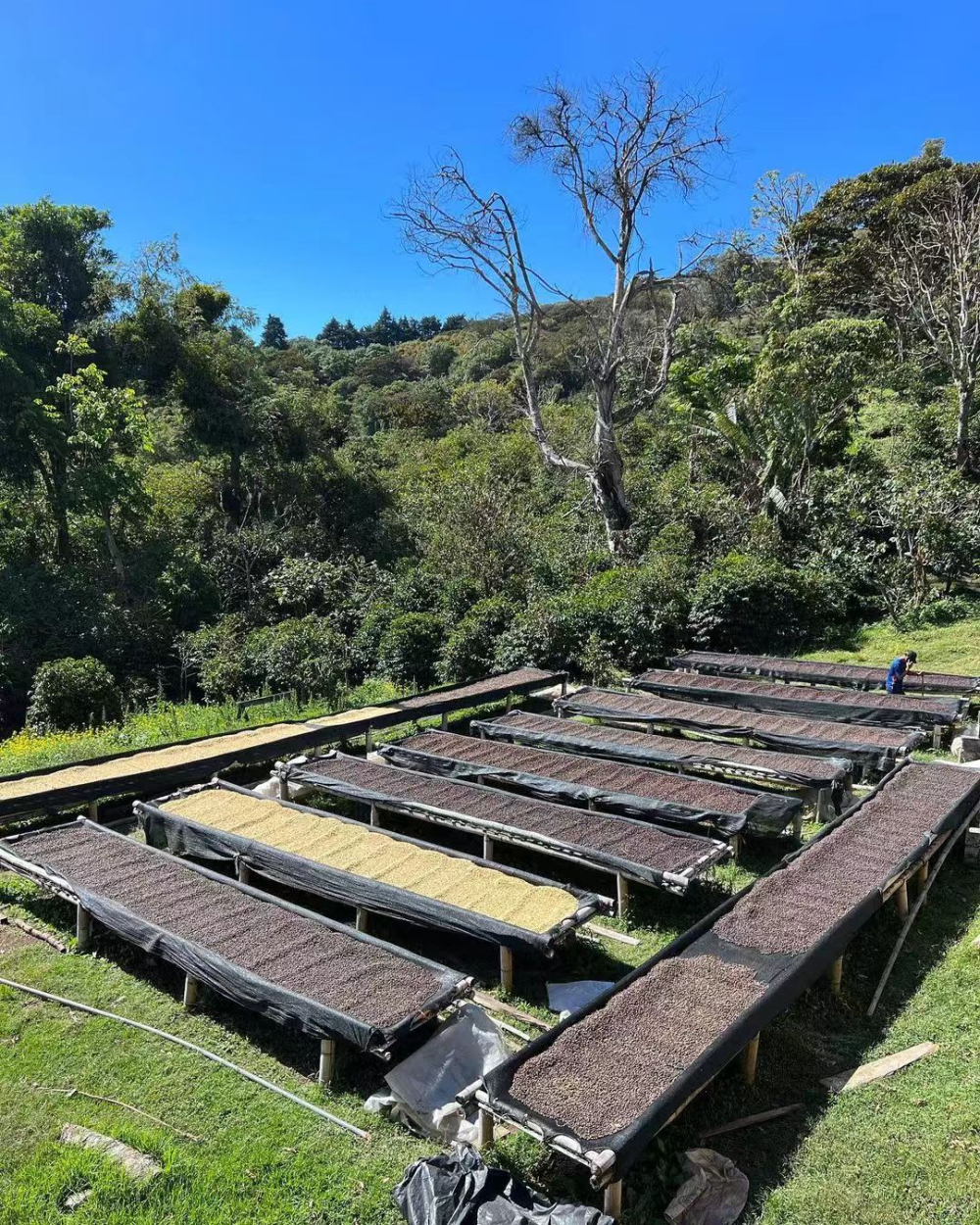
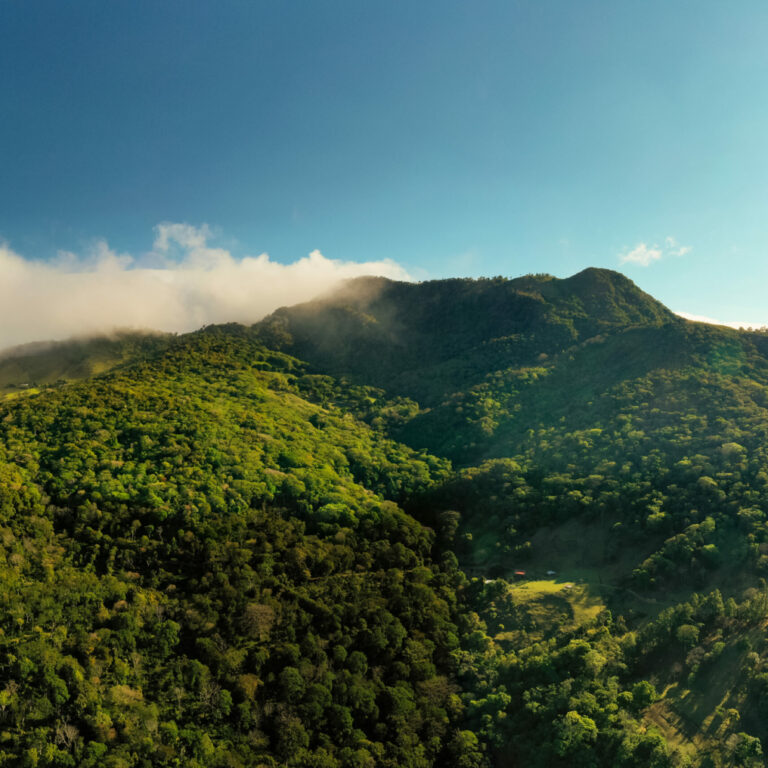
Elida Estate dates back to 1918, named after the matriarch of the Lamastus family at the time. Covering a total area of 65 hectares, over 30 hectares are dedicated to coffee cultivation, while the rest remain as pristine forest. This environment not only helps maintain biodiversity but also provides an ideal microclimate for the coffee trees. Situated on the steep slopes of Volcán Barú, the estate experiences significant day-night temperature variations, and the high altitude extends the ripening cycle of the coffee cherries—sometimes even beyond a month—adding to the challenges and risks of harvesting.
In terms of cultivation methods, Elida primarily employs semi-shaded and fully shaded systems. Shaded planting not only slows the overripening of coffee cherries but also promotes the accumulation of flavor compounds within the fruit, resulting in a richer and more complex taste. Generally, a planting density of less than 25 trees per hectare is considered full sun, 25–50 trees semi-shaded, and over 50 trees fully shaded. Although shaded environments reduce yield per unit area, they significantly enhance flavor performance—a common choice among many specialty coffee farms.
Panama’s Geisha variety originally comes from the Geisha Forest in Ethiopia in 1931, traveling through Kenya, Uganda, and Costa Rica before being introduced to Panama in the 1970s. For a long time, this variety was overlooked until Hacienda La Esmeralda won the BOP competition with Geisha in 2004, propelling it to fame. Geisha has very high environmental requirements—it needs high altitudes, foggy conditions, and fertile soil to express its characteristic tea-like body, floral notes, and citrus tones. Elida Estate is one of the very few places capable of fully realizing the potential of Geisha.
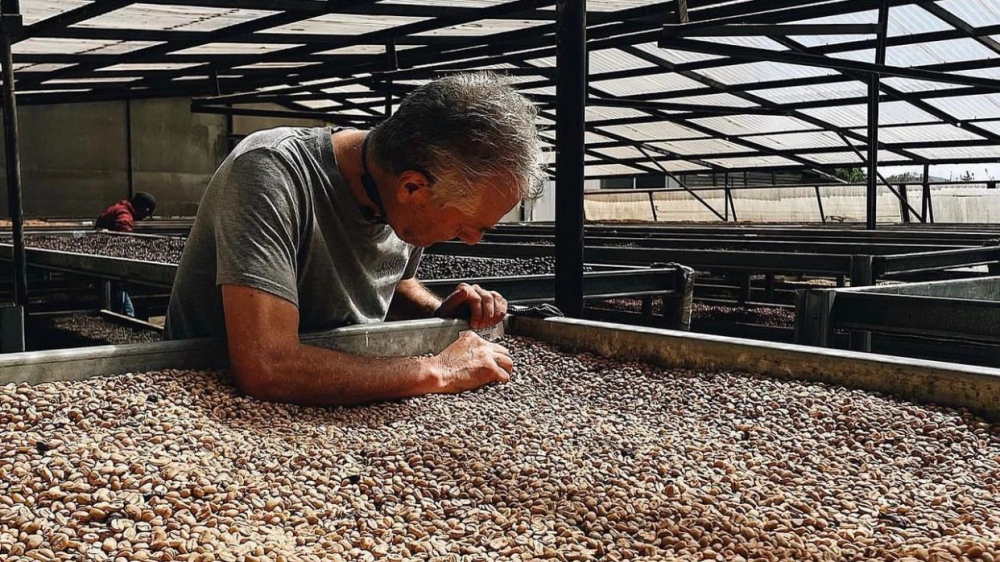
At Elida, Geisha is planted alongside the other two varieties—Catuai and Typica—but it stands out due to its rarity and high-standard processing. Only fully ripe coffee cherries are handpicked to ensure optimal pulp and sugar content. Additionally, Elida places great emphasis on the “purification” process of the green beans, employing a minimum five-month low-temperature resting period, which aids in flavor stabilization and detail expression. This practice, promoted by coffee expert George Howell, is especially important for high-altitude subtropical beans and can significantly enhance performance during final brewing.
Taking Elida’s ASD-processed Geisha as an example, this coffee undergoes anaerobic fermentation followed by slow sun drying at low temperatures. The coffee cherries are fermented in a sealed environment for 4 to 5 days before being spread in thin layers on drying beds to slowly dry. This process relies on stable weather, is time-consuming, and comes with higher costs, but it yields a rounder, more layered flavor while extending the green bean’s shelf life.
In terms of actual tasting, take an Elida ASD Geisha offered by a certain café as an example—its roast level is typically medium-light, highlighting floral, citrus, and tropical fruit notes. It is recommended to use a V60 filter, with water temperature controlled at 91–92°C, a brew ratio of 1:15, and grind size around 80% through a #20 sieve, similar in coarseness to fine sugar.
During pour over, you can use a step extraction method: start with a 30-second bloom using 30 grams of water, then pour an additional 95 grams, and once the flow slows, add another 100 grams, for a total extraction time of about 2 minutes. These parameters help fully release the delicate acidity and aroma of high-altitude Geisha, while avoiding over-extraction that could lead to astringency.
Overall, Elida Estate creates a Geisha coffee with vivid flavors and rich layers, thanks to its extremely high altitude, carefully selected varieties, and precise processing. Whether for coffee enthusiasts or professional brewers, this is a top-tier bean worth exploring and savoring in depth.
The above content is compiled by CoffeeHunters, a coffee news website.


