







Introduction:Want to learn about the variety characteristics and brewing secrets of Yunnan coffee? This article takes an in-depth look at the two main varieties grown in Yunnan—Typica and Catimor—exploring everything from plant traits and growing environments to washed processing and pour over recommendations. It helps you grasp the unique flavor profiles and optimal extraction methods of these two beans, offering valuable insights for both beginners and advanced enthusiasts.
In the variety landscape of Yunnan coffee, Typica and Catimor are undoubtedly the two leading players. As one of the oldest Arabica varieties, Typica has a long cultivation history, but due to its low yield and weak disease resistance, it is now grown on a limited scale. In contrast, the rising star Catimor, with its advantages of high yield, disease resistance, and strong adaptability, has become the market mainstream of Yunnan’s “small-bean coffee.” This article will comprehensively compare the differences between these two coffees—from variety characteristics and growing environments to processing methods and pour over suggestions—and provide practical brewing parameters to help you better understand the diverse facets of Yunnan coffee.
When it comes to Yunnan coffee, variety has always been a core topic. In the early days, Typica was introduced to Yunnan, but due to multiple factors such as cultivation techniques, labor costs, and market demand, this classic variety gradually declined. It was eventually replaced by Catimor—a hybrid improved from Typica and Robusta—not only well-suited to Yunnan’s variable climate but also favored by local coffee farmers for its high yield per unit area. As a result, “Yunnan small-bean” has almost become synonymous with Catimor.
In fact, even before venturing into the roasting business, some operators had attempted to grow coffee in Guangdong, choosing Catimor as the variety. However, as the plants grew to about 20 centimeters tall, growers gradually realized that the match between variety selection and growing environment greatly impacts the final flavor. Planting an unsuitable variety in an inappropriate region not only affects yield but can also significantly diminish cup quality. For this reason, many specialty coffee growers have begun to re-examine the relationship between variety and region, subsequently seeking more suitable planting solutions.
Among the many challenges, harvesting costs are a major issue. It is understood that the labor cost for picking each kilogram of coffee in Yunnan can even exceed the selling price of the beans, which discourages most farmers from investing in meticulous management unless they have ample labor resources. As a result, some operators opt to lease land from farmers on a short-term basis to experiment with short-term processing methods, such as natural or honey processing. While this allows for quick product launches, it has limited long-term impact on the development of variety and regional characteristics.
Faced with such an industry environment, some operators have chosen a more challenging path: growing traditional Arabica varieties in high-altitude regions with refined management practices, with Typica being one of the key choices. Typica not only possesses unique flavor traits but is also regarded as a variety capable of representing the potential of Yunnan coffee due to its historical significance. Records of Typica cultivation in Yunnan date back over a hundred years, providing a historical basis and proof of variety adaptability for today’s replanting efforts.
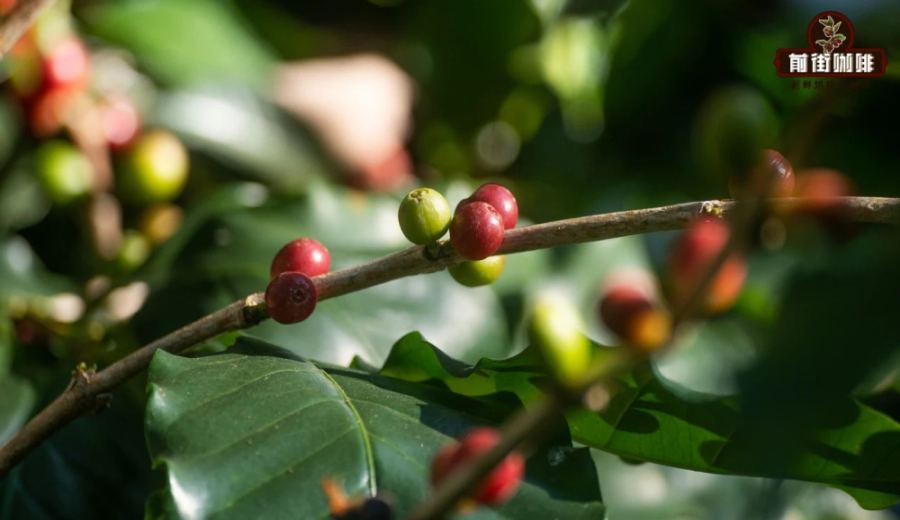
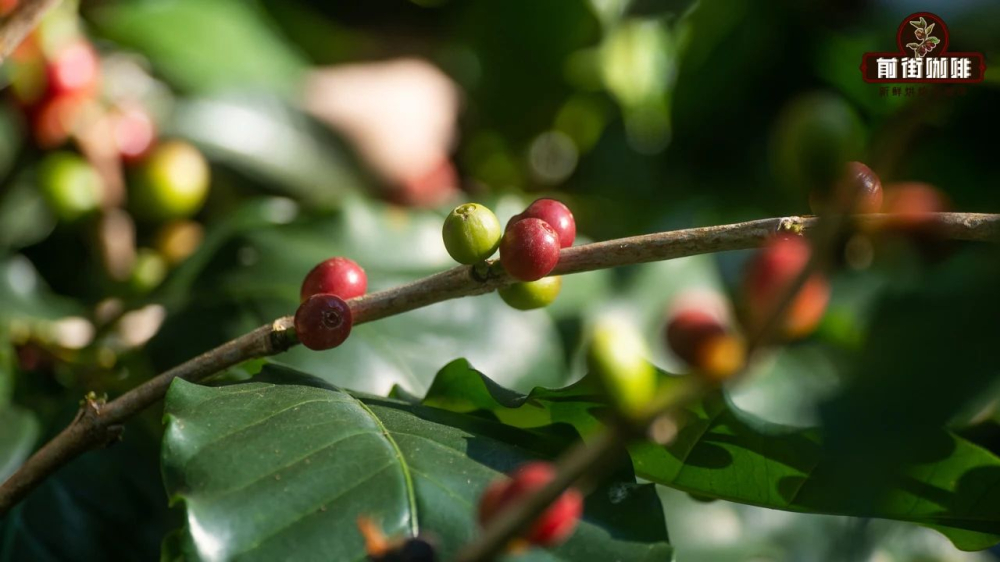
The plant characteristics of Typica are very distinct. It is a typical conical Arabica tree species with a straight trunk that can reach up to 5 meters in height. The angle between its branches and trunk is approximately 50 to 80 degrees, giving the overall tree a slender shape. Its leaves, fruits, and green beans are mostly elongated, with young buds exhibiting a bronze sheen and mature fruits appearing bright red, making them highly recognizable in appearance. Additionally, the top leaves of Typica often have a bronze hue, which is another key characteristic. These botanical features visually distinguish Typica from other varieties.
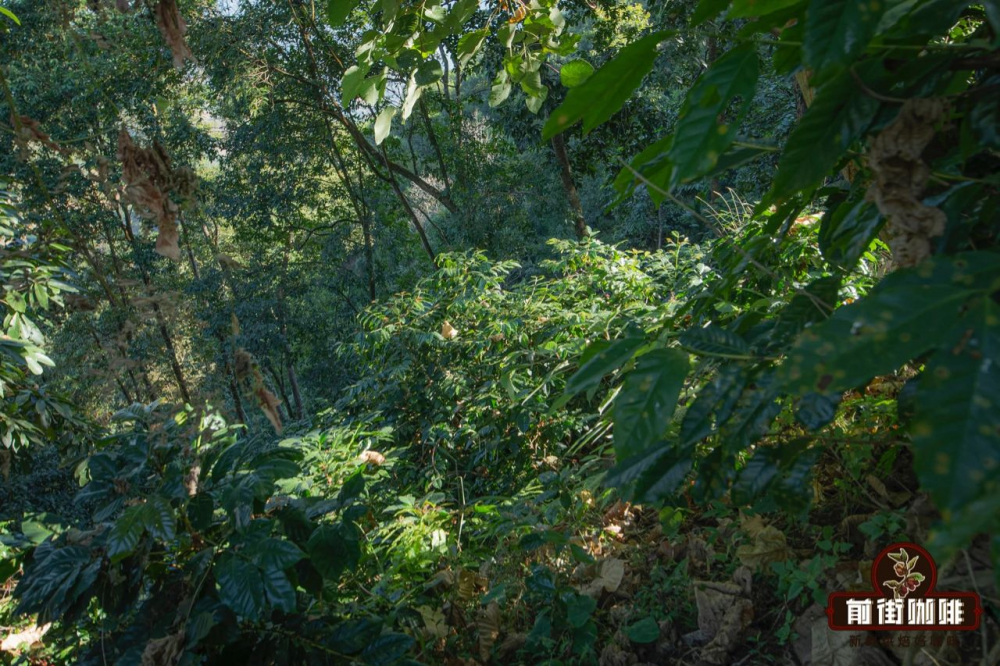
However, Typica also has notable limitations, including a yield of only about one-third that of Catimor and extreme susceptibility to leaf rust, requiring high standards for cultivation environment and management techniques. Therefore, selecting a suitable altitude and microclimate is key to growing Typica. Generally, Typica thrives at altitudes above 1200 meters, which not only helps enhance flavor intensity but also reduces disease occurrence to some extent.
Take the Baoshan growing region in Yunnan as an example. With an altitude of about 1200 meters and moderate climate conditions, it is an ideal location for washed processing of Typica. Due to the long rainy season and unstable climate, washed processing has become the mainstream method. By removing the pulp and undergoing fermentation, it effectively reduces off-flavors while highlighting the bean’s pronounced fruit acidity and layered profile. Washed beans typically offer a cleaner mouthfeel, with bright acidity and a refreshing aftertaste, making them a favorite among many pour over enthusiasts.
In terms of roasting, using a medium-slow roast can fully showcase Typica’s roundness and floral-fruity aromas. Based on practical experience, when roasting with a Yangjia 600g semi-direct-fire machine, it is recommended to start with a drum temperature of 200°C, gradually adjusting the heat and air damper to control dehydration and the Maillard reaction, and extending the roasting time moderately after first crack. The final drop temperature should be around 198°C, yielding a flavor profile with balanced sweetness and acidity, as well as a rich yet moderate body.
Cupping results show that this washed Typica bean exhibits the fresh aromas of melon and herbs when hot, with a smooth mouthfeel. The mid-palate reveals notes of nuts and milk chocolate, while the finish delivers a lively acidity reminiscent of plums, accompanied by apricot and citrus tones. The aftertaste also carries a subtle warmth of black tea and brown sugar, achieving excellent overall balance—perfect for those who enjoy delicate flavors.
If you’d like to brew this Yunnan small-bean Typica at home, it is recommended to use 15 grams of coffee grounds with 225 milliliters of water, achieving a 1:15 coffee-to-water ratio. If you prefer a clearer acidity, you may adjust the ratio to 1:16. A V60 dripper is recommended, with water temperature controlled at 88°C to help soften acidity and bring out delicate aromas. The grind size should be medium-fine to fine sugar-like, with about 80% passing through a #20 sieve, and a pulsed pouring method is advised: start with a 30-second bloom using 30 grams of water, then pour in a small circular motion until 125 grams, followed by a first pause. After the water level drops, continue pouring to 225 grams. The total extraction time should be around 2 minutes, fully highlighting its layered flavors.
The above content is compiled by CoffeeHunters, a coffee news website.


