








Introduction:As an important coffee-growing region in China, Yunnan’s bean variety evolution is full of stories. From the initially planted ancient Arabica variety Typica to the later widely promoted Catimor—bred for disease resistance and high yield—each stage has influenced the flavor direction of local coffee. This article delves into the origins and characteristic differences between Typica and Catimor, and introduces you to the current coffee options available from Yunnan, helping you find the bean variety and processing method that best suits your taste.
When it comes to Yunnan coffee, many people first think of the most commonly seen Catimor variety on the market. However, the very first variety planted in this land was Typica—the oldest in the Arabica family. This ancient variety from Yemen is not only the “ancestor” of many modern Arabica coffees but also the starting point of Yunnan coffee’s flavor profile. However, due to Typica’s weaker resistance to diseases and relatively low yield, it was gradually replaced by higher-yield, more disease-resistant varieties after the entry of international companies like Nestlé, with Catimor becoming the mainstream.

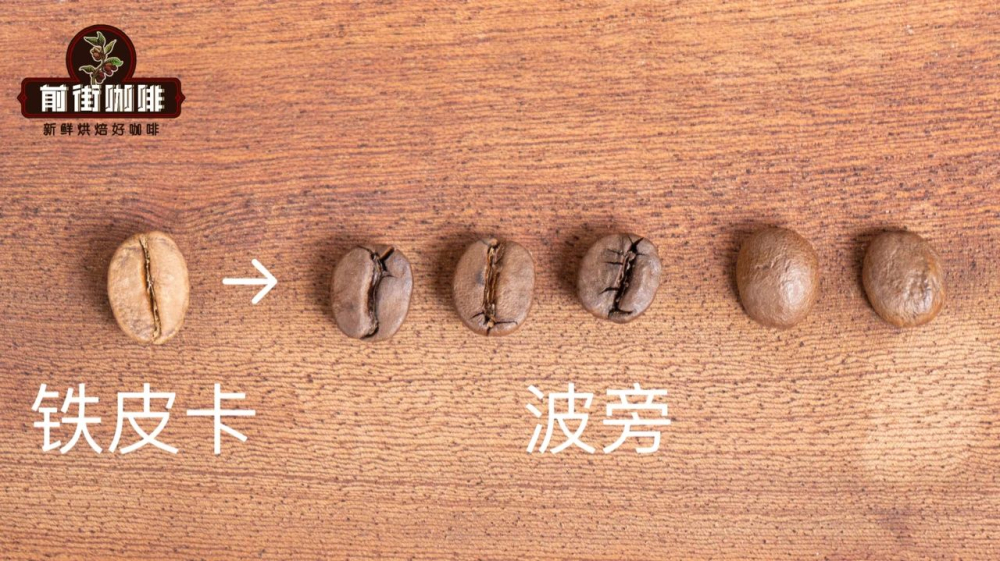
Currently, over 90% of Yunnan coffee beans sold on the market belong to the Catimor variety. Catimor is a hybrid of the Timor variety (which contains Robusta genes) and Caturra, offering strong resistance to leaf rust and achieving about three times the yield per unit area compared to Typica. For coffee farmers seeking efficiency and stable harvests, it is undoubtedly a more practical choice. Additionally, although Catimor’s flavor is not as delicate as Typica’s, with advancements in scientific cultivation and post-harvest processing techniques, it has in recent years been able to showcase more layered profiles, with common flavor notes including nuts, cream, chocolate, and a mildly acidic plum character.
If you wish to experience a purer original Arabica flavor, Typica remains an unmissable choice. This variety is known for being “clean, with soft acidity and pronounced sweetness.” Although it has higher cultivation requirements, under high altitudes and suitable microclimates, it can present a highly distinctive flavor profile. One estate has been growing Typica in Lincang, Yunnan since 2013, and through the use of the natural (sun-dried) processing method, it has further enhanced the expression of fruity and sweet notes.
The 2013 Yunnan Typica coffee beans, grown at an altitude of about 1,300 meters in the Lincang region, are processed using the traditional natural (sun-dried) method, fully preserving the sugars and fruity aromas from the coffee cherry pulp. After roasting, these beans exhibit a flavor profile of brown sugar, plum, black plum (Prunus salicina), and chocolate. They have a smooth mouthfeel, with a mellow, sweet aftertaste, making them an excellent choice for coffee lovers who enjoy fruity notes and medium-bodied flavors.
For beginners just starting with pour over coffee, it is recommended to start with Catimor, whose stable flavor profile and balanced acidity and bitterness can help you build a basic understanding of Yunnan coffee. If you want to explore a more distinctive variety, the Typica natural-processed beans are a great choice for discovering the local terroir and the charm of this ancient variety. Regardless of which you choose, you can adjust grind size and water temperature according to personal preference. For pour over, it is suggested to use a medium-fine grind (slightly finer than granulated sugar) with water temperature controlled at 90–93°C to highlight the unique flavor characteristics of the beans.
The above content is compiled by CoffeeHunters, a coffee news website.


