







Introduction:Jamaican Blue Mountain coffee is hailed as the "King of Coffee," captivating countless coffee enthusiasts with its balanced body, rich depth, and complex flavor profile. This article delves into the growing environment, grading system, flavor characteristics of Blue Mountain coffee, and teaches you how to identify authentic beans. From altitude restrictions to wooden barrel export certificates, we offer a comprehensive exploration of what makes this world-class coffee so exceptional.
Renowned for its unique flavor and rarity, Jamaican Blue Mountain coffee has long been regarded as a leader in the coffee world. It not only boasts a well-balanced and full-bodied taste but also presents an exquisite harmony of dark chocolate, roasted nuts, and subtle fruity acidity. If you wish to gain a deeper understanding of this premium coffee—from its growing region and grading system to tips on identifying genuine beans—this article will unveil all the secrets for you.
The excellence of Blue Mountain coffee stems from its exceptional geographical and climatic conditions. The Blue Mountains are located in eastern Jamaica, where sunlight shines upon the azure Caribbean Sea, casting a mesmerizing blue hue over the mountain peaks—hence the name "Blue Mountain." The highest point of the range reaches 2,256 meters, making it the tallest peak in the Caribbean. However, not the entire mountain is suitable for coffee cultivation. According to Jamaican government regulations, coffee can only be grown at elevations between 910 and 1,700 meters. This zone benefits from fertile volcanic soil, abundant rainfall, and ideal temperatures, all of which contribute to the extraordinary quality of Blue Mountain coffee.
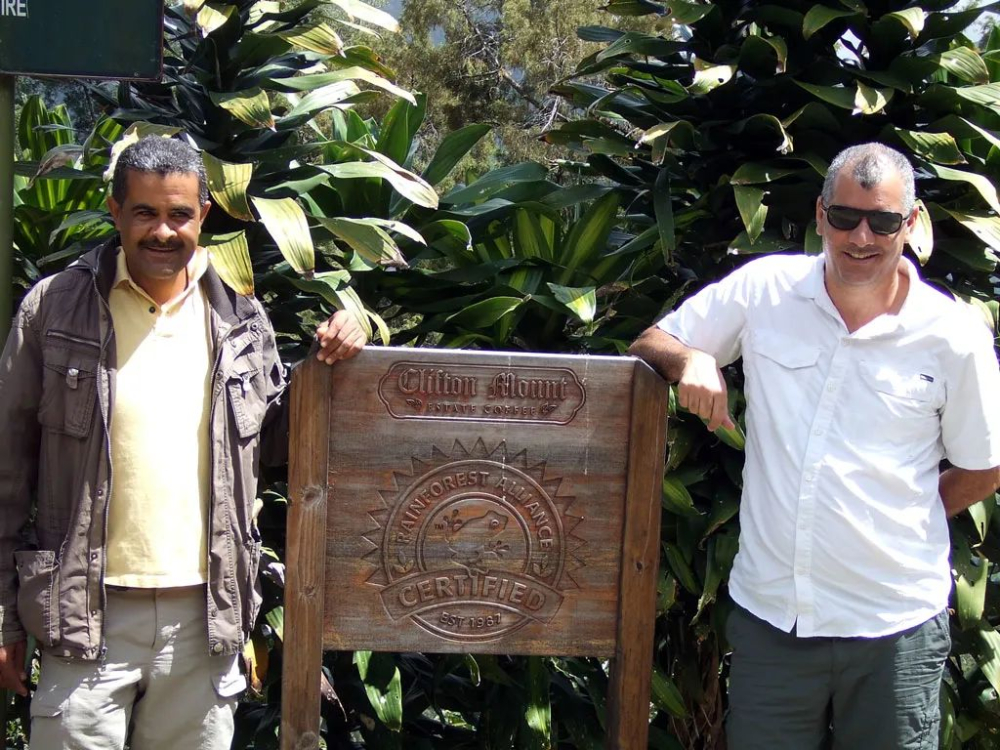
Within this prime location, this brand sources Blue Mountain No. 1 coffee beans from the Clifton Estate. This historic plantation began cultivating coffee around 1750 and is one of the few coffee farms in the Blue Mountains certified by the Rainforest Alliance, signifying that its farming practices meet high standards of sustainable agriculture. The brand uses a medium-dark roast to highlight the rich character of Blue Mountain coffee, delivering aromas of dark chocolate and roasted nuts while retaining a hint of delicate fruit acidity—resulting in a balanced and captivating flavor.
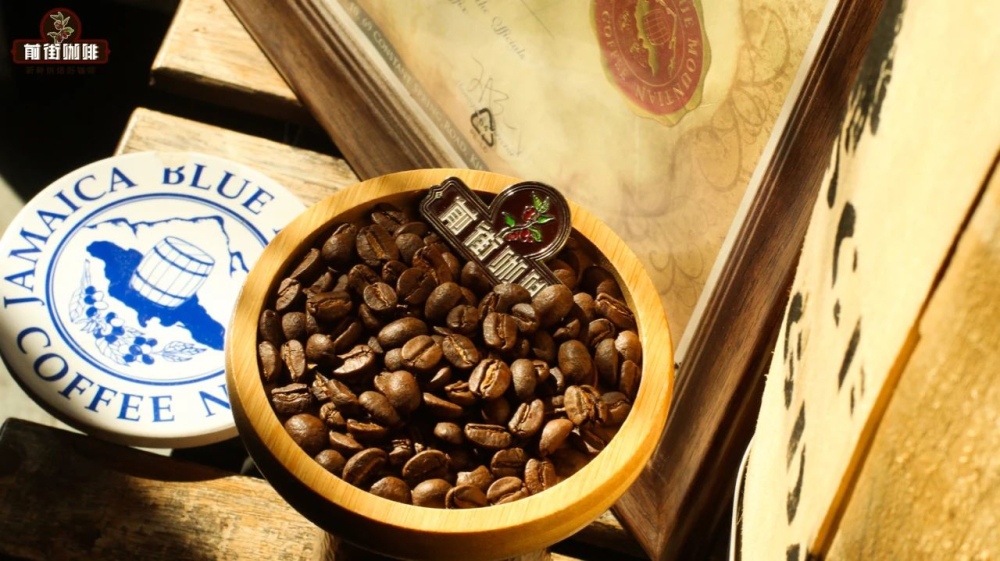
So, what exactly qualifies as genuine Blue Mountain coffee? According to the Jamaica Coffee Industry Board (CIB), only coffee beans grown at elevations between 910 and 1,700 meters can be called "Jamaican Blue Mountain Coffee." Beans grown at altitudes between 460 and 910 meters are classified as "Jamaican High Mountain Coffee," while those grown below 460 meters are labeled "Jamaican Prime Coffee." The rarity of Blue Mountain coffee is not only due to its geographical limitations but also closely tied to its rigorous grading system.
Jamaican Blue Mountain coffee is divided into four grades based on bean size and defect rate: Blue Mountain No. 1, Blue Mountain No. 2, Blue Mountain No. 3, and Blue Mountain Peaberry. Among these, Blue Mountain No. 1 is the most popular grade and the main variety imported into Chinese-speaking markets. Its standards require that 96% of the beans must be 17 mesh (approximately 8 mm) or larger, with a post-processing defect rate not exceeding 2%. Blue Mountain No. 2 has a minimum size of 16 mesh, No. 3 is 15 mesh, and Peaberry is 10 mesh—all with a maximum defect rate of 2%. These strict criteria ensure that every batch of Blue Mountain coffee maintains a high level of quality.
It’s worth noting that not all coffee from the Blue Mountains can be called Blue Mountain coffee. Many commercially available products claim to have a "Blue Mountain flavor," but are actually blends or specially roasted coffees designed to mimic the flavor, rather than beans grown at the specific altitudes of the Blue Mountains. Furthermore, due to the scarcity and high price of genuine Blue Mountain coffee, some merchants use dark roasting to imitate its flavor—but these products are far from the real thing.
Authentic Blue Mountain coffee is made from the Typica variety, one of the oldest Arabica cultivars, known for its naturally pure and layered flavor profile. For export, the Jamaican government mandates that Blue Mountain coffee be shipped in wooden barrels accompanied by official export documentation. These documents include: a quality certificate issued by the Jamaica Coffee Board, an authorized sales certificate from the Blue Mountain coffee producer, and a certificate of origin. These three certificates serve as key proof of authenticity. While everyday consumers may not directly access these documents when purchasing, understanding this background information can help you confidently discern whether the Blue Mountain coffee on the market is genuine.
In summary, the value of Blue Mountain coffee lies not only in its exceptional growing environment but also in its stringent grading system and high production standards. From altitude restrictions to wooden barrel export certificates, every detail ensures the top-tier quality of Blue Mountain coffee. If you’re a coffee enthusiast, knowing these facts will help you better appreciate and choose this world-renowned brew.
The above content is compiled by CoffeeHunters, a coffee news website.


