







Introduction:Kenyan coffee is renowned for its bright acidity and rich fruity flavors, often featuring notes of blackberry, grapefruit, and a unique tomato-like character. This distinctive profile is inseparable from the region’s unique coffee varieties, high-altitude environment, and meticulous K72 washed processing method. This article delves into Kenya’s major coffee-growing regions, the characteristics of the SL28 and SL34 varieties, the grading system, and how the K72 double-washed process shapes its unique flavor. It also offers recommendations on filter options, water temperature, and grind size for brewing light-roast Kenyan beans using pour over methods, helping you fully master the brewing techniques for this popular coffee bean.
Kenyan coffee has long been beloved by coffee enthusiasts worldwide for its highly distinctive acidity and vibrant fruitiness. Its flavor profile often includes blackberry, grapefruit, and even a bright, tangy-sweet note reminiscent of small tomatoes. This unique character stems from its exceptional geographical conditions, carefully selected coffee varieties, and the distinctive K72 two-stage washed process lasting 72 hours. Particularly in the Kirinyaga region, some lots produced by certain washing stations exhibit a bright, tangy-sweet quality akin to black plum and cherry tomato, making them prized possessions among many pour over enthusiasts.
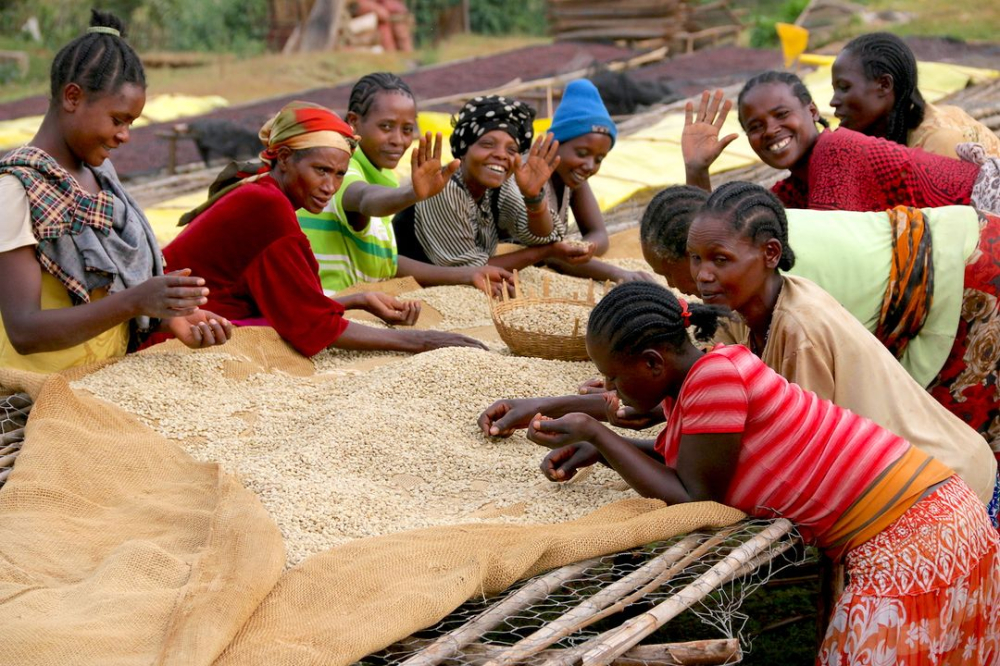
The structure of Kenya’s coffee industry is quite unique. Unlike many regions dominated by large estates, Kenya’s coffee production mainly comes from numerous smallholder farmers. Though individually small in scale, these farmers are organized through cooperatives, collectively accounting for about 60% of the country’s total coffee output. They are typically located on volcanic soil slopes at elevations above 5,000 to 6,000 feet. Such altitude and soil conditions provide an ideal growing environment for coffee, contributing to the solid body and complex flavor layers characteristic of Kenyan coffee.
In terms of quality management, Kenya has a detailed and rigorous coffee bean grading system. Washed coffee beans are classified into seven grades—AA, AA+, AB, PB, C, E, TT, and T—based on bean size, shape, and hardness. Among these, AA and AA+ are considered the highest grades and are usually the most sought-after in the market. However, bean size and appearance do not entirely equate to flavor performance, a crucial point to keep in mind when selecting beans. Additionally, Kenya’s coffee is predominantly grown in high-altitude areas, and the higher the altitude, the more conducive it generally is to enhancing coffee acidity and aroma.
One of the key reasons Kenyan coffee boasts such prominent fruity acidity and clarity is the widely adopted K72 washed processing method. Compared to traditional washed processing, which involves fermentation for only 24 to 48 hours, Kenya’s process extends fermentation to 72 hours, divided into three stages of 24 hours each. After each 24-hour fermentation period, the beans are rinsed before the next fermentation stage begins. This cyclical fermentation approach gradually releases impurities and undesirable compounds from the beans under low-temperature conditions, while enhancing their bright acidity and flavor purity. The result is coffee beans with a high degree of cleanliness and layered complexity.
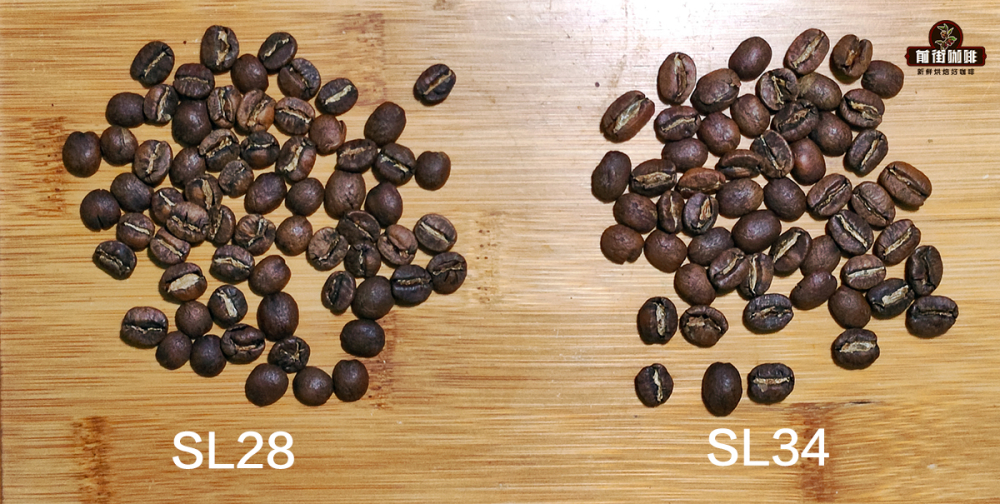
Take the Asali washing station in the Kirinyaga region as an example. The Kenyan coffee beans produced there are processed using the K72 method, utilizing the regionally representative SL28 and SL34 varieties grown at altitudes between 1,550 and 1,750 meters. This particular lot performs exceptionally well in terms of flavor, often exhibiting a rich array of fruity and sweet notes such as black plum, cherry tomato, pear, brown sugar, and plum. Its acidity is crisp yet smooth, with a solid mouthfeel and distinct layering, earning it the nickname “little tomato.” It has become a top choice for many specialty coffee shops and pour over aficionados.
For such light-roast Kenyan coffee, there are several practical tips worth considering for pour over brewing. First, it is recommended to use a fast-flow filter cone, such as the V60. Its unique spiral ridges not only facilitate the degassing of the coffee grounds but also accelerate the water flow rate, reducing the risks of over-extraction and accumulation of unwanted residues in the later stages, thereby allowing the bright acidic and aromatic compounds to be released more smoothly. Second, the water temperature is advised to be controlled between 90°C and 93°C. If you prefer a sharper acidity and a tea-like aftertaste, opt for 90°C to 91°C; if you desire a rounder and fuller acidity, you can increase the temperature to 92°C to 93°C, adjusting slightly according to personal taste.
As for grind size, adjustments should be made based on actual extraction performance. Generally, a 1:15 to 1:16 coffee-to-water ratio is recommended as a starting point, and you should observe the extraction time: if 15 grams of coffee is brewed within 1 minute and 40 seconds and the flavor is overly sharp or thin, it indicates the grind is too coarse; if it takes over 2 minutes and 20 seconds and results in bitterness or astringency, the grind may be too fine. Additionally, you might try a three-stage pouring method: start with 30 grams of water for a 30-second bloom, then add 95 grams in the second pour, and finally top up to 225 grams in the third pour, keeping the total extraction time around 2 minutes. This helps achieve balanced flavor and enhanced layering.
In summary, the charm of Kenyan coffee lies in its clear acidity profile, vivid fruitiness, and high-standard processing craftsmanship. From the altitude distribution of its producing regions, the cooperative model of smallholder farmers, the characteristics of the SL28 and SL34 varieties, to the details of the K72 washed process, every element contributes to shaping the unique personality of Kenyan coffee. By mastering the appropriate brewing parameters and techniques, you can also recreate that unforgettable little tomato acidity and bright fruity aroma at home.
The above content is compiled by CoffeeHunters, a coffee news website.


