







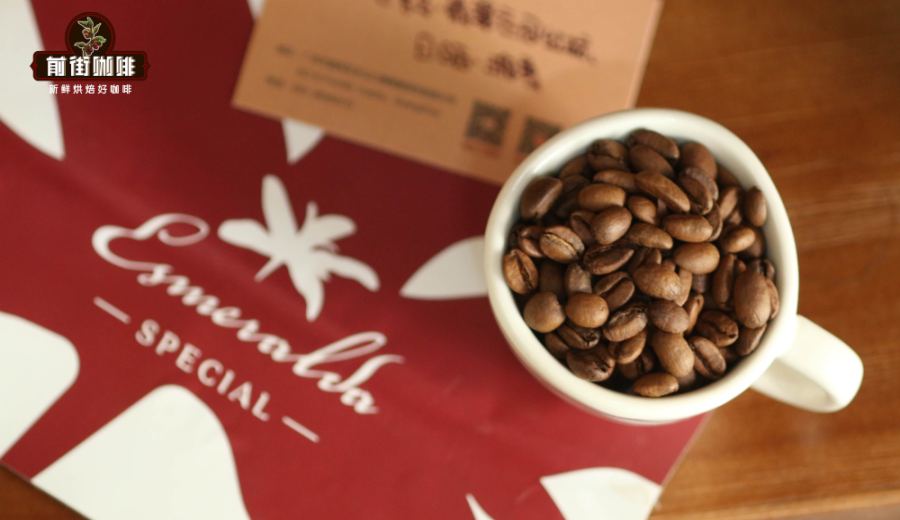
Introduction:Panamanian Geisha coffee is world-renowned for its distinctive floral and fruity aromas and bright acidity, making it a star variety in the specialty coffee scene. This article will detail its journey from its Ethiopian origins to its rise in Panama, take an in-depth look at the differences between the Red, Green, and Blue Label grades of Hacienda La Esmeralda, and explore the microclimates and flavor profiles of the Boquete and Volcán regions. Additionally, professional pour over recommendations and extraction parameters are provided to help coffee enthusiasts fully appreciate the charm of this top-tier bean.
Geisha is one of the most talked-about varieties in the global specialty coffee market, and its international reputation stems from Panama. This coffee variety, originally from the Kaffa forests of Ethiopia, underwent nearly a century of movement and trial planting before truly emerging as a representative of top-tier specialty coffee after its stunning performance at the Panama BOP competition in 2004. This article will take you from its origins, gradually exploring its development in Panama, Hacienda La Esmeralda’s grading system, the terroir differences of major producing regions, as well as practical pour over techniques and parameter settings, offering a comprehensive understanding of this uniquely flavored coffee.
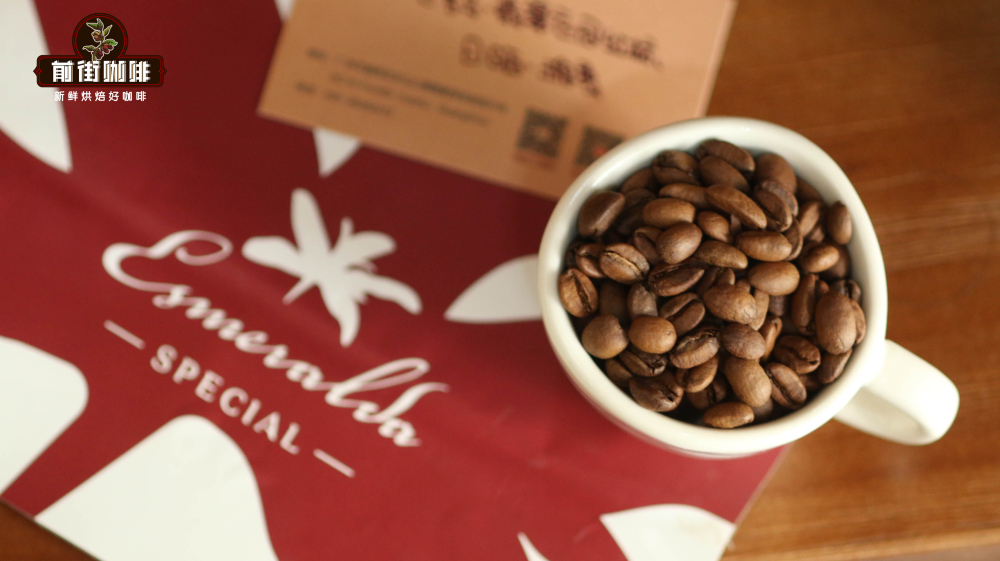
The homeland of Geisha is actually the Kaffa forests in southern Ethiopia. In 1931, botanists discovered this variety among wild plants in the region and named it after the nearby Geisha Mountain. Initially, it was sent to countries such as Kenya, Uganda, and Tanzania for disease resistance testing, and in 1953, it entered the CATIE research center in Costa Rica under the code T2722. For a long time, due to its susceptibility to disease, low yield, and unremarkable flavor, Geisha did not receive much attention and was mainly grown in niche quantities for its antifungal properties.
It wasn’t until the 1960s that Panama began introducing this variety, but it also showed mediocre performance initially and didn’t attract special attention. It wasn’t until the 1990s that the Peterson family took over the Jaramillo farm in the high-altitude area of the Boquete region and gradually discovered that Geisha exhibited stronger resistance to leaf rust. They began to systematically plant Geisha in high-altitude areas and gradually increased its cultivation. In 2003, after cupping, people were amazed by its clean taste profile, intense floral aroma, and long-lasting citrus and bergamot finish, thereby establishing the unique status of Panamanian Geisha. The following year, this bean was sold for a high price of $21 per pound at the BOP competition, marking the beginning of its journey as a top-tier coffee.
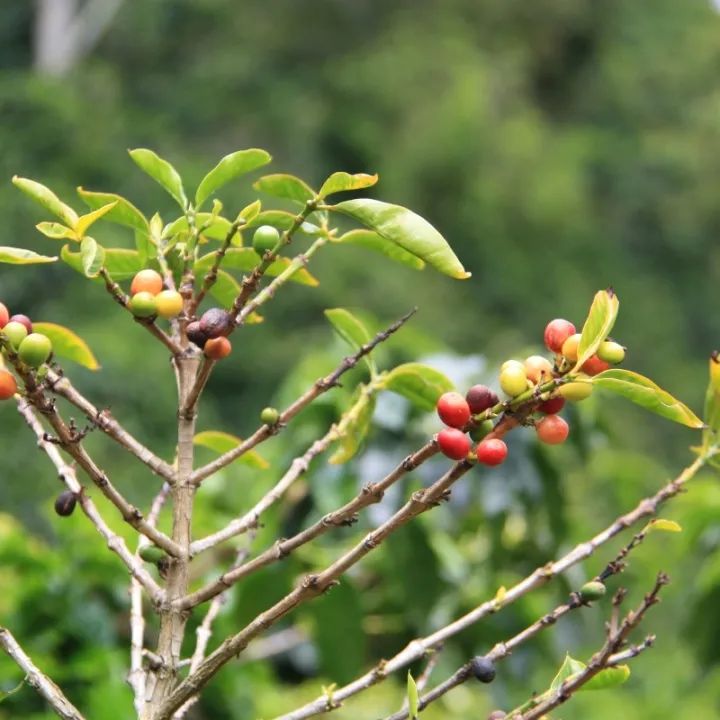
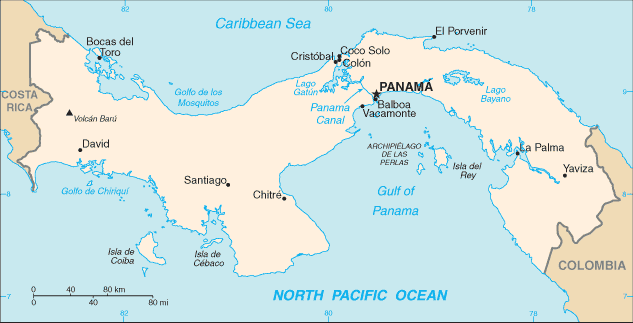
The reason Geisha has been able to shine so brightly in Panama is inseparable from the local terroir. Although Panama is not a large country, its western highlands—specifically the Boquete and Volcán regions—boast exceptionally favorable natural conditions. These areas are located in Chiriquí Province, within the coffee belt’s ideal altitude range, featuring fertile volcanic soil, suitable rainfall, distinct day-night temperature variations, and a wealth of microclimates. Among them, Boquete is situated on the eastern side of the Barú Volcano, at an altitude of about 1000–2000 meters, facing the warm, humid airflow from the Caribbean Sea. Coupled with steep mountain terrain and frequent fog, it creates extremely ideal conditions for coffee cultivation. Volcán, on the other hand, benefits from its proximity to volcanoes, with mineral-rich soil, while being shrouded in clouds, often resulting in coffee with more intense fruitiness and sweetness.
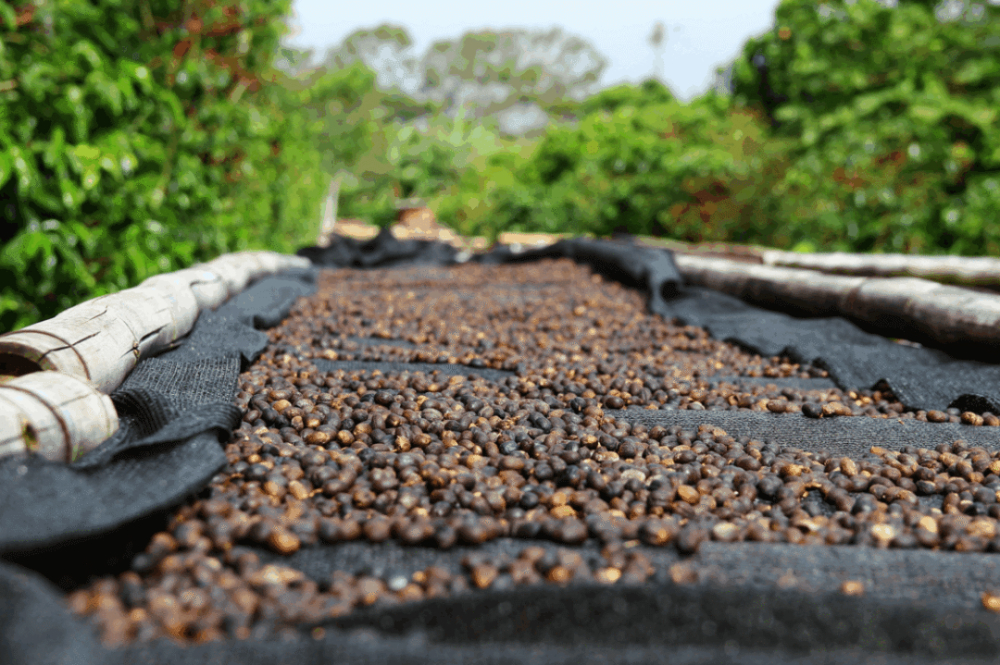
Hacienda La Esmeralda is the key force that brought Geisha to the world stage. Since winning the BOP championship with Geisha in 2004, the estate has implemented strict management and grading for Geisha cultivation. The Peterson family divided the Geisha-growing areas into multiple small plots based on altitude, microclimate, and cupping results, including the well-known Jaramillo, Cañas Verdes, and El Velo. Among them, Jaramillo, with an altitude of over 1650 meters, cool and humid year-round, is regarded as the birthplace of Geisha’s prominence, often yielding beans with extremely high floral complexity. The Cañas Verdes plot, though slightly farther away, also sits at over 1600 meters in altitude, and some smaller sections such as Montaña and Tumaco are also known for their elegant floral and fruity notes.
The commonly seen Hacienda La Esmeralda Geishas on the market are divided into Red Label, Green Label, and Blue Label (now renamed Las Rocas), which are graded based on origin, processing method, and cupping performance. Among them,Red Label Geisha is the highest grade, sourced from the Jaramillo and Cañas Verdes plots, at altitudes of 1600–1800 meters, often scoring over 90 points in cupping, with ultimate floral, citrus, and tropical fruit notes, and is usually released through auctions. Green Label comes from the same high-altitude regions but without designation to specific small plots, often uses washed processing, offers a fresh flavor profile with notes of lemon, berries, and tea-like nuances, and provides relatively higher cost-performance. Blue Label (Las Rocas) typically comes from slightly lower altitudes, still delivers excellent flavor, but with slightly less overall complexity.
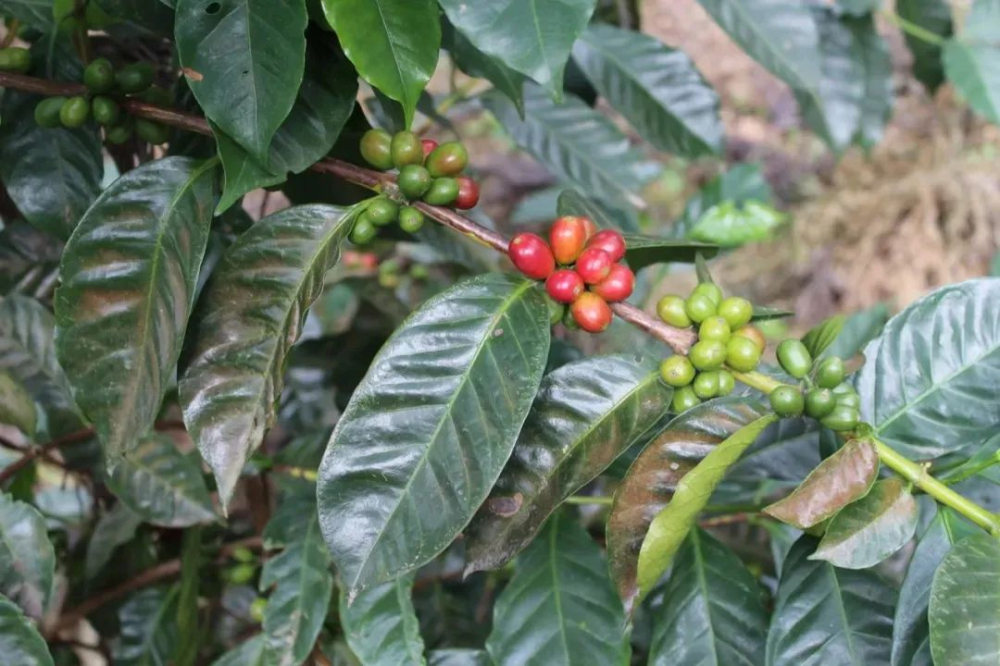
For lightly roasted Red Label Geisha, it is recommended to usea water temperature of 92–93°Canda fine grind with 80% passing rate through a #20 sieveto fully bring out its floral, fruity aromas, and acidity. For pour over, it is suggested to use a V60 dripper—the unique spiral ribs and large holes help control water flow speed and extraction time. In practice, a three-stage extraction can be employed: the first stage involves blooming 30 grams of water for 30 seconds; the second stage pours 120 grams of water to raise the coffee bed; and the final stage uses 90 grams of water to complete the extraction. The total brew ratio is recommended at 1:16, with a total extraction time of about 2 minutes and 10 seconds. These parameters can fully showcase the layered profile and unique flavors of Geisha.
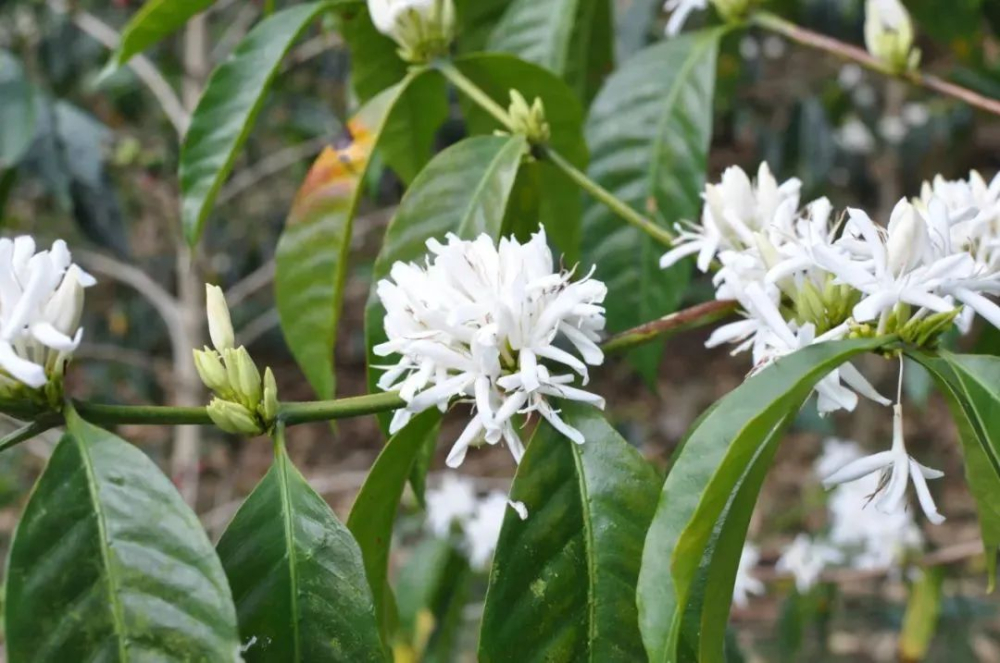
Overall, Panamanian Geisha is not only a standout among coffee varieties but also represents the perfect combination of origin, altitude, and processing techniques. Whether you are a beginner coffee enthusiast or an avid coffee connoisseur, delving into the history, producing regions, and brewing details of this coffee can enrich your tasting experience. With appropriate roasting and pour over methods, you will be able to savor Geisha’s most captivating floral and fruity notes and delicate acidity, experiencing the coffee miracle born from high-altitude misty mountains.
The above content is compiled by CoffeeHunters, a coffee news website.


