







Introduction:Want to learn how to craft an espresso with balanced flavor and rich layers? This article dives deep into the core of crafting Italian-style blends, systematically breaking down five practical steps—from bean selection strategy, roast pairing, to extraction techniques. It not only debunks myths about blend recipes but also offers practical methods for maintaining consistent flavor and achieving long-term sales success, along with classic blend suggestions and espresso extraction parameters. Ideal for coffee enthusiasts and beginners looking to replicate professional-grade flavors at home.
In today’s era of growing specialty coffee popularity, while single-origin coffees are widely loved for their ability to showcase regional characteristics, the importance of Italian-style blend beans (recipe beans) cannot be overlooked. They are not just about “filling” flavor gaps, but also a stage for roasters to demonstrate technique and creativity. From a professional roasting perspective, this article will guide you through the entire process of making Italian-style blend beans, analyzing their stability, flavor potential, and commercial advantages, and providing practical extraction settings so you can brew rich and bold espresso at home.
In recent years, more and more coffee lovers have favored single-origin beans for their ability to fully present the unique flavors of specific regions. Roasters can also fine-tune the roasting curve according to the bean variety's characteristics, allowing the flavors to shine more vividly, and connect with consumers through origin stories. However, this does not mean that recipe beans have lost their value. In fact, the flexibility and consistency of recipe beans are the reasons why many cafés and home users rely on them long term.
Why blend coffee beans? The answer is simple: stability and innovation. On one hand, as an agricultural product, coffee flavors vary slightly each season. Through clever blending, the overall flavor profile can be maintained consistently, meeting customers’ expectations for long-term enjoyment. On the other hand, combining beans from different regions and processing methods often creates complex layers that a single origin cannot achieve—this is not just technique, it’s art.
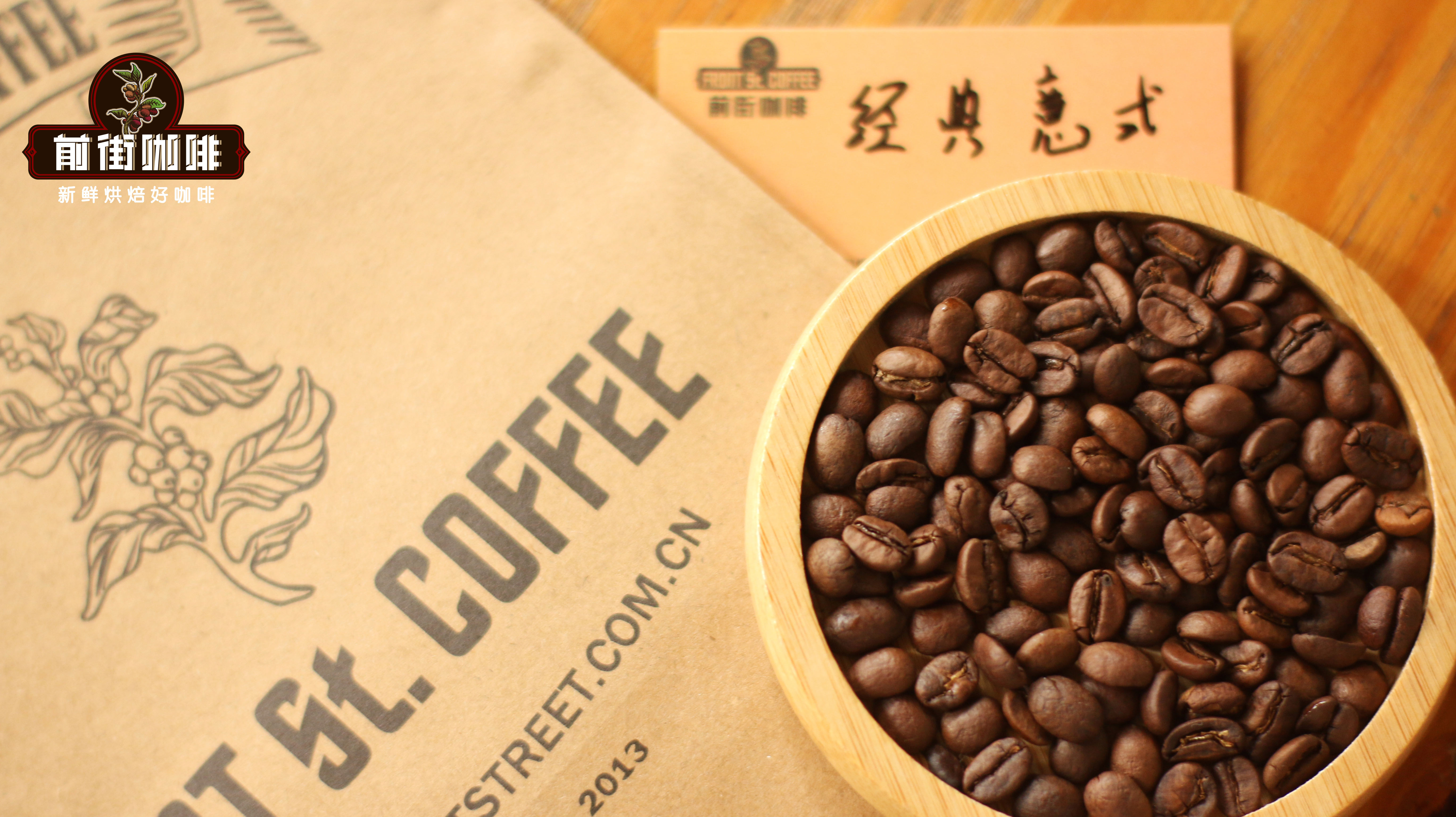
It’s worth noting that successful blends not only balance acidity, sweetness, bitterness, and saltiness, but some recipes can even showcase diverse charms across different brewing methods (such as filter or espresso). But beware—some blends may overpower with a single bean’s dominant note, overshadowing the qualities of other high-quality beans. Therefore, the selection and proportioning are crucial.
So, how can you create a memorable Italian-style blend? Here are five key steps to help you build your own recipe from scratch.
Step 1: Define Your Target Market and Usage Scenario
Before blending, clarify whether your recipe is aimed at home users, cafés, or multi-purpose scenarios. This directly influences the flavor direction and roast level you choose. For example, cafés often use medium-to-dark roasts to pursue rich crema and body, while home users may prefer brighter, more acidic and sweet flavors. It’s recommended to first define your target audience and intended use before proceeding with bean selection and roast planning.
Step 2: Select High-Quality Base Beans
Every bean in a blend should have standalone drinking value, rather than being used to “mask flaws.” Some roasters habitually mix lower-quality beans into blends and cover them up with dark roasts. This approach often leads to dull overall flavors and even disappoints customers. It’s recommended to choose premium green beans with distinct characteristics so the blend’s layers and harmony can naturally emerge.
Step 3: Individual Roasting and Optimizing Roast Levels
Each coffee bean has its optimal roast point—some suit light roasting to preserve acidity and fruity notes, while others require medium-to-dark roasting to bring out caramel and chocolate tones. It’s recommended to roast each bean separately first, then gradually test how different roast levels affect flavor, before finally blending them. This not only preserves each bean’s unique traits but also helps find their best complementary ratios. Remember, don’t simply apply ready-made recipes—each bean’s performance can vary yearly, so repeated testing is key.
Step 4: Record and Adjust
From green bean selection, roast level, to blend ratio, it’s advised to meticulously document every attempt’s parameters and sensory feedback. This not only aids future recipe optimization but also allows for timely adjustments based on yearly seasonal changes. Some classic blends endure because roasters continuously fine-tune them according to market trends and bean conditions, keeping flavors consistently high-quality.

Below are several classic and popular Italian-style blend directions for reference. These recipes mostly focus on balanced richness and are suitable for making espresso or milk-based coffee.
Next, let’s move into the actual extraction phase and explore how to fully unleash the potential of your blend beans using the right parameters.
Practical Espresso Extraction Parameters
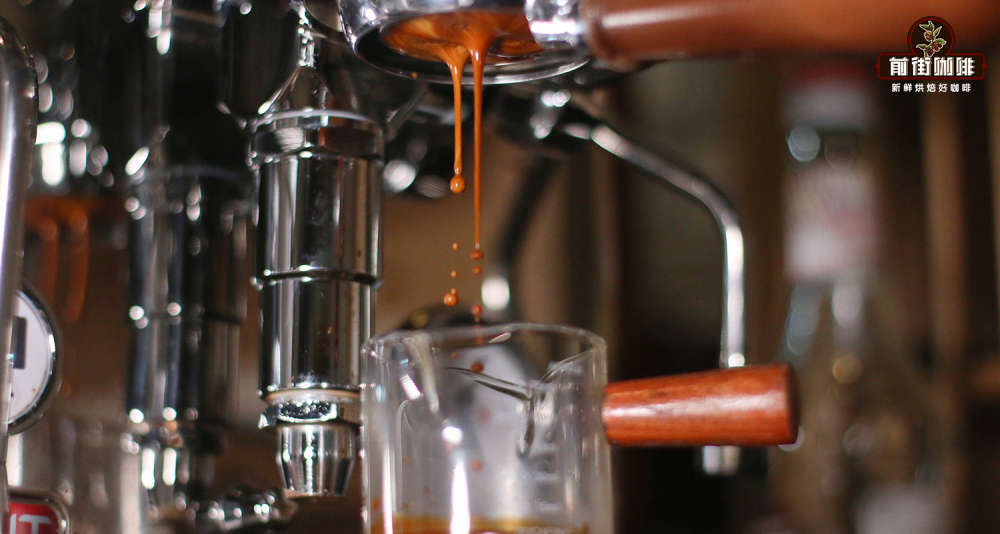
Taking a double-shot basket as an example, it’s recommended to use 20 grams of coffee grounds and aim to extract 40 grams of espresso, with a brew ratio of 1:2. The extraction time should be controlled between 26–32 seconds. Too short may lead to under-extraction and thin flavor; too long may cause over-extraction, resulting in burnt bitterness and astringency. Stable flow rate and moderate grind size are key.
Grind setting can refer to Galileo 2.0 (actual setting adjusted per grinder model). Before extraction, ensure the portafilter is dry, and distribute and tamp the grounds evenly. It’s recommended to pre-wet the filter head with 1–2 seconds of water to help stabilize temperature and avoid channeling. During extraction, place the cup on the scale and zero it, monitoring total weight and time. When reaching 40 grams and the time falls within the ideal range, stop extraction.
Note that environmental humidity, bean freshness, and roast date all affect extraction performance. It’s recommended to fine-tune grind size and dose according to actual conditions to find the optimal balance for your equipment and beans.

The extracted espresso boasts rich crema and layered complexity. On the palate, you may experience notes of caramel, cream, vanilla, and even subtle hints of wine, with a finish often carrying a toffee-like sweetness. For a lighter taste, dilute with water to make an Americano; add the right amount of milk, and it transforms into a smooth and velvety latte, equally excellent in flavor expression.
The above content is compiled by CoffeeHunters, a coffee news website.


