







Introduction:Blended coffee is not simply about mixing beans from different regions, but rather about creating a balanced and consistent coffee experience through precise ratios and roasting techniques. This article delves into the design logic behind coffee blends, explores why most blends are crafted specifically for espresso, and provides a detailed introduction to the formulations, prices, and flavor profiles of four medium-dark roasted espresso blends, helping readers find the beans that best suit their needs.
The essence of blended coffee lies in the blender’s deep understanding of the flavors of various coffee beans. By combining two or more different varieties, origins, or even roast levels in specific proportions, the goal is to achieve complementary flavors and overall balance. This is not a random combination, but a carefully designed process aimed at delivering a richer and more stable flavor profile in the final cup.
Many people pursue the unique regional characteristics showcased by single-origin beans, believing that single-origin coffee is the only true representation of specialty coffee. However, the definition of specialty coffee is not limited to single-origin or blends. As long as the coffee beans score 80 or above on the SCA evaluation scale and are professionally roasted and brewed, both single-origin and blends can deliver high-quality flavor performance.
The process of blending coffee is akin to a colorist mixing the tones of a painting. It requires a profound understanding of each bean’s characteristics and the use of experience and scientific methods to create an ideal flavor combination. This is not just a technique, but an art form that demands long-term accumulation and constant experimentation.
A certain coffee brand has launched four medium-dark roasted espresso blends, each tailored to the needs of different consumer groups, including flavor profiles, cost considerations, and usage scenarios. These blends not only showcase the blender’s expertise but also offer a variety of choices, allowing consumers to select the beans that best match their preferences.
The top recommendation, the “Sunflower Warmth Espresso Blend,” combines 30% Ethiopian sundried Red Cherry beans with 70% Honduran Sherry Cask beans. It delivers rich notes of wine aroma, vanilla cream, fruity acidity, and roasted nuts, making it ideal for coffee lovers who enjoy complex layers of flavor.Recommended retail price: 79 RMB / 227gIt is a blend with a distinctly vibrant flavor profile.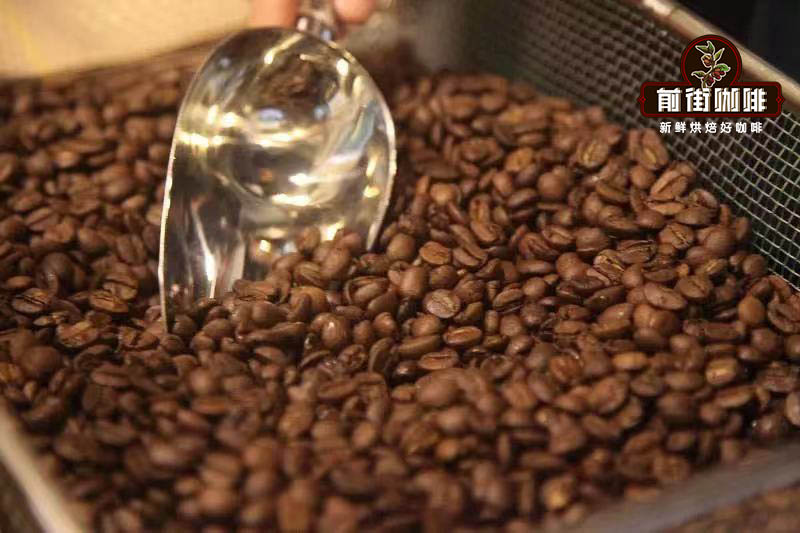
The “Premium Espresso Blend” uses 30% Colombian washed beans and 70% Brazilian semi-washed beans. Its ratio is designed to prioritize stable output, with flavors mainly consisting of nuts, dark chocolate, and caramel—making it highly suitable for daily use in coffee shops.Price: 75 RMB / 454gIt offers outstanding cost-performance.
For customers with business needs, the “Commercial Espresso Blend” consists of 10% Robusta washed beans, 30% Colombian washed beans, and 60% Brazilian semi-washed beans. Its flavor focuses on nuts, cocoa, and caramel.Price: 60 RMB / 454gIt provides a stable and cost-effective option.
Lastly, the “Basic Espresso Blend” combines 30% Yunnan washed small-bean beans with 70% Brazilian semi-washed beans. It offers a mild flavor with fruity acidity, caramel, and nutty notes.Price: 50 RMB / 454gIt is very suitable for users with limited budgets or more basic flavor requirements, making it an ideal choice for both home and commercial use.
All four blends are produced using the “post-roast blending” method, meaning each bean type is roasted individually to its optimal state before being mixed according to precisely tested ratios. This approach not only allows for more accurate control over each bean’s roasting curve but also enables fine adjustments based on the different weight loss rates of the beans, ensuring consistent and stable final flavors. All coffee beans are shipped within 5 days of roasting to guarantee that consumers enjoy the freshest possible flavor.
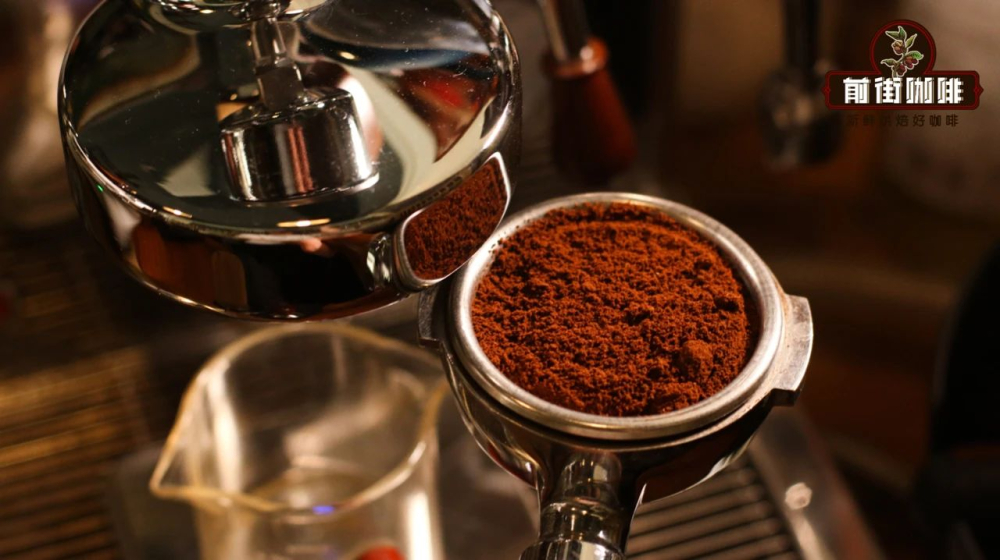
Why are most blends designed for espresso? This is because espresso machines extract highly concentrated coffee under high pressure and temperature, using extremely fine grinds and a 1:2 coffee-to-water ratio. This process concentrates all the flavor characteristics of the coffee. If a single-origin bean has flavor flaws, they may be amplified under these conditions—such as sharp acidity or undesirable off-flavors. Blending, however, can balance these potential issues through the complementary nature of different beans, resulting in a smoother and more layered shot of espresso.
For example, a certain coffee brand often uses Brazilian Cerrado region Red Bourbon as a base, providing a rich profile of nuts and chocolate, then pairs it with beans from other regions to add acidity or sweetness, forming a complete flavor profile. The brand’s Sunflower Warmth blend, for instance, originally used only Sherry Cask beans, which resulted in a somewhat flat flavor. By adding sundried Red Cherry beans, the acidity layer was enhanced, making the overall profile more vibrant.
As for whether blended coffee is suitable for pour over? The answer is yes, but it’s important to note that most blends are roasted to medium-dark or darker levels to meet the high concentration demands of espresso. If used for pour over, it is recommended to use a medium-coarse grind and lower water temperature to avoid over-extraction, which can lead to bitterness, and to bring out the beans’ sweetness and body.
The above content is compiled by CoffeeHunters, a coffee news website.


