







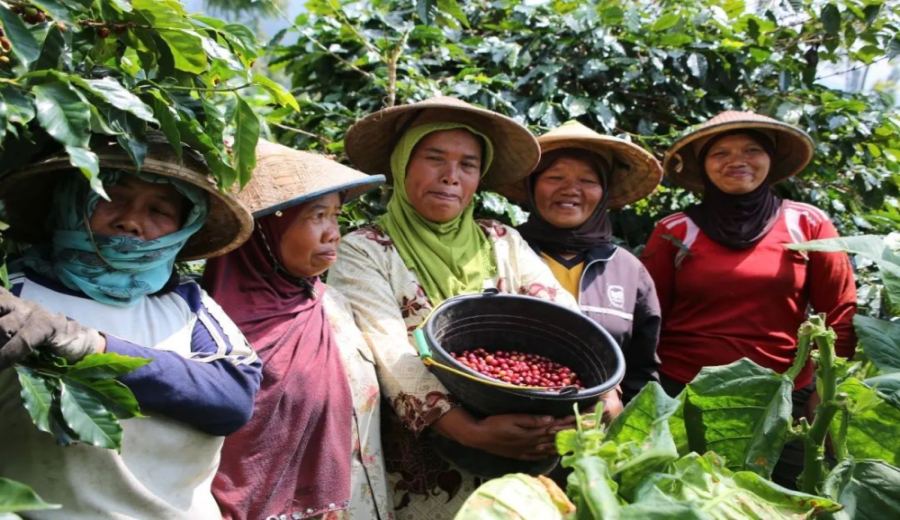
Introduction:Sumatra Mandheling coffee is renowned for its bold, full-bodied profile, low acidity, and unique spicy-herbal aroma, making it a classic must-try for many coffee enthusiasts. This article delves into the origins of the name "Mandheling," its key producing regions such as Lintong, Lake Toba, and Lake Takengon, and explains how Indonesia’s unique wet-hulling process shapes its distinctive flavor profile. It also provides practical pour-over brewing recommendations and parameters to help you understand this classic coffee from origin to cup.
Among Asia’s coffee-growing regions, Sumatra Mandheling coffee from Indonesia stands out with high recognizability. Notably, "Mandheling" is not the official name of any specific producing area but originates from the pronunciation of the Mandailing ethnic group in northwestern Sumatra. It is said that during World War II, a Japanese soldier tasted an exceptionally rich cup of coffee at a café and asked the owner for the coffee’s name. The owner, misunderstanding the question as being about his origin, replied "Mandailing." After the war, this term gradually evolved into a synonym for Sumatran Arabica coffee.
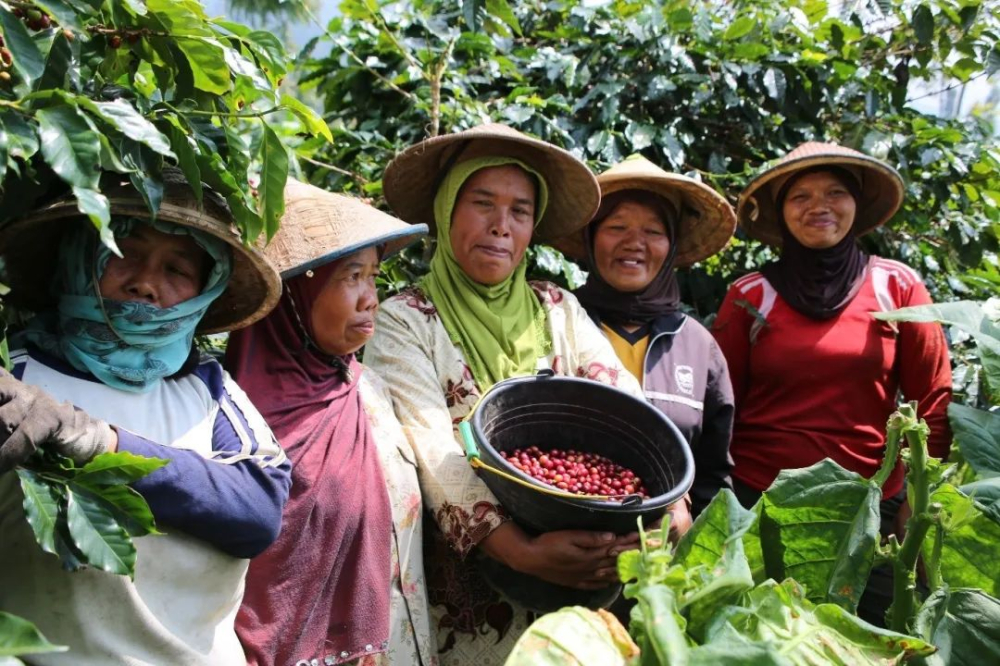
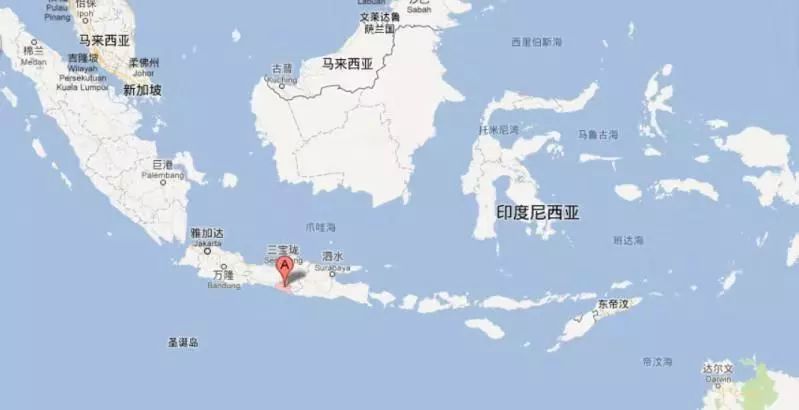
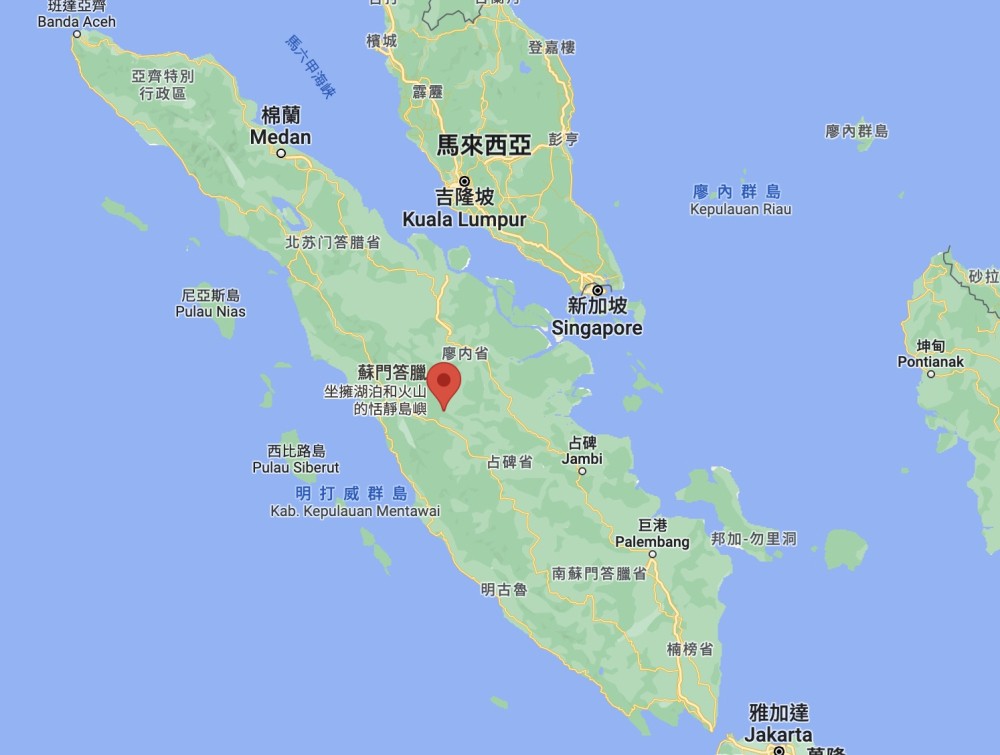
Sumatra is a major coffee-producing island in Indonesia. As the world’s largest archipelagic nation—with Jakarta as its capital and borders shared with Malaysia, East Timor, and others—Indonesia first saw Arabica coffee seedlings introduced by the Dutch in the late 17th century. Initial successful trials were conducted on Java Island, later expanding to Sumatra and Sulawesi. However, the devastating coffee leaf rust epidemic of 1877 nearly wiped out local Arabica cultivation, forcing farmers to switch to the more disease-resistant Robusta. To this day, around 90% of Indonesia’s coffee remains Robusta, while Sumatran Mandheling stands as one of the few refined Arabica representatives.
Indonesia generally features a tropical rainforest climate, with year-round temperatures ranging between 25–27°C and annual rainfall of approximately 1600–2200 mm, much of which is distributed across volcanic soil regions. These conditions provide abundant minerals and well-drained environments ideal for coffee growth. Typical cultivation altitudes range from 900 to 2100 meters, with the optimal height around 1200 meters. Indonesia has two coffee harvest seasons per year: the main season from September to October and the secondary season from May to June. Due to climatic and yield factors, export volumes for the current season have increased.
Prominent Sumatran producing regions include Lintong, Lake Toba, Lake Takengon, and Gayo Mountains in Aceh. The so-called "Two Lakes, Two Mandhelings" refer to Mandheling coffees produced in Lake Takengon and Lake Toba. Lintong, located north of Medan—the provincial capital of North Sumatra—is one of the most prestigious Mandheling-producing areas in the Lake Toba region. Its coffee is celebrated for its bold, full-bodied taste and unique spicy aroma. A well-known coffee brand’s Lintong Mandheling, which retains the essence of Sumatran flavors, is regarded as a high-value entry-level option, suitable for consumers eager to experience Indonesian coffee characteristics.
The Gayo Mountains region in Aceh is situated in northern Sumatra, primarily around Takegon Town and the slopes near Lake Takengon, at elevations of approximately 1110 to 1600 meters. Coffee here is mostly grown by smallholder farmers under shade trees and processed using the wet-hulled method, resulting in a deep yet vibrant full-bodied flavor. Due to long-term political instability in the Aceh region, fewer outsiders visit, but the Gayo coffee produced here is hailed as green or organic coffee because local farmers generally avoid chemical fertilizers, making it one of the representatives of sustainable coffee.
Lake Toba is Indonesia’s largest volcanic lake, located in North Sumatra Province at an elevation of about 900 meters. With a surface area spanning 1130 square kilometers and surrounding mountains rising between 1100 to 1600 meters, it is home to well-known Mandheling-producing areas like Lintong. Legend has it that Dutch colonists transplanted "Java Mandheling" here in 1888, making the region one of the important birthplaces of Mandheling coffee. Lake Takengon, located in the central part of the Aceh Special Region, is much smaller than Lake Toba, but in recent years, both the quality and production of its coffee have significantly improved, making it a new favorite among discerning drinkers.
The unique flavors of Indonesian coffee are inseparable from its distinctive "wet-hulling" processing method. Also known as Giling Basah, meaning "wet hulling," this approach differs greatly from the common washed process. Due to Sumatra’s perpetually humid climate, sun drying can easily lead to over-fermentation or mold growth, while the washed method requires substantial clean water and equipment. Local farmers thus developed this processing method that balances efficiency with unique flavor characteristics.
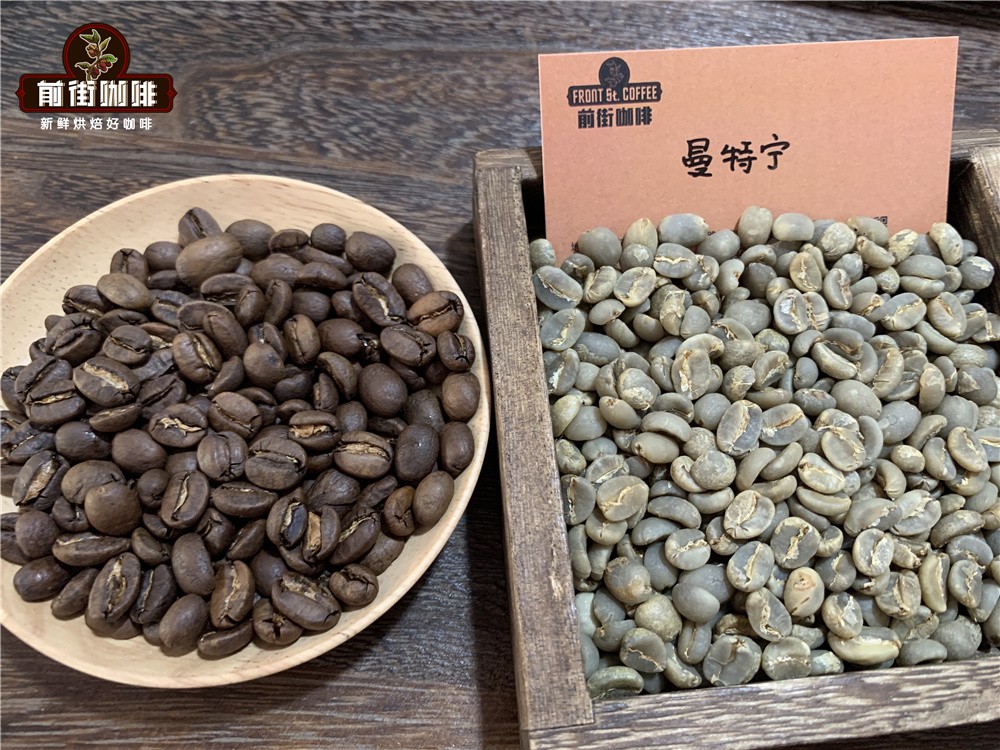
In the wet-hulling process, after the coffee fruit’s skin and pulp are removed, the mucilage-covered parchment beans undergo brief fermentation—some processors even skip fermentation and proceed directly to short sun drying. Because of the humid weather, parchment beans take longer to dry, but prolonged high humidity can cause quality issues. Therefore, farmers often remove the parchment layer early, exposing the green beans directly to sunlight, significantly shortening the drying time. However, the friction between the beans and machinery during parchment removal generates high heat, often resulting in irregular bean shapes—such as the commonly seen "elephant foot." This is not a defect but a typical feature of this process. Some coffee enthusiasts even believe that the more "imperfect" the appearance of Mandheling, the better its flavor.
When it comes to premium Mandheling, "Golden Mandheling" cannot be overlooked. Selected rigorously by PWN Company, these beans are chosen only if they are 18 mesh size or larger and contain fewer than three defects per 300 grams. They undergo three rounds of manual sorting to ensure no defects interfere, delivering exceptional cleanliness and sweetness. A certain well-known coffee brand’s Golden Mandheling is sourced from this high-standard supply chain. To preserve Mandheling’s signature bold character, the brand typically uses medium-dark roasting to balance flavor and aroma expression.
For brewing recommendations, the Kono filter cone—with its short bottom ribs and snug fit against the filter paper—effectively slows the flow rate, enhancing extraction yield and body. It is highly suitable for bold-flavored coffees like Mandheling. Recommended parameters are as follows: water temperature 88°C, coffee dose 15 grams, coffee-to-water ratio 1:15, grind size medium-coarse (approximately 75% passing through a Chinese standard No. 20 sieve). Use a pulse pouring method: start with a 30-second bloom using twice the coffee dose (around 30 grams) to release CO₂, then pour in small streams to reach 125 grams, followed by additional pouring to 225 grams before stopping. Total brew time should be controlled around 2 minutes. After dripping finishes, remove the filter and swirl before drinking.
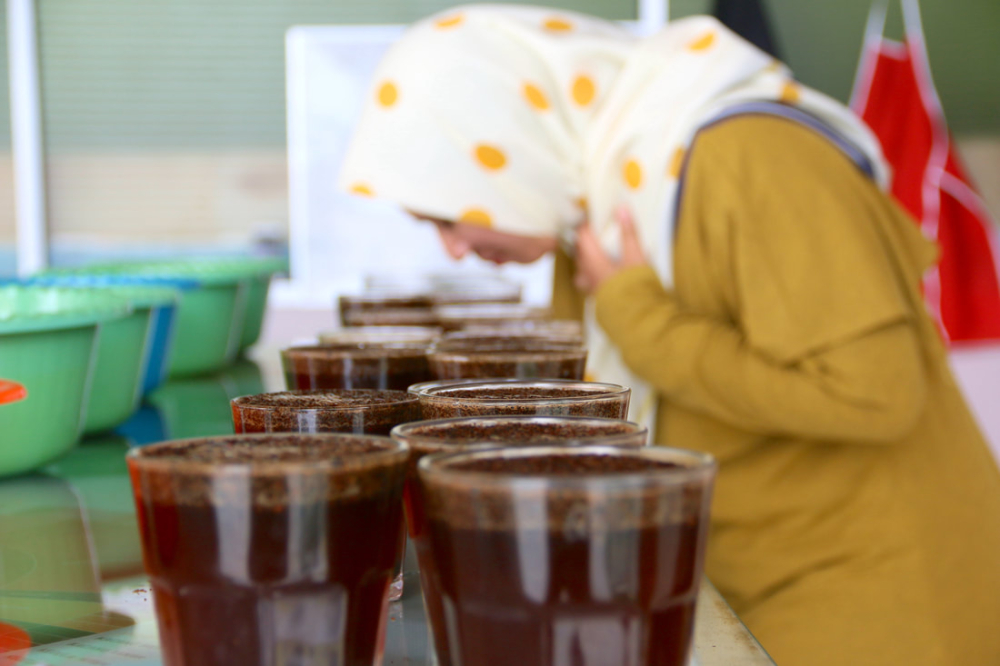
A well-known coffee brand’s Lintong Mandheling often showcases a balanced flavor profile of herbs, chocolate, and caramel, making it suitable for everyday enjoyment. In contrast, Golden Mandheling presents a richer array of notes including nuts, spices, herbs, licorice, and multiple layers of sweetness. It is important to note that coffee bean freshness greatly impacts flavor. It is recommended to choose products shipped within five days post-roast and consume them within 4 to 7 days of receipt for optimal flavor. If opting for pre-ground coffee, though it eliminates the aging period, use it immediately to avoid oxidation affecting aroma. Therefore, whole beans ground just before brewing are more recommended to fully experience authentic Sumatran character.
The above content is compiled by CoffeeHunters, a coffee news website.


