







Introduction:Explore Sumatra’s most iconic Golden Mandheling, delving into its background as a meticulously selected product of PWN, its unique wet-hulled processing method, and the geographical environment that contributes to its distinctive flavors. This article provides an in-depth look at Golden Mandheling’s grading system, regional characteristics, and offers practical medium-dark roast pour over parameters, allowing you to brew a rich, clean cup with distinct layers of spice and chocolate at home.
Mandheling coffee is one of Indonesia’s representative specialty coffees, and among them, Golden Mandheling launched by PWN is regarded as the pinnacle of Indonesian coffee. This article will take you through a comprehensive analysis of this highly acclaimed coffee bean—from its origin and processing method to brewing parameters—to help you gain a deeper understanding of its unique aroma and flavor profile.
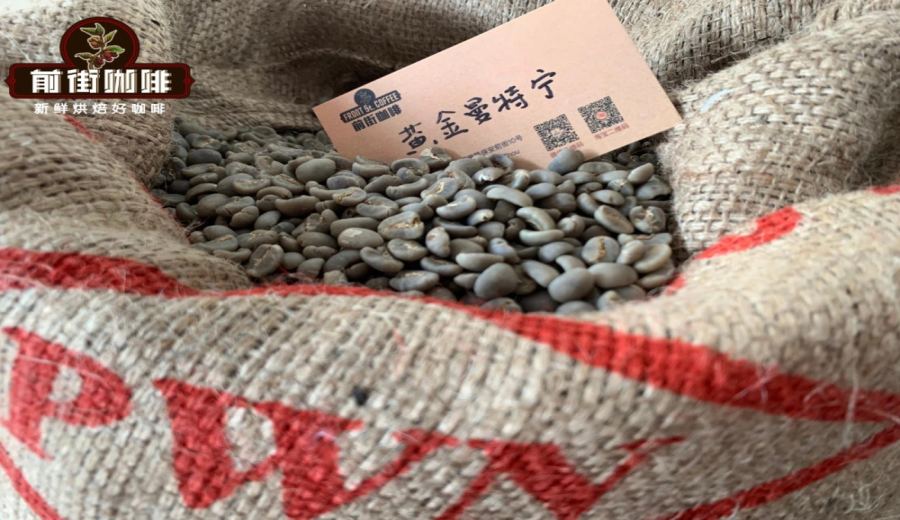
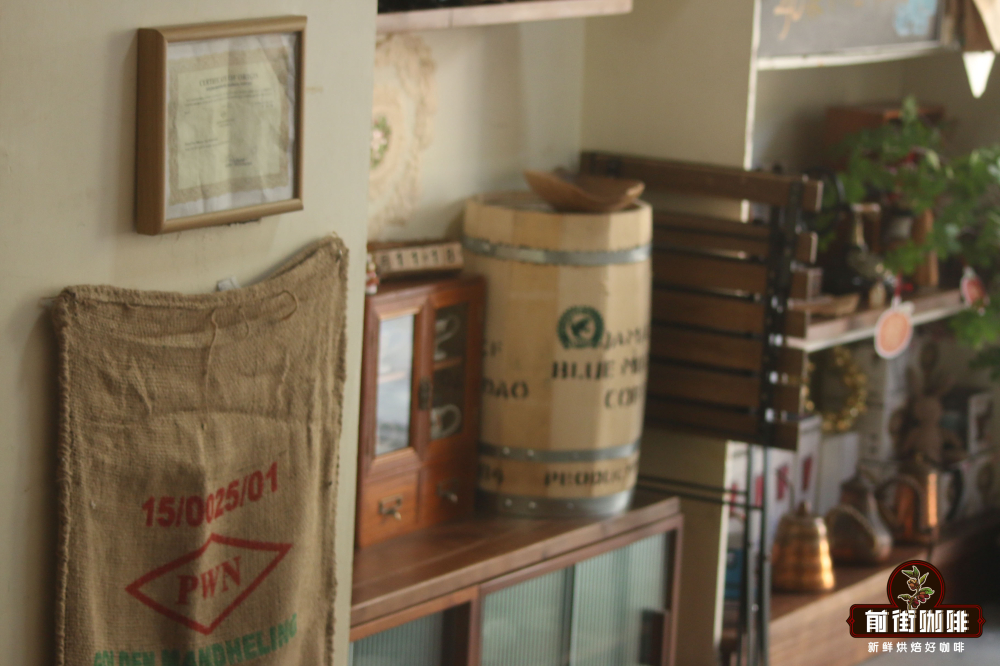
Golden Mandheling is an exclusive brand of PWN, and its name “Golden Mandheling” has been registered as a trademark, meaning only beans produced by PWN can be called authentic Golden Mandheling. To identify genuine beans, check if the green coffee sack displays the PWN logo and comes with official origin certification documents—this information is typically available at brand stores or authorized suppliers.
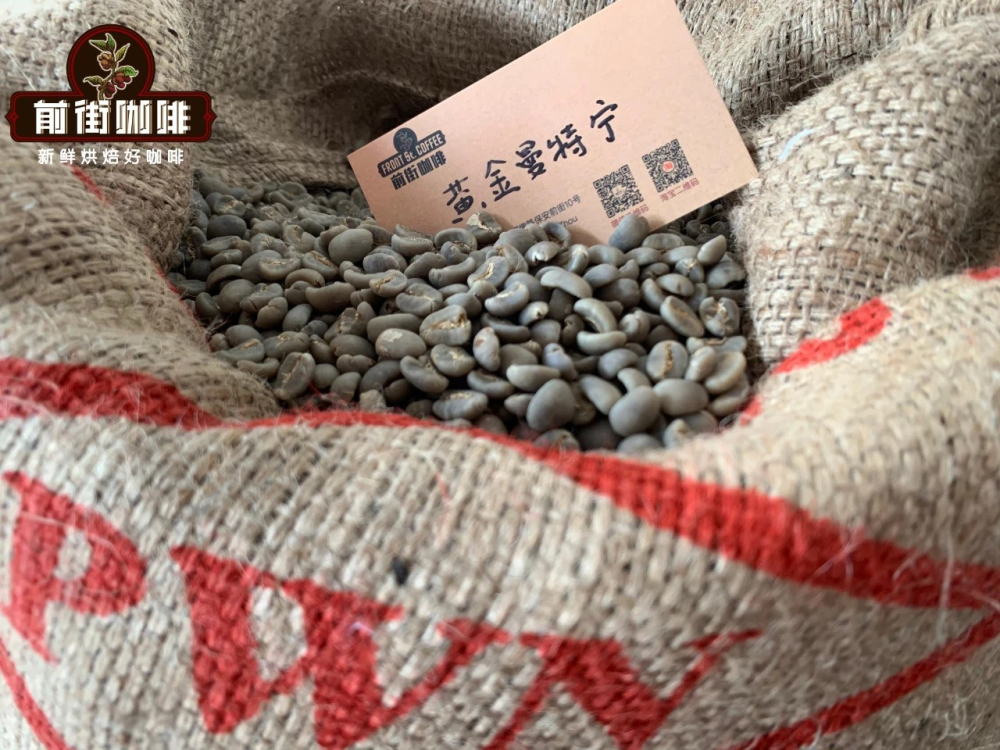
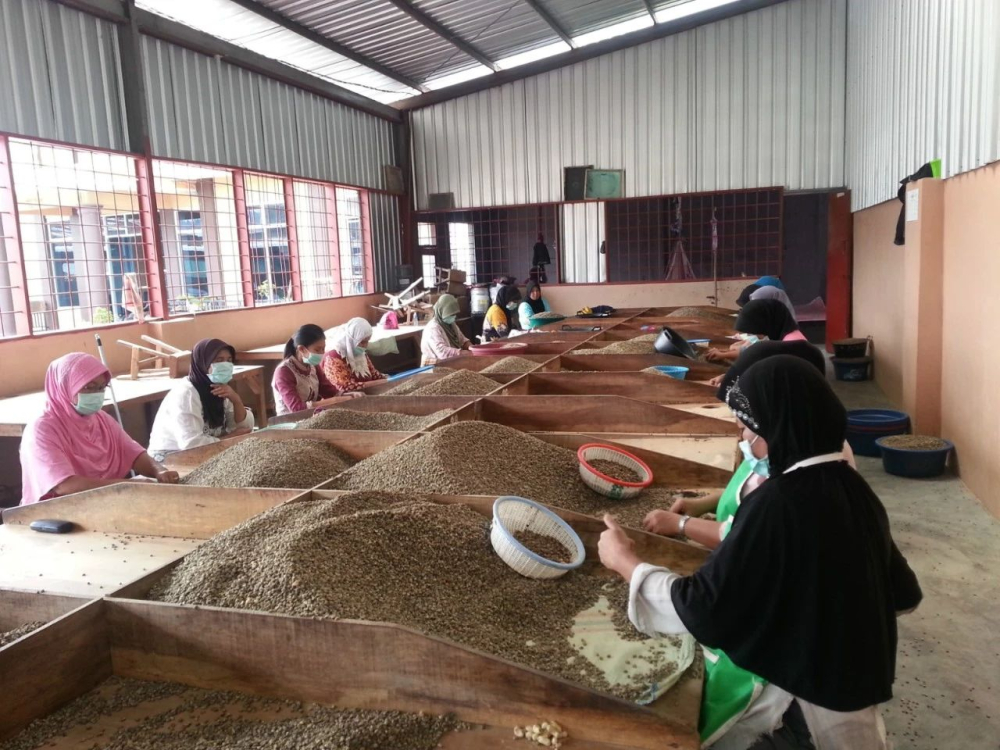
Golden Mandheling belongs to Indonesia’s highest-grade green coffee, G1, but PWN further raises its selection standards. In addition to meeting the strict G1 requirement of no more than 11 defective beans per 300 grams, PWN performs three rounds of manual hand sorting to significantly reduce defect rates and enhance overall cleanliness and sweetness. Furthermore, before packaging, the green beans undergo machine sorting to ensure uniform bean size and vibrant color—key factors contributing to the consistent quality of Golden Mandheling.
Indonesia’s coffee grading system is primarily based on the number of defective beans, supplemented by bean size. Generally, G1 is the highest grade, requiring samples to have minimal defective beans, no live insects, mold, or off-flavors, with moisture content controlled below 12.5% and impurity levels under 0.5%. G1-grade Mandheling from the Lintong region often employs the wet-hulled process, showcasing intense black chocolate, nutty, and herbal notes—a classic Sumatran flavor profile.
When talking about Mandheling, one cannot overlook Sumatra, a tropical island full of mystique. Although Sumatra comprises eight provinces, large-scale Arabica coffee cultivation is mainly concentrated in the high-altitude regions of Aceh and North Sumatra. These areas are perennially shrouded in mist and boast a humid climate, providing an ideal growing environment for coffee trees. Particularly around Lake Tawar and Lake Toba, within volcanic soil zones such as the Gayo Mountains, not only is the altitude suitable, but some areas also practice organic farming, yielding coffee with rich and complex flavors.
The unique flavor of Mandheling is inseparable from its use of the wet-hulled processing method. This semi-washed process, compared to traditional washed methods, significantly shortens processing time—usually completed within just a few days. The steps include removing the skin and pulp, followed by brief fermentation, then sun drying until the beans reach a semi-dry state, after which the parchment layer is removed, and drying continues until the moisture content reaches approximately 12%, before grading and packaging.
However, Sumatra’s tropical rainforest climate maintains humidity levels between 70% to 90% year-round. This high-humidity environment can easily cause green beans to mold or absorb moisture. To tackle this challenge, local coffee farmers developed the wet-hulled process, which removes the parchment layer early to accelerate moisture evaporation. But if not properly controlled, this method may also introduce muted aromas of woody, herbal, or spicy notes—becoming a distinctive trait of Sumatran Mandheling.
To highlight Mandheling’s body and layered complexity, many roasters opt for a medium-dark roast. This level effectively suppresses excessive acidity while bringing out caramel, nutty, and dark chocolate aromas, while retaining moderate sweetness and aftertaste. In cupping, Golden Mandheling often exhibits complex fragrances of spices, pine, and herbs, paired with a strong core of caramel and nuts, and a sweet fruity note in the finish—all contributing to a balanced and clean overall profile.
If you’d like to brew a medium-dark roasted Golden Mandheling at home using pour over, here are the recommended parameters based on practical testing: it is suggested to use a Kono filter, with water temperature controlled at87~88℃, coffee dose around15 grams, and a brew ratio set at1:15, grind size can be adjusted to20-mesh sieve passing rate of 70~75%, close to medium-fine grind but slightly coarser to help manage off-flavors.
In terms of specific steps, start with30 grams of water for a 30-second bloom, then pour water in small circular motions. When the total water volume reaches125 grams, perform the first pour break, and when the water level drops to just about to expose the coffee bed, continue pouring until225 grams, then stop, and finally wait for the water level to drop again and nearly expose the coffee bed before removing the filter. The total extraction time should be kept around2 minutes, helping to fully develop the flavor layers while avoiding over-extraction that could lead to astringency.
The above content is compiled by CoffeeHunters, a coffee news website.


