







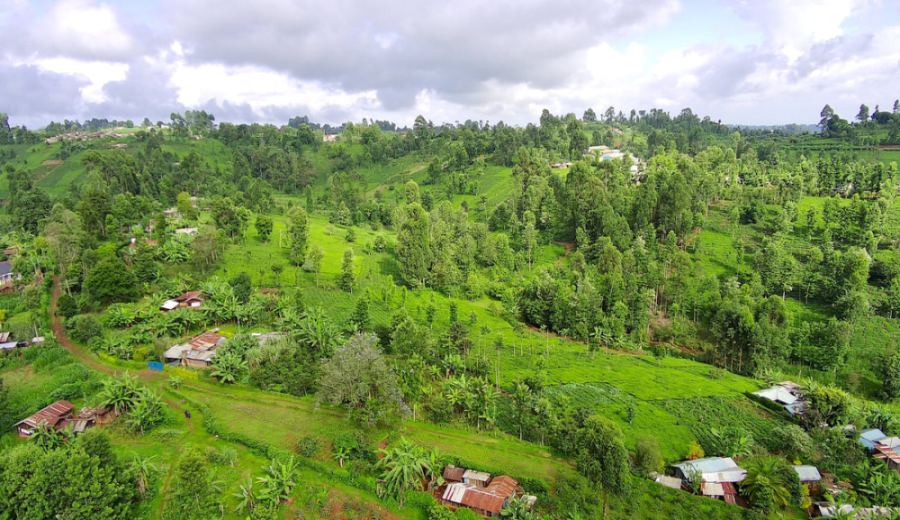
Introduction:Kenyan coffee is renowned worldwide for its distinctive berry-like acidity and clear structure, making it a must-try bean variety for many pour-over enthusiasts. This article delves into the geography of Kenya’s coffee-growing regions, the origins of the classic SL28 and SL34 varieties, the characteristics of the K72 washed processing method, and how to adjust roasting and pour-over parameters according to the beans’ traits—guiding you through the key techniques to go from green beans to a bright, sweet-and-sour Kenyan cup.
Kenyan coffee stands out in the global specialty coffee market with its vivid berry acidity and firm body. Want to learn how to bring out the charming sweet notes reminiscent of cherry tomatoes and the bright acidity akin to dark plums through roasting and brewing? This article starts with Kenya’s geographical environment and major producing regions, introduces you to classic Arabica varieties such as SL28 and SL34 that profoundly influence flavor, analyzes the unique K72 washed processing method and the bean grading system, and finally offers specific pour-over recommendations for light-roast Kenyan beans—helping you consistently extract balanced and layered flavors.
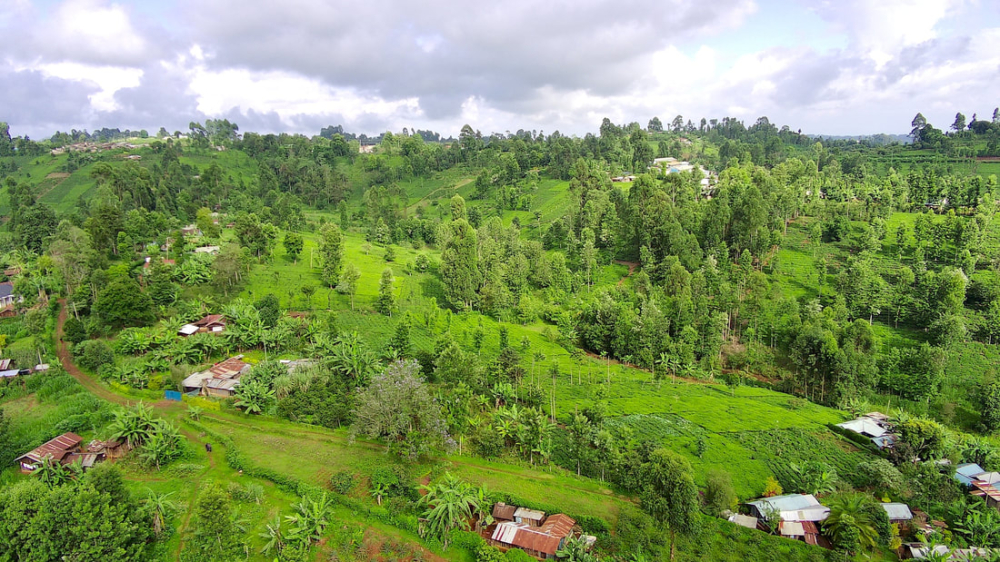 Located in East Africa, Kenya is bisected by the equator, and its terrain is predominantly highland, with an average altitude of around 1,500 meters, creating a cool microclimate ideal for coffee cultivation. The country features diverse climates: coastal areas are hot and humid, while the highlands enjoy mild and stable conditions, with some high-altitude mountainous regions even seeing occasional snowfall. The annual average temperature ranges between 12°C and 26°C, and rainfall is concentrated during the rainy season, providing a stable water supply for coffee trees. Highland areas surrounding Mount Kenya and the Aberdare Mountains, with elevations of 1,300 to 2,000 meters and temperatures between 15°C and 24°C, receive about 900 to 1,200 millimeters of rain annually—making them ideal growing zones for Arabica coffee. Coffee cultivation in this region dates back to the early 20th century, with varieties initially introduced from neighboring Ethiopia and later localized through selection and improvement, resulting in the unique character of Kenyan coffee.
 When it comes to representative figures in Kenyan coffee varieties, the Scott Laboratories (SL) stand out. In the 1930s, the lab was dedicated to breeding disease-resistant, high-flavor coffee varieties, eventually successfully developing SL28 and SL34. These two varieties are known for their intense berry acidity and complex layered profiles, and can even be found in some top-tier farms in Central America. In fact, the winning bean at the Costa Rica COE competition two years ago also used SL28 paired with Geisha. Additionally, to combat diseases like leaf rust, Kenya has introduced the Ruiru11 variety. Although officially certified, some cupping feedback points out its weaker sweetness-acidity balance and susceptibility to off-flavors—highlighting how variety selection significantly impacts final flavor. Thus, understanding the background of the variety is the first step in interpreting the flavor profile of Kenyan coffee.
Another hallmark of Kenyan coffee is its iconic K72 washed processing method. Compared to traditional washing, which ferments for only 24 to 48 hours, Kenya employs a more meticulous three-stage fermentation process: first, a 24-hour washed fermentation to remove the mucilage; then, transfer to a clean water tank for another 24-hour fermentation; and finally, a third 24-hour fermentation—totaling 72 hours. This long, intensive fermentation process effectively stabilizes quality and imparts a brighter, clearer acidity and clean sweetness to the coffee, making it a key craft that helps Kenyan coffee stand out among many producing regions.
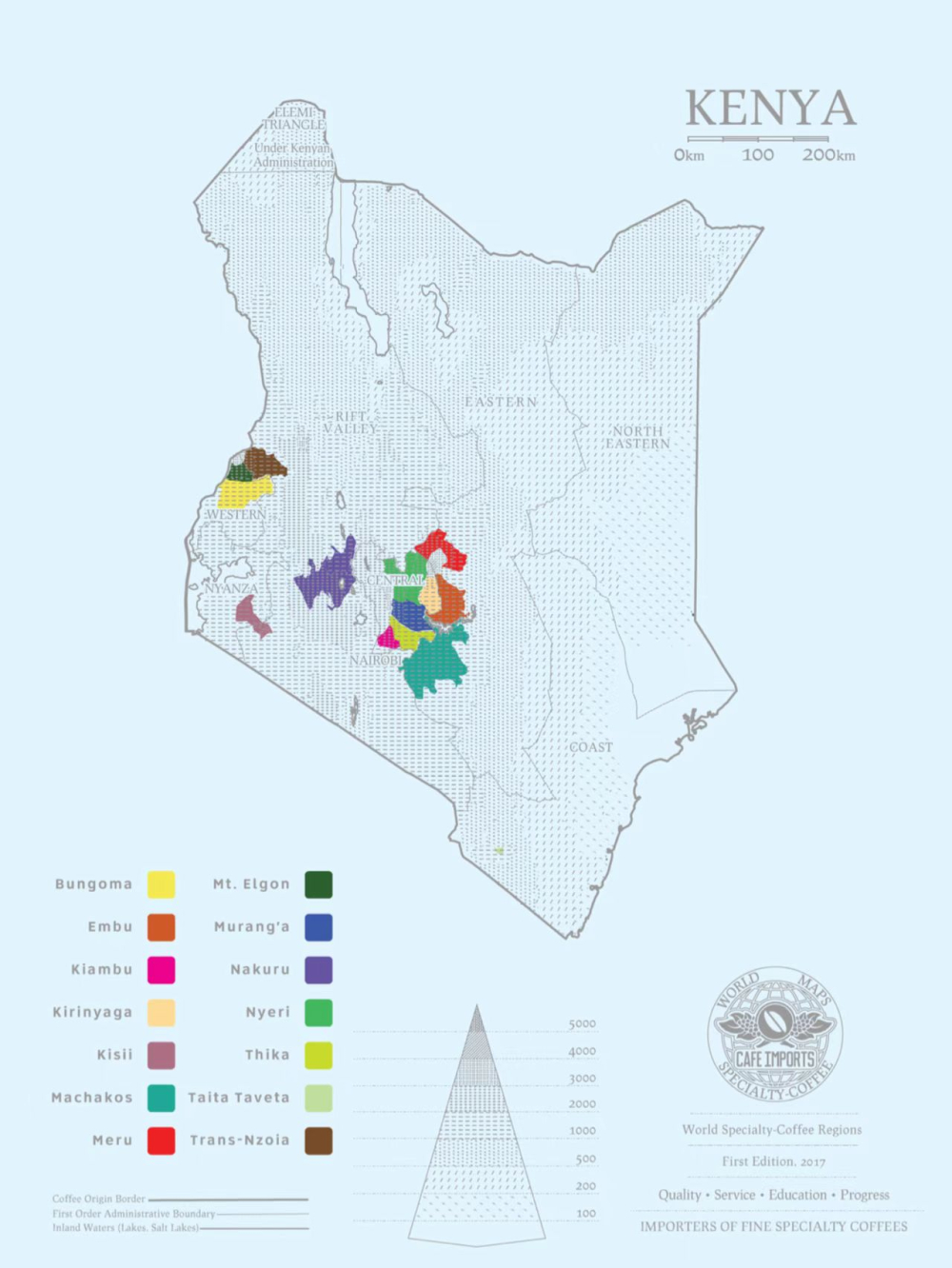
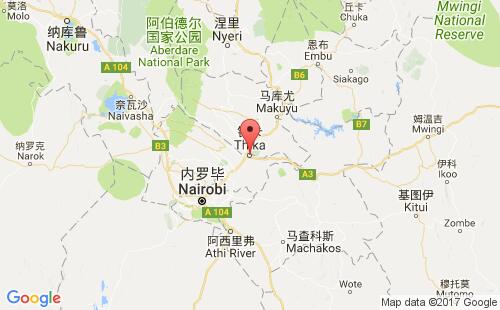
Kenya’s coffee grading system is primarily based on bean size, with Grade AA being the highest, featuring the largest beans and the most uniform appearance—typically possessing the best flavor potential. Grade AB is slightly smaller but still maintains a considerable standard. This physical-size-based grading ensures a certain level of quality consistency even within the same producing region. Although different regions such as Nyeri, Kirinyaga, or Kiambu each have subtle flavor differences, overall, Kenyan coffee generally exhibits a combination of bright acidity, cherry tomato sweetness, and berry-toned notes—becoming a highly recognizable flavor trait.
 Once we gain a deeper understanding of the characteristics of Kenyan green coffee beans, we can further plan roasting and pour-over strategies based on their high altitude, hard bean texture, and excellent processing traits—fully showcasing their unique flavors.
Roasting Recommendations:Taking Kenyan Assaliya as an example, it is recommended to use a light roast to preserve the bean’s inherent bright acidity and rich berry-toned characteristics. Over-roasting can suppress the flexibility of Kenyan beans, making the acidity dull. Moreover, since Kenyan beans are high-density hard beans, attention should be paid during grinding to avoid generating too much fine powder. It is recommended to use a high-quality grinder or pair it with a sieve tool to ensure that the20-mesh standard sieve passing rate is controlled at around 75%, ensuring smooth water flow and avoiding uneven extraction or clogging during pour-over.
Water Temperature & Coffee-to-Water Ratio:To bring out the cherry tomato sweetness and bright acidity of Kenyan beans,it is recommended to use a water temperature of 93°C—this temperature balances the expression of acidity and sweetness, avoiding over-extraction or under-extraction.The recommended coffee-to-water ratio is 1:16, which allows the coffee’s flavor layers to be distinct. Even when extended to 16 times concentration, it still maintains a soft and smooth mouthfeel. The bright dark plum acidity and cherry tomato sweetness are especially well-balanced at this ratio, offering a refreshing taste with a lingering finish.
Coffee Amount & Pouring Technique:If using a small V60 filter, it is recommended to start with a coffee dose of15 grams; for a large filter, it can be increased to25 grams. When pouring, care should be taken to control the thickness of the coffee bed, avoiding channeling at the edges or clogging at the bottom. It is suggested to first pour30ml of water for a 30-second bloomto awaken the coffee grounds; the second pour involves120ml of water, poured slowly in a circular motion from the center outward, gradually converging toward the center as a golden foam forms on the surface—by this time, the coffee bed height should drop to about half at the short ribs position; the third pour involves adding90ml of water, pouring in small coin-sized circles, and stopping once all the coffee liquid has dripped through. The total extraction time should be controlled to around2 minutes (allowing a 10-second margin). This technique helps achieve even extraction, presenting the most captivating sweetness-acidity balance and layered profile of Kenyan coffee.
The above content is compiled by CoffeeHunters, a coffee news website.


