







Introduction:Want to brew a distinctive espresso using single-origin (SOE) coffee beans? This article takes the Sidra SOE from Colombia's La Línea Estate as an example, detailing the golden extraction parameters of 20g coffee grounds yielding 40g liquid in about 27 seconds, and analyzing how light roasting affects espresso performance. From straight espresso to lattes and flat whites, it provides a complete brewing guide and tested flavor notes to help you dial in your ideal taste.
In the specialty coffee scene, more and more baristas and coffee enthusiasts are experimenting with single-origin (SOE) beans for espresso instead of traditional blends. This not only highlights the unique terroir and processing characteristics of the origin, but also makes each sip more recognizable. One coffee shop shared a complete brewing guide for espresso and milk-based drinks using the Sidra (Sidra) SOE from Colombia’s La Línea Estate, including recommended extraction parameters, roast level choices, and actual flavor experiences.
Recommended extraction parameters: 20g coffee grounds to 40g liquid, completed in about 27 seconds
To brew a well-performing SOE espresso, setting the right parameters is crucial. In testing, it’s recommended to use 20g of coffee grounds to extract 40g of espresso liquid, with a total extraction time controlled at around 27 seconds, and the first drop of coffee appearing around the 5-second mark. This set of parameters helps balance acidity, sweetness, bitterness, and body, and is suitable for most Sidra-type SOE beans.
Taking the Sidra SOE from Colombia's La Línea Estate as an example, espresso brewed with these parameters shows moderately bright acidity, not overly bitter, with a soft yet layered sweetness. On the palate, one often detects bright fruit acids like citrus and strawberry, while the finish carries a medium-intensity cheese aroma and dark cocoa aftertaste. The overall profile is distinctive and not easily cloying.
Roasting differences between SOE and traditional espresso beans: Can light roast also make espresso?
Many beginners often assume that espresso can only be made with dark roasted beans, but that’s not the case. Since SOE emphasizes origin characteristics, it usually employs a lighter roast than typical commercial espresso blends, which helps showcase fruity tones and delicate aromas. However, this also means it’s harder to control—too light can lead to overly prominent acidity and imbalance, while too dark may mask regional characteristics, making the coffee flavor appear dull.
One coffee shop pointed out that if you use a medium-light roast suitable for pour over to brew espresso, the acidity can be easily amplified, resulting in a sharp and unbalanced taste. Therefore, the roast level of the Sidra SOE has been slightly adjusted darker than standard pour over beans, but still falls within the medium-light to medium range, ensuring balanced acidity and sweetness while retaining enough body to support milk-based drinks.
Milk coffee test: Flavor comparison between latte and flat white
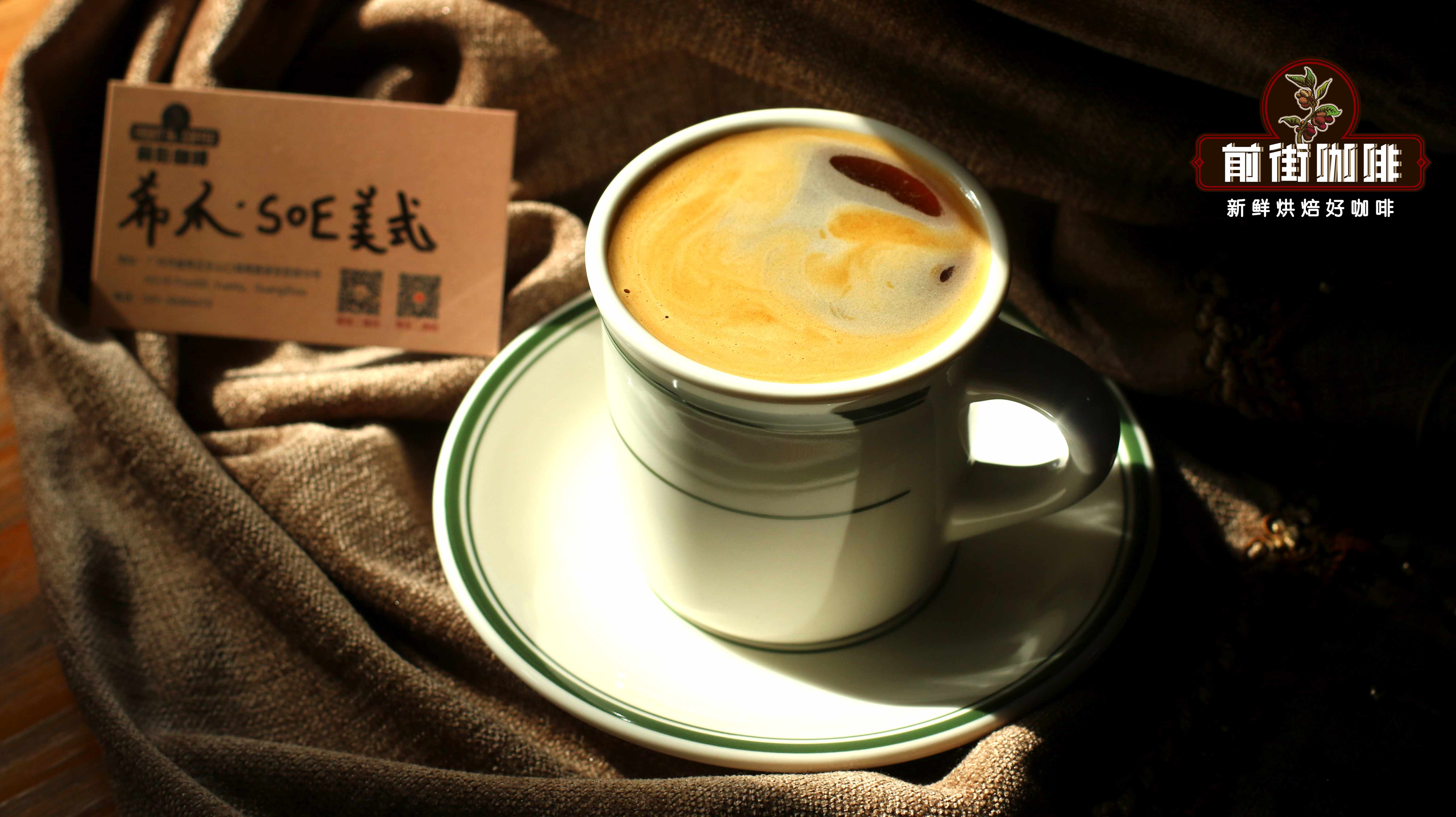
In milk coffee applications, a latte made in a 12-ounce cup and a flat white in a 10-ounce cup show distinctly different flavor profiles. The latte, with a higher milk ratio, has a smooth and creamy texture, with flavors dominated by lemon yogurt and vanilla ice cream, and a finish with a hint of dark chocolate. Overall, it has a balanced sweetness and body, making it suitable for those who prefer a milk-forward drink.
In contrast, the flat white uses less milk (in a 10-ounce cup), so the inherent coffee flavors are more pronounced, with clearer notes of cheese and lemon yogurt, medium-intensity dark chocolate aroma, and a slightly higher sweetness than the latte. The overall intensity is more concentrated, making it suitable for consumers who prefer a stronger coffee flavor.
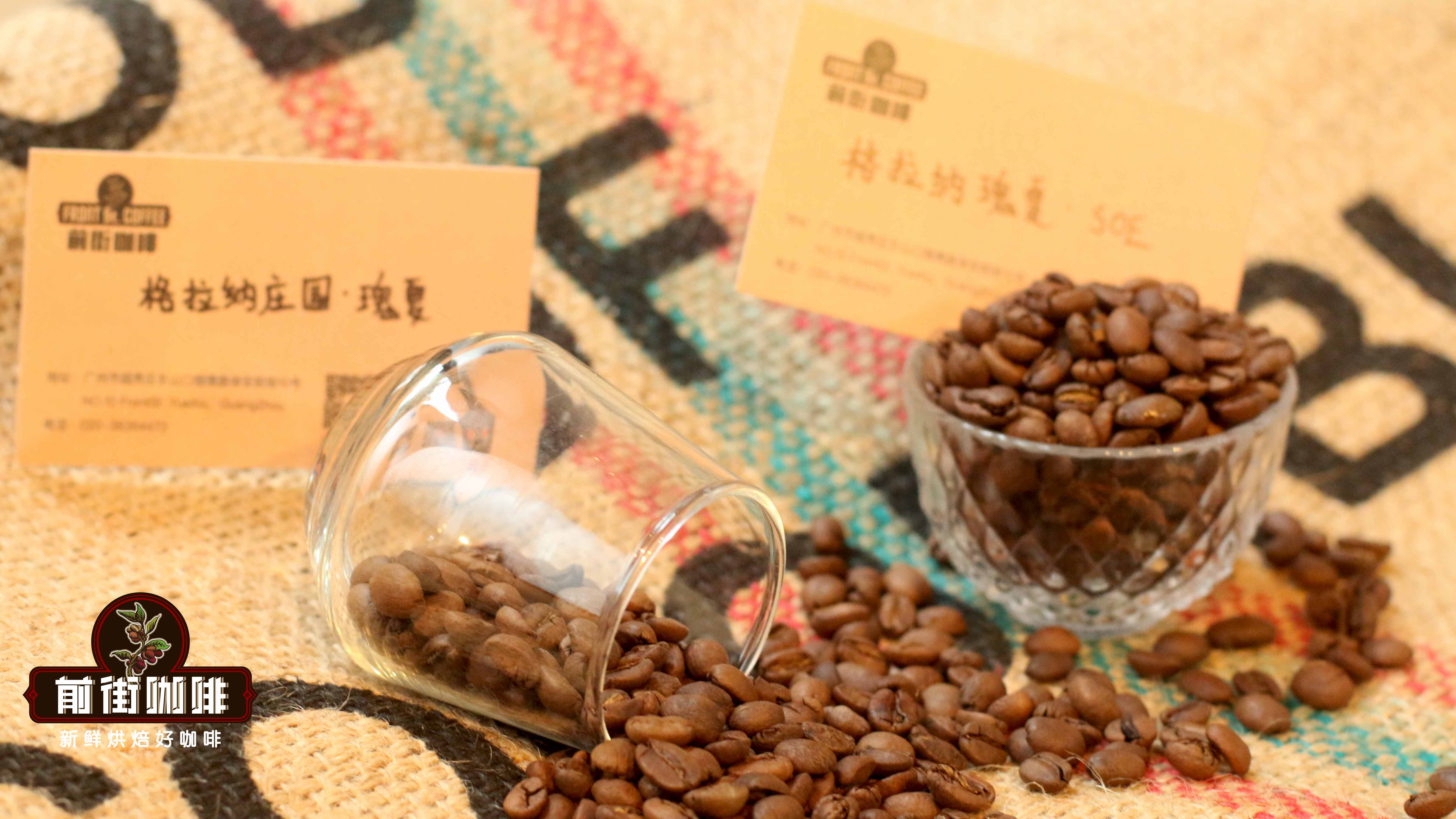
Image reference: Extraction process and final product illustration (Image location:, )
Why not recommend using the 'Strawberry Yogurt' Paraíso Estate beans for espresso?
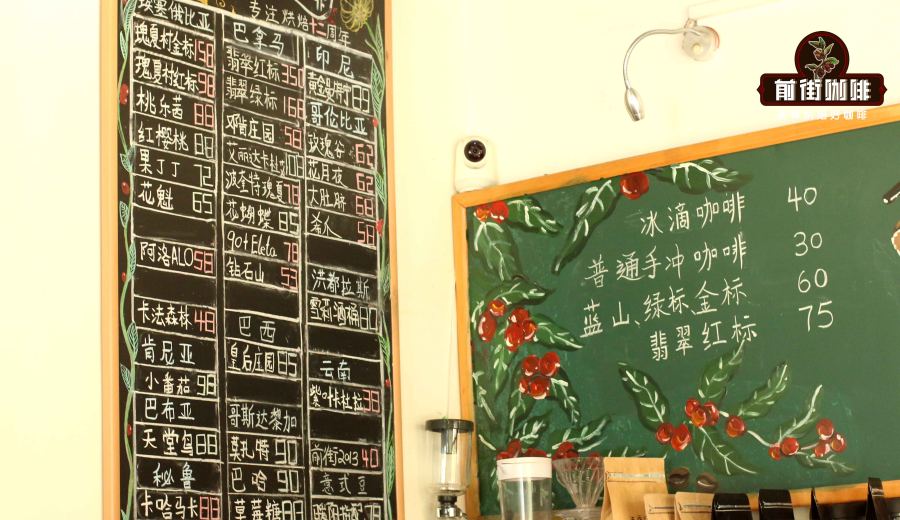
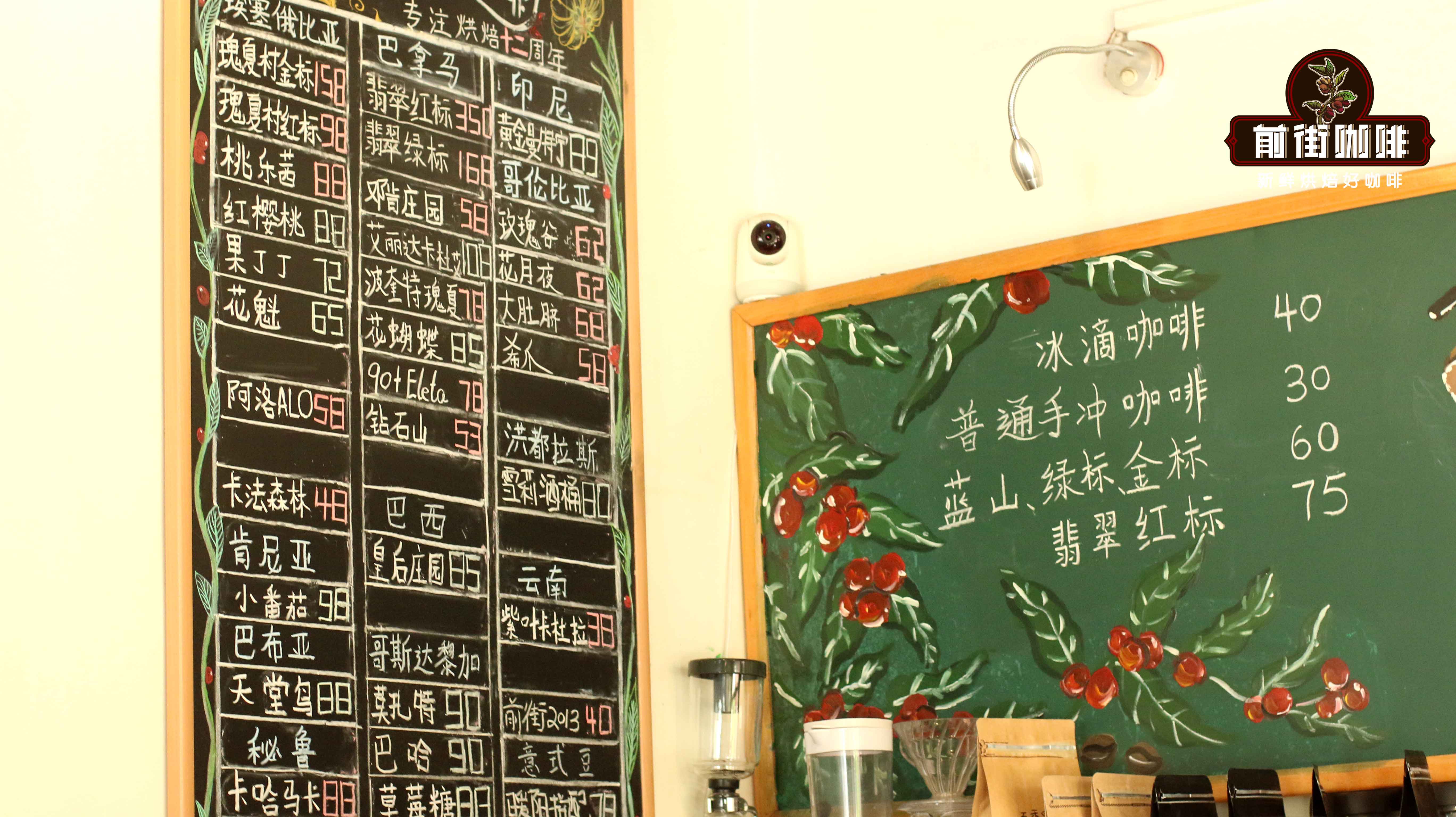
Although one coffee shop’s menu is primarily focused on pour over beans, it also offers several SOE options suitable for espresso, such as the Huila SOE, Yirgacheffe SOE, and Gesha La Pradera SOE, each highlighting origin characteristics and processing style. However, the 'Strawberry Yogurt' from Colombia’s Paraíso Estate, despite its unique and impressive flavor, is not listed as an espresso recommendation.
The main reason is that the flavor profile of this bean is too distinctive, lacking the typical foundation of Colombian washed processing, and it presents higher brewing difficulty and lower stability when used for espresso, making it unsuitable for users seeking consistency and balance. Additionally, its flavor direction is better suited for pour over or filtration methods, which can more fully express special notes like strawberry and yogurt, rather than in espresso or milk coffee applications.
In summary, if you want to brew a flavorful and balanced espresso using SOE beans, it’s recommended to start with extraction parameters (20g coffee/40g liquid/27 seconds), roast level (medium-light to medium), and bean selection (such as Sidra SOE), then further adjust the flavor profile based on the milk coffee ratio. Through testing and fine-tuning, you can also find your own perfect espresso recipe.
The above content is compiled by CoffeeHunters, a coffee news website.


