








Introduction:Want to dive deep into the unique flavors and regional characteristics of premium Colombian Arabica coffee beans? This article provides a comprehensive analysis of renowned Colombian regions such as Huila, Cauca, and Narino—from altitude, processing methods, and varieties to brewing parameters. It also details the flavor profiles of four popular bean offerings along with V60 pour over recommendations, guiding you from cultivation to cup to fully appreciate the charm of Colombian coffee.
Premium Colombian Arabica coffee beans are renowned for their mild acidity, rich dark chocolate notes, and pronounced caramel sweetness, holding a well-established place in the global specialty coffee market. These flavor characteristics not only make them staples in homes and cafés, but they are also often used as base beans in espresso blends, showcasing versatile roast personalities and layered flavor profiles.

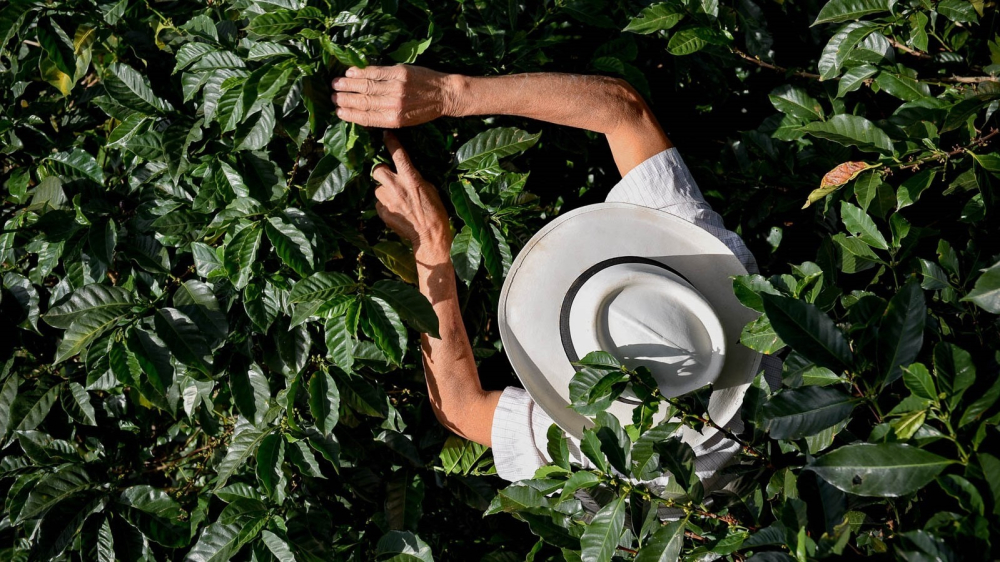
When it comes to Colombian coffee, you may have seen an official logo online featuring a mustached farmer and a mule. This image is not only the official symbol of Colombian coffee, but also tells the story of the country’s mountainous coffee-growing terrain. Due to Colombia’s rugged mountain roads, historical coffee transportation heavily relied on mules, while the iconic image of the farmer wearing a straw hat represents the typical local coffee grower.
The widespread popularity of Colombian coffee lies in its balanced flavors achieved through washed processing—acidity that is not overly sharp, combined with the full body of dark chocolate and nuts, along with a clear and captivating caramel sweetness. This excellent balance of acidity, sweetness, and bitterness makes Colombian beans not only ideal for single-origin enjoyment, but also a key base for many professional roasters in crafting blends.
Colombian coffee cultivation is primarily concentrated along the western Andes mountain range, where three high-altitude mountain ranges stretch from north to south. Combined with diverse microclimates and fertile volcanic soils, this creates an exceptionally favorable growing environment. Coffee trees are mostly planted on high-altitude slopes, where cloud cover and cool climate conditions help slow fruit ripening, allowing the beans to accumulate richer sugars and complex aromas.

When it comes to specialty coffee, several major regions in southern Colombia are particularly noteworthy, including Huila, Cauca, Narino, and Tomali. These regions generally sit at elevations above 1500 meters, and the coffee beans produced often feature bright berry-like acidity, rich caramel aromas, and outstanding sweetness. Among them, the Huila region has gradually become a focal point for specialty coffee enthusiasts due to its frequent appearances in international coffee competitions in recent years.
Colombia’s coffee grading system is primarily based on green bean size, defect rate, and cupping results. First, coffee beans are screened using mesh sieves of various sizes—the higher the sieve number, the larger the bean size, for example, beans of 17 mesh or above are considered high-quality raw material. Then, coffee beans are graded according to defect counts, mainly divided into two types: primary defects (such as black beans, musty flavors, etc.) and secondary defects (such as broken beans, insect damage, etc.). Under Colombian grading standards, primary defects must not exceed 12 points, and secondary defects must not exceed 60 points. The beans are then categorized into three grades—AA, A, and G—based on total defect counts. Additionally, each batch of green beans is labeled with its origin and FNC (Colombian Coffee Growers Federation) information to ensure traceability and consistent quality.
In terms of processing methods, premium Colombian coffee mostly employs washed processing, particularly among small and medium-sized farms, which allows for more precise control over quality and flavor compared to large-scale production. The washed process includes the following steps: first, the coffee cherries are placed in water tanks, where unripe beans are screened out using buoyancy; next, a depulper removes the outer skin and pulp, leaving the beans coated with mucilage; then, the mucilage-covered beans are placed in fermentation tanks for 16 to 36 hours to remove the mucilage; finally, the beans are washed and the parchment-covered coffee is sun-dried. This method fully highlights the purity and delicate flavors of the coffee, making it a recommended choice for many coffee enthusiasts just starting out.
If you’d like to personally experience the diverse flavors of premium Colombian coffee, the following four representative bean offerings are worth highlighting. They come from the Huila and Cauca regions, use different processing methods, and are ideal for exploring their nuances via V60 brewing:
1. Colombian Huila Coffee Beans
Region: Huila | Elevation: 1500–1800 meters | Processing Method: Washed | Variety: Caturra
Flavor: Mild fruity acidity, nuts, chocolate, caramel
Recommended Roast Level: Medium | Optimal Brewing Water Temperature: 90–91°C
2. Colombian Hanami Coffee Beans
Region: Huila – Monteblanco Estate | Elevation: 1900 meters | Processing Method: Washed | Variety: Caturra, Catuai, Geisha
Flavor: Pink pepper, chamomile, mandarin orange, honey, almond
3. Colombian Flower Moon Night Coffee Beans
Region: Huila | Elevation: 1800 meters | Processing Method: Anaerobic Natural | Variety: Caturra
Flavor: Strawberry jam, fermented wine notes, chocolate
4. Colombian Cherry Blossom Coffee Beans
Region: Cauca – Paradise Estate | Elevation: 2050 meters | Processing Method: Double Anaerobic Washed | Variety: Castillo
Flavor: Mugwort, berries, fermented aroma, spices, strawberry jam
These four coffee beans all emphasize freshness—optimal flavor is achieved when brewed within 5 days of roasting. For brewing, the V60 filter is recommended, with a coffee-to-water ratio of 1:15, grind size controlled to 80% through a #20 sieve, water temperature around 90–91°C, and a total brew time of about 2 minutes using a three-pour method. This approach fully highlights the intricate flavor layers of each bean variety.
Different processing methods yield distinctly different flavor profiles: the washed Huila everyday beans present a rich foundation of chocolate and nuts, paired with soft fruity acidity and a caramel aftertaste, offering overall balance; the anaerobic natural Flower Moon Night emphasizes intense fermented aromas and berry tones, with a silky chocolate finish; while the double anaerobic washed Cherry Blossom beans showcase complex spice, berry, and herbal notes, perfect for more experienced coffee enthusiasts. Whether you’re a beginner or a seasoned coffee lover, these beans provide a rich and representative Colombian coffee experience.
The above content is compiled by CoffeeHunters, a coffee news website.


