







Introduction:Tanzanian washed Bourbon coffee is renowned for its rich body and gentle acidity, particularly those from the Kilimanjaro region, where volcanic soil and high altitude create a unique flavor profile. This article delves into the regional characteristics, varietal genetics, and processing methods of this coffee, while comparing it with neighboring Kenyan beans. It also provides practical references on altitude distribution, harvest periods, and precise V60 pour over parameters, guiding you from green bean traits to brewing practice to master the brewing secrets of this classic African bean.
Tanzanian coffee is most famously represented by washed Bourbon beans grown in the Kilimanjaro mountain region. With a full-bodied and rich flavor structure, gentle acidity, and layered aromas, it is hailed as the "coffee gentleman." These beans often exhibit distinct citrus and berry notes, accompanied by honey-like sweetness and subtle tea-like undertones, showcasing the vibrant character typical of African beans. However, compared to the bright acidity and wine-like complexity of Kenyan beans, Tanzanian beans lean more toward a smooth and balanced profile, with prominent sweetness but less distinctive individuality.
Although not as widely known as Ethiopia or Kenya, Tanzania’s annual coffee production is comparable to Kenya’s, reaching around 50,000 tons. The earliest Arabica varieties were introduced from Réunion Island (then known as Bourbon Island), initially planted in Bayamoyo and Mogoro. Currently, national coffee cultivation is mainly concentrated in two major regions: the southern part of the country and the Kilimanjaro mountain area.
The southern coffee-growing region includes Ruvuma and Mbeya, with altitudes ranging from 1,200 to 2,000 meters. The climate and soil conditions here have the potential to nurture high-quality coffee. This area, which previously developed slowly due to limitations in funding and technology, has gradually gained attention from certification bodies and non-governmental organizations in recent years, all working to enhance the region’s reputation. The main varieties include Bourbon, Typica, and Kent, with the harvest season from June to October each year.

The Kilimanjaro region is located around Africa’s highest peak—Mount Kilimanjaro, with altitudes ranging from 1,050 to 2,500 meters, and coffee cultivation primarily concentrated between 1,300 and 2,000 meters. This area boasts fertile volcanic soil and pure meltwater from high-altitude snow sources, providing an ideal growing environment for coffee trees. Some coffee trees here are even over a hundred years old. Local smallholder farmers meticulously manage the coffee trees, including weeding, fertilizing, and pruning, to ensure stable bean quality. The main varieties in this region are also Bourbon, Typica, and Kent, with the harvest season falling between July and December each year. It is one of Tanzania’s most important coffee-producing regions and a key pillar of the national economy.
The sample beans discussed in this article are of the Bourbon variety, which originated in Yemen and was later widely cultivated on Réunion Island (formerly known as Bourbon Island), hence the name. Bourbon beans are small in size, round in shape, with dense flesh and seeds, typically exhibiting prominent sweetness and bright acidity, along with wine-like flavor characteristics. Their yield is about 20–30% higher than that of Typica, but they are still considered a low-yield variety and are susceptible to leaf rust disease.
These beans are processed using the traditional washed method, which preserves the original flavor characteristics of the coffee and clearly highlights regional traits. The processing steps include: first removing impurities, then stripping the pulp and outer skin, followed by placing the mucilage-covered coffee beans into a fermentation tank, where fermentation breaks down the pectin layer on the parchment. Finally, the beans are thoroughly washed and dried. Washed processing not only enhances cleanliness but also makes the acidity and aroma more transparent, making it an ideal method for showcasing the delicate flavors of high-altitude Bourbon beans.
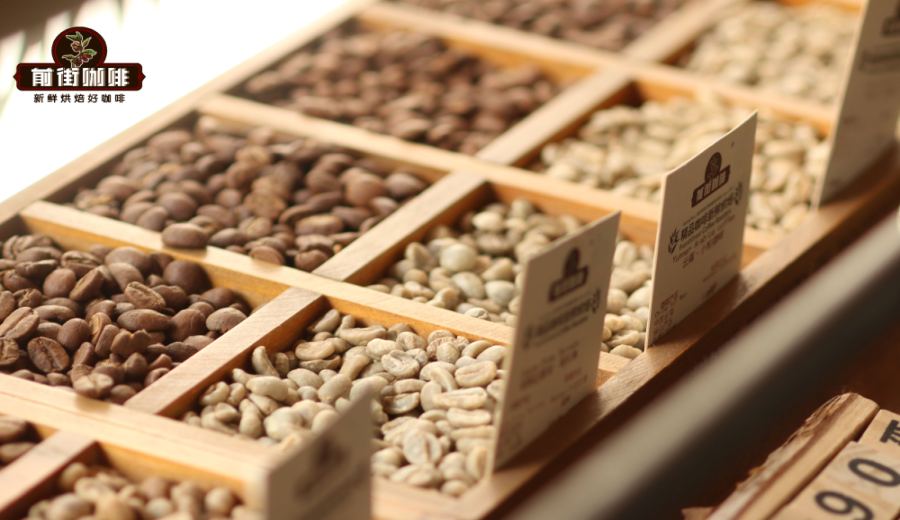
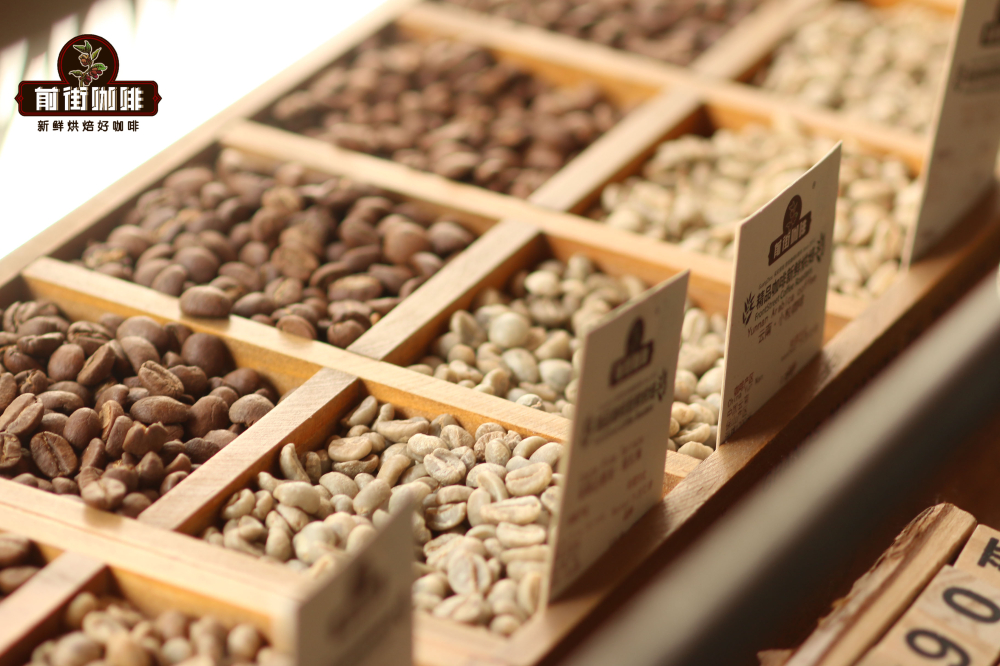
Tanzania’s coffee grading system is similar to Kenya’s, primarily based on bean size, with Grade AA being the largest and generally representing higher quality. These beans are Grade AA, with plump and uniform appearance in their green form, laying a solid foundation for subsequent roasting and extraction. A certain coffee brand has developed a light roast profile tailored to its characteristics to highlight sweetness and crisp acidity.
The specific roasting curve is as follows: charge at 175°C, with a flame power of 120 and air vent setting at 3; turnaround point at 1’33”, when the roaster temperature drops to 115°C, adjust the air vent to 4 while keeping the flame power unchanged; at 151.6°C, the bean surface turns yellow, grassy notes disappear, entering the drying phase; at 9’30”, the bean surface shows wrinkles and dark spots, the toast aroma transitions to coffee aroma, indicating the approach of first crack; at 10’16”, first crack begins, adjust the air vent to 5, develop for 1’48” after first crack, and finally drop the beans at 192°C. This roast level enhances sweetness while maintaining lively acidity, achieving the best balance of overall flavors.
For brewing, it is recommended to use a V60 filter, with water temperature controlled at 90°C, a coffee dose of 15 grams, a brew ratio of 1:15, and a grind size of medium-fine (78% through a standard 20-mesh sieve). In terms of operation, start with a 30-second bloom using 30 grams of water, then pour in a circular motion with a small stream of water until reaching 125 grams for the first pour; when the water level is about to expose the coffee bed, continue pouring to 225 grams and stop, waiting until the water level is about to expose the coffee bed again before removing the filter. The total extraction time is approximately 2 minutes. This parameter setup effectively highlights the bean’s aroma, sweetness, and delicate acidity, making it suitable for those who prefer a clean and balanced flavor profile.
The above content is compiled by CoffeeHunters, a coffee news website.


