







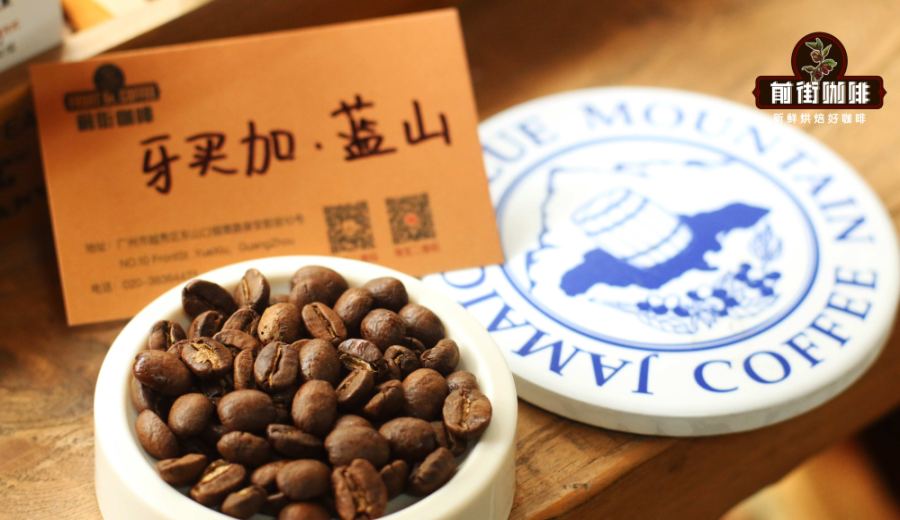
Introduction:Jamaican Blue Mountain coffee is renowned as one of the world’s finest coffees, celebrated for its balanced and delicate flavor profile, as well as its exceptional terroir. This article delves into the geographical environment, historical background, rigorous grading system, and optimal pour over parameters that bring out its unique characteristics. Readers will learn what truly constitutes a genuine Blue Mountain No. 1 and receive expert-level brewing recommendations.
Jamaican Blue Mountain coffee is grown in the eastern part of Jamaica, an island in the Caribbean, and is globally acclaimed for its balanced, delicate, and multi-layered flavor. This coffee is not only the dream choice for coffee enthusiasts but also, due to its rarity and the stringent conditions required for production, one of the most expensive coffees in the world. Understanding Blue Mountain coffee is not just about tasting a fine brew, but also about exploring the legendary terroir where nature and culture intertwine.
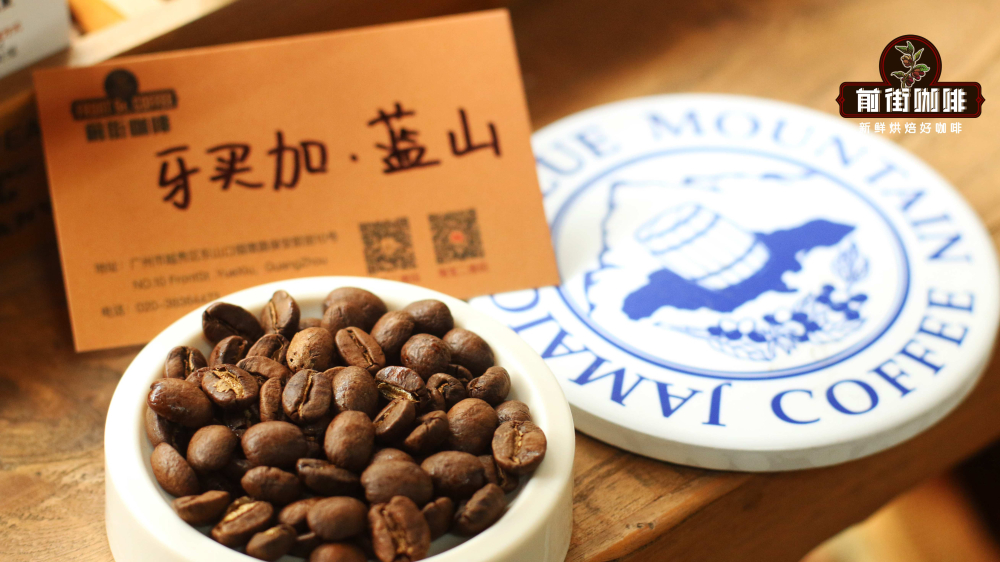
The Blue Mountains are located in northeastern Jamaica, with peaks reaching up to 2,256 meters, making them the highest in the Caribbean region. The name of the mountain range originates from the vivid blue hues created by the interplay of sunlight on the surrounding sea and mountaintops. The area features fertile volcanic soil and a refreshing high-altitude climate, with an average annual temperature of about 27°C, abundant rainfall of approximately 1,980 mm per year, and frequent mist—all of which provide an almost perfect environment for coffee cultivation. These conditions collectively contribute to the distinctive mild acidity, rich complexity, and smooth, lingering finish of Blue Mountain coffee.
The cultivation and harvesting of Blue Mountain coffee are extremely meticulous. Due to the steep slopes, picking can only be done by skilled local female workers who manually select each ripe red cherry one by one. After harvest, the coffee cherries must be depulped the same day, followed by 12 to 18 hours of fermentation, then thorough washing with clean water and multiple rounds of screening. The beans are subsequently dried on concrete patios or thick mats until their moisture content is consistently reduced to 12%–14%. Finally, they are stored in warehouses and only taken out for processing just before roasting. These complex and stringent steps ensure that every batch of Blue Mountain coffee consistently delivers a high-standard and uniform flavor profile.
The history of Blue Mountain coffee dates back to the early 18th century. In 1717, King Louis XV of France encouraged the development of coffee cultivation in Jamaica. By the mid-1720s, then Governor of Jamaica, Sir Nicholas Lawes, introduced Arabica seeds from Martinique and successfully trial-planted them in the Saint Andrew area. This region remains one of the three core producing areas of Blue Mountain coffee to this day, with the other two being Portland and Saint Thomas.
In 1950, the Jamaican government established the “Jamaica Coffee Industry Board” to develop and enforce coffee quality standards, as well as oversee every stage from cultivation to export. The Board issues exclusive seals for exported green and roasted beans to guarantee product authenticity and quality—making it one of the few coffee regulatory bodies in the world with such strict control mechanisms. Currently, there are six official certification marks on the market that verify the origin of Blue Mountain coffee, including MBCE, MHCCT, PXXSH, Wallenford, Saint John's Peak, and JAS.
The reason Blue Mountain coffee is hailed as the best in the world is inseparable from its growing environment. With elevations exceeding 2,100 meters, cool and foggy weather, frequent rainfall, and fertile young volcanic soil, the Blue Mountains nurture uniquely flavored coffee beans. Local farmers often adopt mixed-cropping systems, planting coffee trees alongside bananas, avocados, and other crops in terraces, forming a natural ecosystem. It’s worth noting that even the largest estates, by international standards, are considered small farms, mostly family-run, some of which have been in operation for as long as two centuries. However, the Jamaican coffee industry also faces challenges such as hurricane damage, rising labor costs, and the difficulty of mechanizing terrace farming.
Interestingly, due to Japan’s long-term substantial investment in the Blue Mountain coffee industry, around 90% of Blue Mountain coffee is currently purchased by the Japanese market. Since 1992, Japan has accounted for the majority of Blue Mountain exports, importing 688 tons that year, compared to just 75 tons by the United States and 59 tons by the United Kingdom. Today, global supply of Blue Mountain coffee is extremely limited, with only 10% allocated to other markets, further enhancing its rarity.
Blue Mountain coffee is divided into three main grades based on quality and origin: Blue Mountain Coffee, Jamaica High Mountain Supreme Coffee Beans, and Jamaica Prime Coffee Beans. Among these, Blue Mountain and High Mountain coffees are each further divided into two grades, from highest to lowest: Blue Mountain No. 1, Blue Mountain No. 2, High Mountain No. 1, High Mountain No. 2, and Jamaica Coffee. True Blue Mountain No. 1 represents the pinnacle of quality among Blue Mountain coffees, characterized by a balanced flavor, harmonious acidity and sweetness, and subtle fruity notes—perfect for savoring slowly.
Blue Mountain coffee beans are plump and full-bodied. It is recommended to usemedium roastprocessing to fully highlight their layered flavors. Their caffeine content is less than half that of regular coffee, aligning more closely with modern health trends. Notably, even when the same coffee variety is transplanted to climates with similar conditions in places like Hawaii, Kenya, or Papua New Guinea, the unique flavor of Blue Mountain coffee cannot be replicated—this is precisely what makes it irreplaceable.
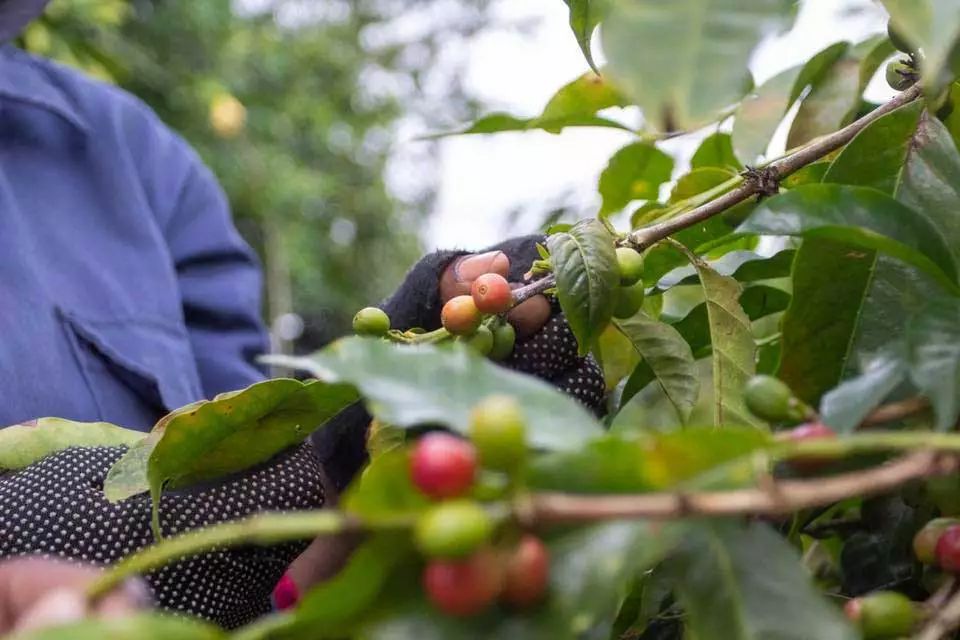
Blue Mountain coffee is typically grown at altitudes between 2,500 and 5,000 feet. The cool environment and year-round cloud cover impart a subtle, gentle acidity without harshness. Seeds are nurseries for about two years, and organic fertilizers are used throughout the growth period. During harvest, beans are handpicked one by one. From planting and harvesting to processing, roasting, and packaging, every step is strictly controlled by the Jamaica Coffee Industry Board to ensure its world-class standard.
Additionally, the Blue Mountain growing region primarily uses the ancient Typica variety—one of the oldest and highest-quality Arabica varieties. While many coffee-producing countries have shifted to higher-yield but less flavorful varieties in pursuit of quantity, Jamaica prioritizes quality over output, sacrificing some productivity to maintain the exceptional performance of Blue Mountain coffee.
For pour over enthusiasts, Blue Mountain No. 1 is an unmissable choice. It is recommended to enjoy it as black coffee to fully experience its dark chocolate richness, caramel sweetness, and delicate acidity—offering a balanced and complex flavor profile. The professional pour over parameters used in-store are as follows:
- Filter:KONO dripper
- Water temperature:88°C
- Coffee-to-water ratio:1:15
- Coffee dose:15 grams
- Grind size:EK43s at setting 10.5 (approximately 75% through a 20-mesh sieve)
For specific brewing steps: Wet the filter with hot water and place it snugly against the dripper. Add 15 grams of coffee grounds, then pour 30 grams of water for a 30-second bloom. Slowly pour in a circular motion to reach 125 grams for the first pour, then pause for the first drawdown. Once the coffee bed drops to the middle of the dripper, continue pouring with the same method to reach 225 grams. Once dripping is complete, remove the dripper. This precise control perfectly showcases the refined flavor profile of Blue Mountain No. 1.
Blue Mountain No. 1 delivers a rich aroma of dark chocolate upon entry, accompanied by soft caramel sweetness and delicate acidity. The overall mouthfeel is smooth, full-bodied, and distinctly layered—making it a classic choice for experiencing the essence of Blue Mountain flavor.
The above content is compiled by CoffeeHunters, a coffee news website.


