







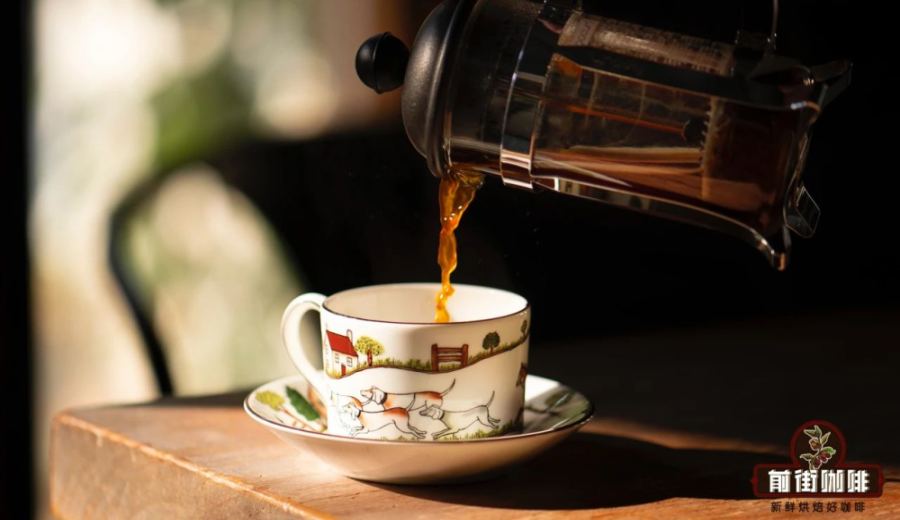
Introduction:The French press, known for its simplicity and ability to brew multiple servings in one go, has become a staple brewing tool in the homes of many coffee enthusiasts. However, without mastering the correct grind size, water temperature, and steeping time, it’s easy to miss out on the full flavor profile that coffee can offer. This article will delve into the extraction principles of the French press, provide precise coffee-to-water ratios and recommended bean types, helping you avoid common mistakes and brew a rich, well-balanced cup of coffee.
The French press is an immersion-style brewing device originating from France. Its basic structure consists of a metal filter and a cylindrical glass or metal container. Its operation is similar to making tea, yet it can extract deep and bold coffee flavors. Compared to pour over, the French press can brew enough coffee for two people in one go, making it ideal for daily home use. However, many users operate it purely by intuition, neglecting key factors such as grind size, water temperature, and time, which can lead to uneven extraction or distorted flavors.
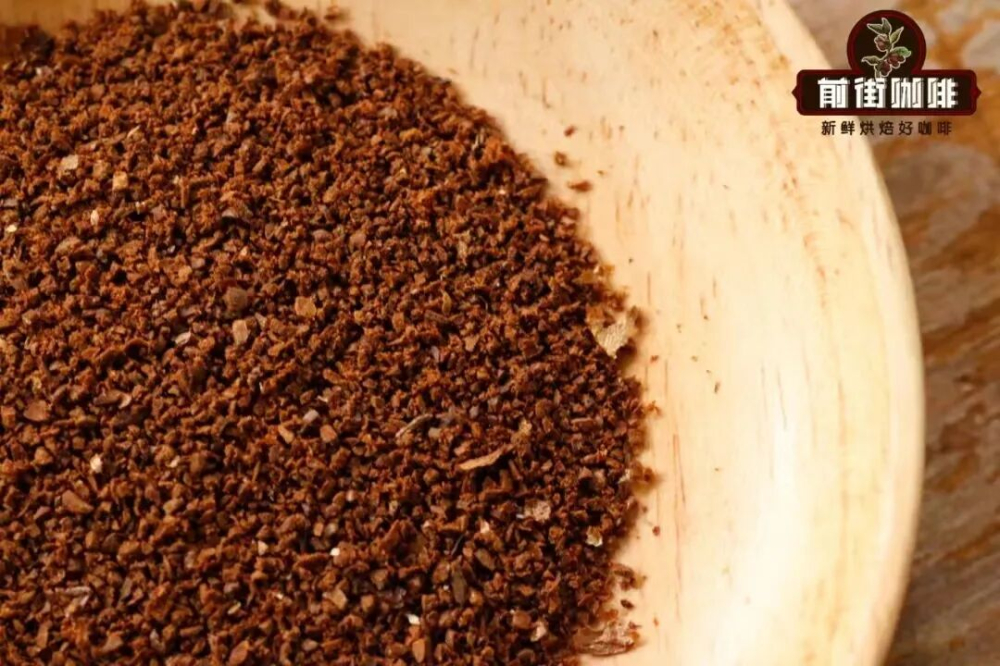
When it comes to grind size, it’s recommended to use a coarse grind that allows about 70% of the particles to pass through a Chinese No. 20 standard sieve—similar in feel to coarse sugar. This grind size effectively reduces the risk of over-extraction while minimizing the presence of ultra-fine particles in the coffee liquid, avoiding sediment and a gritty mouthfeel in the final cup.The metal filter of a French press typically has pores ranging between 80 to 300 microns, which can allow very fine coffee particles to pass through, resulting in a less desirable mouthfeel. If you prefer a richer texture, you may opt for a slightly finer grind, but be sure to shorten the steeping time accordingly.
Steeping time is a critical factor affecting extraction efficiency. Generally speaking,for a coarse grind, medium to light roasted beans are best steeped for about 4 minutes, while medium to dark roasted beans are better at around 3 minutes and 30 seconds. Overly long steeping times can lead to bitterness and woody aftertastes. Since the French press does not involve manual agitation, steeping time becomes the key variable for controlling extraction levels.
Water temperature should also be adjusted based on roast level. For medium to light roasted coffees with bright acidity, a water temperature of 92–94°C is recommended. For medium to dark roasted coffees with more pronounced bitterness, 89–90°C is preferable, as it helps suppress the excessive release of bitter compounds. During cooler autumn and winter months, preheating the French press can help minimize heat loss and ensure a stable extraction environment.
The coffee-to-water ratio directly influences the strength and balance of flavors in your coffee. It is recommended to usea 1:16 ratio, such as 15 grams of coffee grounds to 240 milliliters of water, which results in a coffee concentration of approximately 1.1% to 1.2%—a range preferred by most people. For a stronger cup, you can adjust to a 1:15 ratio, tailoring it flexibly to your personal taste.
In terms of bean selection, the French press is particularly well-suited to showcasing the bold body and crema-like richness brought out by medium to dark roasts. Common choices include Golden Mandheling, Queen Estate, Paradise Bird, and Huilan, which feature aromas of dark chocolate, nuts, and caramel. If you prefer brighter fruit acidity, you can also try medium-roasted beans like Strawberry Candy, Mozart, or Xiza, which highlight fruity notes and layered complexity.
It’s worth noting that the metal filter of the French press can accumulate coffee oils over time. Without regular cleaning, these oils may oxidize, negatively impacting the flavor of subsequent brews.After each use, it’s recommended to fully disassemble the filter and container for thorough cleaning, using a neutral detergent to remove any residual oils, ensuring that every brew delivers the best possible flavor.
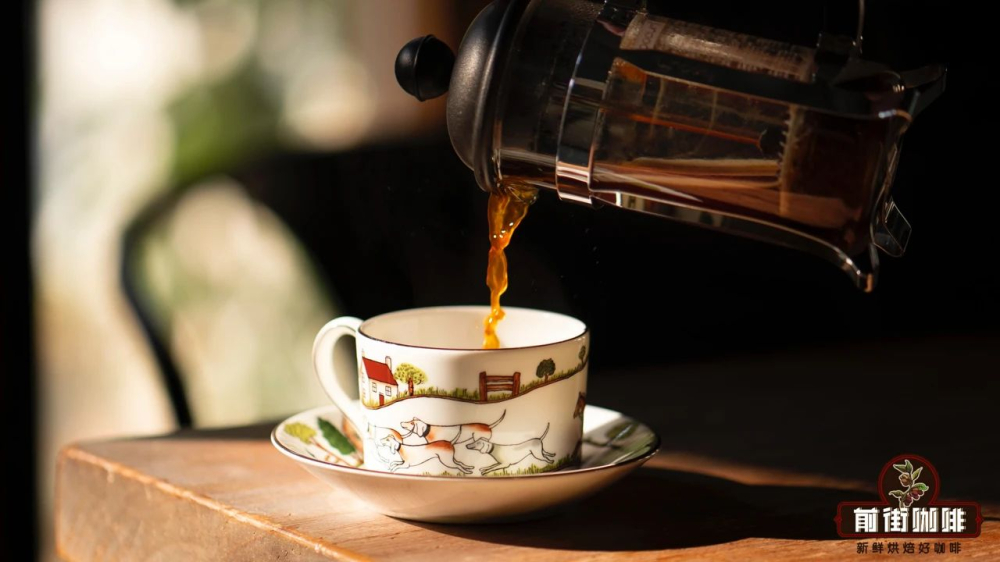
In summary, the French press is a brewing method that is easy to start with but requires attention to detail. By controlling grind size, water temperature, steeping time, and coffee-to-water ratio, you can easily brew a well-balanced and richly flavored cup of coffee. With these basic techniques mastered, even beginners can enjoy a professional-level coffee experience at home.
The above content is compiled by CoffeeHunters, a coffee news website.


