







Introduction:Although Honduras is not the earliest Central American country to develop a coffee industry, it has risen to become one of the world’s major suppliers of Arabica coffee thanks to its exceptional geographical environment and continuously improving cultivation techniques. This article will delve into Honduras’ geographic advantages and coffee grading system, while providing a detailed introduction to the unique flavor profiles of its six major producing regions—Copán, Opalaca, Montecillos, Comayagua, Agalta, and El Paraíso. With real samples from these regions and precise brewing recommendations, you’ll gain a comprehensive understanding of the allure of this emerging coffee kingdom in Central America.
Located in northern Central America, Honduras borders Guatemala and Nicaragua. Although its coffee industry started later than those of neighboring countries, it quickly secured a place in the global coffee market due to its high-altitude mountainous regions and diverse microclimates. In particular, by 2011, Honduras had surpassed Guatemala in total coffee production to become the leading producer in Central America. Honduran coffee often features exotic spice-like aromas, with a finish that showcases the rich texture of nuts and chocolate. Overall, it presents a balanced and layered cup profile.
Honduras' terrain is primarily mountainous and plateau-based, with longitudinal mountain ranges, scattered valleys, and coastal plains on both the Caribbean Sea and the Pacific-facing Gulf of Fonseca. This results in a wealth of microclimates. The country has extensive high-altitude areas, abundant rainfall, and fertile volcanic soils, all of which provide ideal conditions for cultivating high-quality Arabica coffee. Notably, Honduras is the world’s second-largest producer of washed Arabica beans, only after Brazil. Its coffee is mostly harvested manually by smallholder farmers using traditional methods, with the main harvest season spanning from November to March each year.
The history of Honduran coffee can be traced back to the late 18th century when it was introduced by Spanish merchants. However, due to inadequate transportation infrastructure, coffee cultivation remained limited to small-scale farming until the early 19th century. After the 1970s, with the establishment of the official Honduran coffee institution IHCAFE, quality management and technical guidance were gradually implemented. Coupled with the market gap created by Brazil’s severe frost in 1975, Honduras was able to rapidly expand its production scale—from 500,000 bags to 1.8 million bags—and successfully entered the international market. In 2004, Honduras hosted its first Cup of Excellence competition, providing an international platform for the country’s high-quality green beans and accelerating the development of specialty coffee.
Honduras' coffee grading system is mainly based on two criteria: planting altitude and green bean defect rate. Based on altitude, it is divided into three grades:Strictly High Grown (SHG, above 1200 meters), High Grown (HG, 1000–1200 meters), and Central Standard (CS, 600–1000 meters). As for defect rates, they are categorized into the U.S. standard USP (US Preparation) and the European standard EP (Euro Preparation). Typically, the region name clearly indicates the altitude and defect grade—for example, Honduras SHG EP means the beans are grown at altitudes above 1200 meters and meet the strict European low-defect standards.
Since 2007, Honduras has further promoted a regional labeling system, clearly defining six major coffee-producing regions. Each region, due to its unique geography and climate, produces beans with distinct flavor profiles. Below is a detailed introduction:
1. Copán Region: Located in western Honduras, bordering Guatemala, and covering multiple provinces. Altitude ranges between 1000 and 1500 meters, with an average annual temperature of 11.5–22.5°C and annual rainfall of 1300–2300 mm. The harvest season is concentrated from November to March. Well-known farms such as Las Gemelas grow the Red Catuai variety using the natural (sun-dried) processing method, yielding complex flavors including brown sugar, berries, grapes, and fermented wine notes.
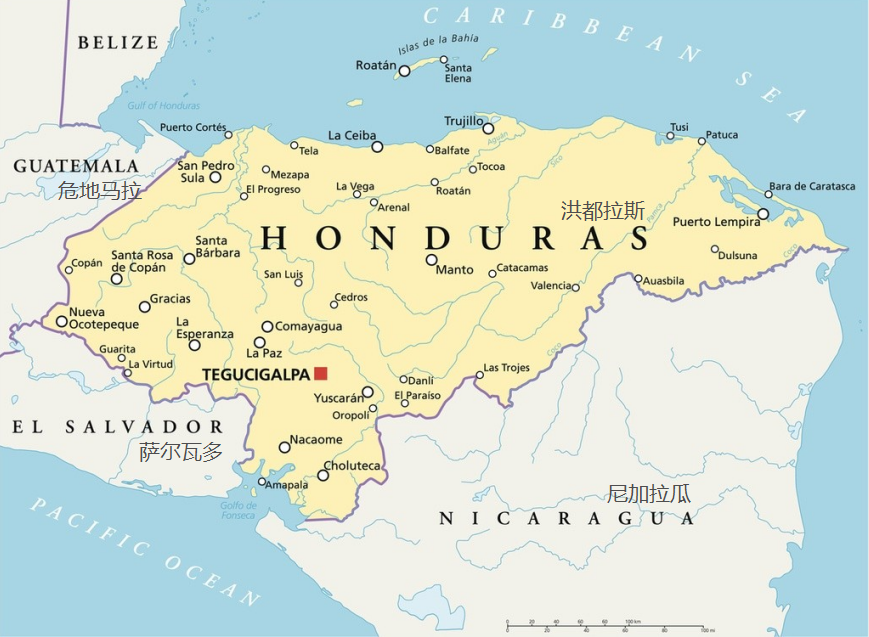
2. Opalaca Region: Situated between Santa Bárbara, Intibucá, and Lempira, at altitudes of 1100–1500 meters, featuring a mild climate and abundant rainfall. Main varieties include Bourbon, Typica, Catuí, and Bourbon, with flavors characterized by delicate acidity and a balanced expression of tropical fruits such as grapes and blackberries. The harvest season runs from November to February.
3. Montecillos Region: Located in southwestern Honduras, near the border with El Salvador, at elevations of 1200–1600 meters, with a harvest season spanning from November to April. The main varieties planted are Bourbon, Catuai, and Typica. Flavor highlights include bright citrus and peach acidity, a silky smooth finish, and a rich, mellow mouthfeel.
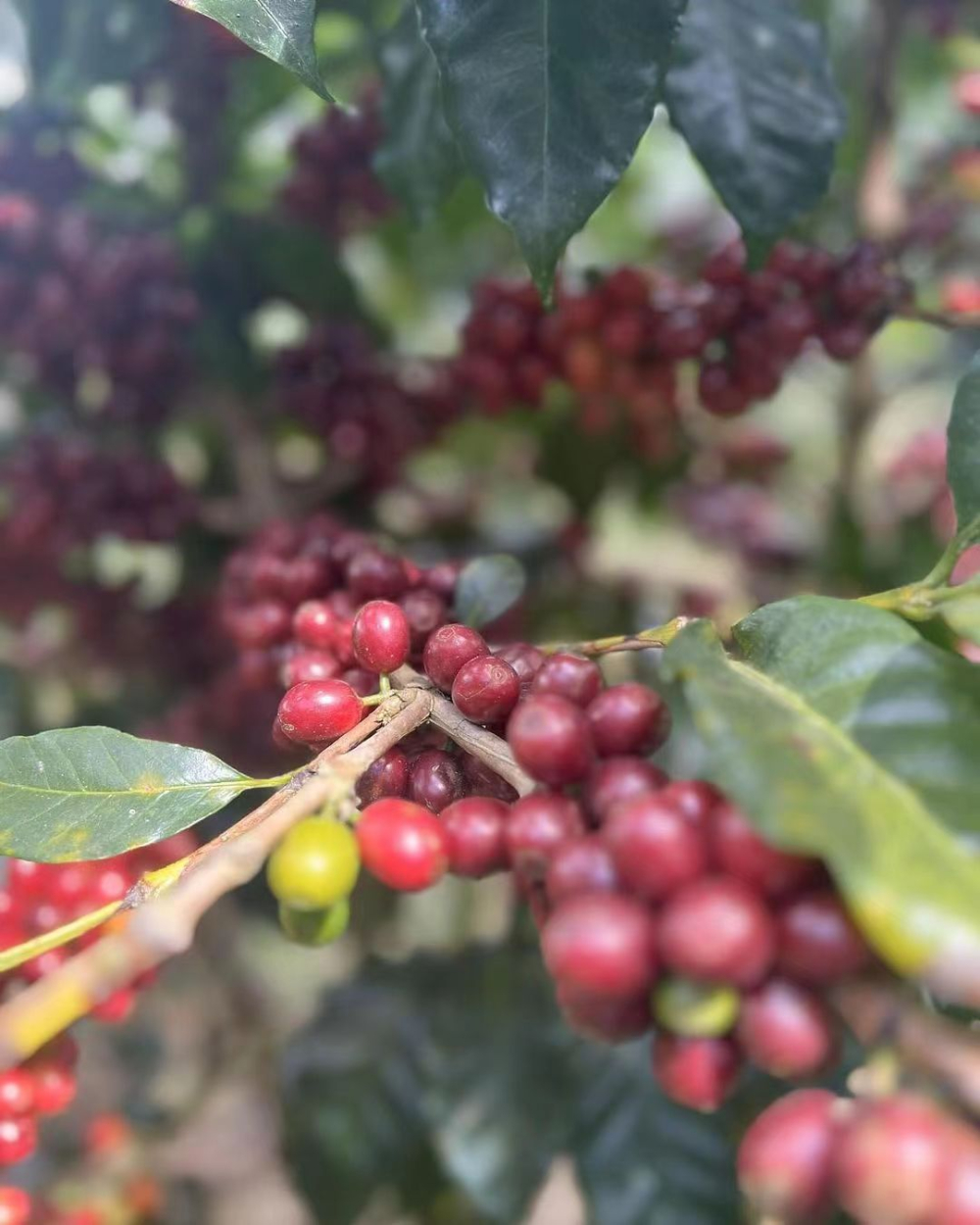
4. Comayagua Region: Situated in central Honduras, at altitudes of 1000–1500 meters, with a harvest season from December to March. The region grows a wide range of varieties including Bourbon, Caturra, Typica, and Pacas. Flavors are based on a lemony tone, blended with citrus sweetness and a creamy, rich mouthfeel, accompanied by a chocolatey aftertaste.
5. Agalta Tropical Region: Located in the southeastern regions of Olancho and Yoro, at altitudes of 1000–1400 meters, with the same harvest season from December to March. Main varieties include Bourbon, Catuai, and Typica. Flavors exhibit honey-like sweetness and distinct citrus acidity, with clear layering.
6. El Paraíso Region: Located in the southern part of Honduras, bordering Nicaragua, at altitudes of 1100–1500 meters, with a harvest season from December to March. A certain coffee brand once launched a washed Parainema variety from Laurel Farm in this region, processed at high altitude (1400 meters). It showcased bright citrus, berry, and grapefruit peel acidity, releasing a rich nutty and dark cocoa finish upon cooling, with a pronounced tea-like mouthfeel.
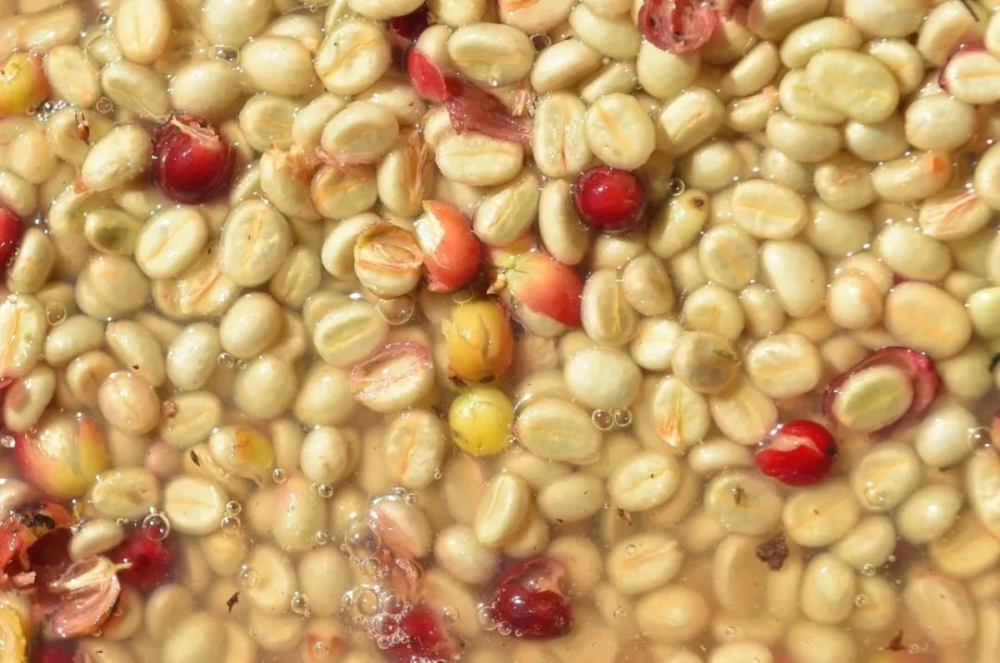
In addition to the six main producing regions, the La Paz region in southwestern Honduras should not be overlooked. For instance, Sweet Orange Farm (El Naranjo) is a rising star. Located in Marcala at an altitude of 1425 meters, it earned its name from the tall wild orange trees used as shade trees. The Catuai variety introduced here boasts good resilience. Though the fruit is firm and difficult to harvest, the resulting coffee offers layers of citrus, melon, floral, and cane sugar sweetness, with a nutty and tea-like finish. It’s well-suited for coffee lovers who enjoy fruity and sweet profiles.
For roasting recommendations, if using the Taiwanese Yangjia Feima 800N roaster, it is advised to load 300 grams of green beans, with an inlet temperature controlled at 200°C. The turning point (yellowing stage) occurs around 5 minutes 15 seconds at 154°C, the first crack starts at 9 minutes 11 seconds at 186.5°C, and roasting continues for 2 minutes after first crack until reaching 192.4°C for dropping. This yields a balanced and layered flavor profile.
For brewing, the Hario V60 dripper is recommended. Set the water temperature to 90°C, use 15 grams of coffee, with a 1:15 coffee-to-water ratio, and grind to a fineness where 80% passes through a standard #20 sieve. Use a pulse pouring method: start with a 30-second bloom using 30 grams of water, then pour in a circular motion with a slow stream until 125 grams, followed by a pause and subsequent pouring to 225 grams. Total brew time is about 2 minutes. Under these parameters, the flavor profile includes prominent notes of berries, citrus, melon, and floral tones, complemented by cane sugar sweetness, orange peel, and nutty nuances, with a clean tea-like mouthfeel and a long-lasting finish.
The above content is compiled by CoffeeHunters, a coffee news website.


