







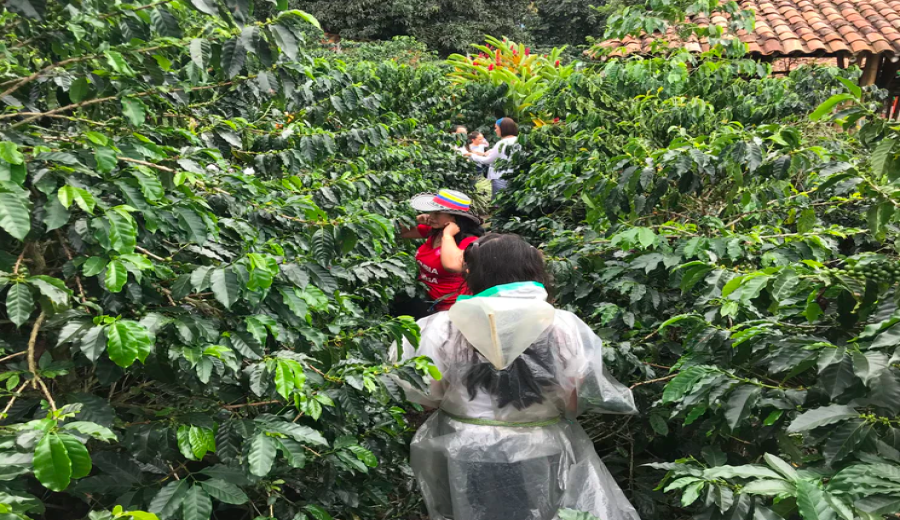
Introduction:An in-depth analysis of Colombia’s coffee grading system and the characteristics of its major producing regions. Explore the flavor differences between well-known regions such as Supremo and Huila, and get practical pour over parameter recommendations. Learn how altitude and bean size affect flavor to help you choose the right Colombian specialty coffee beans.
Thanks to the unique climate conditions of the Andes Mountains, Colombia has become one of the world’s key Arabica coffee producers. The region enjoys mild mountainous weather, stable rainfall, and fertile volcanic soils — all ideal conditions for coffee cultivation.Coffee beans in Colombia are primarily graded according to bean size, with those above 17 mesh classified as Supremo, representing high-grade specialty beans; those between 14 and 16.5 mesh are categorized as Excelso, often used for commercial blends.
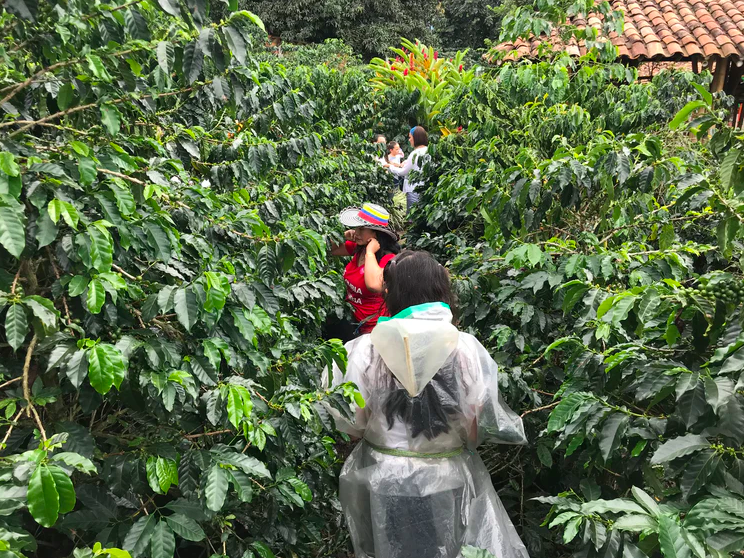
Colombia’s coffee-growing regions can be broadly divided into three main zones: central, northern, and southern. The central zone includes Medellín, Armenia, and Manizales — collectively referred to as the MAM region. Beans from this area are generally smaller in size and, while they exhibit pronounced fruit acidity, usually fall slightly short in flavor complexity and body compared to those from the southern regions. They are mainly supplied for commercial use.
In contrast, Colombia’s southern regions — including Huila, Cauca, Nariño, and Tolima — benefit from altitudes generally exceeding 1,500 meters. Coffee beans produced here not only tend to be larger but also display delicate acidity, rich berry notes, and an enticing caramel aftertaste. These southern regions are regarded as the core sources of Colombia’s specialty coffee.
In Colombia’s grading system, besides bean size,altitude is also a key factor influencing flavor performance. High-altitude areas experience significant day-night temperature variations, which slow down the ripening process of coffee cherries, allowing for greater accumulation of flavor compounds. This is why coffee from southern high-altitude regions often boasts more layered and complex profiles.
The Huila region is one of the most renowned specialty coffee-producing areas in southern Colombia. Located in the mountainous southwest of the country, it sits at elevations ranging approximately from 1,200 to 2,020 meters. Aside from its superior altitude conditions, the region saw a volcanic eruption near it in 2008, releasing large amounts of mineral-rich volcanic ash that enriched the soil, further enhancing the coffee’s flavor potential.
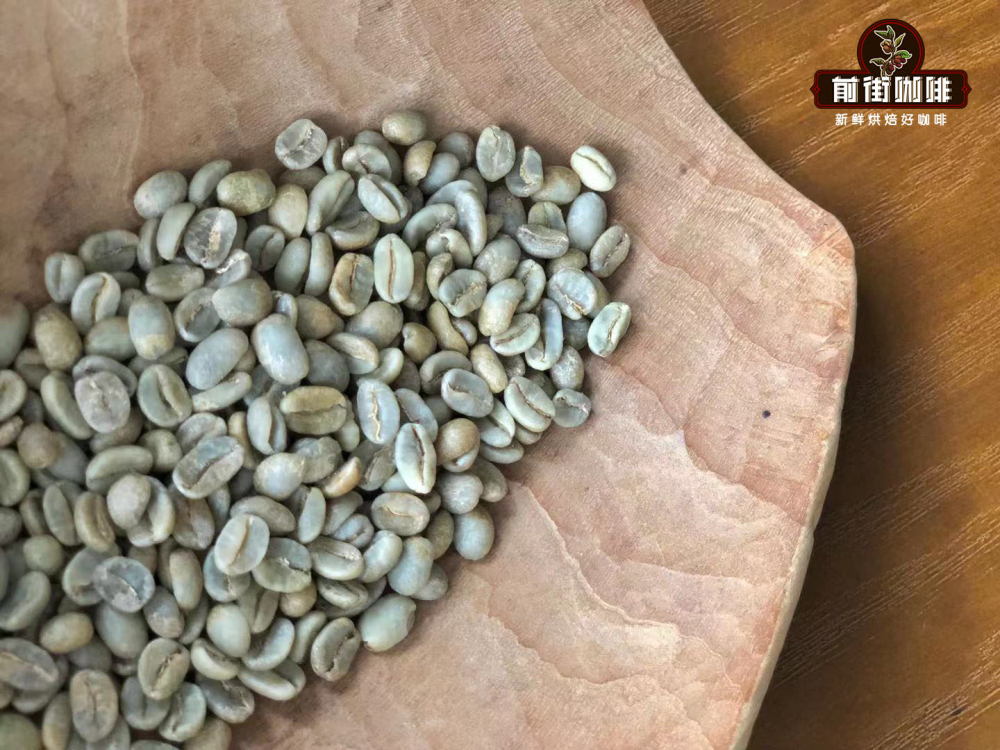
Huila coffee is known for its delicate fruit acidity, nutty aroma, and pronounced caramel finish — features that are also typical of southern Colombian coffee. For enthusiasts looking to experience Colombian specialty coffee, the Huila region is an essential choice.
On one recommended list, Caturra variety beans grown at 1,500–1,800 meters altitude in Huila and processed using the washed method have consistently been among the most popular items. Washed processing delivers a cleaner flavor profile, making the coffee’s acidity and sweetness more distinct.To fully showcase the richness and aroma of Huila coffee, it is recommended to use a medium-dark roast and to end the roast around 3 minutes and 40 seconds after the first crack. This roast level balances acidity and sweetness while highlighting the caramel and nutty finish.
If choosing the pour over method to brew Huila coffee, the following parameters can serve as a reference: use a Hario V60 dripper, control water temperature at around 88°C, use a coffee dose of 15 grams, and maintain a 1:15 coffee-to-water ratio. Grind size is recommended to be medium-coarse — at around 70% passing rate through a Chinese standard No. 20 sieve.
The specific pour over steps are as follows: start by pouring 30 grams of hot water for a 30-second bloom, then continue pouring in small circular motions until reaching 130 grams for the first pour; when the water level gradually drops and is about to expose the coffee bed, pour again up to a total of 240 grams, then stop pouring and let the V60 fully drip through, with the total extraction time controlled at around 2 minutes and 10 seconds.
Mastering these parameters and techniques will help you more fully appreciate the unique flavors of Colombian Huila coffee — allowing its acidity, sweetness, and aftertaste to be presented more clearly.
The above content is compiled by CoffeeHunters, a coffee news website.


