







Introduction:Want to dive deeper into the richly flavored Indonesian Mandheling coffee? This article takes you from the background of the Sumatra growing region, the evolution of Arabica varieties, to the classic wet-hulled processing method—offering a systematic exploration of Mandheling’s unique character. It also includes brewing suggestions and flavor comparisons between Lintong and Golden Mandheling, making it an essential beginner's guide for fans of dark roasts and pour over coffee.
Mandheling, this widely recognized coffee name, actually stems from an interesting misunderstanding. It does not refer to a specific origin or variety, but rather originated from a language mix-up during World War II between a Japanese soldier and an Indonesian coffee farmer. This misunderstanding led to a rich-flavored coffee from Sumatra becoming world-famous under the name “Mandheling.” As one of Indonesia’s most iconic coffees, Sumatra Mandheling has carved out a niche in the global specialty coffee market with its bold taste and unique processing.
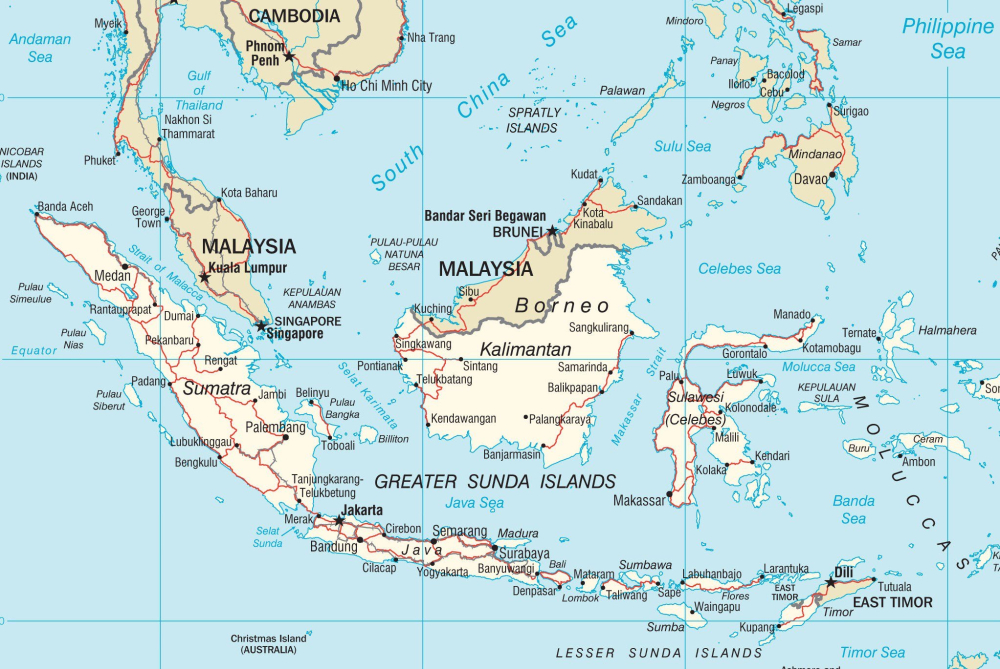
Sumatra is the world’s sixth-largest island and Indonesia’s primary coffee-growing region, accounting for over 74% of the country’s total coffee production. Compared to other areas, Sumatra’s coffee-growing environment is uniquely distinctive, especially the central highlands and northern mountainous regions, where special altitude, climate, and soil conditions shape Mandheling coffee’s signature bold, low-acid, and full-bodied profile. Production is mainly concentrated around the Lake Toba area in the Lintong region, and the Gayo Mountains in the Aceh Special Region. Though there are slight differences in flavor expression between the two, both showcase distinct Sumatran terroir characteristics.
Sumatra is located near the equator and has a tropical rainforest climate with high temperatures and humidity year-round, along with shorter sunlight exposure. These conditions make traditional sun drying difficult to execute. Coupled with economic and technical limitations, locals developed the unique “wet-hulling” method (also known as semi-washed or Giling Basah). This process involves removing the coffee cherry pulp, allowing the mucilage-covered beans to ferment briefly, then manually removing the mucilage, followed by partial drying of the parchment-covered beans. This results in flavors of herbal, earthy, and spicy notes, along with a low-acid, full-bodied mouthfeel—hallmarks of Mandheling’s signature flavor.
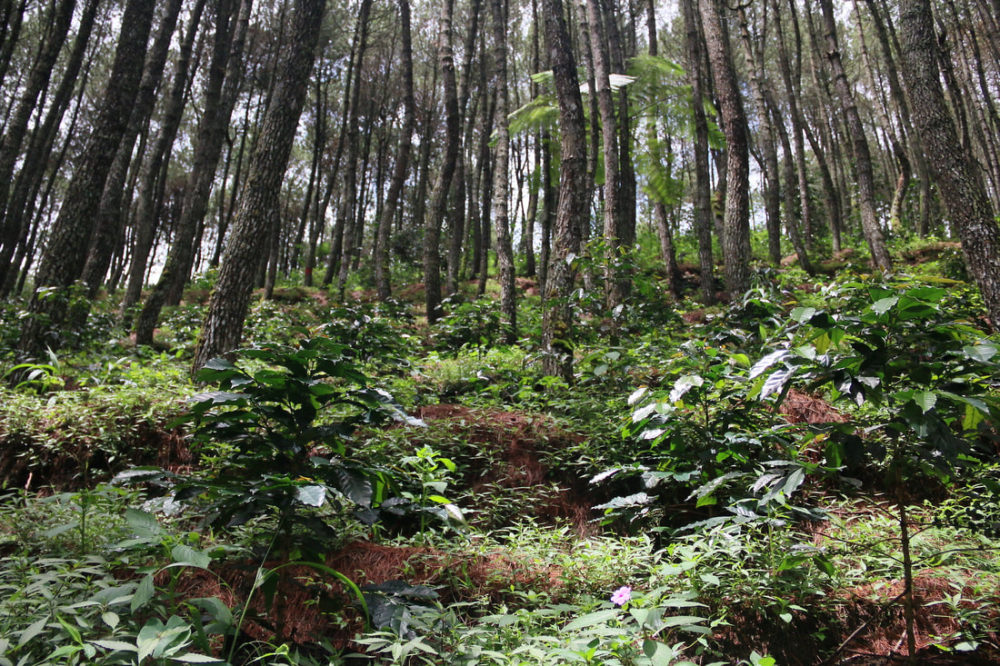
Among Sumatra’s many producing regions, Lintong and the Gayo Mountains are the two most renowned sources of premium Mandheling. Lintong is located southwest of Lake Toba, with plantations spread across iron-rich clay plateaus at moderate altitudes and high vegetation coverage. Lintong Mandheling typically comes from small private farms that do not use shade trees or chemical fertilizers, reflecting a simple and pure agricultural model. In contrast, the Gayo Mountains are at higher altitudes, ranging between 1500 and 2500 meters, managed mainly by the indigenous Gayo people who often practice traditional organic farming. The coffee trees are mostly older varieties, and the resulting coffee is often regarded as high quality—representing one of the sources of the commonly seen “Golden Mandheling.”
It’s worth noting that much of what consumers refer to as “Mandheling” actually broadly denotes Arabica coffee from Sumatra, rather than a single origin or processing method. Although both Lintong and Gayo fall under the Mandheling category, their microclimates and processing nuances result in subtly different flavor profiles. Lintong offers a more balanced cup with notes of dark chocolate, herbs, and caramel; Gayo, on the other hand, often displays more pronounced floral, citrus tones, and a higher sweetness level.
When it comes to Mandheling varieties, many may overlook this aspect, but it’s actually a key feature. Indonesia originally introduced the Typica variety, but due to the ravages of leaf rust disease, most were later replaced with more disease-resistant hybrids. Today in Sumatra, especially in the Lintong and Aceh regions, the commonly planted varieties are known as “Ateng” or “Tim Tim”—local names for what are actually Arabica-Robusta hybrids (belonging to the Catimor family). Though some purists may consider them less “authentic,” their bold flavors and strong adaptability to the local environment have made them an indispensable part of Sumatra Mandheling.
Speaking of Mandheling, one cannot ignore its most representative processing method—wet-hulling (Wet Hulling). Due to Sumatra’s year-round humidity and lack of sufficient consecutive sunny days for full sun drying or washed processing, farmers devised this compromise yet highly distinctive method: after removing the fruit pulp, the mucilage-covered beans undergo brief fermentation, then the mucilage is removed by hand. At this point, the beans still have high moisture content and are roughly hulled and partially dried. This approach retains more body and a unique “earthy aroma,” while reducing acidity, resulting in a bold, thick profile with distinctive spice and herbal notes—key traits that set Mandheling apart from coffees of other regions.
How can you brew a well-balanced cup of Mandheling? This is a key concern for many pour over enthusiasts. Since Mandheling is often dark roasted, it’s recommended to use medium-low water temperature and appropriately coarse grind size to avoid over-extraction, which can bring out excessive woody or bitter flavors. For example, Golden Mandheling is best brewed at around 88°C with a medium-fine grind (approximately 75% passing through a #20 sieve), and using a Kono filter can extend contact time between water and coffee grounds, improving extraction evenness. Specific parameters include: 15g of coffee, a 1:15 coffee-to-water ratio, and a pulsed pouring method—starting with a bloom phase using double the coffee weight for 30 seconds, then pouring in small streams up to 125g for the first pour, continuing to 225g, and letting it drip to completion, with total brew time controlled around 2 minutes.
In terms of flavor profile, Golden Mandheling often presents a rich core of nuts, dark chocolate, and caramel, with a chocolatey finish, offering clear layers and a balanced, full-bodied cup; Lintong Mandheling features more pronounced herbal notes, often accompanied by black chocolate and caramel aftertaste, delivering a more direct and mellow experience. Both are excellent choices for coffee lovers who enjoy dark roasts and serve as classic entry points to exploring Sumatran terroir.
For coffee newcomers, it’s recommended to choose freshly roasted Mandheling beans and begin tasting within 4 to 7 days post-roast to enjoy optimal flavor. If purchasing pre-ground coffee, it’s advisable to use it promptly to prevent oxidation from affecting taste. Whether as a daily brew or a starting point for exploring Indonesian coffee, Sumatra Mandheling can offer you a unique flavor journey.
The above content is compiled by CoffeeHunters, a coffee news website.


