







Introduction:Jamaica Blue Mountain coffee is renowned worldwide for its delicate, balanced flavor and rare production volume. However, many coffees on the market labeled as "Blue Mountain" are not actually from the authentic growing region. This article takes you deep into the official production area of Blue Mountain coffee, its traditional barrel-shipping method, grading system, and main varieties. It also compares the differences between Blue Mountain highland coffee and general Jamaican mountain-grown coffee, helping you accurately identify authenticity and select truly high-quality Blue Mountain coffee beans.
Known as the "King of Coffee," Jamaica Blue Mountain coffee still attracts countless coffee enthusiasts despite not being as widely celebrated as in its heyday. To experience the essence of Blue Mountain coffee, it’s recommended to try brewing a cup of authentic Blue Mountain No. 1 using the pour over method, and savor its rich, layered taste.
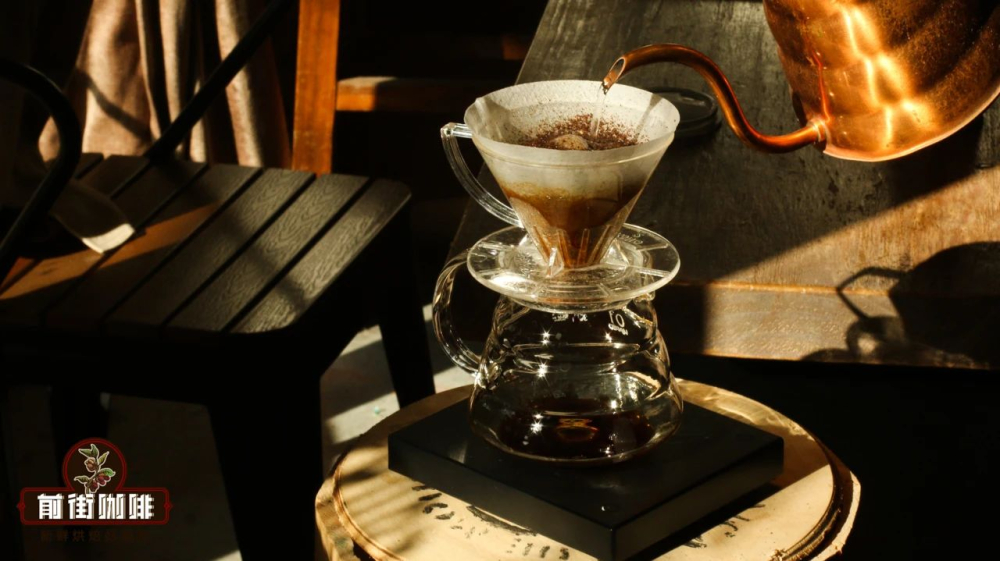
During the actual pour over process, if you want to highlight the unique roundness and smooth mouthfeel of Blue Mountain No. 1 coffee, you can choose to use a KONO filter. This filter has drainage ribs that only reach halfway up the cup, allowing the filter paper to adhere tightly to the walls, effectively reducing air circulation and extending the water absorption time of the coffee grounds. This results in a more even and consistent extraction overall.
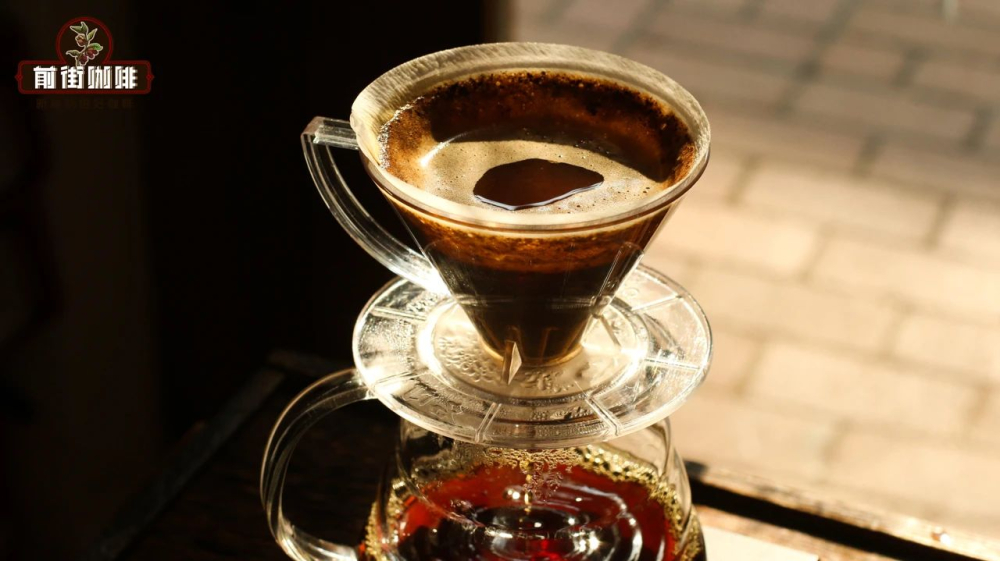
The recommended brewing parameters are as follows: use 15 grams of coffee grounds, with a coffee-to-water ratio set at 1:15, grind size approximately at EK43s setting 10.5 (roughly equivalent to 75% extraction rate through a Chinese No. 20 sieve), water temperature controlled between 87–88°C, using a pulsed pouring method. First, place the filter paper in the filter cone, wet it while pouring, and gently press it to ensure it adheres tightly to the walls. Then add the coffee grounds and lightly tap to distribute them evenly. The first stage involves gently pouring 30 grams of water for the bloom, maintaining it for 30 seconds. The second stage involves steadily pouring in a circular motion up to about 125 grams. When the coffee liquid level drops halfway, pour the final stage up to a total of 225 grams, with the total brew time landing around 2 minutes.
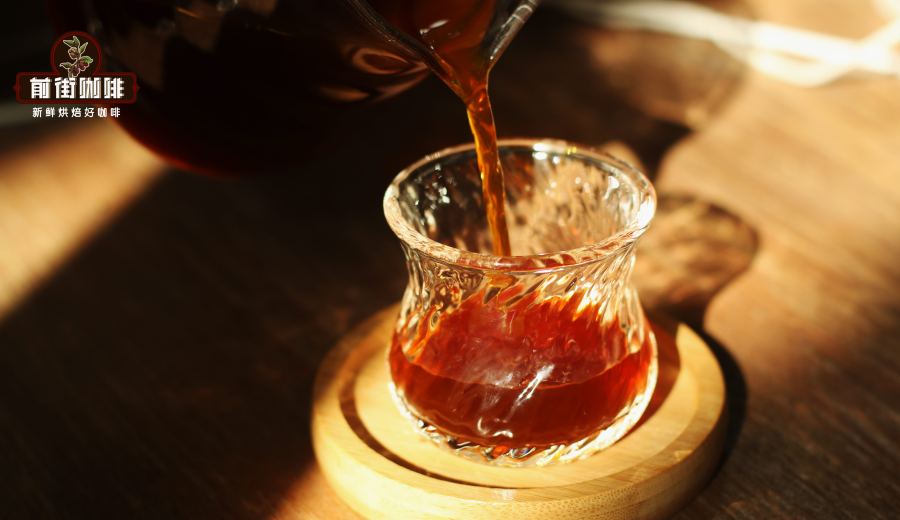
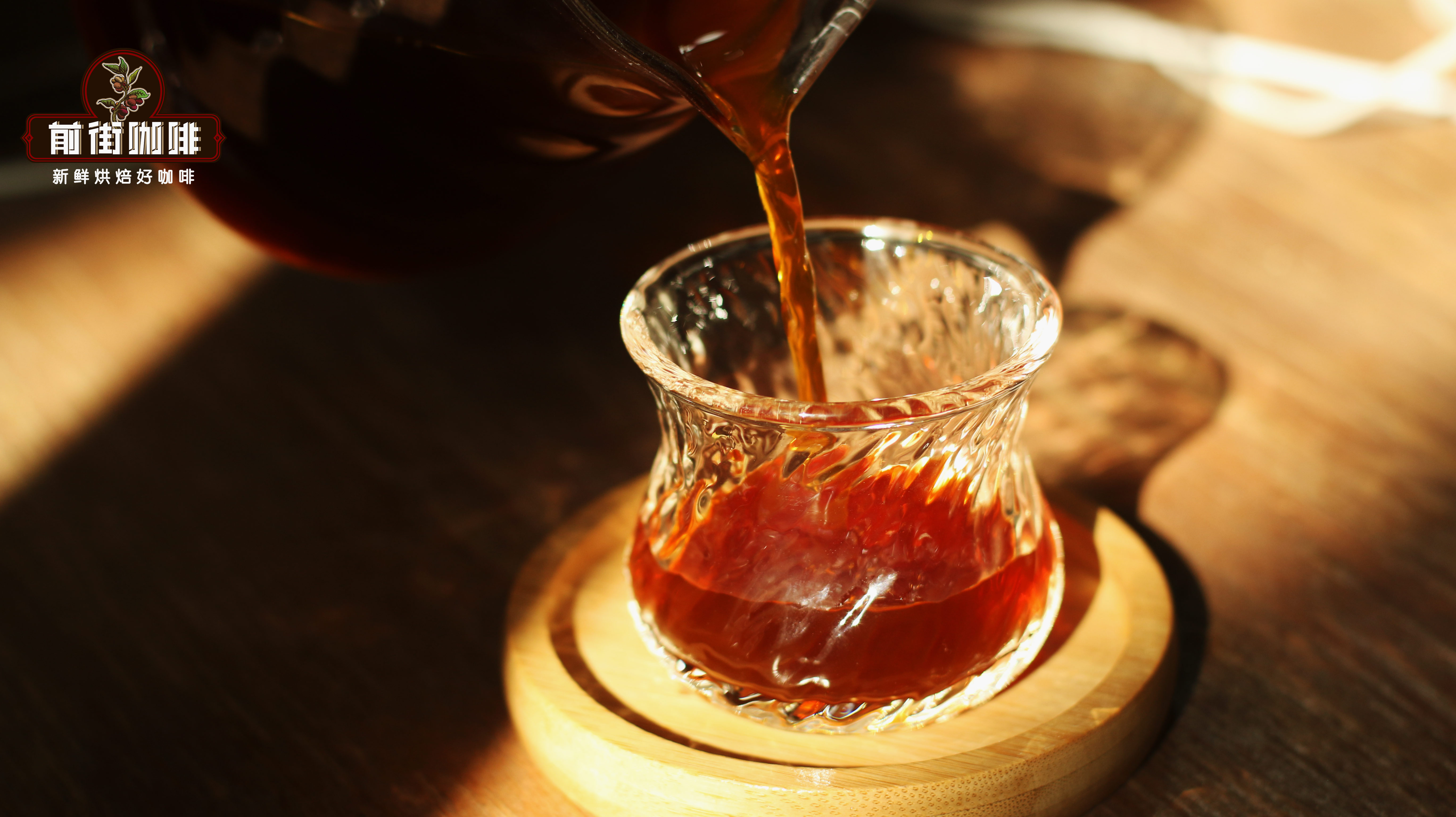
The finished pour over Blue Mountain No. 1 often exhibits rich aromas of dark chocolate and nuts. On the palate, it feels smooth and full-bodied, with a distinct almond-like aftertaste. As the temperature cools, roasted hazelnut and creamy sweet notes gradually emerge, interwoven with subtle soft acidity and caramel sweetness. The aroma is long-lasting and layered, making it an unforgettable classic coffee.
However, "Blue Mountain-flavored" coffees abound on the market. Though they claim to possess the characteristics of Blue Mountain coffee, most do not actually come from the Jamaican Blue Mountain highlands but instead simulate its flavor through blends or beans from other regions. Therefore, when purchasing, it's essential to confirm the authentic origin and grade to truly enjoy the unique charm of Blue Mountain coffee.
So, what qualifies as “authentic” Blue Mountain coffee? The answer is: only coffee grown within the specific elevation range of 1000 to 1700 meters in the Blue Mountains of Jamaica can be called Jamaica Blue Mountain coffee. This region mainly includes administrative areas such as St. Andrew, St. Thomas, St. Mary, and Portland. Due to the rugged terrain—some slopes even reach gradients of 60 degrees—harvesting is entirely done by hand, contributing to its rarity and preciousness.
These coffee trees grow in harsh environments, giving rise to beans with intense aroma and delicate flavor. It’s worth mentioning that a large proportion of Jamaica Blue Mountain coffee is exported to the Japanese market, accounting for over 80% of total production, where its popularity far exceeds that in other regions.
Notably, according to official regulations, only coffee produced within the defined 1000–1700 meter altitude range of the Blue Mountains is eligible to be labeled as “Blue Mountain.” However, there have been instances where large quantities of Blue Mountain coffee imported into Japan actually sold at volumes three times higher than the normal import amount, with many of those beans actually grown at altitudes below 1000 meters but still labeled as Blue Mountain. Even so, the green bean price for these coffees remains as high as 4000 to 5000 Japanese yen per kilogram (based on 2013 market prices), making them extremely expensive. In Japan, only some high-end cafés offer such coffee in limited supply.
Additionally, because Blue Mountain coffee is mostly grown on steep mountainsides, cultivation is not only difficult but also poses safety risks for workers and can easily lead to soil erosion. The Jamaican government no longer encourages planting in the most rugged areas. However, strong market demand remains, so in the 1930s, some Blue Mountain coffee seedlings were introduced to the eastern and western mountainous regions of Papua New Guinea, which also sit at elevations above 1000 meters and share similar climate conditions with Jamaica’s Blue Mountains, enabling the production of high-quality coffee beans. Interestingly, in the past, Japan also mistakenly identified or regarded these Papua New Guinean coffees as Blue Mountain, and confusion still exists today.
Regarding the grading system of Blue Mountain coffee, there is a rigorous classification standard. Coffees from the Jamaica Blue Mountain region are divided into three major categories: Blue Mountain Coffee, Jamaica High Mountain Supreme, and Jamaica Prime Coffee Beans. Within Blue Mountain and High Mountain coffee, there are two sub-grades each, ranked from highest to lowest quality: Blue Mountain No. 1, Blue Mountain No. 2, High Mountain No. 1, High Mountain No. 2, and Jamaica Prime Coffee.
Blue Mountain No. 1 and No. 2 are usually judged based on bean size and defect rate. According to the standards of the Jamaica Coffee Industry Board (CIB), Blue Mountain No. 1 green beans must be at least 17 mesh size or larger, with a defect rate of less than 3%, and a moisture content of about 13%. The highest-grade Blue Mountain coffee beans are No. 1 peaberry (PB), typically selected from plants grown at around 2100 meters altitude. These are not only rare but also boast rich, fruity aromatic profiles, with plump beans considered the pinnacle of Blue Mountain coffee.
In 1953, the Jamaican government officially legislated the boundary of the Blue Mountain production area, clearly stipulating that the term "Blue Mountain Coffee" could only be used for coffee produced in that specific region. Other regions, even if their flavor profiles are similar, are not allowed to use this name.
It’s worth noting that the coffee varieties grown in Blue Mountain and other parts of Jamaica are largely the same, primarily Typica. However, due to the harsh natural environment and strict selection processes, they develop their exceptionally refined flavor profiles. Although Typica offers an elegant flavor, it is susceptible to disease and has low yield, making it a delicate but demanding variety to cultivate. In recent years, some areas of the Blue Mountains have also begun experimenting with growing the Geisha variety, bringing more possibilities for the future flavor profile of Blue Mountain coffee. For instance, one coffee brand once launched a Geisha coffee from the Blue Mountain region, attracting significant market attention.
If you wish to personally experience the charm of authentic Blue Mountain coffee, it’s recommended to choose beans produced within the designated 1000–1700 meter zone of the Jamaican Blue Mountains, and pay attention to whether the grade and packaging are clearly marked as “Blue Mountain Coffee.” Only then can you ensure that what you have is a cup of coffee from the Blue Mountains, truly possessing legendary status.
The above content is compiled by CoffeeHunters, a coffee news website.


