







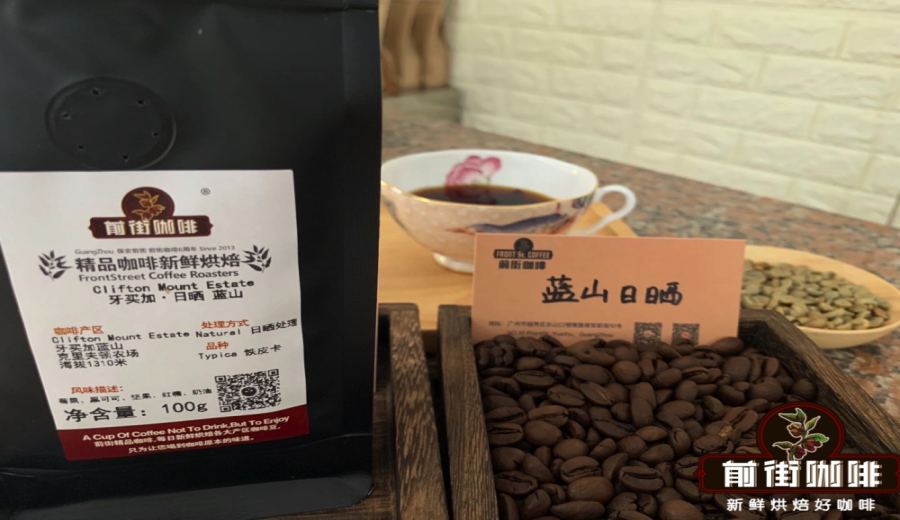
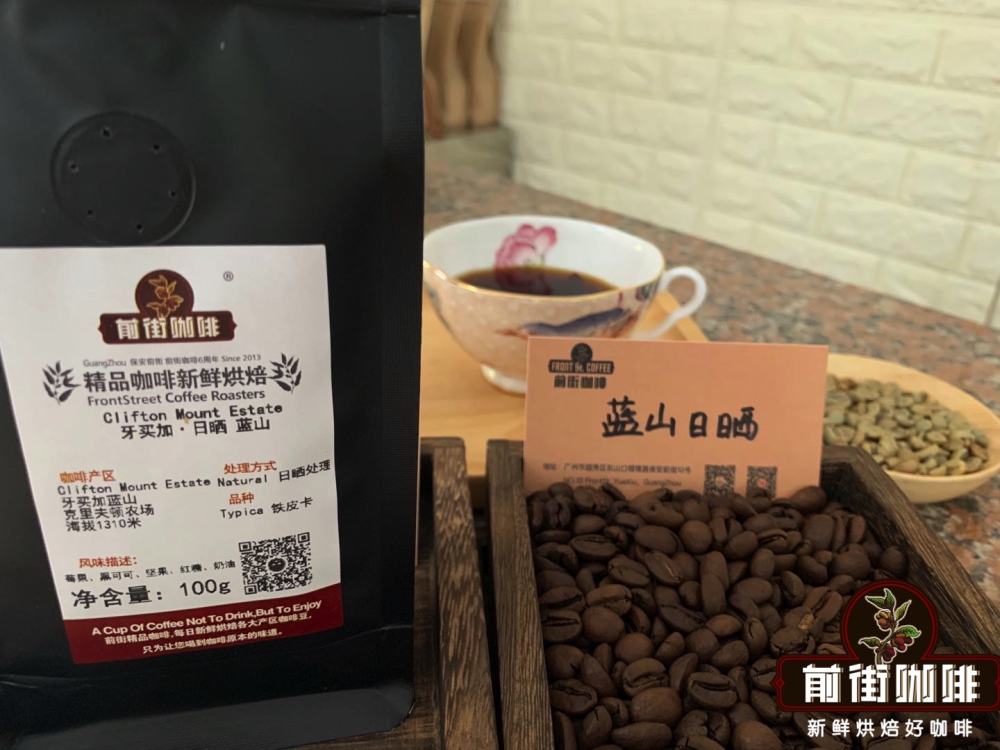
Introduction:Jamaica Blue Mountain No. 1 coffee is hailed as one of the world’s top-tier coffees, renowned for its balanced and delicate flavors as well as its rare production volume. However, there are numerous coffee products on the market labeled as “Blue Mountain.” How can you identify which ones are the authentic products truly from the Jamaica Blue Mountain range? This article delves into the growing environment, grading system, Typica variety characteristics of Blue Mountain No. 1, compares the differences between washed and natural processing methods, and provides professional pour-over recommendations along with flavor descriptions to help coffee enthusiasts fully grasp the essence of this legendary coffee.
The reason why Blue Mountain coffee is considered the pinnacle among global coffee lovers is not only due to its balanced and refined taste, but also because of its unique growing environment and rigorous production process. Many who have tasted genuine Blue Mountain coffee are impressed by its rich yet understated flavors: a well-balanced interplay of acidity, sweetness, bitterness, aroma, and body, with a smooth mouthfeel and long-lasting aftertaste. However, Blue Mountain No. 1 coffee is quite expensive and falls within the category of high-end specialty coffee, though it has become more accessible than in the past. Among them, the washed Blue Mountain No. 1 is particularly favored by beginners and advanced enthusiasts for its clear flavors and good value.
The market often sees many coffees claimed to be of “Blue Mountain style” or “Blue Mountain blends,” but most of these are not the authentic Blue Mountain No. 1 from the Jamaica Blue Mountain range. True Blue Mountain No. 1 coffee must be grown in the high-altitude zone of the Jamaica Blue Mountains at elevations between 1,000 and 1,700 meters and meet the strict standards set by the local Coffee Industry Board (CIB). For this reason, it is not only one of the most expensive coffees in the world but also regarded as the most rounded in flavor and the most stable in quality among top-tier coffees.
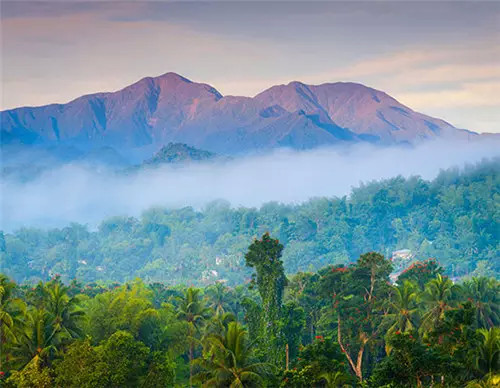
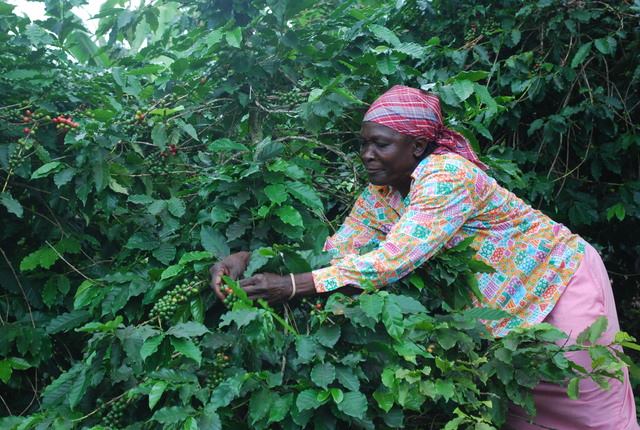
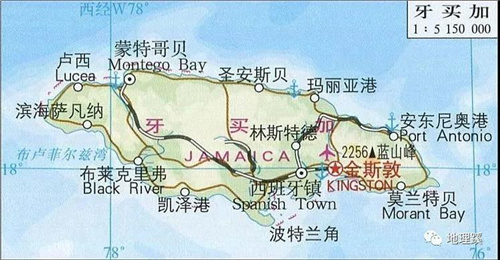
The Blue Mountain range is located in eastern Jamaica and gets its name from the pale blue haze that appears on the mountain peaks when sunlight reflects off the blue Caribbean Sea. This area boasts not only fertile volcanic soil but also enjoys abundant rainfall of nearly 2,000 mm per year on average and a consistently humid, mild climate. The region is often shrouded in fog, with minimal day-night temperature variation, providing ideal growing conditions for coffee trees. Blue Mountain coffee is primarily harvested from June to November each year, with skilled local female workers handpicking ripe red cherries. The selection process is rigorous, choosing only the most suitable fruits to ensure the highest quality of the final beans.
Blue Mountain coffee is divided into three main categories based on altitude and bean size: Jamaica Blue Mountain coffee, Jamaica High Mountain coffee, and Jamaica coffee. Among them, Blue Mountain coffee is further subdivided into four grades: NO.1, NO.2, NO.3, and Peaberry (abbreviated as PB). The grading criteria are mainly based on bean size and defect rate—for example, NO.1 requires 17/18 size beans with a defect rate not exceeding 2%. Only Blue Mountain No. 1 grown at altitudes between 1,000 and 1,700 meters can be classified as the highest-grade Blue Mountain coffee, offering the most consistent and delicate flavor profile.
(1) NO.1 – 17/18 size, defect rate no more than 2%
(2) NO.2 – 16/17 size, defect rate no more than 2%
(3) NO.3 – 15/16 size, defect rate no more than 2%
(4) Peaberry (PB) – 10MS, defect rate no more than 2%
Jamaica High Mountain coffee is produced at elevations between 500 and 1,000 meters. Though not as high in grade as Blue Mountain No. 1, it still shares similar terroir conditions and is an ideal choice for consumers seeking Blue Mountain-like flavors on a more limited budget.
As for coffee produced at elevations below 500 meters, it is collectively referred to as Jamaica coffee. This type of coffee usually has more ordinary flavors and is not included in the Blue Mountain classification. It’s worth mentioning that most Blue Mountain No. 1 coffee comes from the historic Clifton Estate, which is also the only coffee-producing area in Jamaica certified by the Rainforest Alliance. This certification indicates that the farm meets international sustainability standards in ecological conservation, biodiversity maintenance, limitation of chemical pesticides, and social responsibility. Its barrel packaging also features the green frog logo, symbolizing authenticity and high quality.
The unique flavor of Blue Mountain No. 1 coffee is inseparable from its cultivation of the Typica variety, which has been grown for over two hundred years. Typica, an Arabica species, is known for its classic elegant acidity and sweetness, but it grows slowly, has weak disease resistance, and yields low, resulting in a significant reduction in its cultivation area today. However, under the unique island microclimate of Blue Mountain and long-term adaptation, the Typica here has developed stronger disease resistance—especially greater resistance to coffee berry disease compared to other strains—resulting in stable and high-quality output.
In terms of processing methods, Blue Mountain No. 1 coffee initially mainly used washed processing. It wasn’t until 2019 that the Clifton Estate first introduced a small batch of natural-processed lots, adding more flavor possibilities to this product. Washed processing highlights the coffee’s cleanliness and bright acidity, making it suitable for those who prefer a clean and delicate taste; while natural processing brings out richer fruit aromas and fermentation layers, appealing to coffee lovers who enjoy bold and complex flavors. However, most experts still recommend washed Blue Mountain for its ability to better showcase the delicate balance inherent in Blue Mountain beans.
The washed processing procedure includes: selecting ripe red cherries, removing the pulp and skin, fermenting for 12 to 18 hours to remove the mucilage, rinsing with clean water, and then drying the semi-dry beans in the shade until the moisture content reaches 12%-14%. Finally, the beans undergo strict screening and are stored in barrels. Every step must be precisely controlled to ensure the purity and stability of the final flavor.
For brewing, it is recommended to use medium-dark roasted Blue Mountain No. 1, which can bring out nutty and cocoa notes. It is suggested to use a KONO filter, with a water temperature of around 88°C, a coffee dosage of 15 grams, a coffee-to-water ratio of 1:15, and a grind size similar to coarse sugar (approximately 75% passing through a 20-mesh sieve). The specific steps are as follows: wet the filter first, add the coffee grounds, then bloom with 30 grams of water for 30 seconds, followed by pouring in a circular motion to 125 grams for the first pour. After the coffee bed settles, continue pouring to 225 grams, with the total extraction time controlled to around 2 minutes. It is recommended to stir the brewed coffee before drinking to achieve the best flavor expression.
[Flavor Description]
Natural Blue Mountain: Features subtle berry acidity, such as dark plum and mulberry, with intense black chocolate and nutty aromas, slight fermentation notes, and an overall excellent balance.
Washed Blue Mountain: Exhibits distinct black chocolate and nutty tones, with a creamy-smooth mouthfeel, well-balanced acidity, sweetness, and bitterness, and a refreshing lingering aftertaste.

Although Blue Mountain No. 1 coffee is more accessible than before, it remains a high-priced specialty product. Whether to try it depends on personal taste preferences. If you wish to explore a more diverse coffee world, you might also want to sample the citrusy and lemony notes of Ethiopian coffee, the spicy and herbal layers of Indonesian coffee, or the vibrant floral and fruity aromas of Panamanian coffee. Each origin has its unique charm. No matter which one you choose, careful brewing and focused tasting will allow you to experience the boundless wonders of coffee.
The above content is compiled by CoffeeHunters, a coffee news website.


