







Introduction:Jamaican Blue Mountain coffee is renowned as one of the world’s top specialty coffees, yet its authenticity often causes confusion. This article delves into the three legal growing regions of Blue Mountain coffee, its rigorous grading system, and its unique tradition of barrel exports, helping you understand what constitutes genuine Blue Mountain coffee. It also provides expert pour over recommendations and flavor profiles to assist coffee enthusiasts in more accurately appreciating this legendary bean.
Jamaican Blue Mountain coffee is globally recognized as one of the finest specialty coffees, yet the market is flooded with imitation products labeled as “Blue Mountain flavor” or “Blue Mountain blends.” In reality, only coffee beans grown in the three designated regions of the Jamaican Blue Mountains qualify to bear the official title of “Blue Mountain coffee.” This article will detail the geographical background, historical origins, strict grading system, and traditional wooden barrel export method of Blue Mountain coffee, while analyzing pour over suggestions and flavor characteristics to give you a comprehensive grasp of the essence of this legendary coffee.
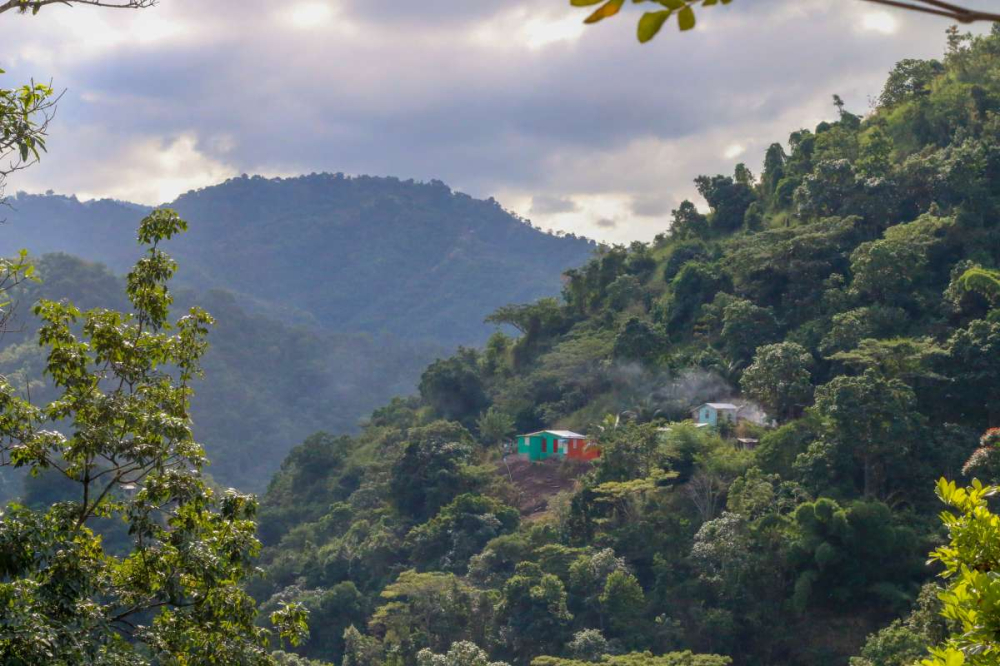
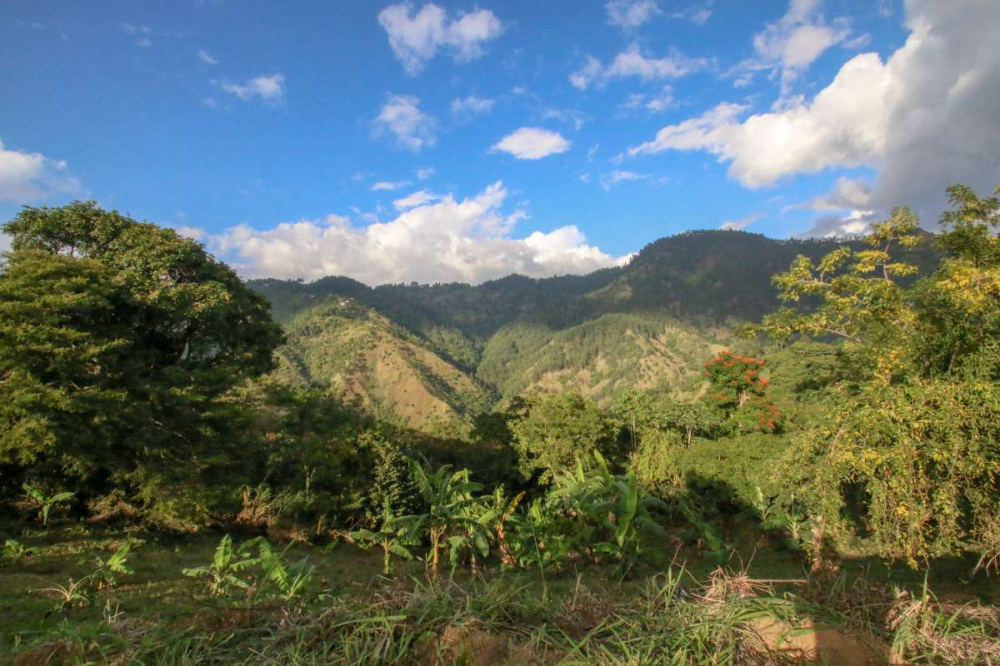
The fame of Jamaican Blue Mountain coffee stems not only from its outstanding flavor but also from its extremely limited production area. The Blue Mountains are the highest peaks of the Caribbean island nation of Jamaica and the only region in the country suitable for coffee cultivation. According to official delineation, the legal growing regions of Blue Mountain coffee include three key areas: St. Andrew, Portland, and St. Thomas. These three regions together form the core origin of Blue Mountain coffee and are considered sacred ground by coffee lovers worldwide.
Looking back at history, Jamaica established the Coffee Industry Board in 1950, responsible for setting and maintaining coffee quality standards, as well as granting official certification for both green and roasted beans exported from the country. This is considered one of the strictest national-level controls within the global coffee certification system. Currently, there are six officially recognized Blue Mountain origin marks, held by various processing and export entities across the regions. These certifications and seals are important indicators for identifying authentic products. Especially after 1969, with Japanese investment, the production techniques and quality management of Blue Mountain coffee reached new heights, establishing its position in the international premium market.
Although the total planting area of Blue Mountain coffee is only about 6,000 hectares, it once expanded to 18,000 hectares, which included other categories such as high mountain premium coffee and Jamaican Prime washed coffee. As a result, many products on the market that claim to be “Blue Mountain” actually do not come from the legal Blue Mountain regions. Currently, about 90% of Blue Mountain coffee is exported to Japan, with the remaining small portion distributed to markets such as the United States and the United Kingdom, making Blue Mountain coffee perpetually in a state of undersupply worldwide.
Blue Mountain coffee is divided into three grades based on altitude, processing method, and bean quality: Blue Mountain Coffee, Jamaica High Mountain Supreme, and Jamaica Prime Coffee. Among them, Blue Mountain Coffee is further subdivided into Blue Mountain No. 1 and Blue Mountain No. 2; Jamaica High Mountain Supreme is divided into High Mountain No. 1 and High Mountain No. 2, followed by Jamaica Prime Coffee. The ranking from highest to lowest quality is: Blue Mountain No. 1 > Blue Mountain No. 2 > High Mountain No. 1 > High Mountain No. 2 > Jamaica Prime Coffee.
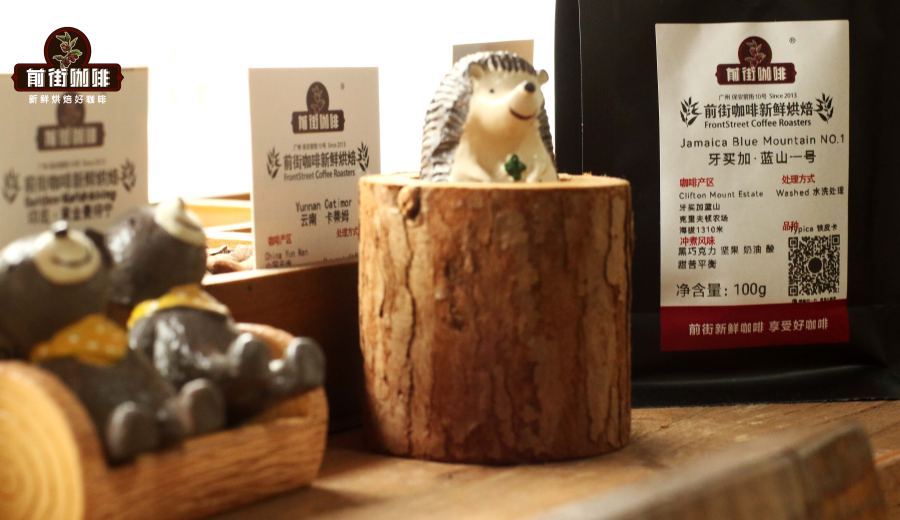
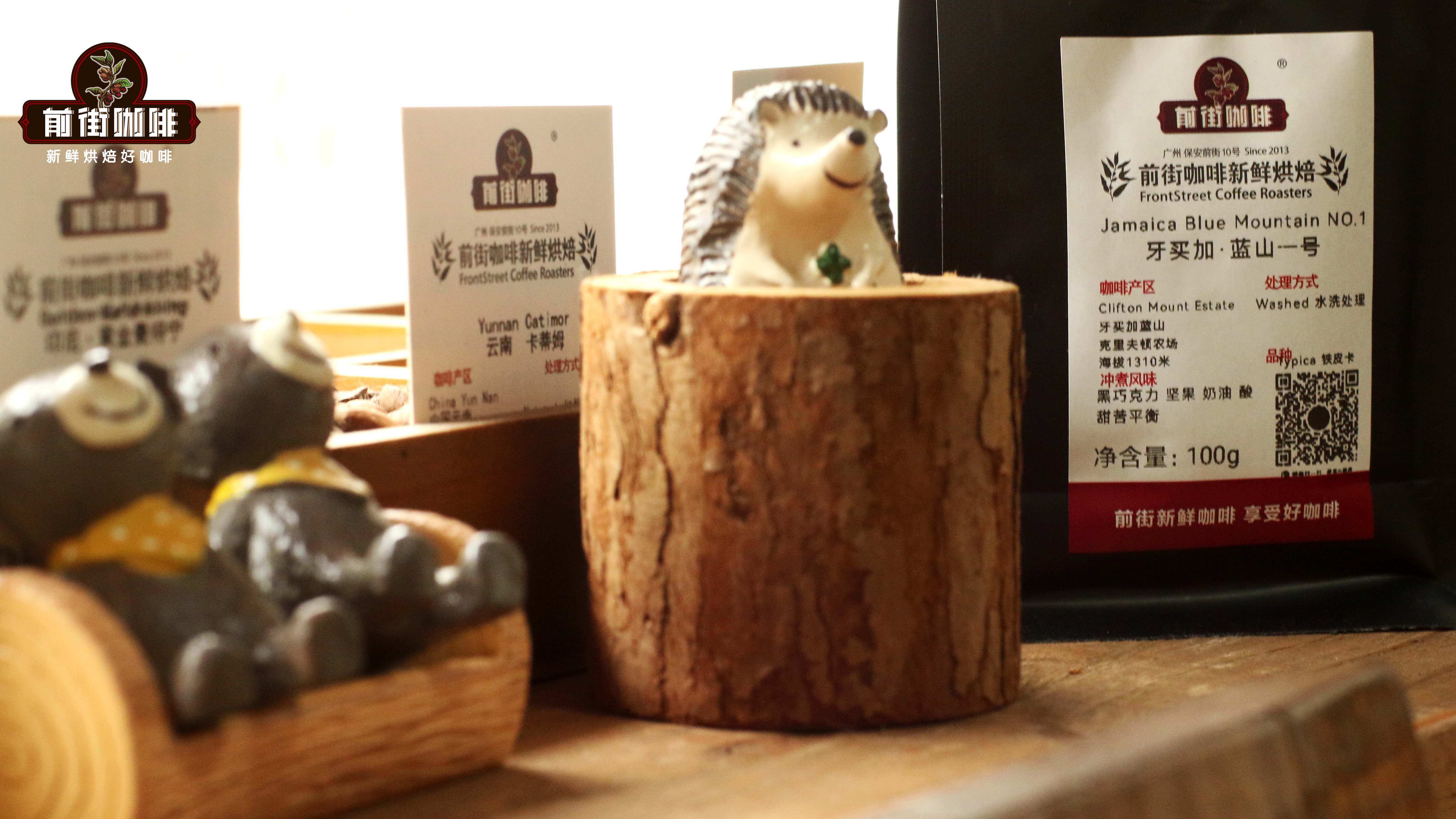
Blue Mountain No. 1 coffee beans mostly come from historic producers such as the Clifton Estate. This estate has been cultivating coffee since 1750, with an average altitude of about 1,310 meters (4,300 feet). The cool, foggy climate, combined with fertile volcanic soil and terraced farming methods, provides an ideal growing environment for coffee trees. The coffee variety planted in this region is Typica, and due to long-term geographic isolation, it has retained its original genetics and pure flavors, contributing to the unique taste profile of Blue Mountain coffee.
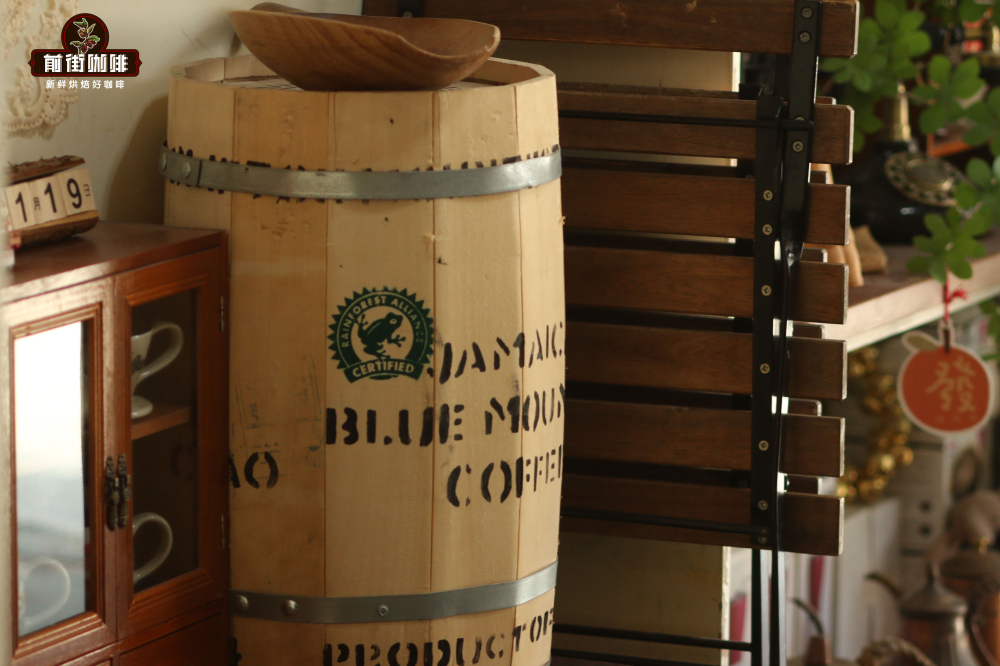
Blue Mountain coffee is always processed using the washed method, which is key to maintaining the consistency of its flavor. The washing process takes place in fermentation tanks equipped with a running water system. The fruit skin and pulp are first removed, followed by 12 to 18 hours of fermentation, then washing and drying. This traditional method effectively removes impurities while preserving the bean’s inherent aroma and balanced acidity-sweetness. Moreover, Blue Mountain coffee is one of the very few types still exported in wooden barrels, which are mostly sourced from temperate forests in the United States. These barrels help regulate humidity and temperature fluctuations during transit, ensuring the beans maintain optimal quality over long distances. Each barrel of Blue Mountain coffee comes with official Jamaican certification documents, including quality certificates, authorized sales certificates, and certificates of origin, allowing consumers to verify authenticity.
For roasting and brewing recommendations, Blue Mountain coffee is best suited for medium-dark roasts, which can fully showcase its rich and balanced characteristics. Pour over brewing is recommended to highlight its delicate flavors. It is advised to use freshly roasted beans (within about 5 days) and allow a 4 to 7-day rest period to bring out the optimal flavor. Specific pour over parameters are as follows: 15 grams of coffee, medium-coarse grind (approximately 75% passing through a #20 sieve), a 1:15 coffee-to-water ratio, water temperature around 87°C, using a Kono filter. Employ a three-stage pouring method—first pour 30 ml and bloom for 30 seconds, second pour 100 ml, and final pour 95 ml, for a total extraction time of about 2 minutes.
The flavor profile of Blue Mountain No. 1 coffee is exceptionally outstanding, with a clean taste, rich layers, and a mild, smooth mouthfeel. It showcases a pronounced chocolatey sweetness and a full body. The acidity is gentle and well-balanced, with almost no bitterness, and the finish carries a lingering fruity aroma. Overall, it presents a balanced and nuanced cup, often regarded as the “king of coffees” by many coffee professionals.
The above content is compiled by CoffeeHunters, a coffee news website.


