







Introduction:This article delves into the flavor evolution of Kenyan coffee beans—renowned for their acidity—after undergoing dark roasting, and includes practical testing of a 1:1 blend with dark-roasted Mandheling for espresso. From cupping and pour over to French press and espresso, it comprehensively analyzes changes in acidity, sweetness, body, and aroma, supplemented with brewing advice and roasting background to help readers understand the potential and applications of dark-roasted beans.
Kenyan coffee has long been cherished for its bright acidity and lively berry notes, but how does its flavor transform when subjected to dark roasting? This experiment selected two washed beans from Kenya’s renowned regions—Nyeri and Kiambu: the Aethiopia and Karogoto, both processed via dark roasting. The analysis spans various extraction methods to blending with dark-roasted Mandheling for espresso, examining the shifts in their flavor profiles.
After dark roasting, the originally prominent acidity of Kenyan beans significantly mellows, giving way to rich roasted aromas such as spices, chocolate, and caramel, though this may also weaken their celebrated floral and fruity characteristics. Practical tests showed that when dark-roasted Kenyan beans are blended 1:1 with Mandheling, not only do they produce a rich crema and full-bodied mouthfeel, but adding milk enhances their smooth and velvety texture, delivering a complex profile akin to dark chocolate paired with cranberry brownies.
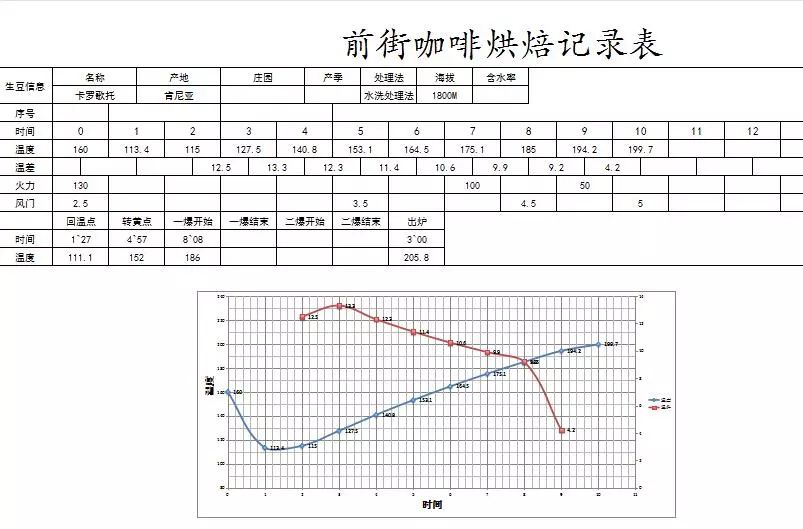
In the past, many coffee reference books classified Kenyan beans as suitable for dark roasting, a view quite at odds with today’s mainstream preference for light to medium roasts that highlight fruit acidity. To understand their true performance under dark roasting, we specially selected two washed beans from Kenya’s high-altitude regions—Karogoto (grown at 1,800 meters) and Aethiopia (grown between 1,550–1,750 meters), both processed using Kenya’s unique washed method and featuring the disease-resistant and flavor-rich SL28 and SL34 varieties.
These two bean varieties, grown at high altitudes, have dense beans that withstand roasting well. However, due to the structural traits of Bourbon-type varieties, they conduct heat slowly, often failing to fully express their flavor depth when roasted at medium or light levels. As a result, dark roasting becomes a fitting choice to bring out their inherent richness.

During the dark roasting process, we roasted both beans until the start of the second crack, with bean surfaces fully expanded, then promptly conducted cuppings. Results showed that dark roasting generally reduced the acidity of Kenyan beans, shifting the aroma toward woody and sweet profiles while retaining some of the unique berry undertones.
Taking Karogoto as an example, its original notes of dried tomato and berry acidity transformed into rich spices and almond aromas, with a more balanced mouthfeel. The “Little Tomato” profile shifted from clear citrus and blackcurrant acidity to a complex interplay of berries, citrus, and chocolate. Although the acidity diminished, the sweetness and body remained outstanding.
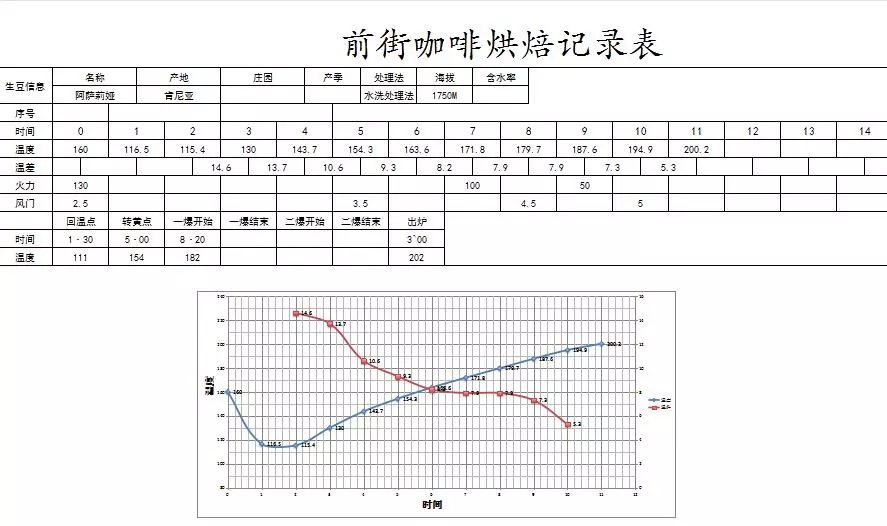
To further explore how dark-roasted Kenyan performs under different brewing methods such as pour over and French press, we selected the more layered Aethiopia beans for testing.
Pour Over Recommended Parameters: Use a V60 dripper, 16g coffee grounds, grind size set to medium-coarse (close to sugar granules), water temperature controlled at 88°C, brew ratio 1:16, total brew time around 2 minutes 15 seconds. The technique involves a 30-second bloom with 30g of water, followed by pouring 130g, a brief pause, then another 100g to complete the extraction.
Flavor Profile: This brewing method highlights pronounced floral and citrus dry aromas. The cup has a slight astringency but delivers clear notes of almond and berries, with a full body and a finish of cedar and caramel, leaving a mild citrusy aftertaste.
French Press Recommended Settings: Use a standard two-cup French press, also with 16g coffee, maintaining a medium-coarse grind, slightly lowering the water temperature to 87°C, with a brew ratio of 1:16 and a steeping time of 2 minutes 30 seconds. The process involves preheating the press, adding coffee grounds, pouring 30g of water for a 30-second bloom, then adding 230g of water, stirring, covering, and letting it sit before pressing down quickly.
This method yields coffee with more pronounced crema, a clean and refreshing mouthfeel, almost no astringency, and flavors dominated by citrus, almond, and caramel, with intense berry notes emerging mid-to-late, a subtle cedar base, and a long-lasting finish.
During testing, we found that the dark-roasted “Little Tomato” beans performed unexpectedly well with the French press, prompting us to further consider how they might fare as espresso. Typically, Kenyan beans as single origins struggle in SOE (single origin espresso) due to high acidity and thin body, so we experimented with blending them 1:1 with the rich and full-bodied dark-roasted Mandheling to make espresso.
The resulting espresso blend produced a rich crema, with a pronounced sweetness of caramel, chocolate, and peach, an almond tone running throughout, along with a full body and solid structure. When milk was added, the flavor turned creamy and smooth, resembling a dense brownie made with dark chocolate and cranberries, offering rich layers and easy drinkability—ideal for milk coffee lovers.
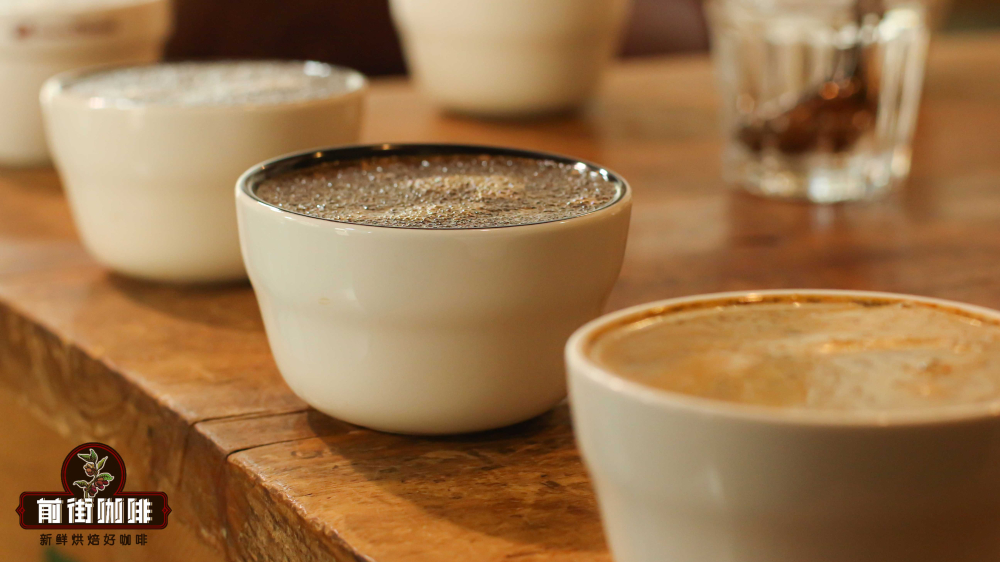
Overall, the test results show that dark roasting is a double-edged sword for Kenyan coffee: on one hand, the high heat brings out woody tones and rich caramel aromas, giving the coffee a fuller body and buttery texture; on the other, it can easily mask the original bright floral, fruity, and berry acidity, shifting the overall expression toward heavier, more intense flavors.
As a single origin, dark-roasted Kenyan beans require careful consideration of personal taste preferences; however, as a blend—especially with bold beans like Mandheling—it can achieve a balanced, harmonious profile, particularly well-suited for espresso and milk-based coffee.
Looking back at history, the concept of dark-roasted Kenyan coffee mainly stems from the second wave of coffee, when espresso culture was dominant, and roasting equipment and techniques were less refined, with relatively basic processing and quality control. To prevent the “underdeveloped” or “baked” outcome of high-density washed hard beans, roasters often opted for dark roasting to ensure thorough development, thereby creating the stereotype that Kenyan beans are suited for dark roasting.
With the rise of specialty coffee, more consumers and roasters have begun pursuing medium to light roasts that express regional characteristics, showcasing the beans’ native flavors through appropriate roast levels. Today, we have a broader perspective on roasting and brewing methods, allowing flexible adjustments based on the intended use and unlocking each bean’s full potential.
The above content is compiled by CoffeeHunters, a coffee news website.


