







Introduction:Indonesian Mandheling coffee is world-renowned for its rich, full-bodied flavor and unique herbal-woody aroma, making it an important representative of Asian specialty coffee. This article will delve into the distribution of Mandheling producing regions, variety characteristics, grading systems, and processing methods, and provide a detailed explanation of the key techniques and flavor impacts of the wet-hulled process. Whether you're a beginner or a coffee enthusiast seeking high-quality single origins, you'll gain practical tips on bean selection and brewing.
Mandheling coffee is one of the most representative specialty coffees from Indonesia, beloved for its rich, full-bodied taste and distinctive herbal and woody incense-like flavors. This type of coffee is primarily produced on the island of Sumatra, especially in the Gayo Highlands of North Sumatra. The region’s high altitude and organic farming environment yield premium beans with clean flavors and rich layers. This article will take you through a complete exploration of Mandheling—from producing regions and varieties to grading and processing methods—and offer professional brewing parameter suggestions to help you deeply experience the diverse charm of this classic coffee.
Traditionally, many believed that Mandheling appealed more to male consumers due to its bold and heavy flavors. However, in recent years, an increasing number of female drinkers have also come to love this coffee with depth and character. In fact, Mandheling is not only a benchmark of Asian coffee but also many beginners’ first step into experiencing Indonesian flavors. Its low acidity and pronounced herbal notes, paired with a full body, create a unique drinking experience.
Mandheling belongs to the Arabica species and originated in the Bukit Barisan mountain range in northern Sumatra, particularly in the Mandailing region. Compared to coffees from other regions, Mandheling has lower acidity but boasts strong herbal and earthy undertones. Within this brand’s product line, there are multiple options such as Lintong Mandheling, Golden Mandheling, Tiger Mandheling, and Aged Mandheling. Among these, Golden Mandheling, known for its strict selection and more balanced, cleaner flavors, is often considered the top choice for entry-level specialty coffee.
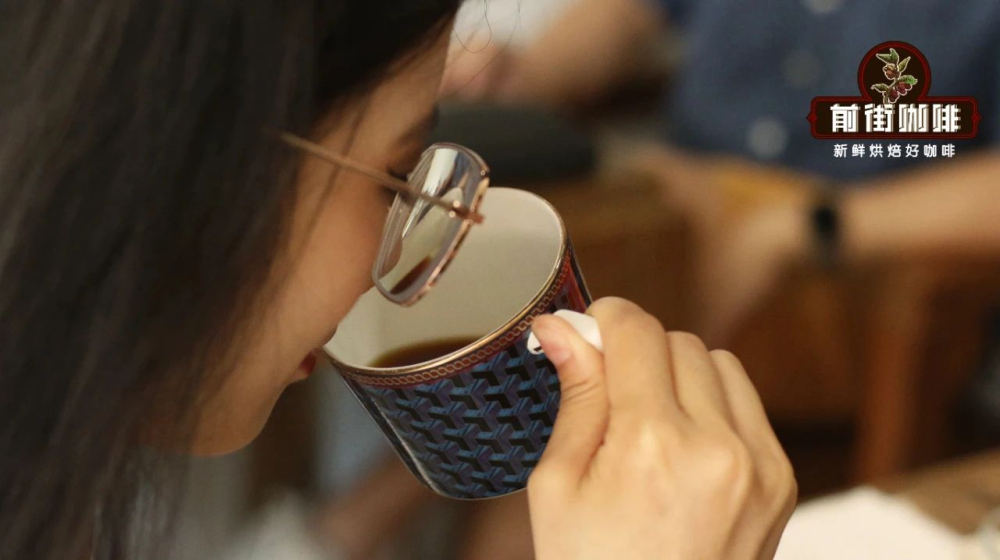
Coffee cultivation in Sumatra is mainly concentrated on the three major islands of Java, Sulawesi, and Sumatra, with approximately 90% being Robusta varieties. However, the Arabica from Sumatra is what truly captures market attention. Lintong and Mandheling are two well-known producing regions in northern Sumatra. Lintong is located on the highlands southwest of Lake Toba, featuring fertile, clay-rich soil with good drainage. Coffee trees are mostly scattered across fern-covered plateaus, grown entirely without shade and with almost no chemical inputs, typically managed by small private farms. Mandheling, on the other hand, is a broader classification that includes similar-flavored coffees produced in Lintong and surrounding areas such as Diari and the northern part of Lake Toba.
Among them, the Gayo Highlands are regarded as one of the highest-quality producing regions in Sumatra today, primarily cultivating old tree varieties at altitudes between 1,500 and 2,500 meters. The fertile soil and abundant water resources, combined with the local Gayo people’s use of organic farming methods—free from chemical fertilizers—result in uniquely flavored beans acclaimed as “green coffee.” The Gayo Highland Golden Mandheling launched by this brand comes from this region and is widely praised for its rich notes of nuts, caramel, and chocolate.
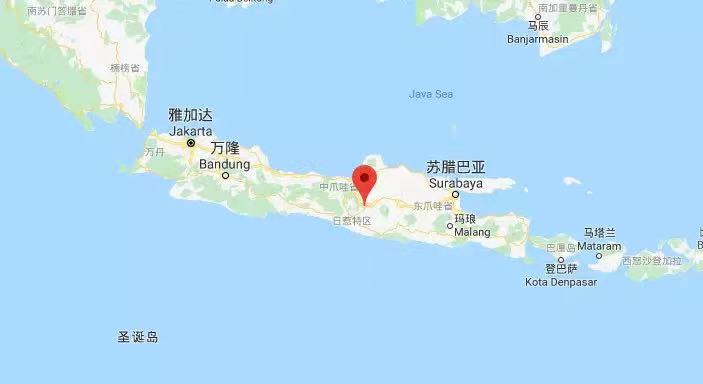
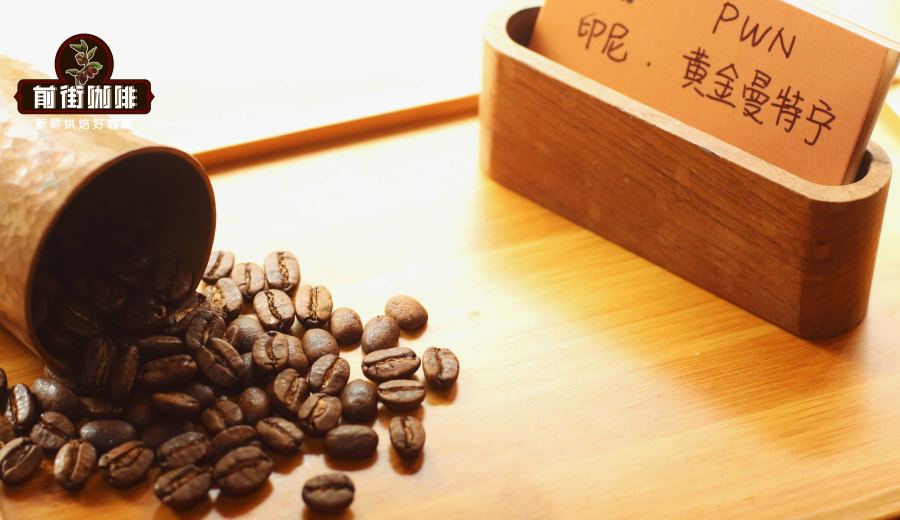
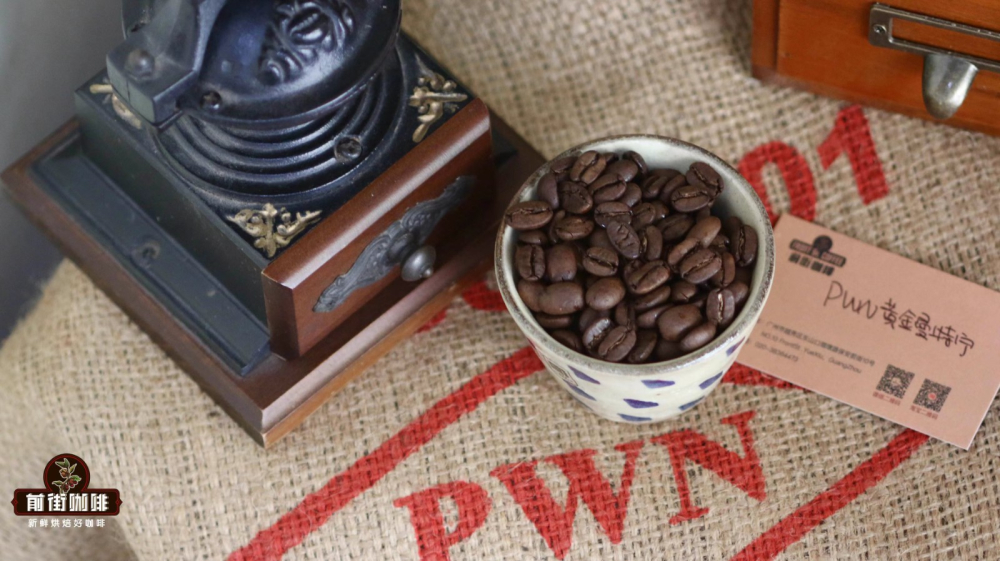
When it comes to Golden Mandheling, many immediately associate it with high quality and refined flavors. However, it’s worth noting that “Golden Mandheling” is not a coffee grading term but a trademark registered by Indonesia’s PWN (Pusat Penyangga dan Pemasaran Kopi Nusantara). Established in 1957, PWN was one of the first companies to successfully introduce North Sumatran coffee to the international market, especially Japan. Since 1977, PWN has focused on exporting premium coffee, and its Golden Mandheling is renowned for its rigorous selection process: only G1 grade beans sized 19 mesh and above, with plump beans, are chosen. These undergo both machine sorting and three rounds of manual selection to ensure that no more than 3 defective beans are found in every 300-gram sample.
As a result, although many products on the market claim to be “Golden Mandheling,” only those officially certified by PWN, accompanied by corresponding certificates and sack markings, are the genuine PWN Golden Mandheling. Consumers should pay special attention to origin information and certification details when purchasing to avoid mistakenly buying ordinary specialty-grade Mandheling.
Indonesia’s coffee grading system is primarily based on the ratio of defective beans and the number of hand-sorting rounds, divided into five grades from G1 to G5, with G1 being the highest. In addition to the general grading, the Sumatra region also has subdivisions for specific producing areas, such as Mandheling, Golden Mandheling, Lake Tawar coffee, and Aged Mandheling. The Lintong Mandheling and Golden Mandheling offered by this brand both belong to the high-quality G1 grade, suitable for coffee lovers seeking pure and layered flavors.
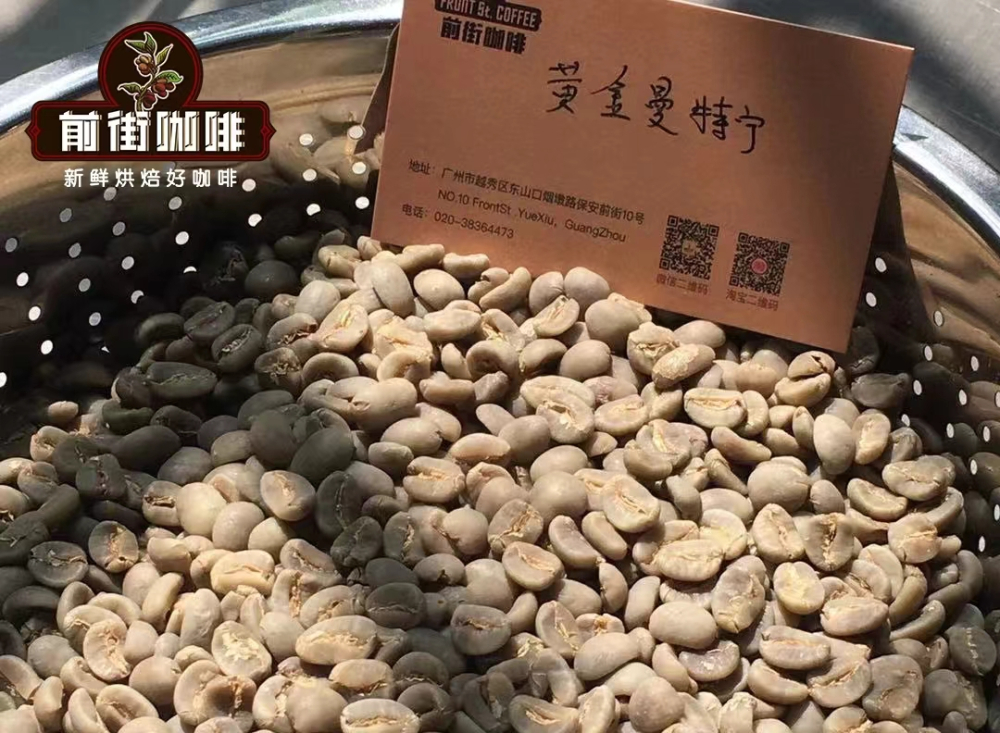
The main coffee varieties of Mandheling include Ateng and TimTim. The former is another name for Catimor, while the latter is a Timor variety with Robusta lineage. Since these varieties all contain Robusta genes and are generally planted at lower altitudes, they struggle to develop significant acidity or complex aromas. As a result, Mandheling often exhibits strong herbal, spicy, and woody notes, which are among its most distinctive flavor characteristics.
In terms of processing methods, the tropical rainforest climate and hot, humid environment of Sumatra make traditional washed and natural processes difficult to implement, leading to the development of the unique “wet-hulled” method. In this process, after harvesting, the coffee fruit is first depulped and the flesh removed. It then undergoes brief fermentation before being sun-dried to a moisture content of about 30%-50%. The mucilage layer is subsequently removed, and the beans are dried further until the moisture level reaches 12%-13%. Because the parchment layer is removed while the beans are still semi-dry, it can easily cause physical damage to the beans, resulting in a relatively high defect rate that requires strict hand sorting. Yet, it is precisely this special process that gives Mandheling its rich, full-bodied, low-acid, and distinctly woody flavor profile.
For brewing Mandheling, it is recommended to use freshly roasted coffee beans to fully showcase their rich aroma and layered complexity. This brand suggests that the optimal drinking period is within 5 days post-roast, with a resting period of about 4 to 7 days. If choosing to grind the beans, it is advised to brew them promptly to avoid oxidation affecting the flavor. When brewing, you can use a Kono filter cone with a medium-fine grind (75% passing through a #20 sieve), a 1:15 coffee-to-water ratio, 88°C water temperature, and a step brewing method: start with a 30-second bloom using 30 grams of water, then pour in small streams up to 125 grams for the first pour, followed by subsequent pours, reaching a total of 225 grams with an overall extraction time of about 2 minutes. This approach fully highlights Mandheling’s full body and balanced profile.
In summary, Mandheling coffee is not only the pride of Indonesia but also an important symbol of Asian specialty coffee. From the herbal richness of Lintong to the clean balance of the Gayo Highlands, to the refined selection of PWN Golden Mandheling, each variety showcases unique regional terroir and craftsmanship. Whether you're a newcomer exploring Indonesian coffee or an advanced enthusiast seeking high-quality single origins, you can find your own flavor story within the world of Mandheling.
The above content is compiled by CoffeeHunters, a coffee news website.


