







Introduction:Jamaican Blue Mountain coffee is renowned as the "King of Coffees." Its unique flavor profile and cultivation conditions have captivated coffee enthusiasts worldwide. This article delves into the geographical and climatic advantages of the Blue Mountains, explores the grading system and washed Typica variety characteristics of Blue Mountain coffee, and provides practical pour-over parameters and steps — from bean selection to brewing — to help you enjoy the nutty, chocolatey, and citrusy layers of Blue Mountain No. 1 at home.
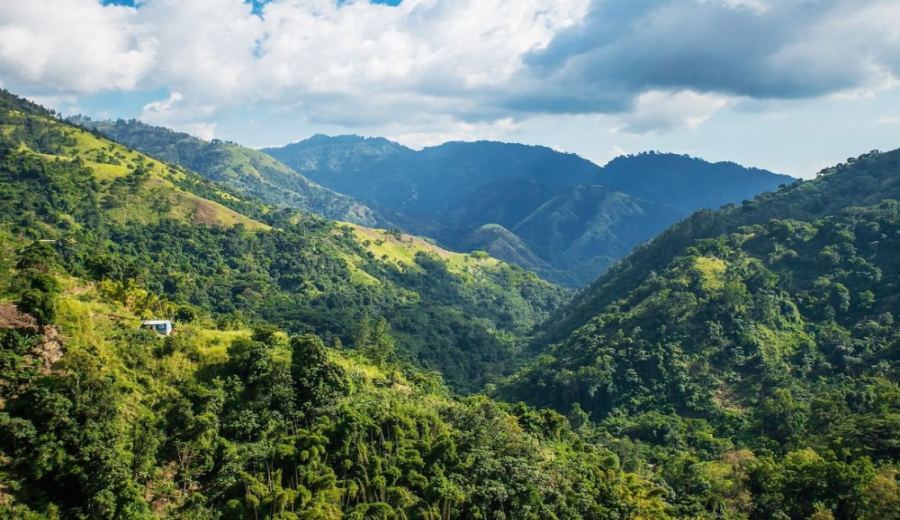
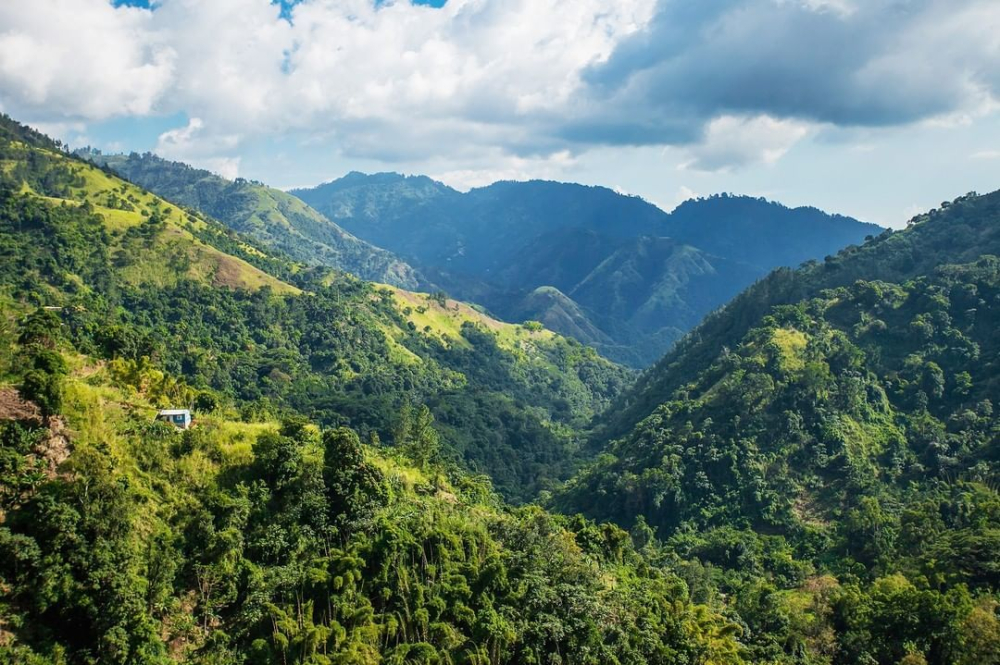
The reason Jamaican Blue Mountain coffee is hailed as the "King of Coffees" lies not only in its rarity and preciousness, but also in its exceptional geographical environment and long-standing cultivation history. The Blue Mountains are located in eastern Jamaica, and legend has it that the name comes from the breathtaking sight of the blue glow reflecting off the mountains when sunlight hits the sea. This mountainous region not only lies within the global "coffee belt," but also boasts fertile volcanic soil, suitable altitude, and a year-round humid and misty microclimate with an average annual rainfall of up to 1,980 millimeters — providing nearly perfect growing conditions for coffee trees.
Coffee cultivation in Jamaica dates back to the early 18th century. In 1717, King Louis XV of France ordered the planting of coffee in the area. Then, in the mid-1720s, Sir Nicholas Lawes, then Governor of Jamaica, introduced Arabica seeds from Martinique and promoted their cultivation in the St. Andrew area, which remains one of the three major producing regions of Blue Mountain coffee to this day. The other two main regions are Portland and St. Thomas. It is recorded that within just eight years of introducing the seeds, Jamaica’s coffee exports exceeded 375 tons. By 1932, annual coffee production once reached as high as 15,000 tons, and in 1950, the government established the "Jamaica Coffee Industry Board" to set quality standards and oversee enforcement, ensuring the utmost standard of exported products. It is one of the few official bodies in the world that certifies the highest-grade coffee with official seals.
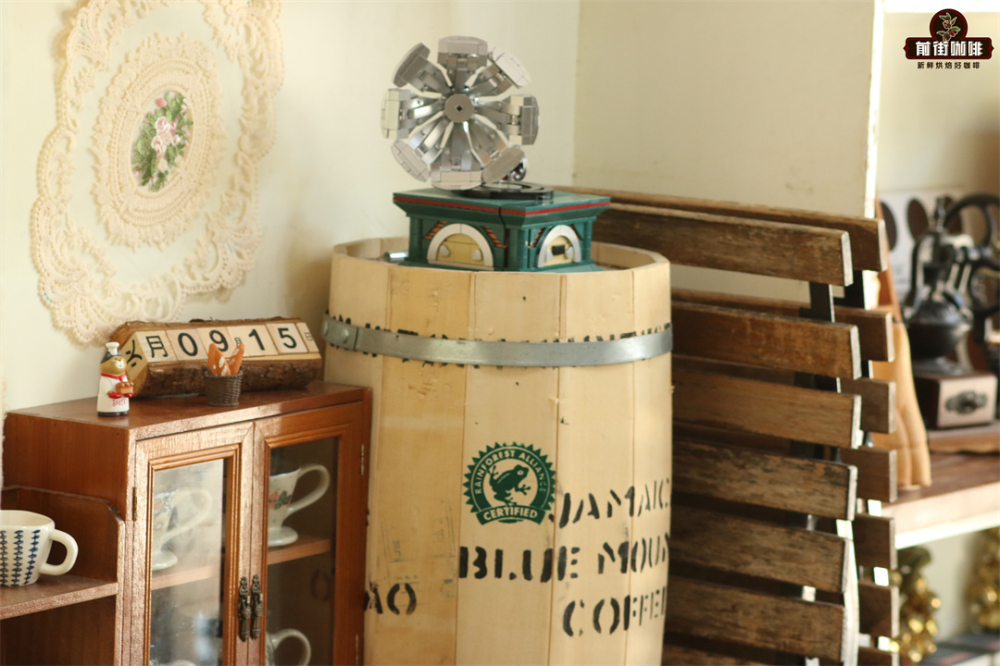
Currently, there are six officially certified Jamaican Blue Mountain coffee logos, each originating from different producers and associations, and each must undergo strict scrutiny. Starting in 1969, with the assistance of Japanese funding, local production techniques and quality management were further improved. It is worth mentioning that even today, Jamaica remains one of the few countries that still transport coffee in wooden barrels, and only coffee that has passed the strict certification of the Jamaica Coffee Industry Board (C.I.B.) can be legally labeled as "Blue Mountain" and receive an official certificate.
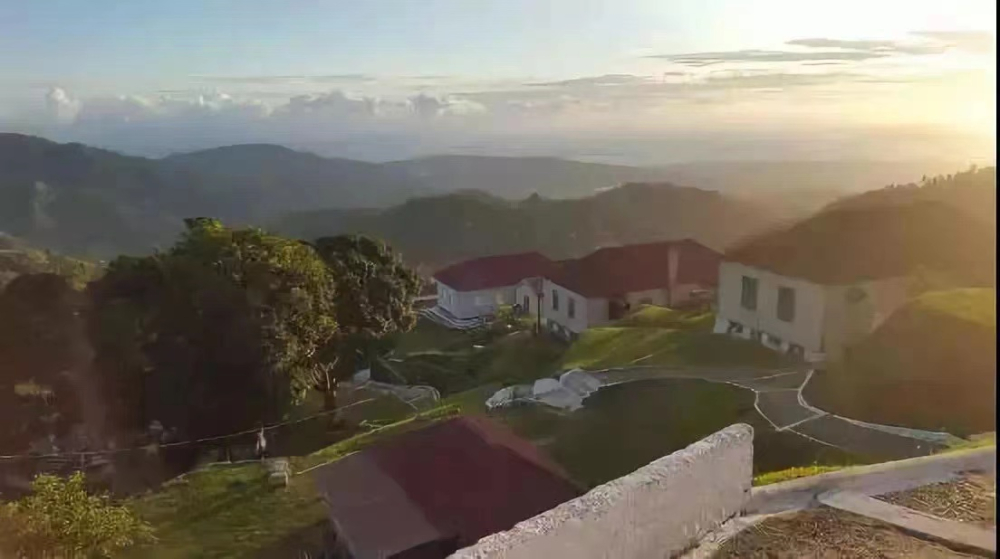
As for the cultivation area of Blue Mountain coffee, it is actually not as vast as the outside world imagines. The entire Blue Mountain region has only about 6,000 hectares suitable for coffee cultivation, with altitudes above 1,700 meters designated as nature reserves where farming is prohibited. The actual area where Blue Mountain coffee can be grown is between 910 and 1,700 meters above sea level. However, many coffee products on the market that claim to be "Blue Mountain" may not all come from this core region. Therefore, understanding the grading of Blue Mountain coffee is a key factor in selecting authentic products.
Jamaican Blue Mountain coffee is divided into three major categories based on production area and quality: Blue Mountain Coffee, Jamaica High Mountain Supreme Coffee Beans, and Jamaica Prime Coffee Beans. Among them, Blue Mountain Coffee is further subdivided into Blue Mountain No. 1 and Blue Mountain No. 2, and Jamaica High Mountain Supreme Coffee Beans is also divided into High Mountain No. 1 and High Mountain No. 2, plus Jamaica Prime Coffee Beans, making a total of five grades. The market universally recognizes Blue Mountain No. 1 as the highest quality, and top-tier beans of this grade can be purchased through relevant channels.
The flavor profile of Blue Mountain No. 1 has always been known for its balance. With medium-dark roasting, the acidity, sweetness, and bitterness are harmonious, often featuring delicate notes of nuts and chocolate, with a smooth and comfortable aftertaste, earning it a reputation as a model in the coffee world. This high quality stems from its long-term use of the washed processing method and the Typica variety. Washed processing is a traditional and stable refining method: after harvesting, coffee cherries first undergo flotation to remove unripe fruits, then the pulp and skin are mechanically removed, followed by fermentation to eliminate the mucilage layer. This process not only reduces moisture content but also shortens drying time, minimizing defect rates. Mature washed processing techniques further highlight the clean mouthfeel and bright acidity of the coffee. As one of the oldest Arabica varieties, Typica has low yield and is susceptible to pests and diseases, but it offers an exceptionally refined flavor, serving as an important foundation for the consistency of Blue Mountain coffee's taste.
Blue Mountain coffee is subdivided into three major grades based on altitude and production area: only coffee grown between 910 and 1,700 meters above sea level can be called "Jamaican Blue Mountain Coffee"; coffee produced at altitudes between 460 and 910 meters is classified as "Jamaican High Mountain Coffee"; and coffee grown below 460 meters is considered "Jamaican Prime Coffee." In other words, not all coffee labeled as Blue Mountain actually comes from the core area of the Blue Mountains. Consumers should pay attention to the production area and certification labels when purchasing.
If you want to recreate the classic flavor of Blue Mountain No. 1 at home, brewing parameters and techniques are crucial. Take the Blue Mountain No. 1 produced by the Clifton Estate as an example: it is grown at an altitude of 1,310 meters, uses washed processing and the Typica variety, is medium-dark roasted, and features flavor notes of chocolate, nuts, and cream, with balanced acidity, sweetness, and bitterness. It is recommended to use fresh, soft mineral water, such as filtered water like Yibao, to avoid hard water affecting the extraction flavor.
Recommended brewing parameters are as follows:
Coffee dosage: 15 grams
Coffee-to-water ratio: 1:15
Water temperature: 88°C
Grind size: medium-coarse (recommended 60% passing rate through a 20-mesh sieve)
Three-stage pour-over steps:
1. Start by pouring 30 grams of water for blooming, for about 30 seconds. It is recommended to use a gentle circular motion with small circles, moving from the center outward.
2. After blooming, continue pouring slowly with a small stream of water in small circles from the center outward until you reach 125 grams.
3. When the coffee bed has descended by about half, switch to a slightly larger stream and pour until you reach 225 grams. The total coffee-to-water ratio is 1:15. Once the coffee liquid in the filter has completely dripped through, remove the filter and complete the extraction.
Coffee brewed with these parameters typically presents a mild citrus acidity, an overall smooth mouthfeel, prominent nutty aromas in the mid-palate, and a rich dark chocolate aftertaste. When tasting, it is recommended to start by smelling the dry aroma and wet aroma, savoring the captivating notes of nuts and caramel, then take a sip to experience the exquisite balance of acidity, sweetness, and bitterness, as well as the lingering sweetness after swallowing — fully experiencing the regal character of Blue Mountain coffee.
The above content is compiled by CoffeeHunters, a coffee news website.


