







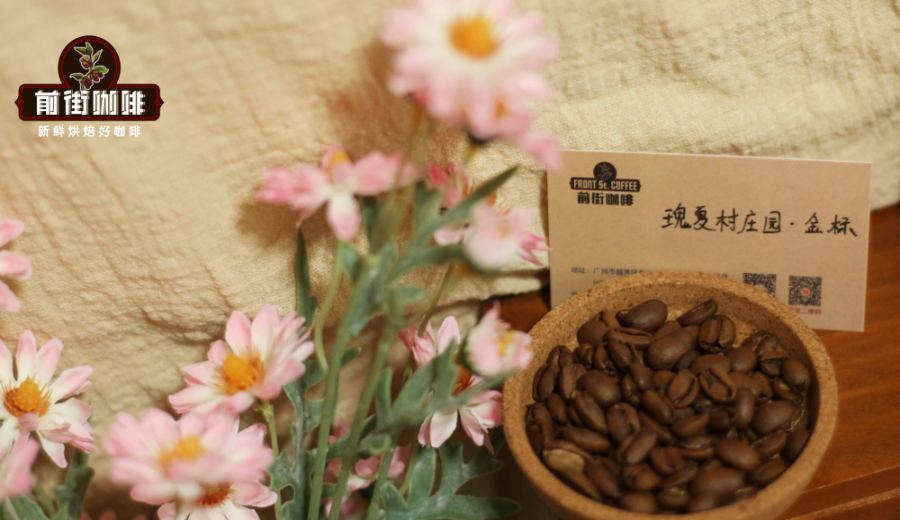
Introduction:Explore the origins and evolution of Geisha coffee, from its wild origins in Ethiopia’s Gesha highlands to the rise of Panama auction-grade Geisha, and the establishment of the Geisha Village Estate and the birth of its Red Label. This article provides an in-depth analysis of the Geisha Village Red Label’s variety, origin, processing method, along with practical pour-over parameters and flavor profiles to help you fully appreciate the charm of this top-tier coffee bean.
Geisha coffee is now one of the most celebrated items in the specialty coffee market, captivating coffee lovers worldwide with its delicate floral aromas, vibrant tropical fruit notes, and tea-like light body. However, this coffee, which has shone brightly in regions such as Panama and Colombia, actually originates from the high-altitude Gesha mountains in southwestern Ethiopia. Understanding the history and development of Geisha can help us better appreciate the unique qualities of this legendary bean.
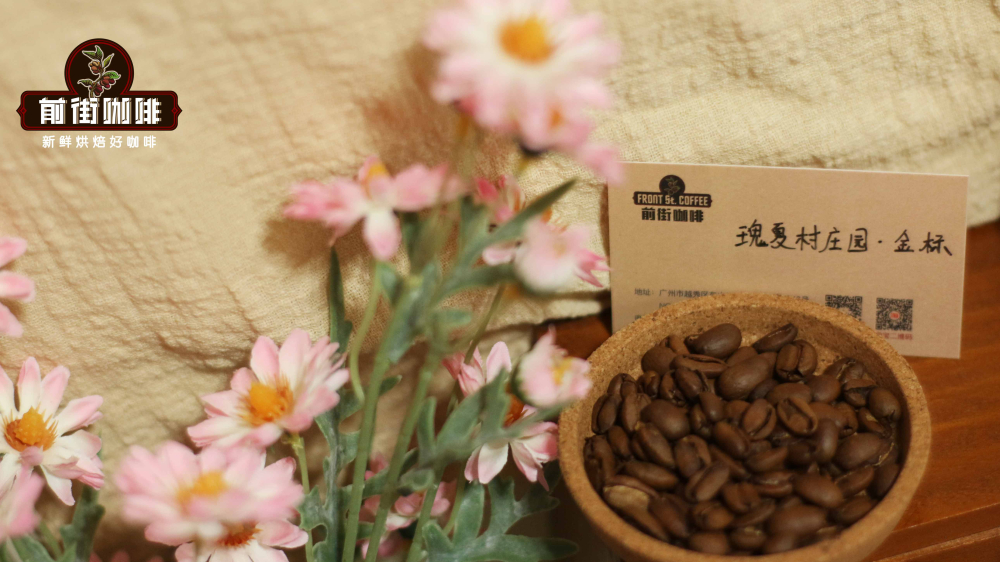
With the rise of the third wave of specialty coffee, Geisha has become a dream coffee for many enthusiasts due to its intricate and varied flavor profile. From Panama’s Emerald Auction Red Label Geisha, priced at up to 350 RMB per 100 grams, to the relatively more affordable Red Label from Ethiopia’s Geisha Village at around 98 RMB, Geisha not only showcases exceptional flavor potential but also reflects how origin, variety, and processing methods profoundly impact a coffee’s final expression. Its enchanting floral and fruity aromas, bright acidity, and silky tea-like body make it feel like sipping a beverage made from a bouquet of flowers.
In fact, Geisha is not exclusive to a single origin. It is grown in various parts of the world, including Panama, Guatemala, Colombia, and even Jamaica’s Blue Mountains. However, tracing back to its roots, Geisha was originally an ancient Ethiopian landrace, initially sent to Costa Rica for research purposes and later spread to other regions. Long overlooked, it wasn’t until 2004 when the Hacienda La Esmeralda estate in Panama isolated it from other varieties and won a competition that Geisha emerged as a legendary variety in the specialty coffee scene.
The English name “Geisha” sounds similar to the Japanese traditional term for geisha performers, but it actually has no connection to Japan. The name comes from Ethiopia’s Gesha mountain region and was mistakenly associated with geishas due to phonetic similarity. Though the correct Chinese transliteration is “瑰夏,” various translations still exist. This coffee gradually gained a reputation for high prices and premium quality in Panama, largely due to its scarcity and outstanding cupping performance. For example, during the 2019 Best of Panama (BOP) competition, Geisha fetched over 1000 USD per pound, setting a record for the most expensive coffee at the time.
When discussing the origins of Geisha, one cannot overlook the Gera Forest in Ethiopia’s Bench-Maji Zone. In 2007, documentary filmmaker Adam Overton and his photographer wife Rachel Samuel, while filming a coffee documentary for the Ethiopian government, first set foot in this pristine forest area located southwest near South Sudan. This journey not only gave them a renewed appreciation for Ethiopia’s rich coffee heritage but also inspired the idea of establishing the Geisha Village Estate.
In 2009, through interactions with renowned BOP judge and Finca La Mula owner Willem Boot, the Overtons decided to return to Ethiopia to seek the original source of Geisha. In 2011, they arrived in Bench-Maji and unexpectedly discovered multiple wild Geisha varieties in the forest, with the most significant being the Gori Geisha forest, believed to be the original discovery site of Geisha. They collected seeds from native trees, carefully selected them, and established the Geisha Village Coffee Estate on approximately 475 hectares of land about 12 miles from the original forest, beginning cultivation of the Geisha variety.
Unlike the common smallholder mixed-variety farming model in Ethiopia, the Geisha Village Estate is a 500-hectare professional farm equipped with its own washed processing plant and laboratory. It focuses exclusively on cultivating the Geisha variety without mixing in other Ethiopian landraces. The estate is divided into eight plots, growing three main lineages: Gesha1931, Gori Gesha, and Illubabor, all sourced from surrounding forests—not Panama—ensuring varietal purity and regional characteristics.
In 2015, Geisha Village had its first harvest and held its first international auction in 2017, offering 21 micro-lots of Geisha, 19 of which were 120 kg each, with the rest in smaller batches. The auction received enthusiastic responses from buyers globally, with the highest bid reaching 85 USD per pound, setting a new historical high for coffee auction prices in Africa.
Based on microclimatic conditions, the estate plants the most suitable varieties in each of its eight plots. For example, the Shewa-Jibabu plot in the northwest, with elevations between 1973 and 2069 meters, is the source of this Red Label Geisha. Due to its high altitude, significant day-night temperature variation, and moderate shading, this plot produces distinctive flavor characteristics.
Geisha Village currently focuses on planting three main varieties: Gesha1931, considered the closest lineage to Panama’s Geisha parent; Gori Gesha, which the estate owner personally collected from the Gori Geisha wild forest in 2011 and has not been found elsewhere; and Illubabor, provided by Ethiopia’s Coffee Research Center. These varieties exhibit distinct flavor profiles depending on the environmental differences of each plot.
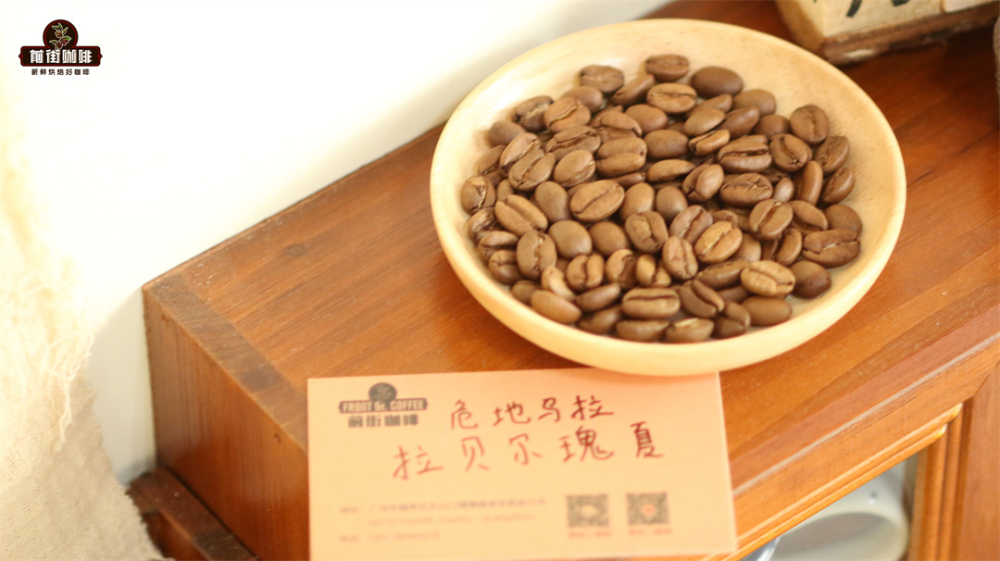
The brand’s Geisha Village Red Label is processed using the natural (sun-dried) method, sourced from the Shewa-Jibabu plot at an altitude of about 1973–2069 meters, with the Gori Gesha variety. During processing, floaters and impurities are first removed, then the beans are placed on African raised beds in thin layers and covered with plastic sheeting for sun drying. Throughout the process, the beans are repeatedly sorted to remove defective ones, with a total drying period of 18 to 30 days. This sun-dried method imparts a rich sweetness and soft acidity to the Geisha, with a layered flavor profile showcasing intense fruity notes.
The brand recommends the following pour-over parameters for this Geisha Village Red Label: 15 grams of coffee, a 1:15 coffee-to-water ratio, using a medium-fine grind with a 20-number sieve passing rate of 78%, water temperature controlled at 91°C, paired with a V60 filter. Begin with a 30-second bloom using 30 grams of water, then pour in a slow circular motion until reaching 125 grams for the first pour. When the water level is about to expose the coffee bed, continue pouring to 225 grams, then stop and let the water level drop before removing the filter. Total brew time is about 2 minutes.
Brewed with these parameters, the Geisha Village Red Label exhibits pronounced citrus acidity and a full body at high temperatures. As it cools, the acidity softens, shifting flavors to yellow stone fruits, creamy sweetness, and subtle floral notes, with a black cocoa finish. Upon further cooling, sweet berry and maple syrup undertones emerge. The overall flavor profile is rich and persistent, making it a premium Geisha coffee ideal for slow, mindful enjoyment.
The above content is compiled by CoffeeHunters, a coffee news website.


