







Introduction:Sumatra Mandheling is renowned for its intense spices, herbal aromas, and distinctive earthy flavors. It is cherished by some coffee enthusiasts yet off-putting to others. At the heart of this lies Indonesia’s Sumatra-specific “wet hulling” processing method. This article delves into the details of this process, uncovering how it creates Mandheling’s unique taste profile, and provides an in-depth comparison between two classic regional varieties—Lintong Mandheling and Golden Mandheling. From origin elevation and processing grade to pour over recommendations, this comprehensive guide will help you fully understand this iconic coffee.
In the world of specialty coffee, Sumatra Mandheling has always stood out with its bold and highly distinctive flavor. This flavor profile stems not only from Sumatra Island’s natural environment but is also inseparably linked to the local “wet hulling” processing technique. This semi-washed method gives rise to the common spice, herbal, and subtle earthy notes found in Mandheling coffee, and has become a focal point of debate among many coffee lovers.
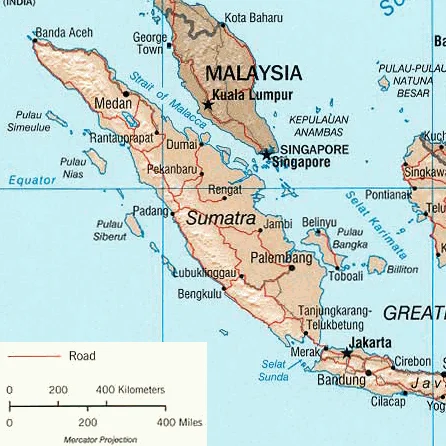
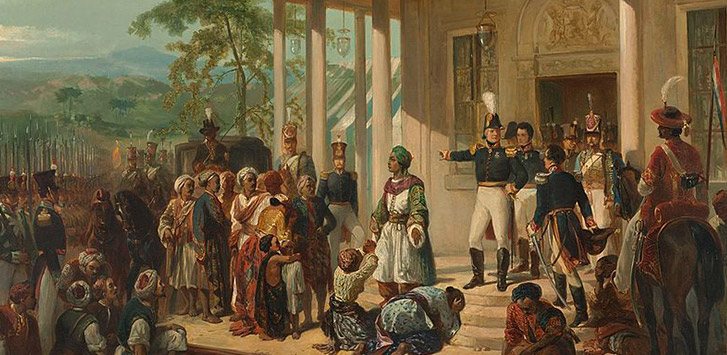
As Indonesia’s second-largest island and the world’s sixth-largest, Sumatra lies within the tropical rainforest climate zone—humid, rainy, and blessed with fertile volcanic soil, providing ideal growing conditions for Arabica coffee. As early as the 17th century, Dutch colonists introduced coffee to Indonesia, with initial plantings concentrated in regions such as Java and Sumatra. Although Sumatra’s coffee industry did not expand significantly until the late 19th century, it has now become one of the world’s important sources of specialty coffee.
However, due to Sumatra’s abundant rainfall and relatively short sunlight hours, traditional sun-drying methods are difficult to implement, while washed processing requires substantial equipment and clean water, which is costly given the local economic conditions. As a result, farmers gradually developed wet hulling—a method that combines elements of both—which not only effectively reduces processing costs but also shapes the unique taste and aroma profile of Mandheling coffee.
The wet hulling process is relatively unique. First, farmers remove the skin and pulp of harvested coffee cherries, leaving behind mucilage-covered parchment beans, which are then left to ferment for about one night. The next day, the mucilage is washed away with clean water. The parchment beans are then spread in thin layers to undergo initial drying until they reach a semi-dry state, with a moisture content of around 30% to 40%. At this point, the still not fully dried parchment beans are sent to a processing station for the removal of the parchment layer—the most critical step in wet hulling.
While the coffee beans are still in a semi-dry state, the parchment layer is removed, exposing the inner green beans directly to the air as they continue to dry until their moisture content drops to the safe export level of 13%. The hallmark of this process is the early removal of the parchment layer, which differs significantly from conventional methods where the protective layer is removed only after the beans are fully dried. As a result, the beans are more directly influenced by external conditions during drying, leading to the unique flavor characteristics of Mandheling.
Currently, the most representative Sumatra Mandheling coffees on the market come mainly from two key regions: Lintong and the Gayo Highlands of Aceh. The former produces beans commonly referred to as Lintong Mandheling, while the latter, thanks to high-quality beans produced by PWN, is celebrated as “Golden Mandheling.”
Taking the Lintong region as an example, coffee here is grown at an altitude of about 1,100 meters, primarily cultivating Typica and Catuaí varieties, and processed using the wet hulling method. Although Lintong Mandheling is generally not considered top-tier, its stable herbal notes and moderate body make it a popular entry-level choice for many newcomers exploring Mandheling flavors.
As for Golden Mandheling, although the name is widely circulated, only coffee beans sourced from Indonesia’s PWN company and rigorously selected meet the true definition of “Golden Mandheling.” PWN has registered this name as a trademark, and its beans mainly come from the Gayo Highlands of Aceh Province, at higher elevations ranging from 1,100 to 1,600 meters. The main cultivated variety is Ateng, but with strict grade control. Grade G1 indicates bean size of 18 mesh or above, with no more than 3 defective beans per 300-gram sample. Furthermore, PWN conducts three rounds of manual hand-sorting to ensure the beans are clean and free of impurities—this is the key reason why Golden Mandheling boasts superior sweetness and clarity.
In terms of roasting and brewing recommendations, these two types of Mandheling are typically medium-dark roasted to highlight their rich base and complex layers of aroma. For pour over, it is recommended to use a KONO filter, with water temperature controlled at 88°C, a brew ratio of 1:15, and grind size approximately equivalent to 70% passing through a Chinese No. 20 sieve—similar to a medium-coarse grind. Specifically, start with a 30-gram bloom for 30 seconds, followed by slow circular pouring centered around the coffee bed. At 125 grams, perform the first pour, then continue pouring up to 225 grams just before the coffee bed is exposed. Finally, allow the filter to fully drain, with total extraction time of around 2 minutes.
In terms of flavor profile, Lintong Mandheling often exhibits pronounced herbal and spicy notes. As the temperature cools slightly, aromas of melon and dark chocolate gradually emerge, with a caramel-like sweetness lingering in the aftertaste. Golden Mandheling, on the other hand, presents a richer nutty character. As the temperature changes, layers of woody, spicy, and herbal notes unfold progressively, while the balance of chocolate and caramel sweetness is more refined. With a clean and full-bodied mouthfeel, it is regarded as a classic by many advanced coffee enthusiasts.
The above content is compiled by CoffeeHunters, a coffee news website.


