







Introduction:Mandheling coffee is renowned for its rich and bold flavor, with Golden Mandheling from the Aceh region of Sumatra being a top choice for specialty coffee enthusiasts. This article delves into the origin of the Golden Mandheling variety, how the wet-hulling process shapes its flavor, and details the strict grading standards set by the PWN company. It also provides professional advice on grind size, water temperature, and three-stage pouring techniques to address common burnt and bitter notes in pour-over brewing, helping you fully highlight the caramel sweetness and full-bodied layers of Mandheling.
Mandheling coffee is world-famous for its bold and full-bodied taste, with Golden Mandheling from the Aceh region of Indonesia’s Sumatra province being particularly notable. This coffee bean not only possesses unique spicy and woody notes but has also become a classic in the hearts of many coffee lovers due to its strict grade selection and refined processing methods. Starting from its flavor profile, this article explores why most Mandheling coffees are medium to dark roasted, and analyzes how the wet-hulling process influences its flavor expression, giving you a deeper understanding of the charm of this classic coffee variety.
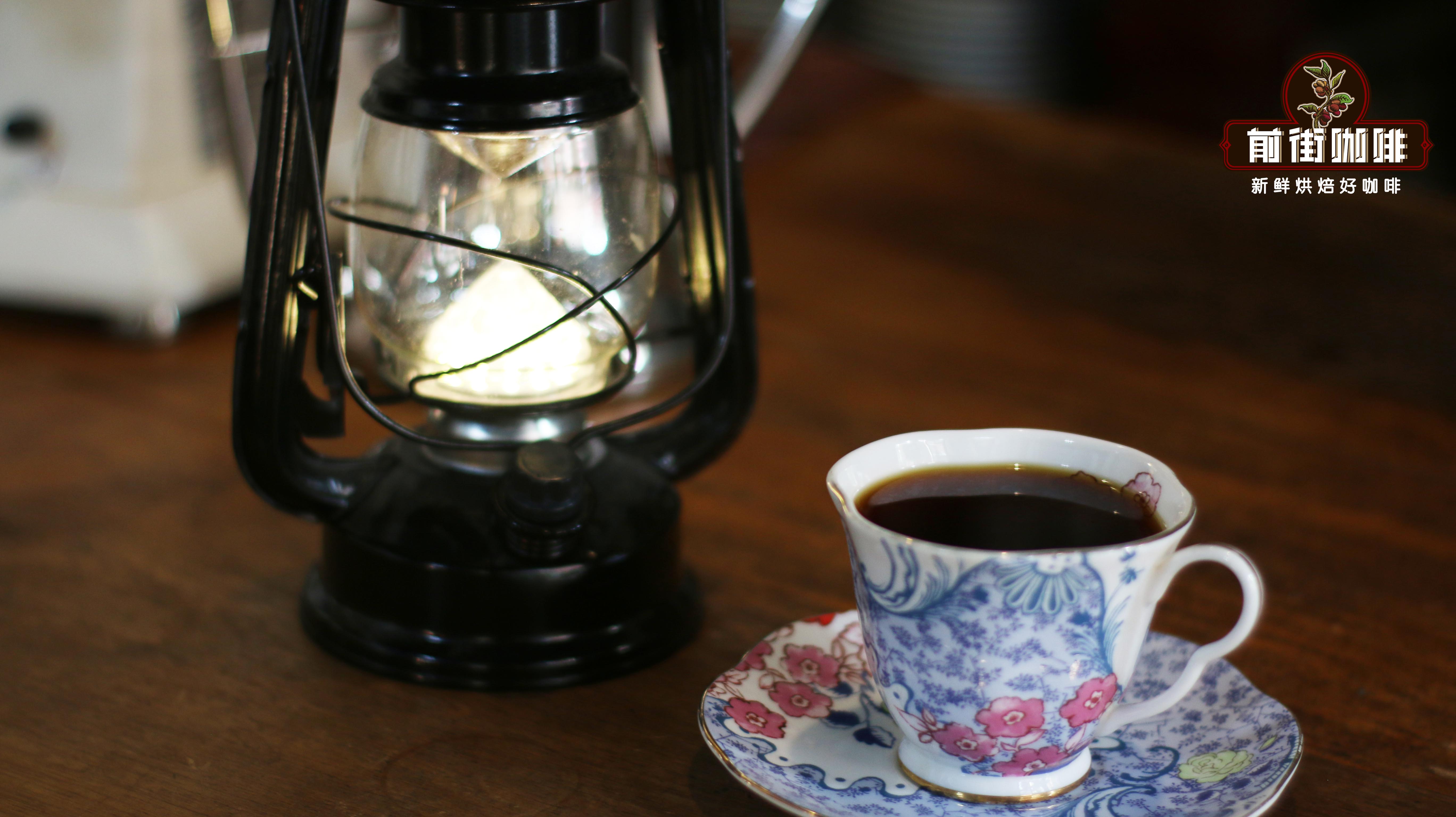
Medium to dark roasted Mandheling emits rich aromas of nuts, dark chocolate, roasted chestnuts, and cinnamon. Upon tasting, it delivers a silky texture of caramel and cream, with a full body and pronounced aftertaste. This flavor profile makes it a favorite among those who prefer strong black coffee. But why is medium to dark roasting the choice for most Mandheling?
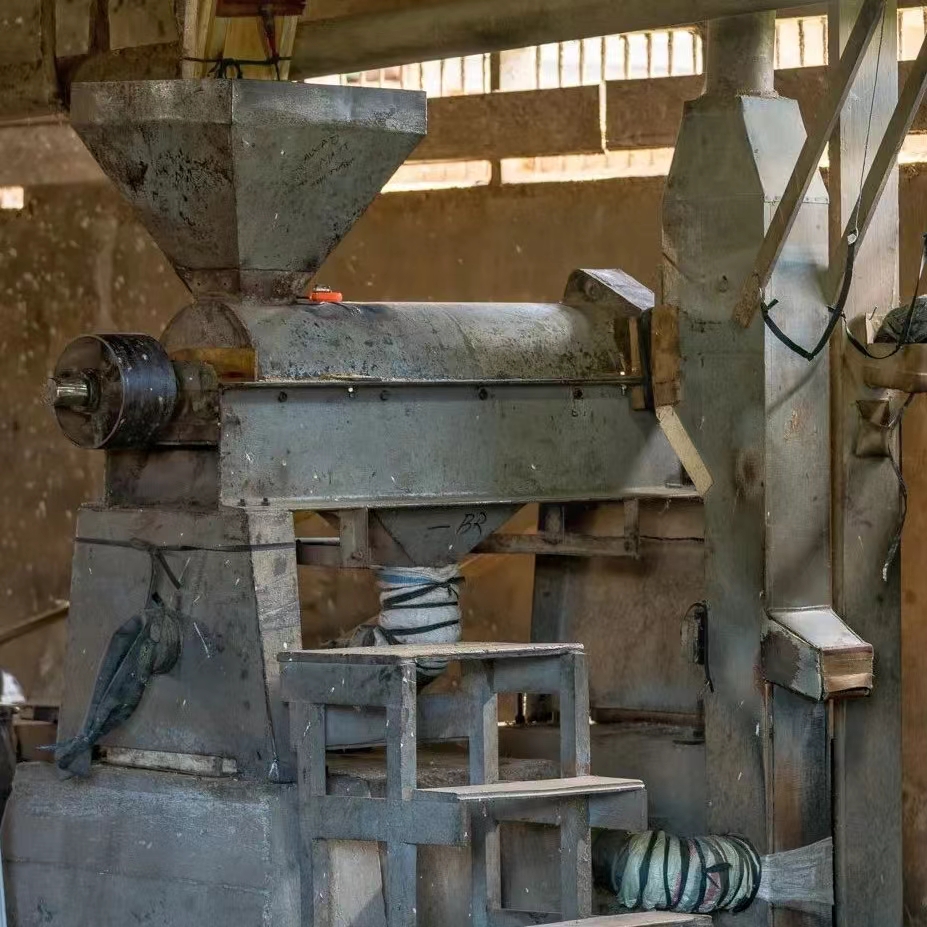
In fact, early Mandheling on the market was almost uniformly medium to dark roasted, creating a bold and representative style of black coffee. With the rise of the specialty coffee trend, some roasters have attempted to offer medium-light roasted Mandheling to showcase fresher fruit and herbal notes. However, due to the unique herbal and woody aromas brought by the wet-hulling process of Mandheling beans, along with their relatively high defect rate, darker roasts can better mask these characteristics and highlight the rich and bold taste. In addition, the preference for dark-roasted Mandheling in the Japanese market has also made this roasting style mainstream.
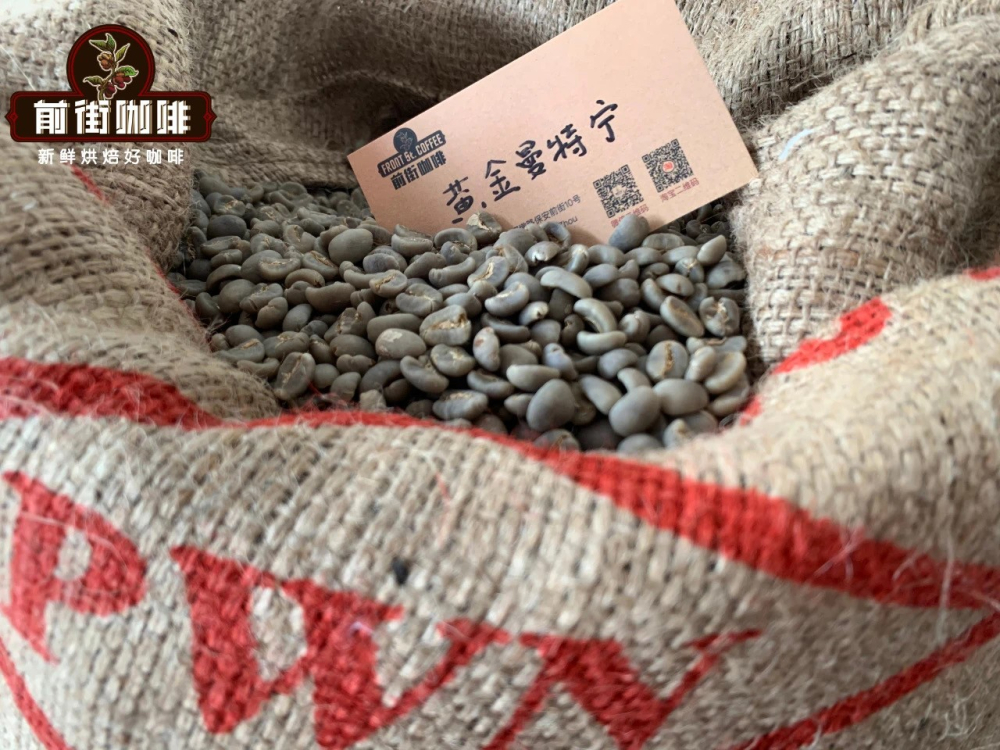
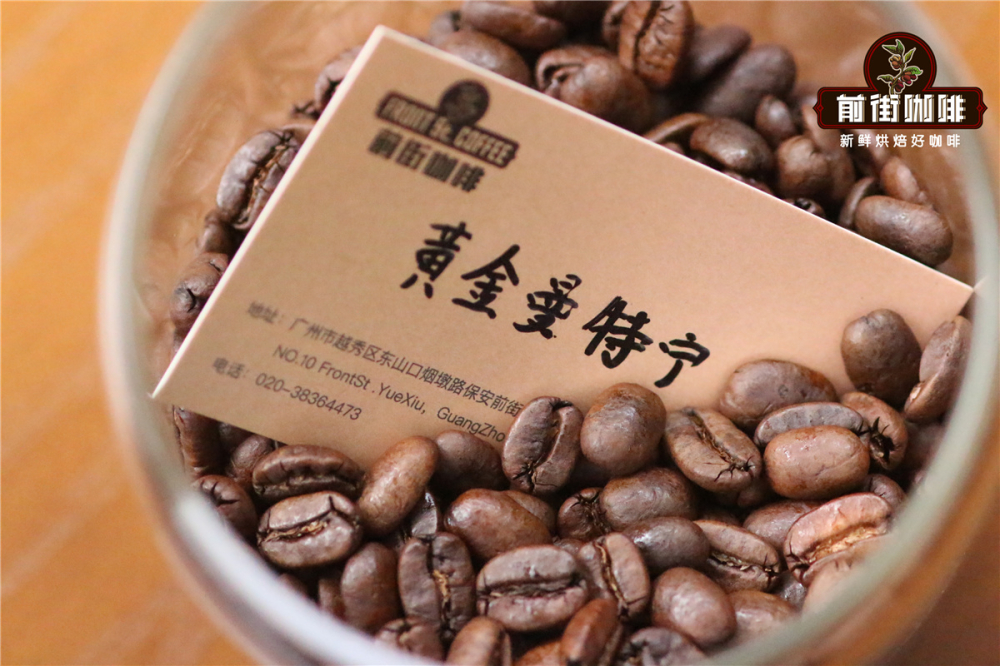
So, what is Golden Mandheling? This name originates from the exclusive brand of Indonesia’s Pwani Coffee Company (PWN) and has been registered as a trademark. Therefore, only Mandheling produced by PWN can be called true "Golden Mandheling." To identify authentic products, check if the green bean sack bears the PWN logo and if it comes with an origin certificate signed by PWN. The birth of Golden Mandheling stems from Japanese buyers’ high standards for Sumatran coffee. They established a strict defect screening mechanism, rigorously controlling bean density, size, shape, and color, ensuring each bean is large, uniform, and has an extremely low defect rate — hence the name "Golden."
Indonesian green coffee beans are primarily graded based on the number of defective beans, supplemented by bean size. Generally, the highest grade, G1, requires no more than 11 defective beans in a 300-gram sample, with no live insects or mold. A certain brand’s Lintong Mandheling falls under this grade, using the wet-hulling process to showcase the typical flavors of Indonesian Mandheling. PWN’s Golden Mandheling goes a step further, selecting only G1-grade green beans that are 18 mesh or larger with a defect rate below 3, and undergoing one mechanical sorting and three manual selections to ensure each bean meets high standards. In addition, PWN also performs density and color sorting to make the beans appear more uniform and glossy.
For coffee lovers who enjoy pour-over brewing, the common burnt bitterness of Mandheling may be off-putting. However, by mastering the correct extraction parameters, you can fully showcase its caramel sweetness and full-bodied layers. It is generally recommended to use a KONO filter for pour-over, as its weaker exhaust effect creates a rounder and fuller mouthfeel, especially suitable for medium to dark roasted Mandheling.
In terms of grind size, it is recommended to use a Chinese standard No. 20 sieve with about 70% extraction rate, which is considered a medium-coarse grind. This grind size helps avoid over-extraction and reduces the release of bitter substances. Water temperature is advised to be controlled between 87–88°C; a lower temperature helps suppress the release of excessive off-flavors, making caramel and nutty flavors more prominent.
During pour-over, you can use a three-stage pouring method: the first stage involves blooming with 30ml of hot water to wet the coffee grounds and promote degassing; the second stage adds 100ml to lift the coffee bed and bring out golden crema; the final stage is a gentle center pour of 95ml to enhance overall sweetness. This brewing approach fully showcases the full-bodied mouthfeel and rich layers of Golden Mandheling, allowing you to savor the perfect balance of caramel sweetness with notes of chocolate and nuts.
The above content is compiled by CoffeeHunters, a coffee news website.


