







Introduction:Indonesian Mandheling coffee is beloved by dark roast enthusiasts for its rich and bold flavor profile. This article delves into its growing regions, name origin, wet hulling processing method, and explores four classic Mandheling beans—PWN Golden Mandheling, Lintong Mandheling, Tiger Mandheling, and Aged Mandheling—analyzing their flavor profiles and optimal pour over brewing parameters. Not only will it introduce you to the charm of this "ugliest yet most mellow" coffee, but it also offers practical brewing tips so you can enjoy a professional-grade Mandheling experience at home.
Mandheling coffee has long been renowned for its full-bodied and intense flavor, often serving as a gateway for newcomers to the world of dark roasts. Its unique flavor profile combines layers of spice, earth, and wood, accented with subtle vegetal aromas, creating a rich yet refined taste experience. This article will systematically cover its regional background, name origin, processing techniques, grading system, and offer in-depth introductions to four classic Mandheling beans—including PWN Golden Mandheling, Lintong Mandheling, Tiger Mandheling, and Aged Mandheling—along with practical pour over parameters and flavor comparisons to help you fully grasp this classic "ugliest yet most mellow" coffee.
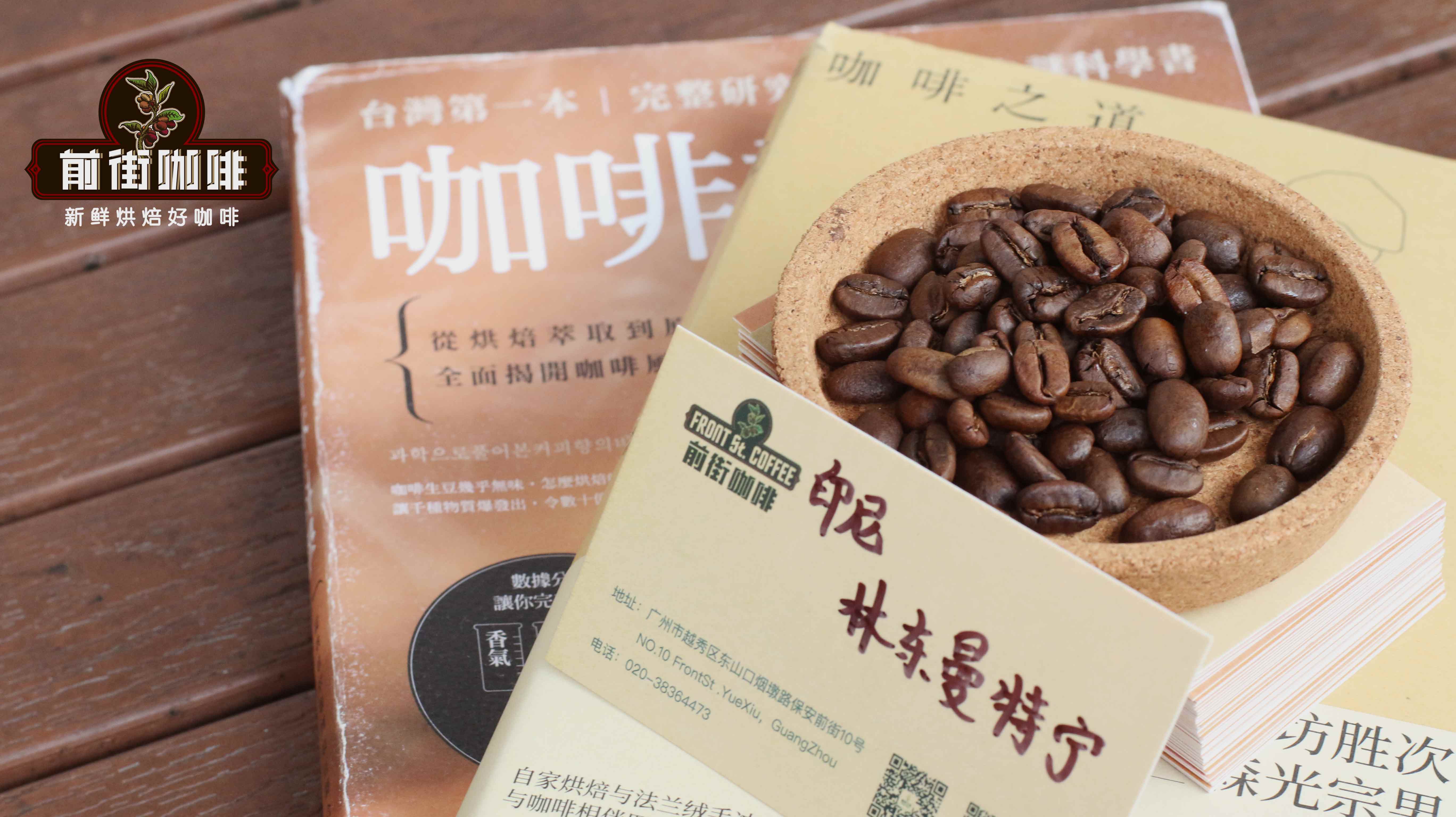
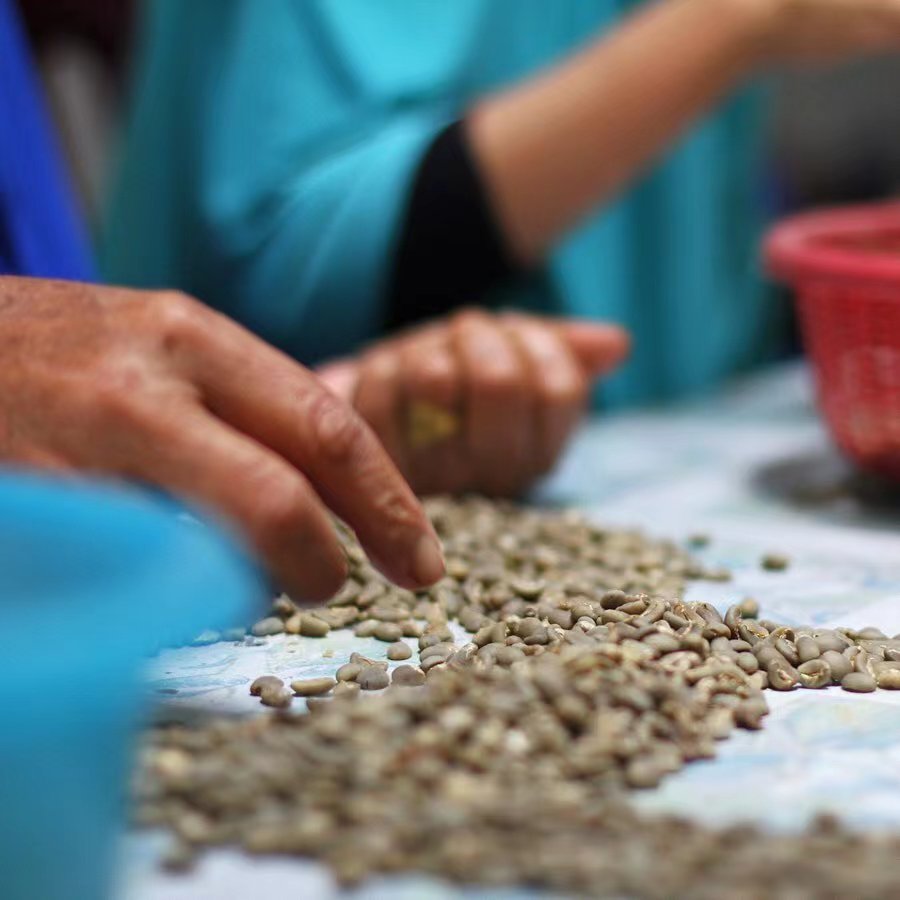
Many coffee enthusiasts might be taken aback by the rough and uneven appearance of Mandheling beans at first glance, but this is actually one of the distinctive features of Sumatran coffee. In fact, the more irregular the Mandheling beans look, the richer, smoother, and more complex their flavors tend to be, often showcasing bold spices and woody notes. Dubbed the "ugliest yet most mellow" coffee, Mandheling delivers a noticeably smooth mouthfeel upon tasting, interwoven with intricate spice and wood aromas, and a faint, barely noticeable vegetal finish that leaves a lasting impression.
Next, we will systematically introduce various aspects of Indonesian Mandheling coffee—from its growing regions and name origin, to processing methods and grading systems—and provide an in-depth analysis of the characteristics of four classic beans along with practical brewing recommendations.
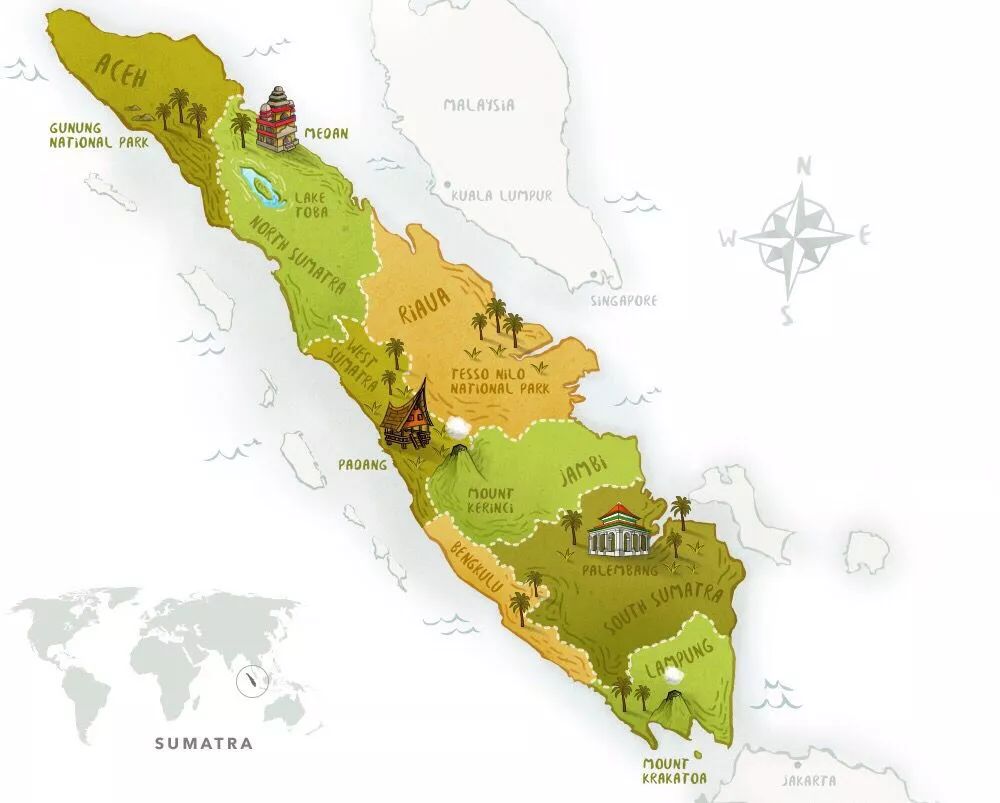
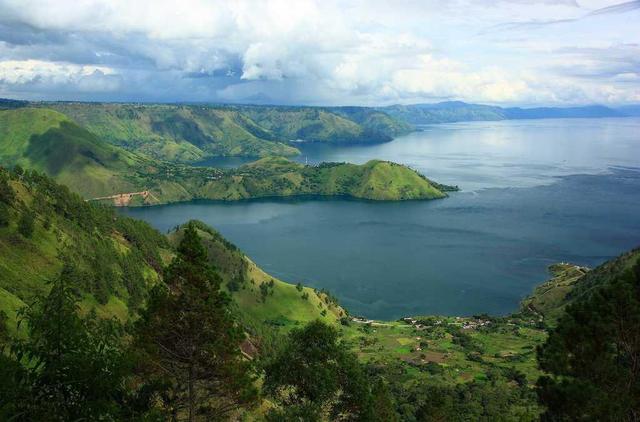
Indonesian Mandheling coffee is primarily grown on the island of Sumatra, Indonesia’s largest island located near the equator. Sumatra features a typical tropical rainforest climate, with high temperatures, humidity, and abundant rainfall year-round, providing an ideal environment for Arabica coffee cultivation. However, due to the predominantly mid-to-low altitude terrain on the island, only about 25% of its coffee is grown at higher altitudes as Arabica, with the majority consisting of Robusta varieties suited to lower elevations. Sumatra itself represents the highest-altitude region within Indonesia, making it an important hub for Arabica production.
The origin of the name "Mandheling" is rooted in an interesting historical misunderstanding. It is said that after World War II, Japanese soldiers returning home from Indonesia, longing for the local coffee, asked their trading partners to help source high-quality beans. When inquiring about the coffee’s origin, locals mistakenly thought they were being asked about the ethnic group, and answered "Mandailing." This was then misheard as "Mandehling," eventually evolving into the name "Mandheling," which became synonymous with this coffee.
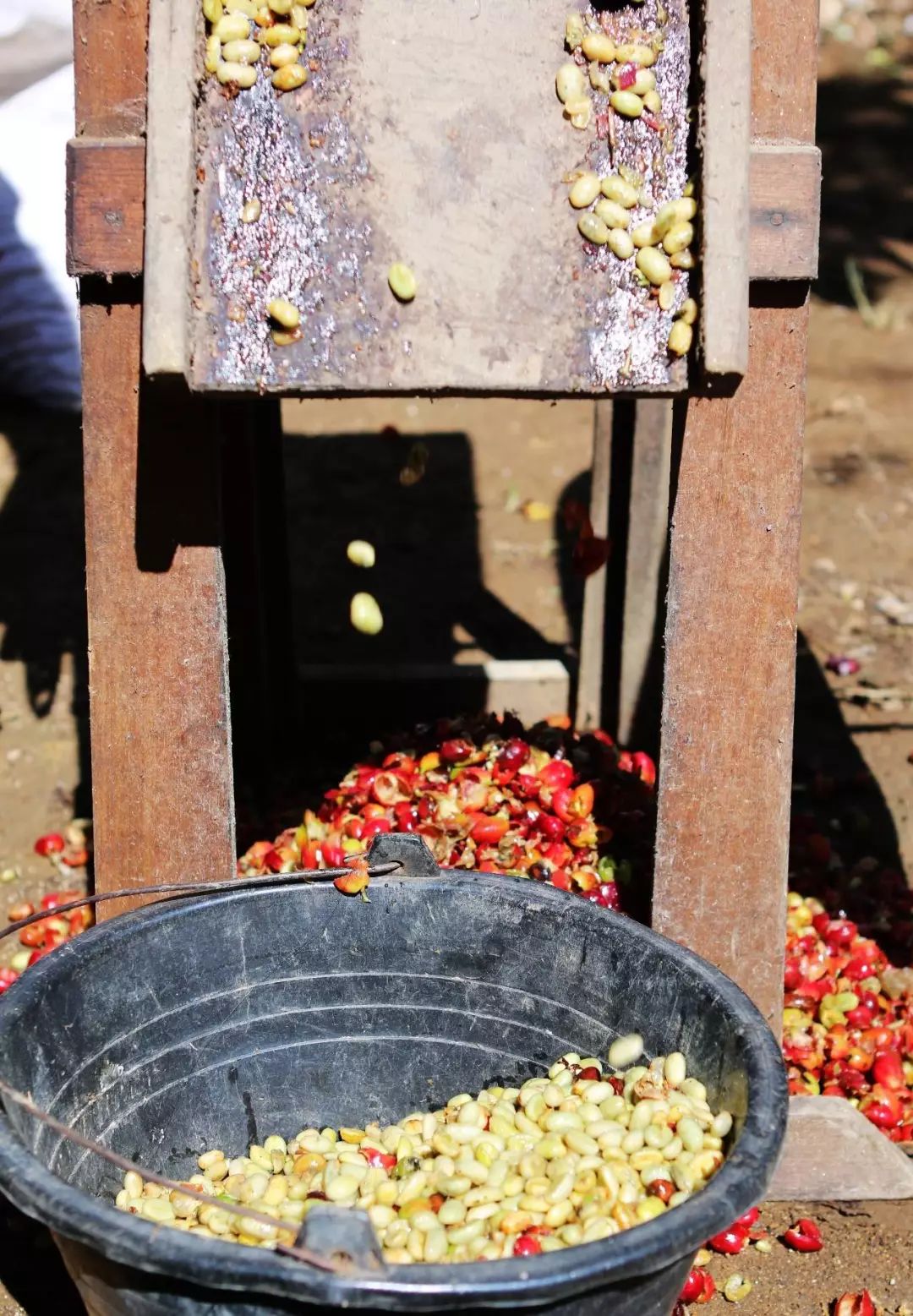
The uniquely bold flavor of Mandheling owes much to Indonesia’s distinctive "wet hulling" processing method. This technique emerged due to Sumatra’s rainy and humid weather conditions, as well as economic constraints that made washed and natural processing methods difficult to implement. In the wet hulling process, after the coffee cherries are depulped and undergo initial fermentation, the parchment layer is removed while the mucilage is still not fully dry. This often results in bean surfaces developing hoof-like cracks, commonly referred to as "elephant hoof beans"—one of Mandheling’s signature traits, though not a defect.
The wet hulling process mainly consists of two stages: first, a wooden pulper removes the skin and pulp, followed by around three hours of fermentation and initial drying until the moisture content is reduced to 30–50%, reaching a semi-dry state. Next, the mucilage and parchment layers are removed, and drying continues until the moisture level stabilizes at 12–13%. The entire process typically takes 2 to 4 days. Additionally, there is an "aged wet hulling" method, where processed beans are stored in cool, ventilated warehouses for 2 to 3 years, regularly turned to prevent mold. This aging process gradually converts acidity into sweetness, deepens the color to dark yellowish-brown or dark brown, and creates a rounder, lower-acid, and more layered flavor profile—this is what we know as aged Mandheling.
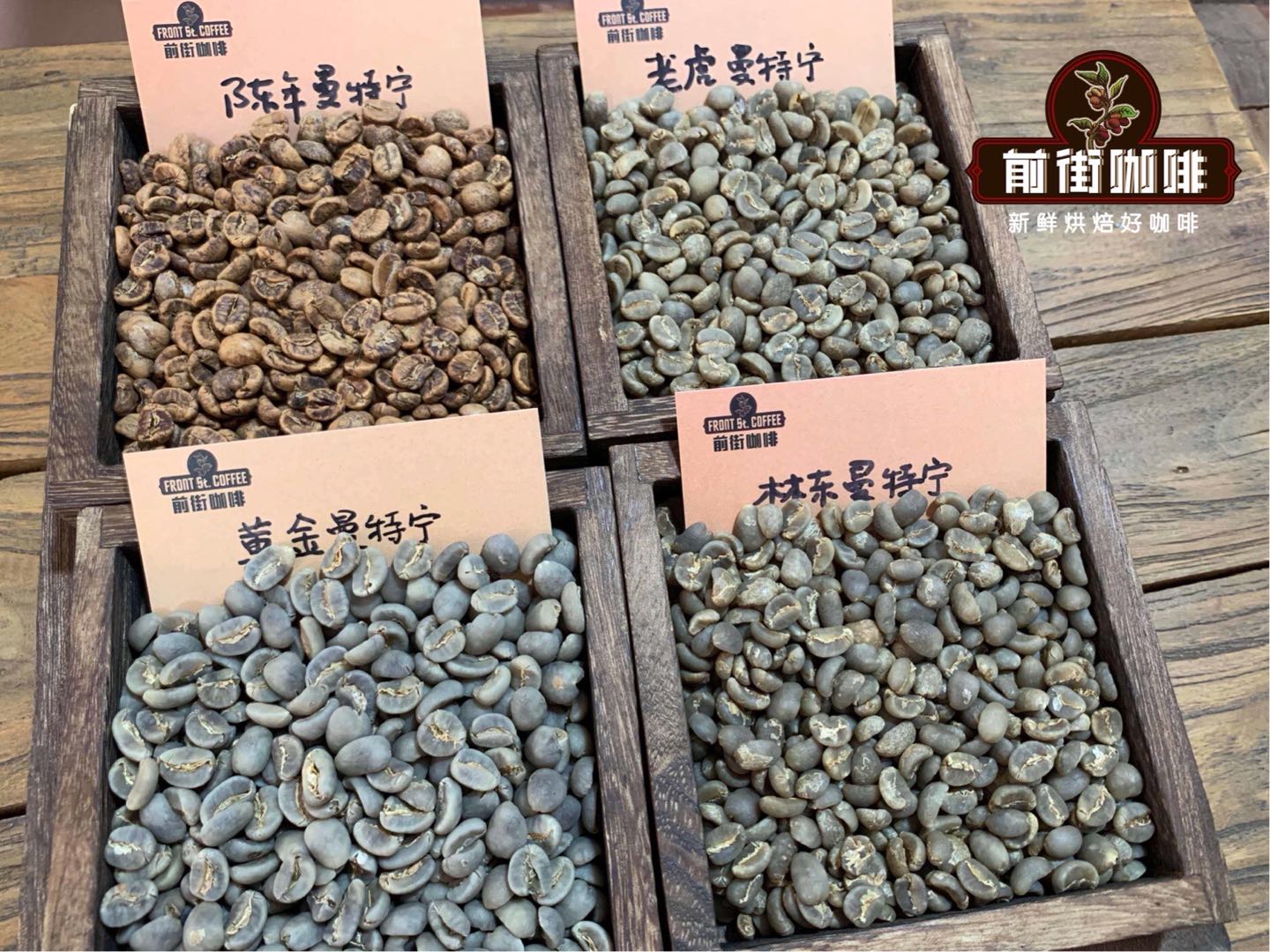
Indonesian Mandheling beans are graded primarily based on the number of defects and bean size. Generally, a 300-gram sample of green beans is used as the evaluation benchmark, with fewer defects indicating a higher grade. Common grades include: G1 (fewer than 11 defects), G2 (12–25 defects), G3 (26–44 defects), G4a (45–60 defects), G4b (61–80 defects), G5 (81–150 defects), and G6 (151–225 defects). Among these, G1 is the highest grade, characterized by plump, intact beans typically sourced from select regions. PWN Golden Mandheling falls under the G1 grade, featuring fewer than 3 defects, a darker green hue, uniform shape, and strict screening to eliminate the earthy off-flavors common in many Mandhelings, resulting in a cleaner and brighter cup profile.
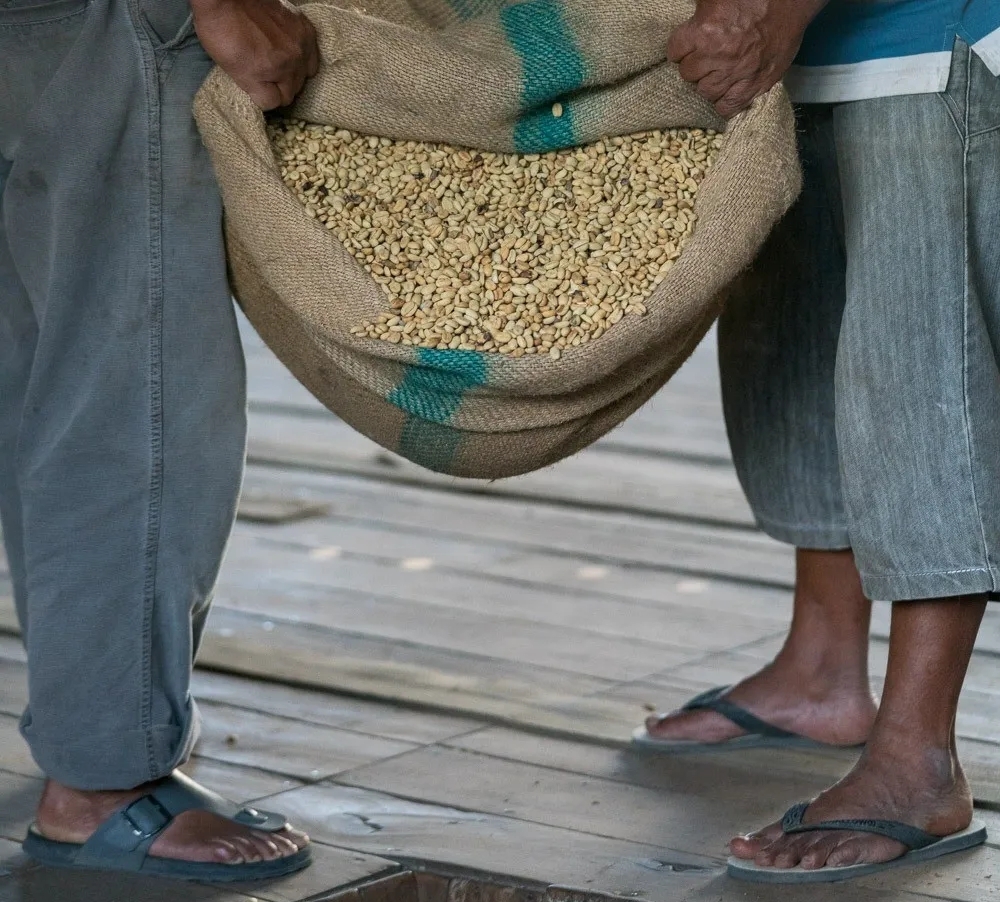
PWN Golden Mandheling is grown in the Gayo Mountains of Aceh, Sumatra, at elevations of approximately 1,100 to 1,600 meters, and is of the Ateng variety, processed using the wet hulling method. Recently, the beans have been sourced from the Gayo Mountain region instead of the former Lake Tawar area. Compared to the past, its flavor leans more toward intense roasted toast notes, accompanied by aromas of nuts, pine, and caramel, with a hint of herbal complexity in the finish. The overall profile is richer, with more distinct layers.
Lintong Mandheling comes from the Lintong highlands in north-central Sumatra, near Lake Toba, and is a classic entry-level everyday bean. It also grows at elevations between 1,100 and 1,600 meters, with varieties including Typica and Catuai, all processed using the wet hulling method. Its flavor profile is low in acidity, full-bodied, and features notes of roasted toast, nuts, caramel, and herbs—making it ideal for coffee lovers who prefer a stable and mild taste.
Tiger Mandheling gets its name from its producing estate, "Tiger Estate," and adheres to relatively strict selection standards—the beans must be 17+ screen size with a defect rate below 4%. The main varieties include Catuai, Typica, and Sidikalang, with Catuai contributing a bright citrus note, and Typica offering a lasting sweetness and clean aftertaste, resulting in a well-balanced overall profile. Its flavor notes include cream, dark chocolate, and nuts, with rich and clear aromatic layers.
Aged Mandheling refers to beans that have been carefully stored for 2 to 3 years in cool, ventilated environments, with regular turning to prevent mold. This aging process gradually reduces acidity and transforms it into richer sweetness and woody aromas. Although it may carry some complex notes reminiscent of leather or burlap, the overall profile is low in acidity, full-bodied, and refined—similar to aged pu-erh tea—with flavors of caramel, herbs, and chocolate. It suits drinkers who appreciate deeper, more nuanced cups.
For brewing recommendations, given Mandheling’s inherently bold and low-acid profile, it is advised to use a Kono filter cone with a 1:15 coffee-to-water ratio, around 15 grams of coffee, water temperature controlled at 88°C, and grind size at 70–75% through a standard #20 sieve. The specific method involves a 30-second bloom with 30 grams of water, followed by pouring in small circles to reach 125 grams for the first pour. When the water level drops and is about to expose the coffee bed, continue pouring to 225 grams, then let the coffee drip naturally to complete extraction. The total brew time is approximately 2 to 2 minutes and 10 seconds.
Practical cupping results show that Golden Mandheling exhibits a multi-layered, rich, and clean profile with intense nutty and caramel aromas and a long-lasting finish; Lintong Mandheling highlights herbal and dark chocolate notes with a pronounced aftertaste; Tiger Mandheling offers a balanced cup with prominent cream and nut aromas; Aged Mandheling presents a low-acid, full-bodied, and refined character, akin to the mellow depth of aged tea, perfect for slow savoring.
The above content is compiled by CoffeeHunters, a coffee news website.


