







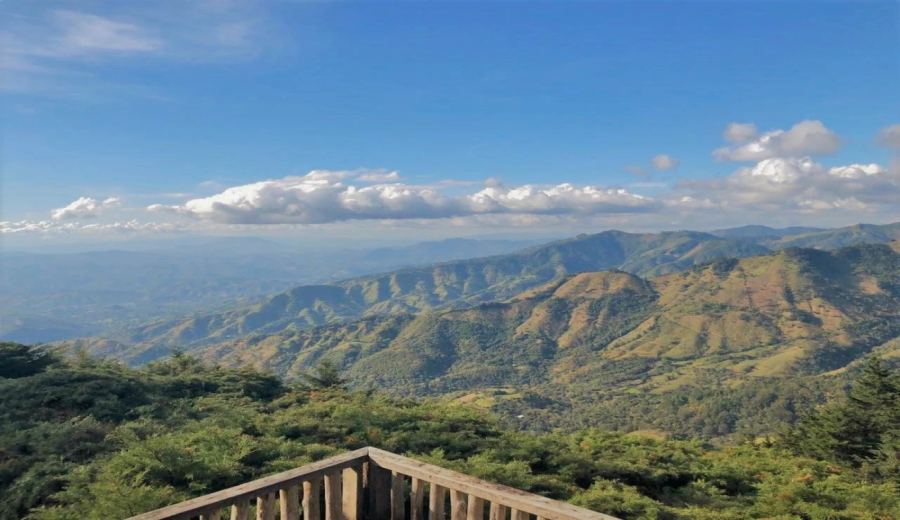
Introduction:Although El Salvador is the smallest country in Central America by land area, it boasts a rich coffee heritage and nine renowned coffee-growing regions. From the historic Bourbon and Pacas to the recently spotlighted Pacamara, these varieties shape the distinctive flavors of Salvadoran coffee. This article delves into the characteristics of each region, the main coffee varieties planted, and provides pour over parameters and tasting notes for Pacamara to help you better appreciate the charm of this Central American coffee powerhouse.
El Salvador, a country located in northern Central America, may be small in size but is one of the few nations in the world with a complete coffee industry chain. It is home to nine major coffee-growing regions, each producing beans with unique flavors due to differences in altitude, microclimate, and soil conditions. Since coffee was introduced in the late 18th century, El Salvador’s coffee industry has experienced ups and downs. Today, it is renowned for varieties such as Bourbon, Pacas, and Pacamara, and has repeatedly earned recognition in international competitions.
Dating back to the mid-18th century, coffee was first introduced to El Salvador by farmers from the Ahuachapán region. At the time, the country primarily relied on indigo as its cash crop, but with the rise of synthetic dyes in Europe, the indigo industry quickly declined, and coffee gradually took its place. Starting in the mid-19th century, the government actively promoted coffee cultivation, and favorable credit policies in the 1930s and 1940s led to rapid expansion of the coffee industry. By the mid-20th century, coffee exports accounted for over 90% of the country’s total agricultural output.
Coffee-growing areas extend from Ahuachapán to Santa Ana and Sonsonate, then further to the western part of San Vicente and around the Chaparrastique volcano. Today, the country’s coffee-growing area exceeds 130,000 hectares. Of this, about half is in low-altitude regions, 33% in mid-to-high altitude areas, and only 16% in high-altitude zones. Notably,over 85% of coffee farmers are smallholders with plots of seven hectares or less, which contributes to the local and refined character of Salvadoran coffee.
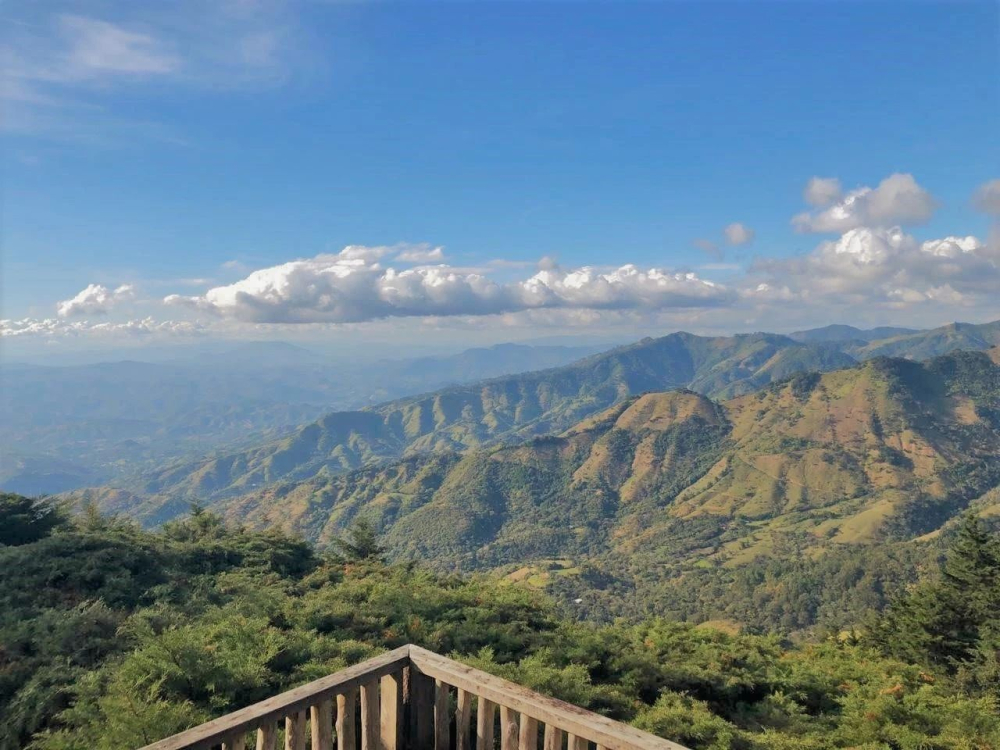
El Salvador has nine major coffee-growing regions, including Apaneca, Apaneca Llamatepec, El Balsamo-Quetzaltepec, Cacahuatique, and Santa Ana in the southwest; Chalatenango, Chichontepec, and Metapán in the central-northern region; and Tecapa-Chinameca in the valley area. Each region, due to its unique geographical environment, produces coffee with distinct flavor profiles, ranging from fruity and floral to nutty and chocolatey notes, offering a rich and varied cup profile.
In terms of varieties, El Salvador initially focused on Typica, but due to its susceptibility to leaf rust, it was gradually replaced by the more disease-resistant Bourbon. By the mid-20th century, a natural mutation of Bourbon gave rise to Pacas, a variety with higher yields and good adaptability that quickly gained popularity locally. Currently,Bourbon accounts for about 60% of national plantings, while Pacas makes up nearly 25%, together forming the backbone of Salvadoran coffee varieties.
In recent years, Pacamara has garnered significant attention in the specialty coffee scene for its outstanding flavor profile and large bean size. This variety was developed by the Salvadoran Institute for Coffee Research (ISIC) through a cross between Pacas and Brazil’s Maragogype. Not only does it have impressively large beans, but it also exhibits bright acidity, rich fruitiness, and a full body. Common flavor notes include nuts, chocolate, cream, strawberry jam, and passion fruit, with a layered structure and long-lasting aftertaste.
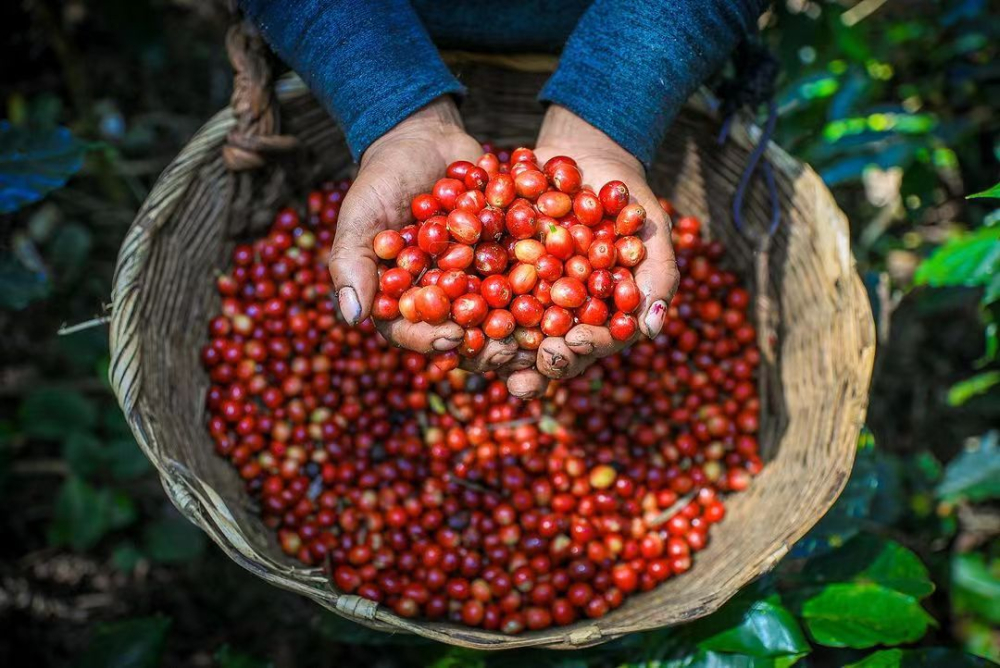
Take, for example, the Finca Ataisi estate in the Izalco region of Sonsonate. The Pacamara coffee grown here is classified as SHG (Strictly High Grown), cultivated at an altitude of up to 1,800 meters, and processed using the washed method. Its flavor notes often include nuts, chocolate, cream, strawberry jam, and passion fruit, making it an excellent choice for experiencing high-altitude specialty coffee from El Salvador.
If you’d like to brew this Pacamara coffee at home, you can follow the pour over recommendations below: use a V60 dripper, set the water temperature at 90°C, and use a 1:15 coffee-to-water ratio. The grind size should be medium-fine, similar to the coarseness of granulated sugar (using a Chinese No. 20 standard sieve, approximately 80% extraction). The specific steps are: start with a 30-second bloom using twice the weight of the coffee grounds in water, then pour water in small circles from the center outward until you reach 125 grams for the first pour; once the coffee bed has settled to the middle of the dripper, continue pouring with the same fine stream until you reach 225 grams to complete the extraction, with the entire process taking about two minutes. These parameters help fully highlight the delicate fruit acidity and rich body of Pacamara.
When tasting, this Pacamara coffee offers a smooth and silky mouthfeel. A bright yet gentle fruit acidity spreads across the palate first, followed by the mid-palate where wild berry-like brightness and nutty aromas emerge. The finish reveals a distinct caramel sweetness, with a smooth and lingering aftertaste—making it a great choice for coffee lovers who enjoy fruity, layered flavor profiles.
The above content is compiled by CoffeeHunters, a coffee news website.


