







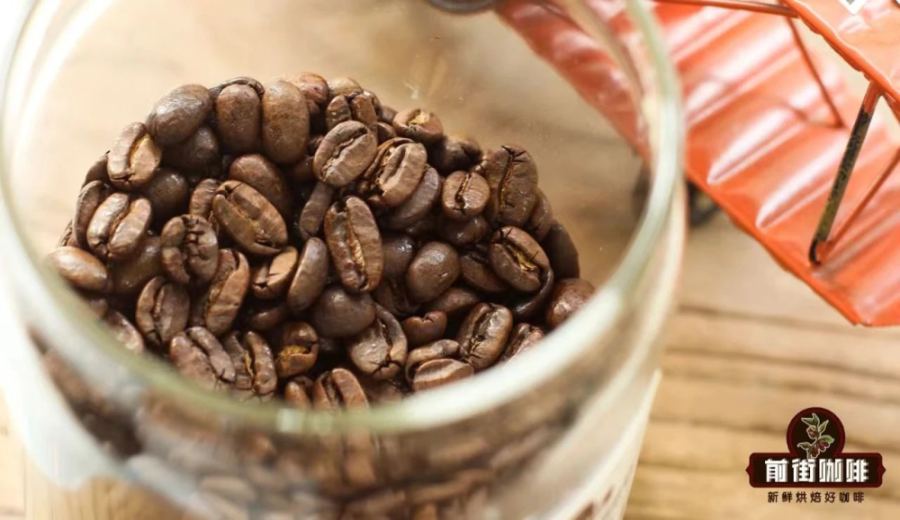
Introduction:Gold Mandheling is a representative coffee from the Lidong region of Sumatra, renowned for its rich body and caramel-like sweetness. This article delves into the roasting strategy for this classic wet-hulled bean, covering everything from the characteristics of its green bean processing and the control of dehydration and caramelization, to adjusting heat before and after first crack—guiding you to master the key to deep-roasted flavors. It also provides practical pour over parameters so you can brew a balanced and intense Mandheling at home.
As a classic coffee from Indonesia’s Sumatra region, Gold Mandheling stands out with its full-bodied texture and captivating caramel sweetness, making it a favorite deep-roast choice among many coffee enthusiasts. When roasting this wet-hulled bean, special attention is given to its high moisture content by fine-tuning the heat during the dehydration and caramelization stages. This ensures that while enhancing the depth of flavor, the delicate notes of spice and fruit acidity are also brought to the fore.
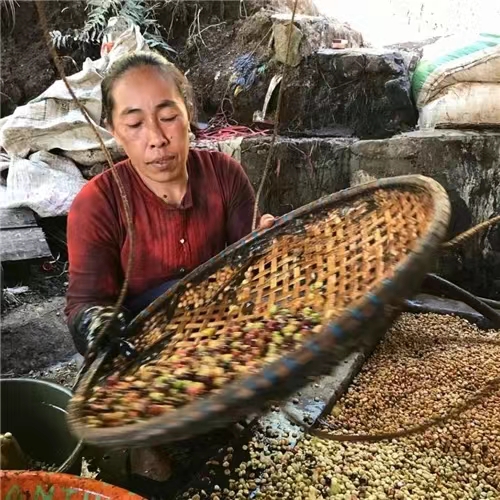
To understand the potential of Gold Mandheling, we must first explore its origin and processing method. This bean mainly comes from the northern Sumatran region of Lidong, grown at altitudes of about 1100 to 1600 meters in a humid and rainy climate. To accelerate the drying process, the wet-hulling method is commonly used locally. Only fully ripe red cherries are selected during harvest, then handpicked and placed in tanks for 12 to 36 hours of dry fermentation, allowing the sugars in the mucilage to fully convert and lay the flavor foundation. After fermentation, the beans are sun-dried for 1 to 2 days until their moisture content drops to 35%–40%. A hulling machine is then used to remove the parchment layer, followed by continued sun drying until the moisture stabilizes around 12%–15%.
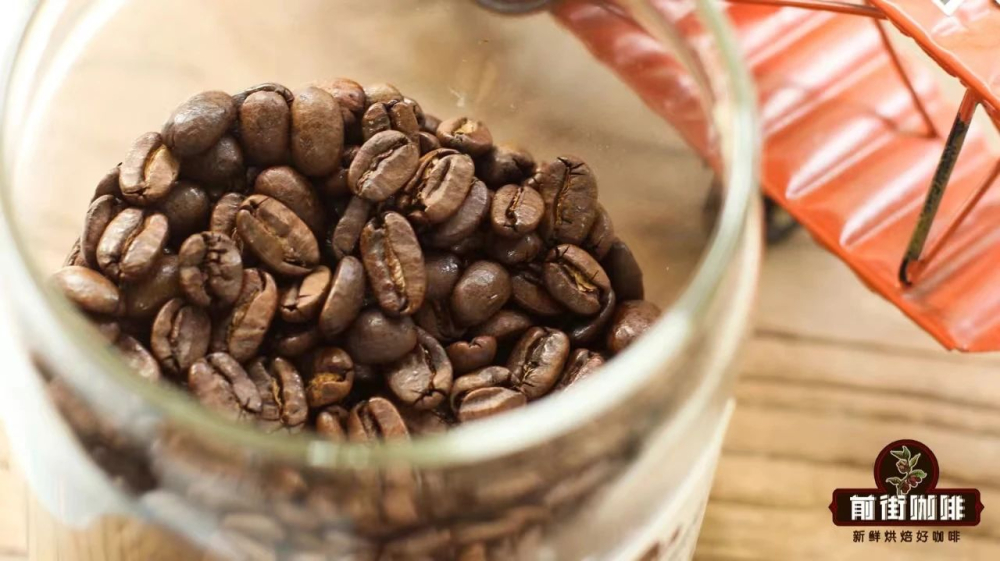
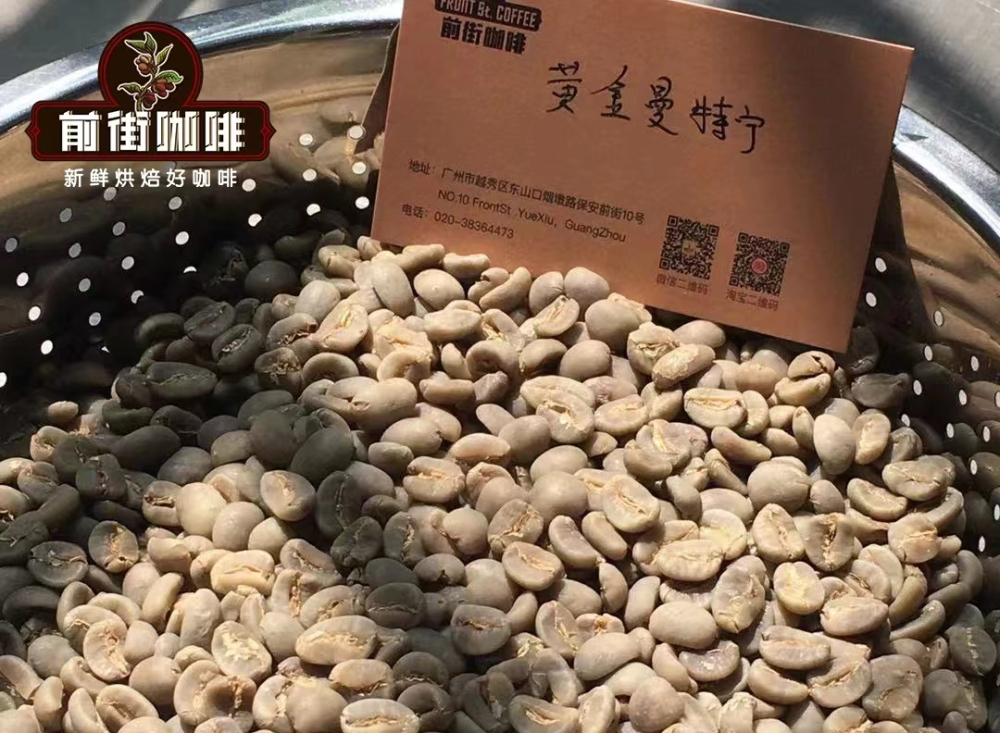
Due to the wet-hulling process resulting in higher moisture content in the green beans—noticeably different compared to regular sun-dried beans—thedehydration stagerequires extra caution during roasting. It is recommended to close the air vent immediately after dropping the beans, allowing a 30-second preheat (bloom). Then set the air vent to 3. As the green beans turn light green or white, gradually increase the air vent to 4, and further open it to 5 (maximum setting) after first crack. This adjustment ensures the beans are heated “evenly” from the inside out, fully releasing their unique herbal, spicy, and fruity acidity profiles.
During the caramelization stage, after six to seven minutes of heating and absorbing substantial thermal energy, the beans trigger pyrolysis reactions. This is when the first crack is heard, as some sugars convert into carbon dioxide, moisture continues to evaporate, and coffee oils along with various aromatic compounds—including nicotinic acid, citric acid, quinic acid, malic acid, acetic acid, and caffeine—are generated. These reactions continue into the second crack, but if roasted too long, certain components may carbonize, leading to astringent, bitter, or burnt flavors. Therefore, the key lies in balancing the depth of caramelization and controlling carbonization.
In actual roasting practice, it is recommended to start roasting at a drum temperature of 200°C with the air vent set to 3. After one minute, adjust the heat to 160°C, keeping the air vent unchanged. Around 5 minutes and 40 seconds, when the temperature reaches 148°C and the beans turn yellow with the grassy aroma dissipating, the dehydration phase is complete. At this point, reduce the heat to 140°C and set the air vent to 4. By 9 minutes and 40 seconds, when the bean surface shows irregular wrinkles and dark speckles, and the aroma shifts from toasted bread to distinct coffee fragrance, it signals the approach of first crack. Carefully listen for the first crack—usually starting around 9 minutes and 54 seconds. At that point, reduce the heat to 60°C and fully open the air vent (note: do not reduce heat too much to avoid the disappearance of cracking sounds). The roast is finished at approximately 204.5°C.
The flavor profile of Gold Mandheling is quite distinctive, showcasing premium herbal aromas and prominent caramel sweetness. Its fruit acidity is steady and elegant, with a rich sweetness and wild layers of spicy notes. Generally, Mandhelings from the Lidong region are roasted beyond second crack to minimize off-flavors; however, Gold Mandheling can still maintain excellent clarity and sweetness even when dropped just before second crack, offering more flexible roasting possibilities.
To fully experience the flavors of Gold Mandheling, it is recommended to use freshly roasted beans, ideally within 5 days of roasting. Freshness greatly impacts coffee flavor. Adhering to the principle of “freshly roasted for great coffee,” we ensure customers receive beans at their optimal flavor peak. Typically, the coffee’s resting period is around 4 to 7 days, allowing the beans to reach their flavor zenith upon arrival.
Because deep roasting makes the internal structure of the beans looser and increases water absorption after grinding, to avoid extracting excessive bitter substances, it is advised to use a coarser grind and slightly cooler water for pour over. A common powder-to-water ratio is 1:15; for a stronger taste, it can be adjusted to 1:13 based on personal preference.
For brewing method, the KONO filter cone, which features “immersion extraction” properties, is recommended. The ribs of this filter cone are mainly concentrated in the lower half, helping guide coffee liquid flow, while the upper part fits tightly against the cone, slowing down steam release and thus reducing flow rate. This enhances extraction concentration and the rich body of the cup. In practice, it is suggested to use water at 88°C, a 1:15 powder-to-water ratio, 15g of coffee grounds, and a grind size passing through a standard #20 sieve at 70%. Use a three-stage extraction: first, pour 30ml of water for a 30-second bloom; second, pour 100ml in a circular motion from the center outward; third, pour another 95ml in the same manner. This will fully bring out the rich and balanced flavors of Gold Mandheling.
The above content is compiled by CoffeeHunters, a coffee news website.


