







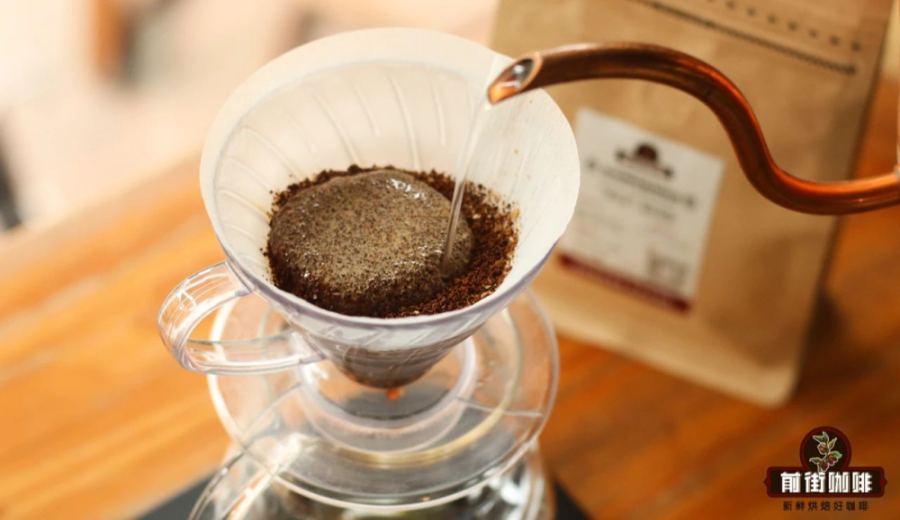
Introduction:Want to start learning pour over coffee from scratch but don’t know where to begin? This article delves into the seven core elements of pour over brewing — including grind size, water temperature, coffee-to-water ratio, and other key parameters — and explains in detail the principles of wetting, dissolution, and diffusion during extraction. Using Ethiopia Natural Huila 8.0 as an example, it will guide you step-by-step through professional barista techniques to help you quickly establish a stable pour over framework and improve your brewing quality.
In recent years, specialty coffee has become increasingly popular, and pour over brewing has emerged as the preferred method for many beginners looking to explore the world of specialty coffee due to its ability to highlight the original flavors of coffee beans. However, faced with a wide array of pour over equipment and various brewing methods, beginners often feel overwhelmed. This article, based on practical experience, will take you deep into the seven core elements of pour over brewing and the principles of extraction. Through a hands-on example using Ethiopia Natural Huila 8.0, we’ll fully break down a professional-grade pour over process.
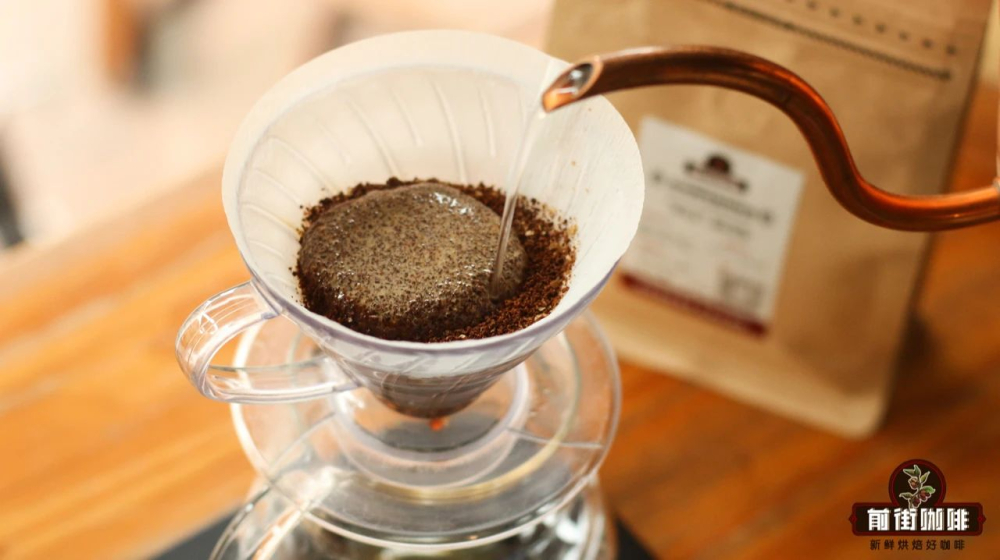
The charm of pour over coffee lies in its ability to precisely present the terroir and processing details of the beans. But to consistently brew a great cup, you must master seven key elements: fresh coffee beans, appropriate grind size, correct water temperature, high-quality water, suitable filter cone, proper coffee-to-water ratio, and precise extraction time. These seven elements are practical guidelines summarized by many professional baristas through years of hands-on experience. They help beginners quickly focus on core techniques and avoid common mistakes.
I. Coffee Bean Freshness: The Core Foundation of Flavor
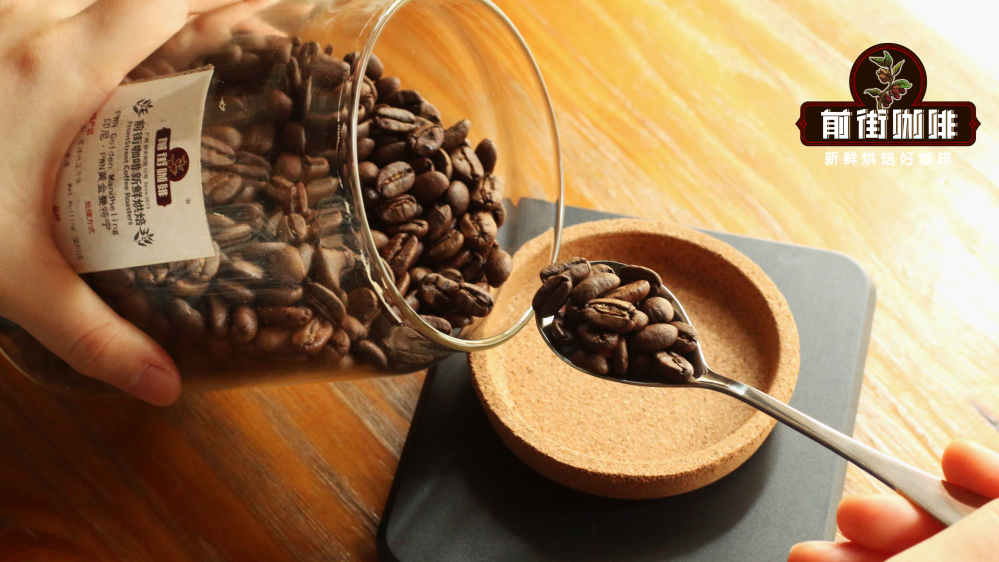
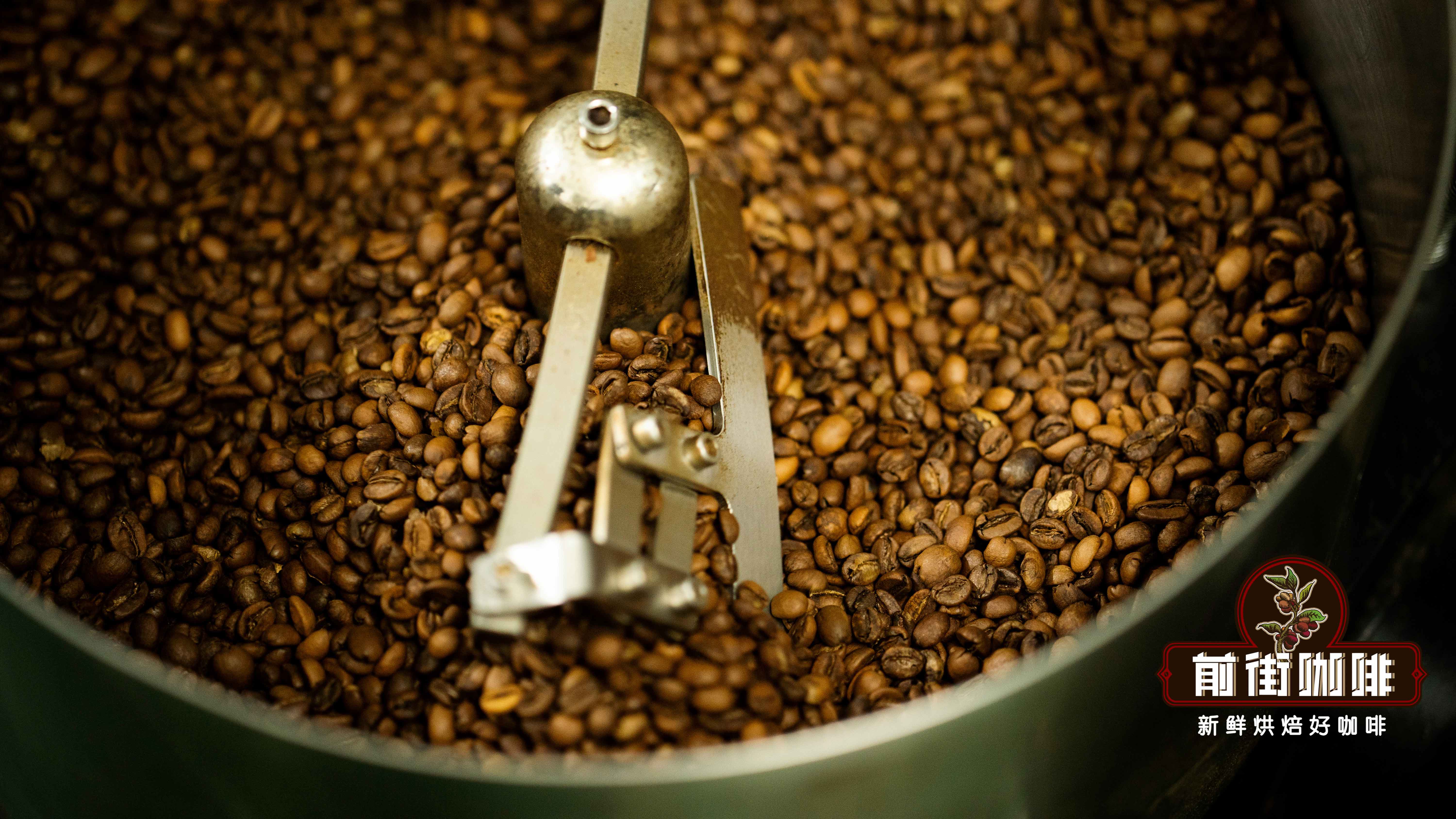
The soul of a pour over coffee begins with freshly roasted coffee beans. Generally speaking, the optimal flavor window for coffee beans is within 30 days post-roast. Over time, the aromatic molecules in the beans gradually dissipate along with carbon dioxide release, leading to a dull flavor or even a cardboard-like taste. Therefore, selecting coffee beans roasted within 30 days is the first step in mastering pour over brewing.
II. Grind Size: A Key Factor Influencing Flow Rate and Extraction
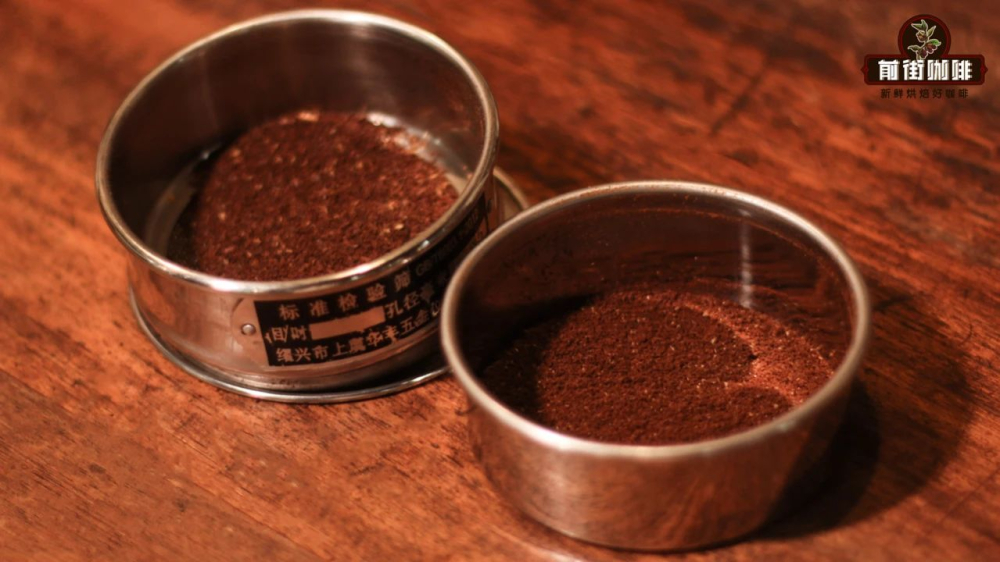
Grind size directly affects water flow rate and extraction efficiency. Grinding too fine can cause coffee grounds to accumulate at the bottom of the filter paper, obstructing water flow, prolonging extraction time, and easily leading to over-extraction — resulting in woody or unpleasant off-flavors. Conversely, grinding too coarse allows water to pass through too quickly, leading to under-extraction and a thin flavor profile. It is recommended to use a No. 20 sieve (with a 0.85 mm aperture) to test the particle passage rate.For light to medium roasts, aim for a passage rate of 80% (about 8 grams out of 10), while for medium to dark roasts, a range of 70% to 75% (7 to 7.5 grams out of 10) is ideal.Adjust the grind setting accordingly.
III. Water Temperature Control: Adjust According to Roast Level
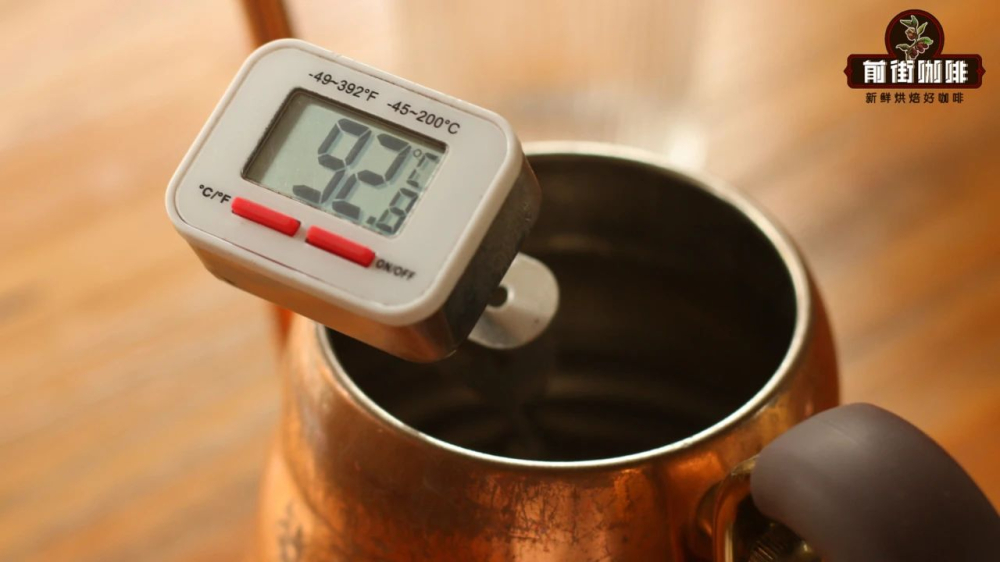
Water temperature is a crucial factor influencing the release of extracted compounds. For light to medium roasts, it is recommended to use90 to 91°Cto fully extract acidity and aroma; for medium to dark roasts, lower the temperature to87 to 89°Cto avoid extracting excessive bitter or astringent off-flavors. Flexibly adjusting water temperature based on roast level can effectively improve extraction balance.
IV. Water Quality: A Detail That Should Not Be Overlooked
Minerals such as calcium, magnesium, sodium, and potassium in water can alter the dissolution behavior of coffee compounds, thereby affecting the final flavor. It is advised to avoid using tap water directly, as it often contains impurities that can introduce unwanted tastes. Filtered or soft water is recommended to enhance extraction stability and flavor purity.
V. Filter Cone Selection: V60 Is the Best Choice for Beginners
For those just starting out with pour over, it’s recommended to begin with the Hario V60 No. 01 filter cone. Its conical design, paired with spiral ribs, promotes airflow and facilitates smoother drainage through the filter paper, helping control extraction time and flow rate. Although it may not deliver the same body as other cones, it highlights acidity and aroma, making it ideal for exploring diverse bean flavors.
VI. Coffee-to-Water Ratio: Practical Application of the Golden Cup Theory
According to the SCA Golden Cup extraction standard, the coffee-to-water ratio in pour over brewing significantly impacts concentration and taste. Common ratios and corresponding flavor profiles are as follows:
- Bold Flavor: 1:10 to 1:11 (Golden Cup range: 1:12.5 to 1:13.5)
- Medium Flavor: 1:12 to 1:13 (Golden Cup range: 1:14.5 to 1:15.5)
- Light & Refreshing: 1:14 to 1:16 (Golden Cup range: 1:16.5 to 1:18.5)
Among these,1:14.5 to 1:15.5is the easiest to achieve the Golden Cup standard for both extraction yield (18%–22%) and concentration (1.15%–1.35%), and is also the balanced choice recommended by many baristas.
VII. Extraction Time: Mastering Rhythm and Balance
During the pour over process, the early stages primarily release acidity and aroma, with the highest concentration; as time progresses, sweetness and bitterness gradually increase. It is suggested that when using 15 grams of coffee grounds and a 1:15 coffee-to-water ratio, the total extraction time be controlled within2 minutes to 2 minutes 30 secondsto achieve a balanced flavor without over-extraction.
Now that we’ve covered the seven key elements, let’s delve into the three main steps of pour over extraction: wetting (blooming), dissolution, and diffusion.
Wetting (Blooming)
This is the first step in pour over, also known as blooming. It involves evenly pouring a small amount of hot water over the coffee grounds to allow them to fully absorb water and release carbon dioxide, laying the foundation for subsequent dissolution. This step not only awakens the coffee cells but also helps prevent channeling, making it key to stable extraction.

Dissolution
Once the coffee grounds are activated through blooming, the next step is the process by which hot water extracts soluble compounds from the coffee. These include acidity, sweetness, aroma, and bitterness, released in sequence according to molecular size. Smaller molecules dissolve first, bringing out bright acidity and aroma; medium molecules follow, contributing sweetness; and finally, larger molecules bring about roasted bitterness. Controlling extraction time can effectively adjust the proportions of these various flavors.
Diffusion
After dissolution, the aromatic molecules diffuse into the water through a process of dispersion, forming the coffee liquid we drink. This process requires time and uniform water flow. It is recommended to gently swirl the coffee cup after brewing to mix flavors from different extraction stages, delivering a more complete taste experience.
Practical Demonstration: Ethiopia Natural Huila 8.0 Pour Over Process
Finally, let’s use a Ethiopia Natural Huila 8.0 as an example to demonstrate a real pour over brewing process. Grown in the Guji-Hambella region of Sidama, Ethiopia, at an altitude of 2350 meters, this coffee is produced from local heirloom varieties using the natural processing method, offering rich fruitiness and juice-like mouthfeel.
Recommended pour over parameters: Use a Hario V60 filter cone, a 1:15 coffee-to-water ratio, and a grind size equivalent to approximately 80% passage rate on a Chinese standard No. 20 sieve (similar to BG#6S). Control water temperature at90°C. Begin with a bloom using twice the amount of coffee grounds in water (about 30 grams) for 30 seconds, then pour in a small circular motion until reaching 125 grams for the first pour. Wait for the water level to drop, then continue pouring to 225 grams. Finally, remove the filter cone just before the water level exposes the coffee bed. Total brewing time is approximately2 minutes flat.
Brewed with these parameters, Ethiopia Natural Huila 8.0 exhibits pronounced almond aromas when hot, shifting to clear citrus acidity as it cools slightly. It delivers a rich berry juice-like mouthfeel, accompanied by a soft lemon black tea note, with a long-lasting sweet finish. It’s a classic bean variety that’s perfect for practicing pour over techniques.

The above content is compiled by CoffeeHunters, a coffee news website.


