







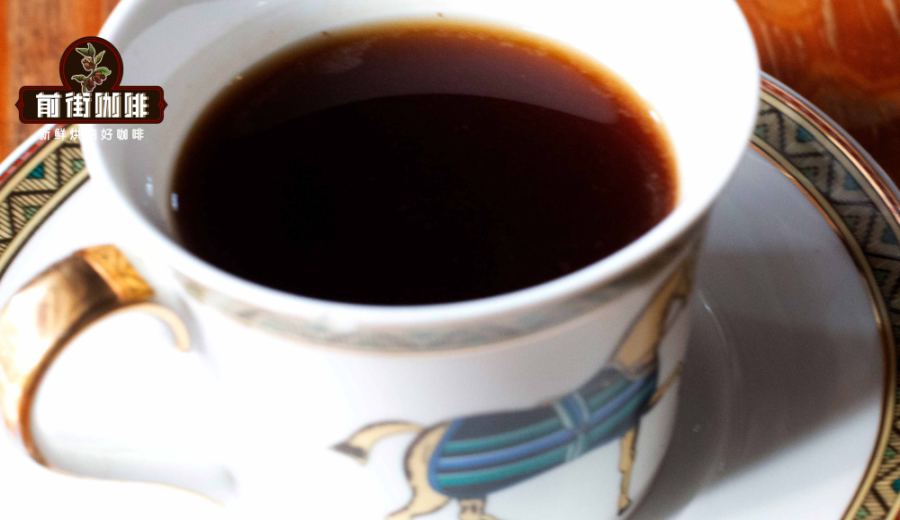
Introduction:Kenyan coffee is renowned for its bright acidity and juice-like mouthfeel, particularly celebrated for unique flavor notes such as cherry tomatoes and dark plums. This article delves into its double-washed processing method, the characteristics of its main cultivars SL28 and SL34, and how roast levels influence flavor — helping you master key selection criteria to find Kenyan specialty beans with outstanding flavor and optimal freshness.
When it comes to coffee with vibrant acidity and fruity brightness, many people first think of Ethiopia’s Yirgacheffe, Huaca, or Panama’s Geisha. However, Kenyan coffee also displays highly distinctive sweet-and-sour balance and juicy sensations. Such coffees often feature unique flavor notes like dark plum, cherry tomato, and black plum, primarily thanks to their unique double-washed processing method and the high-phosphorus soil environment ideal for coffee cultivation.
In processing, Kenyan coffee generally employs what is called “double washed” or “double fermented” techniques, which differ significantly from the 24–36 hour fermentation processes common in Central and South America. Kenyan processing facilities typically undergo fermentation for up to 72 hours: the first 48 hours are used to initially remove the mucilage, followed by 24 hours of static soaking in clean water. This additional step further enhances the purity and complexity of the flavors. This is also why Kenyan coffee is often described as “clean and bright.”With clear acidity and a long-lasting aftertaste.

In terms of variety, Kenyan coffee mainly grows the classic cultivars SL28 and SL34. SL28 features intense dark plum and citrus acidity, with deep acidity accompanied by rich stone fruit notes and a sweetness reminiscent of high-quality wine. SL34, on the other hand, exhibits bright fruit acidity along with subtle background aromas of nuts and spices. These two varieties not only thrive in high-altitude environments but also, nurtured by high-phosphorus soils, display distinctive flavor profiles, successfully overturning the past stereotype that “man-selected cultivars are inferior to wild heirloom varieties.”
Roast level has a significant impact on the flavor direction of Kenyan coffee. Choosing a dark roast can bring out a heavier body and deeper aromas, but it tends to mask the delicate acidity and fruity notes. On the contrary,light roast or medium-light roast can fully release the fresh notes of dark plum, cherry tomatoes, and flowers, staying closer to the original flavor characteristics of Kenyan coffee. If you enjoy berry-forward coffee, a light roast is the top choice.
Additionally, freshness is one of the key factors affecting coffee performance.Generally speaking, coffee beans roasted more than a month ago will show a noticeable loss of aroma and may even develop unappealing woody or cardboard notes. Therefore, whether using pour over, French press, or espresso extraction, it's best to choose freshly roasted products. Roasting brands that offer stable supply and prioritize freshness often provide more reliable quality assurance.

Taking the commonly found Kenyan cherry tomato-flavored beans as an example, these are mostly grown in regions such as Thika, at altitudes of about 1550 to 1750 meters, with processing facilities like the Asaliya Factory being representative. These beans are mostly washed processed, with varieties including SL28 and SL34. On the flavor profile, you can often perceive distinct layers of dark plum, cherry tomato, brown sugar, and black plum — making them highly suitable for coffee lovers who enjoy juice-like mouthfeel and high-acid brightness.
Overall, if you want to try Kenyan coffee with unique flavors, it is recommended to start with light roast or medium-light roast, while paying attention to the processing method and roast date to ensure the flavor is at its best. Mastering these key points allows you to distinguish and enjoy the bright acidity and rich fruitiness that are uniquely Kenyan among the world’s coffee-producing nations.
The above content is compiled by CoffeeHunters, a coffee news website.


