







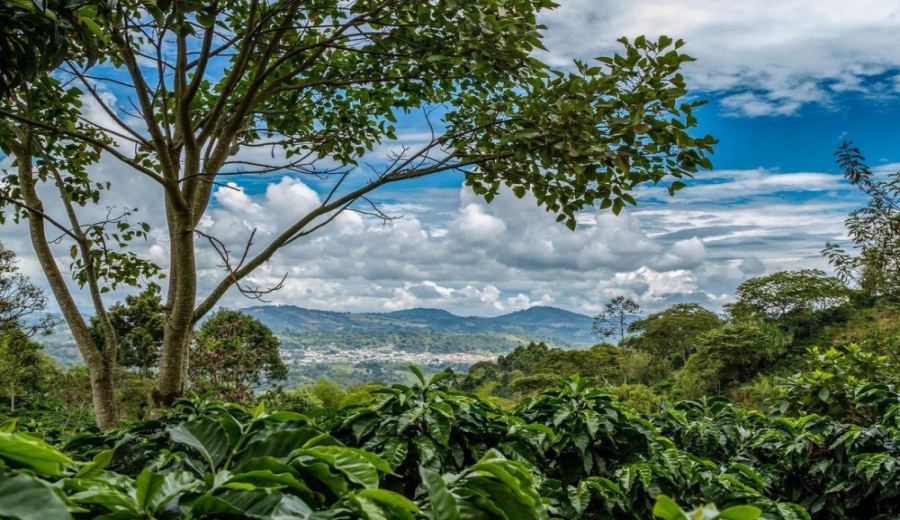
Introduction:Delve into the distinctive coffee characteristics of Colombia’s five major regions—from the bold richness of Medellín to the high-altitude refinement of Nariño. This article breaks down each region’s flavor profile, altitude traits, and processing differences, along with practical pour over and roasting parameters to help you more accurately taste and brew Colombia’s diverse specialty coffees.
Benefiting from dual-port access to both the Atlantic and Pacific Oceans, Colombia is one of South America’s countries with the lowest coffee export transportation costs. Its eastern and central Cordillera mountain ranges, along with southern regions such as Huila, Cauca, and Nariño, form a diverse and nuanced coffee flavor map. From the northern Medellín to the southern Nariño, not only do altitude and microclimates vary significantly, but so do processing methods and market positioning. This guide will take you through the flavor features, brewing recommendations, and roasting advice for Colombia’s main producing areas, accompanied by practical pour over parameters to help you fully grasp the potential of each coffee.
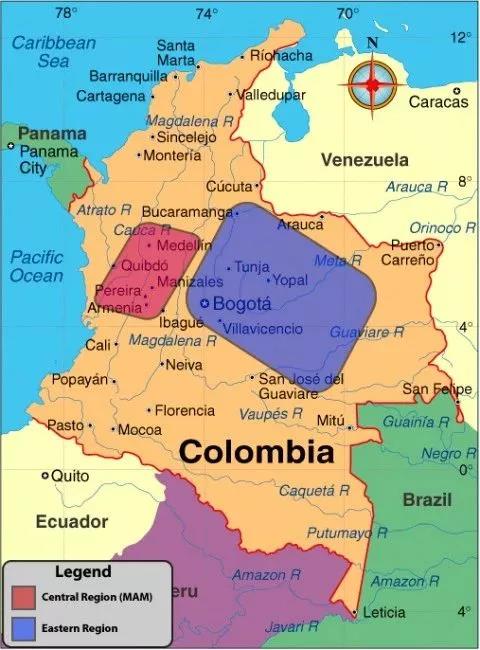
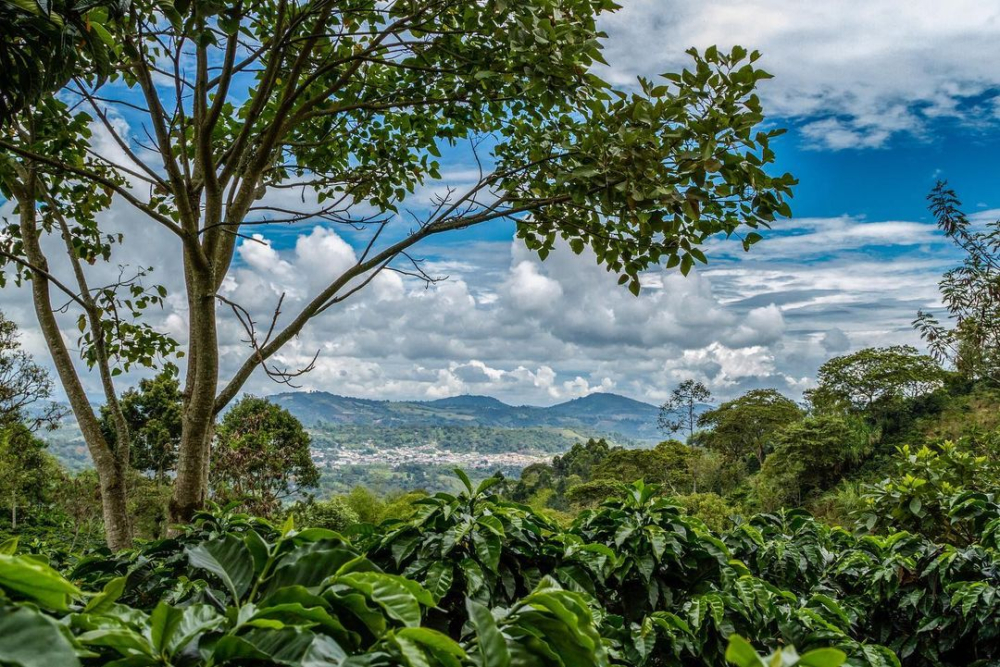 Colombia not only enjoys the natural advantage of dual-port logistics, but its complex terrain and vertical altitude distribution also give rise to a rich and varied coffee flavor spectrum. The eastern Central Cordillera, including Medellín, Armenia, and Manizales—collectively known as the MAM Golden Triangle—is the country’s primary coffee exporting hub. Coffees from this area generally exhibit intense aromas and balanced acidity. In contrast, Santander in the eastern mountains is known for its fresher, herbaceous notes. As for the southern regions of Huila, Cauca, and Nariño, their high altitudes and unique microclimates produce coffees often marked by distinct sweet-and-acid balance and complex layers, making them must-tries for specialty coffee enthusiasts.
Medellín
Located in northern Colombia and part of the MAM Golden Triangle, Medellín is renowned for its round, full beans, abundant aroma, and moderate acidity. Its flavor profile is clear and layered, with notable sweetness and a long aftertaste. It suits dark roasting to bring out its rich aroma and full-bodied taste.FNC association-exported Medellín beans, in particular, excel in consistency and cleanliness, making them the top choice for consumers seeking stable quality. The beans from this region are dense and often carry caramel and nutty undertones, making them highly appealing to those who prefer a fuller mouthfeel.
Santander
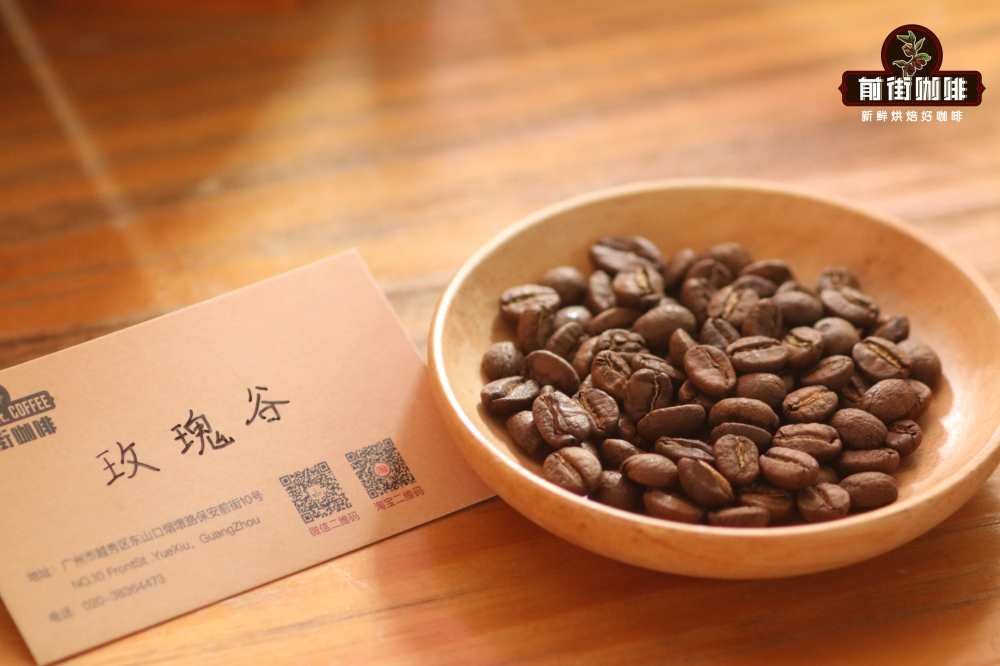
This province, situated in northern Colombia at an average planting altitude of about 1400 to 1600 meters, is one of the country’s oldest coffee-growing regions. Though it currently accounts for only about 5% of national production, it boasts unique regional flavors. Cupping by a certain brand revealed that coffees from this area often exhibit distinct herbal aromas and a refreshing finish. The anaerobic double enzyme-washed beans from this region, such as those from “Rose Valley,” are especially recommended for their outstanding flavor performance.
Take the Caturra variety, for example. This anaerobic double enzyme-washed coffee, grown at 1700 meters, offers aromas of peach, rose, and liqueur chocolate when brewed. On the palate, it’s as vibrant as peach juice, with a sweet-and-acid balance and a silky texture reminiscent of creamy toffee—a perfect choice for experiencing the Santander flavor profile. For pour over, a water temperature of around 90°C, a brew ratio of 1:15, and medium-fine grind are recommended to fully showcase its fruity and floral layers.
Huila
As one of Colombia’s three major producing regions, Huila lies in the southwestern part of the country, accounting for approximately 12% of national output. It is home to numerous well-known micro-regions. Huila coffees typically express notes of nuts, dark chocolate, and caramel, with intense and layered flavors. Cupping by a certain brand found that these coffees have a full-bodied mouthfeel, soft acidity, and are ideal for those who prefer sweet notes and chocolatey profiles.
The washed Caturra variety, grown at 1500–1800 meters, is highly recommended. It has a clear flavor outline, with prominent nut and caramel aromas and a gentle finish. Roasting at a medium-dark level is suggested to highlight its chocolate base and sweet aftertaste. For pour over, use a medium-fine grind and control the water temperature between 90–91°C to accentuate its full-bodied character.
Cauca
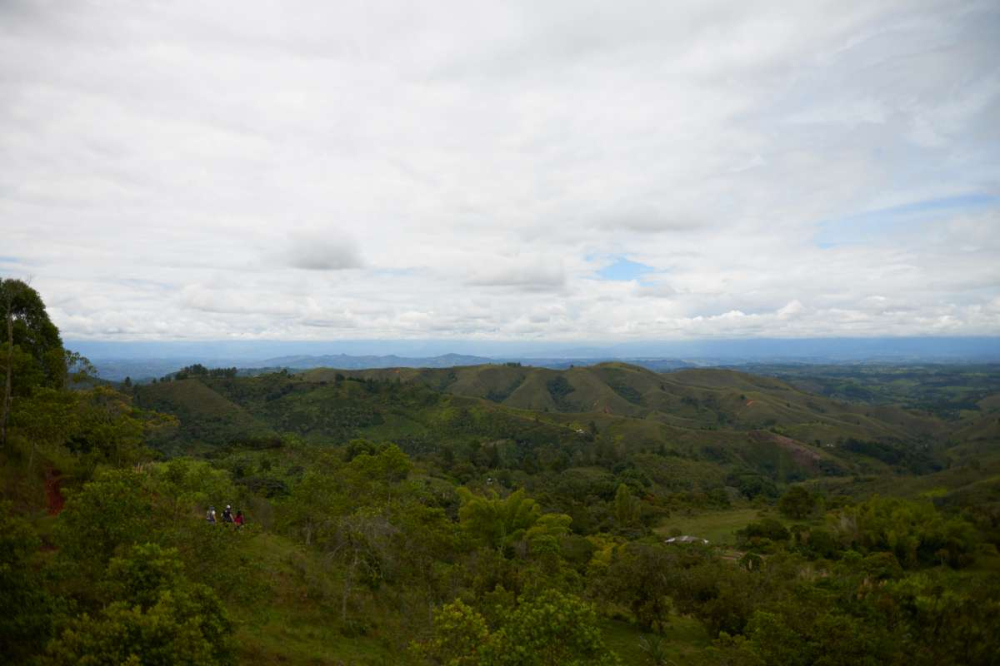
Located in southwestern Colombia, Cauca is one of the country’s origin-certified regions, with an average altitude of 1758 meters—some areas even exceed 2100 meters. The region experiences a diurnal temperature variation of up to 11°C, with daytime averages around 18°C, facilitating slow coffee maturation and accumulation of richer flavor compounds. Cauca coffees are known for their bright acidity and unique sweetness, making them an ideal choice for those seeking fresh acidity and fruity complexity.
Take the “Sakura” coffee bean, for instance. Produced from the Castilla variety and processed using double anaerobic washing at 2050 meters, it delivers a truly distinctive flavor profile: berry juice-like brightness, strawberry jam sweetness, paired with the freshness of mint tea and herbal notes of mugwort and basil. A specialty coffee with remarkable layers. Roasting should control heat and air intake to preserve its lively acidity and unique aromatic expression. For pour over, use a fine grind and a slightly lower-than-90°C water temperature to highlight its delicate fruit acids and aromas.
Nariño
Nestled in Colombia’s far southwest, Nariño contributes less than 3% of the country’s total coffee output but benefits from exceptional growing conditions: abundant sunshine year-round, altitudes mostly exceeding 1600 meters, and some areas reaching up to 2300 meters. The region’s high-altitude terrain and volcanic soils provide rich nutrients, coupled with stable microclimates, resulting in coffee with immense quality potential. Local coffees often feature bright acidity, complex floral and fruity aromas, and a long-lasting finish.
Practical recommendations for brewing Nariño coffee include using a Hario V60 #01 filter, a water temperature of 90–91°C, 15 grams of coffee, a 1:15 brew ratio, and a medium-fine grind (approximately 80% extraction through a #20 sieve). Use a three-stage pour: bloom with 30 grams of water for 30 seconds, then pour in a slow stream to 125 grams for the first pour, wait for the water level to drop, and continue pouring to 225 grams. Total brew time should be controlled within 2’00”–2’10”. This method fully highlights Nariño coffee’s delicate acidity and rich layers, making it perfect for coffee lovers who appreciate refined flavor profiles.
The above content is compiled by CoffeeHunters, a coffee news website.


