








Introduction:Would you like to learn how espresso transitioned from being a misunderstood "devil’s drink" to becoming a symbol of Italian culture? This article takes you through the evolution of espresso from the 16th century to the present, explores the cultural background of dark roast flavors, and introduces three practical drinking techniques to help you truly appreciate the layers and aftertaste of espresso.
The birth of espresso can be traced back to the late 16th century. At that time, coffee beans from Africa and the Middle East entered the Italian peninsula via the port of Venice. This beverage, originating from the Muslim world, was initially popular only among the aristocracy. Due to its foreign origins, many Christian Italians mockingly referred to it as the "devil’s drink" and kept their distance.
It wasn’t until the early 17th century that the situation began to change. Pope Clement VIII took an interest in this dark liquid—not only did he personally "baptize" coffee, but he also renamed it the "drink of God," breaking religious barriers. In 1645, the first European coffeehouse was established in Rome, marking an important starting point for Italian coffee culture, and coffee quickly spread throughout Italy.

The influence of Italians on coffee is not only reflected in drinking habits but also in technological innovation. Early on, people used Turkish coffee pots, a process that was cumbersome and required additional filtering. With the advent of the Industrial Revolution and the acceleration of life’s pace, Italians also desired a faster way to make coffee.
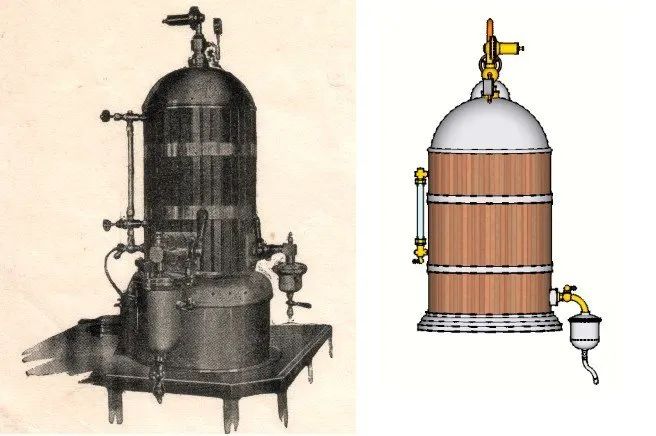
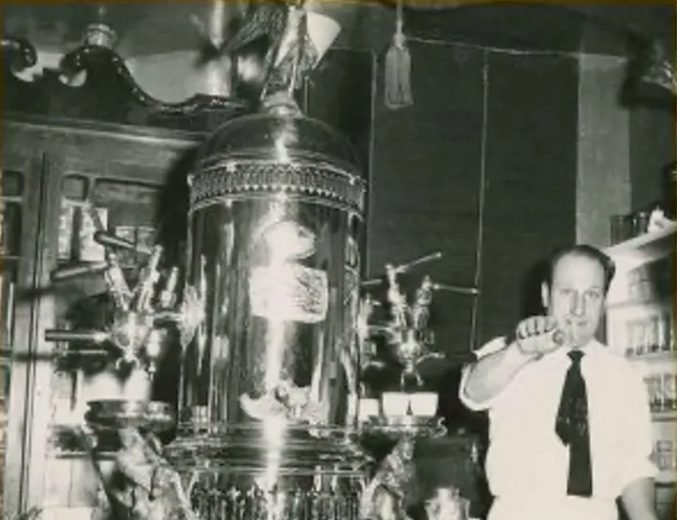
In 1884, Angelo Moriondo of Turin obtained the first patent for a steam-powered coffee machine. However, because it relied solely on steam heating, temperature control was difficult, often resulting in overly bitter and burnt extractions with poor taste. It wasn’t until later improvements by multiple individuals that it gradually became refined.
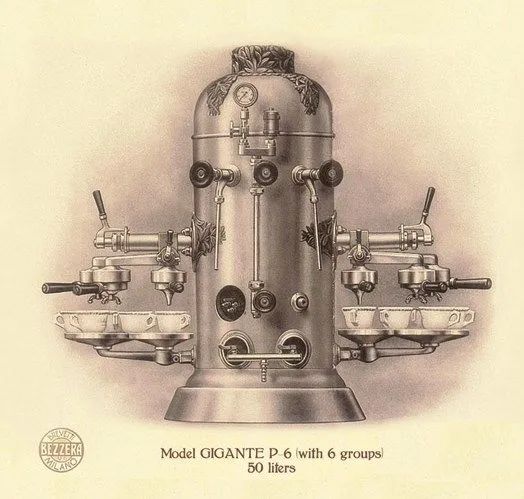
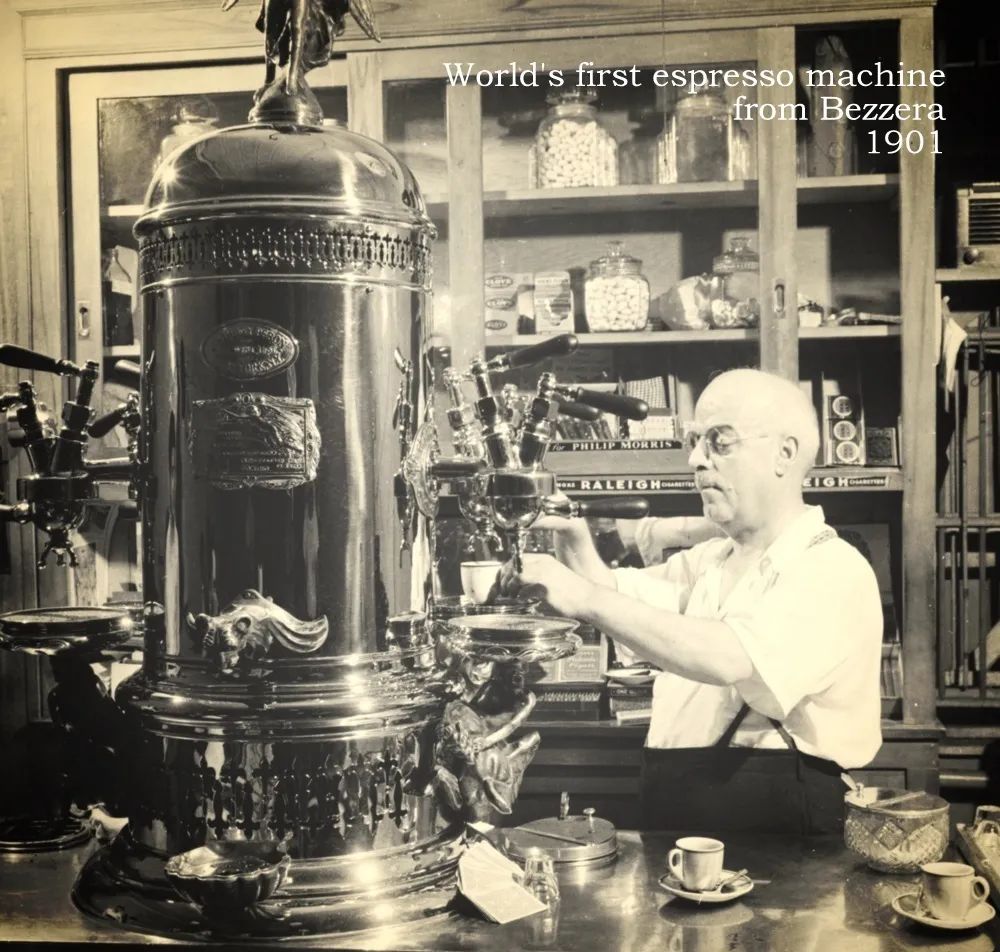
By the end of the 19th century, Milan manufacturer Luigi Bezzera improved the original design and introduced the world’s first prototype of a steam-pressure coffee machine. This machine featured a detachable handle and a modular assembly head, enabling rapid extraction of espresso under high pressure, significantly improving efficiency and flavor performance.
The word "Espresso" was officially included in the Italian dictionary around 1920, referring to "coffee made under pressure." However, those who first tried this quickly brewed coffee often found its intense taste hard to accept. As technology continued to evolve, Italians gradually discovered the rich layers hidden within.
Among them, Milan engineer Achille Gaggia made a major improvement around 1938 by adding a lever system to the coffee machine, which increased water pressure from the original 1.5 bar to 9 bar. This breakthrough design not only caused a golden-brown, fine, aromatic crema to form on the surface of the coffee but also made extraction more stable, with controllable volume, laying the foundation for the modern espresso.
With the widespread use of espresso machines, Italian coffee culture gradually took shape. Espresso, with its fast and intense characteristics, perfectly matched the efficiency-focused lifestyle of Italians. Walking into any Italian café and ordering a "single espresso" is almost a daily ritual for locals.
Most Italians prefer dark roasted beans to bring out a strong bitterness and rich mouthfeel, sometimes even adding Robusta beans to enhance crema. A cup of espresso costing about 1 euro (approximately 35 New Taiwan Dollars) is not only a mass-market beverage but also an indispensable "digestif" for many after meals.
In the hearts of Italians, only espresso can be called "real coffee." Compared to light roasts that emphasize origin flavors in specialty coffee, they are more fond of espresso’s strong body, thick texture, and slightly bitter taste. This drinking habit also reflects Italians’ commitment and pride in their own coffee culture.
Next, we will delve into three practical techniques to help you gain more layers and enjoyment from drinking espresso.
Technique 1: Stir Moderately to Release Full Flavor
Many people, when trying espresso for the first time, often take just a small sip, usually encountering the coffee crema floating on the top first. This fine layer of foam, brought out by high-pressure extraction, is rich in aroma but may taste overly bitter or astringent on its own.
It is recommended to use the small coffee spoon provided with the cup to gently stir the coffee, mixing the surface crema with the liquid below. This not only reduces the intensity of a single flavor but also allows the coffee fines and liquid to fully integrate, enhancing the overall richness and smoothness of the mouthfeel, letting you truly experience the full flavor profile of espresso.
Technique 2: Sip in Stages to Sense Flavor Layers
Just like drinking cola or wine, the first sip of espresso often feels particularly intense as your taste buds are not yet accustomed to it. The bitterness and intensity at this stage may be off-putting, but if you continue to the second sip, your palate will gradually adapt, and you’ll find the bitterness significantly reduced while more delicate aromas and sweetness begin to emerge.
It is suggested to finish the espresso in 2 to 3 sips within a short time to avoid flavor loss due to cooling. Too long of an interval not only lets the bitterness return but can also cause the crema and aroma to dissipate, affecting the overall experience.
Technique 3: Pair with Ice Water to Refresh the Palate
Many Italian-style cafés serve a glass of ice water alongside espresso. This is not for making Americanos but to cleanse the mouth and reset taste bud sensitivity before drinking.
It is recommended that you take a small sip of ice water before drinking the espresso, which helps you perceive the coffee’s aroma and layers more clearly. Then, you can stir the espresso lightly if you like, sip it in stages, and finally exhale with your mouth closed to savor the lingering aroma and aftertaste—the most captivating soul of espresso.
Once you’ve mastered these techniques, you’ll have a better chance to appreciate the unique charm of espresso. Of course, these methods are designed to help you more fully experience its flavors, not to completely eliminate bitterness. If you’re particularly sensitive to bitterness, adding a bit of sugar is also one of the traditional practices commonly seen among Italians.
The above content is compiled by CoffeeHunters, a coffee news website.


