








Introduction:Want to dive deeper into Ethiopia—the cradle of global coffee? This article provides a detailed overview of the country’s coffee-growing regions, its more than 1,900 native varieties, as well as the differences and flavor characteristics between washed and natural processing methods. Whether you’re just beginning your specialty coffee journey or seeking flavor inspiration, you’ll gain key insights for selection and brewing tips here.
As the birthplace of coffee, Ethiopia is not only one of the world’s major coffee-producing countries but also a place where coffee is deeply intertwined with culture and daily life. Renowned regions such as Sidamo and Yirgacheffe produce numerous specialty coffee beans with unique floral and fruity aromas each year. Most of these coffees come from smallholder farms at high altitudes, featuring diverse varieties and traditional processing methods that contribute to their distinctive flavor profiles.
Approximately 1.2 million smallholder households in Ethiopia rely on coffee farming for their livelihoods, with an average cultivation area of less than 4 hectares per household. The typical growing altitude ranges between 1,000 and 2,300 meters, with about 1,000 to 1,800 coffee trees planted per hectare, yielding around 600 kilograms annually. This small-scale, meticulous farming is a key reason behind the diversity and regional distinctiveness of Ethiopian coffee flavors. In addition, some coffee comes from professionally managed large estates, such as those premium Geisha beans produced in renowned Geisha-growing areas.
When it comes to Ethiopian coffee varieties, it’s impossible not to mention the nearly 2,000 registered varieties, including 1,927 native ones and 128 introduced ones. It’s worth noting that local cultivation is not strictly categorized by variety—beans of different varieties are often harvested together. As a result, the beans vary in size, and retail packaging usually only indicates “local native variety.” However, in recent years, international competitions such as COE (Cup of Excellence) have gradually featured numbered varieties like 74158 and 74110, as well as classic ones like Typica and Kurume. For example, a winning bean in the 22nd COE was a Typica variety from the Shakisso district in Sidamo, showcasing the future potential of the region. This year, 9 out of 28 winning beans came from this area.
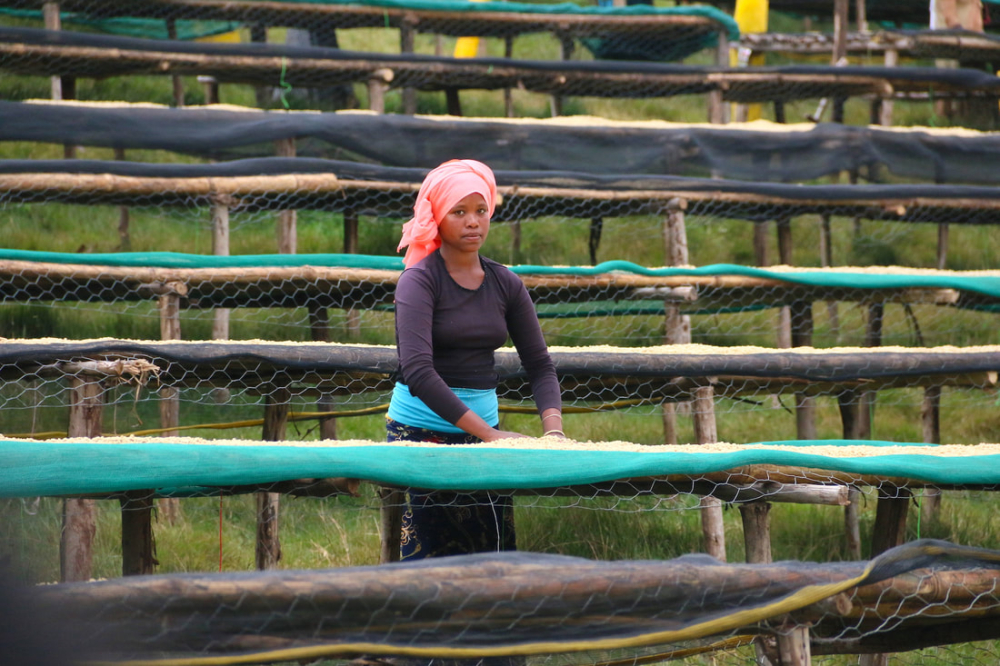
In terms of processing methods, Ethiopia mainly employs washed and natural (sun-dried) processes, with the washed method accounting for a larger proportion. The key difference lies in whether the pulp is removed before fermentation. The washed process first sorts ripe coffee cherries, removes the outer skin and pulp, then ferments to remove the mucilage, followed by washing with clean water and drying to reach a moisture content of 12%. In contrast, the natural process involves directly sun-drying the whole coffee fruit until the pulp and seeds naturally dry to the required moisture level, after which the outer layers are removed. This method retains more fruity flavors, resulting in coffee with richer sweetness and body.
If you’re trying Ethiopian coffee for the first time, it’s recommended to start with washed beans. These typically exhibit clear acidity and elegant floral and fruity notes, such as common lemon, jasmine, and honey tones, delivering a refreshing and layered taste. In contrast, natural-processed beans add more sweetness and body to the fruitiness, often featuring berry, black tea, and slight fermentation aromas, with a more intense aftertaste. The former suits those who prefer bright and fresh flavors, while the latter caters to those who enjoy rich, sweet profiles.
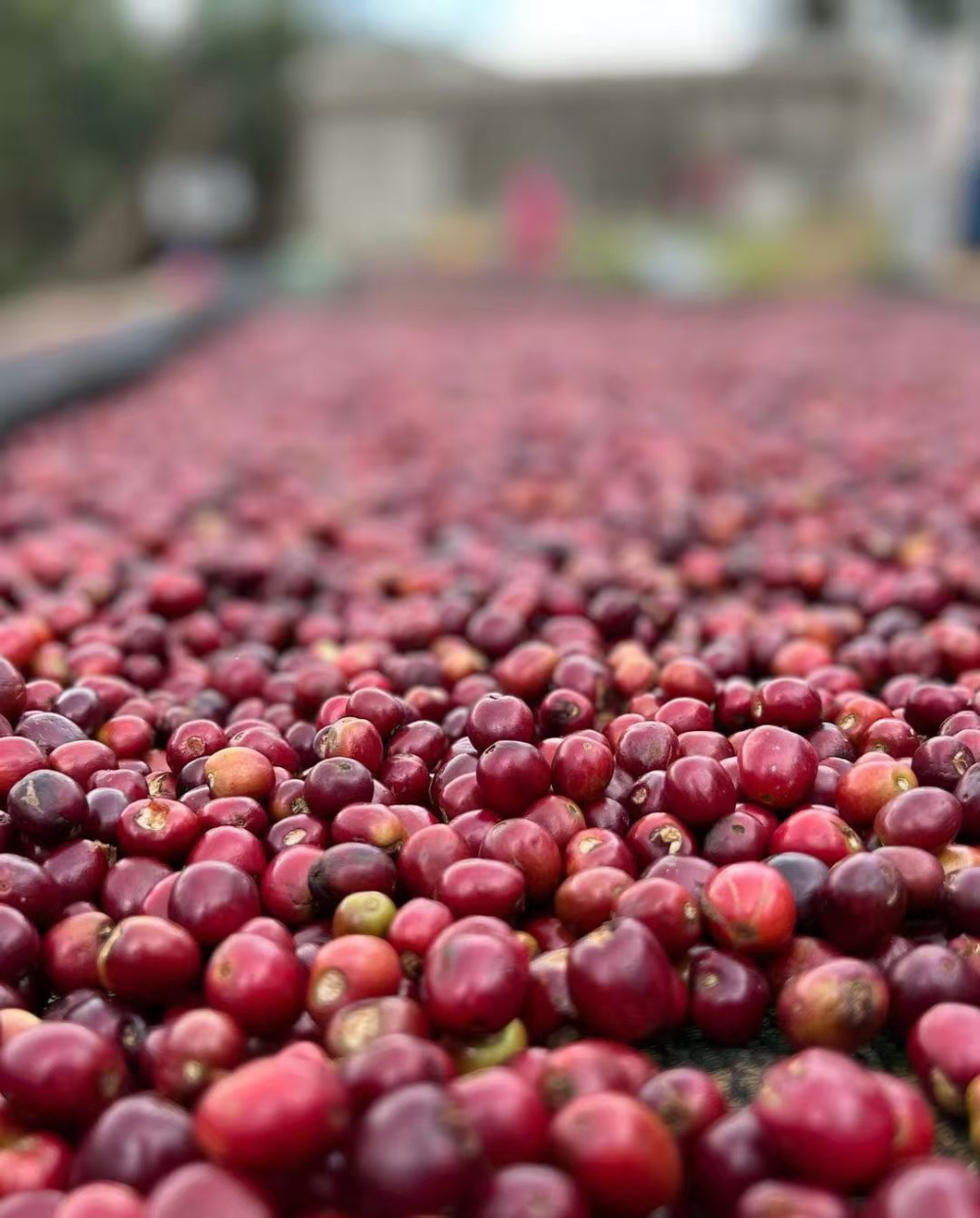
In terms of actual flavor performance, natural-processed Yirgacheffe often emits a subtle wine-like aroma, with citrus, honey, and cocoa layers upon tasting, and a long, warm finish. Washed Yirgacheffe, on the other hand, stands out with vibrant lemon acidity and clear citrus notes, offering a clean and refreshing mouthfeel, occasionally finishing with the softness of black tea. Although these two processing methods yield different flavor directions, they both exhibit pronounced fruit acidity and juiciness—typical traits of Ethiopian coffee.
In summary, the charm of Ethiopian coffee lies in its unparalleled varietal diversity, complex terrain and climatic conditions, as well as the coexistence of traditional and modern processing techniques. Whether you’re looking for everyday drinking beans or aiming to explore the essence of single-origin coffee, understanding regional characteristics and processing differences is indispensable knowledge for selection and brewing. By tasting beans from different regions and processed in various ways, you’ll gain a deeper appreciation of the richness and depth of this coffee homeland.
The above content is compiled by CoffeeHunters, a coffee news website.


