








Introduction:Colombia is the world’s second-largest producer of Arabica coffee, and its coffee culture blends historical heritage with regional characteristics. This article begins with the origins of Colombia’s coffee industry, explores how the unique geographical conditions of the Huila region create captivating fruit acidity and caramel aftertastes, and delves into the renowned Sidra variety from Finca La Divisoria — a bean that helped a competitor win the 2019 World Barista Championship. At the end, we also provide practical steps for making a cold brew with Sidra, helping you fully experience the multi-layered flavors of this specialty coffee.
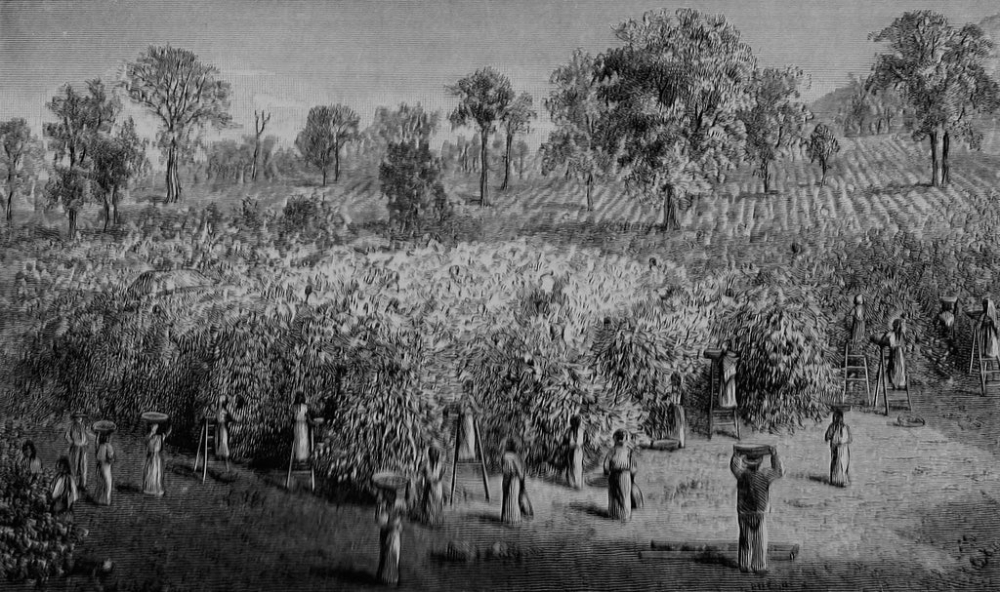
Although Colombia is not a large country by land area, it is one of the world’s most important producers of Arabica coffee, second only to Brazil. As early as the early 18th century, Spanish missionaries introduced coffee seeds to the region. It is said that the first recorded mention was by José Gumilla in 1730, who noted the presence of coffee plantations along the Orinoco River, indicating that coffee cultivation in Colombia dates back even earlier. Over time, coffee gradually replaced other cash crops to become the country’s main export commodity. However, the Thousand Days' War at the end of the 19th century severely damaged the local economy, causing many coffee farms to be abandoned. This forced the government to redistribute land, enabling landless farmers to cultivate coffee on a small scale, thereby laying the foundation for what would later become a predominantly smallholder-driven industry.

To enhance the international competitiveness of small-scale farmers, Colombian coffee growers established an early marketing organization in 1904, which was formally organized into the FNC (Colombian Coffee Growers Federation) in 1927. This officially backed association not only stabilized market prices but also actively promoted the brand image of Colombian coffee, rapidly propelling the country to become one of the world’s top three coffee exporting nations. Over the years, Colombian coffee has secured its place in the global market with its balanced and rich flavor profile, becoming a classic choice for many coffee enthusiasts.
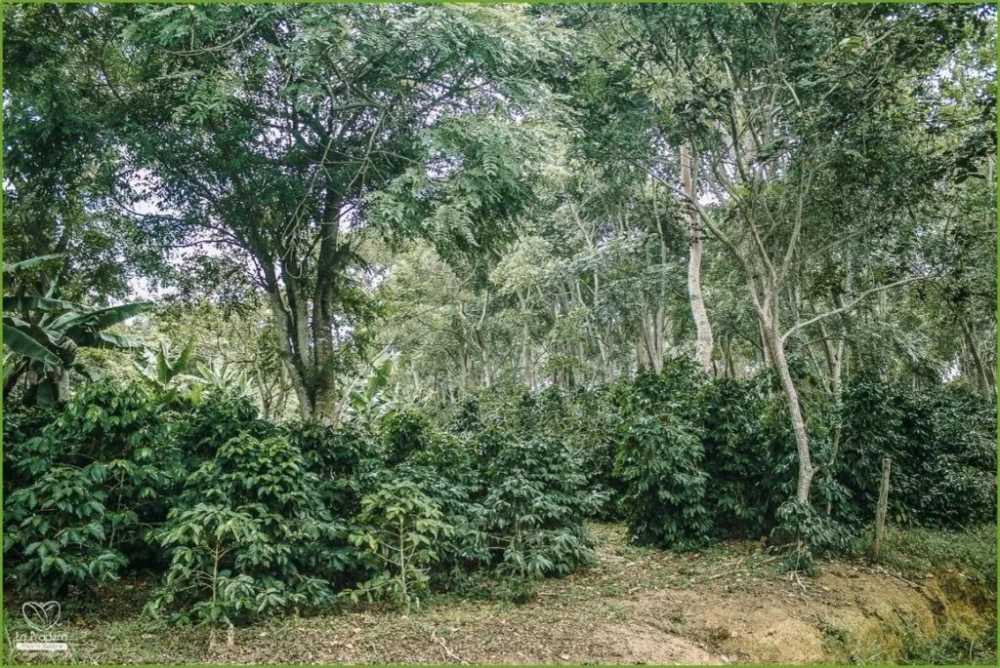
Among the many coffee-growing regions, Huila Province in southern Colombia stands out as a representative of specialty coffee. This highland area, surrounded by mountains, not only boasts an elevation of over 1,500 meters for cultivation but also saw its surrounding soil enriched with mineral-rich volcanic ash following the eruption of a nearby volcano in 2008, creating a unique growing environment. Huila is also a convergence point for major rivers in Colombia, ensuring abundant water supply. Coupled with diverse microclimates, the region’s coffee not only maintains the balance typical of Colombian beans but also showcases delicate fruit acidity, rich nutty notes, and a memorable caramel finish.
Nowadays, the Huila region is gradually moving away from the traditional grading system based mainly on bean size, instead focusing on micro-regional and single-farm microlot production. Through cupping, they carefully select the coffees with the most distinctive flavor profiles. This shift not only improves product quality but also allows consumers to more clearly trace the origin and flavor characteristics of each coffee. A well-known coffee brand has previously recommended high-altitude washed beans from Huila multiple times. Roasted to a medium-dark level, these beans are suitable for pour over as well as various brewing methods including drip bags, moka pots, drip brewers, and espresso machines, demonstrating exceptional extraction versatility.
Among the many high-quality coffees from Huila, two single-origin offerings from Finca La Divisoria — Maracaturra and Sidra — have garnered particular attention in the market. In particular, Sidra (often mispronounced) is actually a transliteration of the Spanish word for “apple juice.” It is also referred to as Sydra or Bourbon Sidra and is believed to be a natural hybrid of Typica and Red Bourbon. Its flavor profile is often described as combining the sweetness of Bourbon with the clarity and cleanliness of Typica, featuring bright acidity and rich layers.
The Sidra beans used by a certain well-known coffee brand are processed with double anaerobic natural sun-drying, which not only enhances sweetness but also intensifies fruity characteristics. Whether extracted via pour over, cold brew, ice drip, hot brew, or other methods, it delivers intense fruit aromas and high sweetness while retaining soft vegetal notes and low bitterness. The cup is smooth with a long-lasting aftertaste, making it a popular choice in many barista competitions. It gained widespread fame after helping a competitor win the 2019 World Barista Championship.
If you’d like to experience the unique flavors of Sidra at home, try this simple cold brew iced coffee recipe. First, prepare about 50 grams of coffee grounds and extract with 500 milliliters of room-temperature water. Slowly pour the water over the coffee grounds, gently stirring to ensure all the grounds are evenly saturated — this step is crucial for optimal cold brew flavor extraction. Next, seal the mixture and refrigerate it, allowing it to steep for at least 12 to 16 hours to fully release the coffee flavors. Once the time is up, strain out the grounds, and your refreshing and sweet Sidra cold brew iced coffee is ready. It’s especially enjoyable on a hot summer day or as an afternoon pick-me-up.
The above content is compiled by CoffeeHunters, a coffee news website.


