







Introduction:Yirgacheffe is one of Ethiopia’s most renowned specialty coffee regions, celebrated for its bright acidity and rich floral and fruity aromas. This article delves into the origins of the Arabica variety to which Yirgacheffe belongs, the unique local varietal lineage, and the impact of washed and natural processing methods on flavor. It also explores the region’s altitude, climate characteristics, farmer cooperative models, and the evolution of processing techniques—helping readers fully understand the traits and brewing essentials of this globally popular pour over bean.
Yirgacheffe is one of the most representative specialty coffee regions in Ethiopia’s southern Great Rift Valley. Located within the Sidama region, it sits at an altitude of over 2,600 meters, making it one of the highest coffee-growing areas in the world. The coffee beans produced here are known for their delicate floral notes, bright citrus acidity, and elegant fruitiness, often regarded as the “top choice for entry-level specialty beans” among many coffee enthusiasts. But many wonder: what exactly kind of coffee is Yirgacheffe? The answer is—it belongs to the Arabica species, and it is among the oldest and most highly esteemed strains within Arabica.
Arabica coffee is considered the flagship of coffee quality, with a history that traces back to the forests of Kaffa in southern Ethiopia, believed to be the genetic birthplace of all coffee varieties. Currently, about 99% of the world’s coffee varieties genetically originate from this area. However, due to the vast number of local varieties and the lack of systematic classification, the Ethiopian government mostly labels them simply as “Heirloom (原生种)” to protect these native genetic resources. Nevertheless, most of these heirloom varieties can be traced back to the ancient Typica and Bourbon lineages—and Yirgacheffe’s coffee is no exception.
Arabica accounts for about 70–80% of global coffee production. Compared to Robusta, it offers softer acidity, richer aroma layers, and lower caffeine content. However, Arabica is more vulnerable to pests, frost, and drought, with leaf rust being a longstanding threat. As a result, growers around the world continuously improve variety resistance and adaptability through selection and hybridization. Though Yirgacheffe belongs to traditional Arabica lineages, its unique microclimate and high-altitude environment have nurtured an irreplaceable flavor profile.
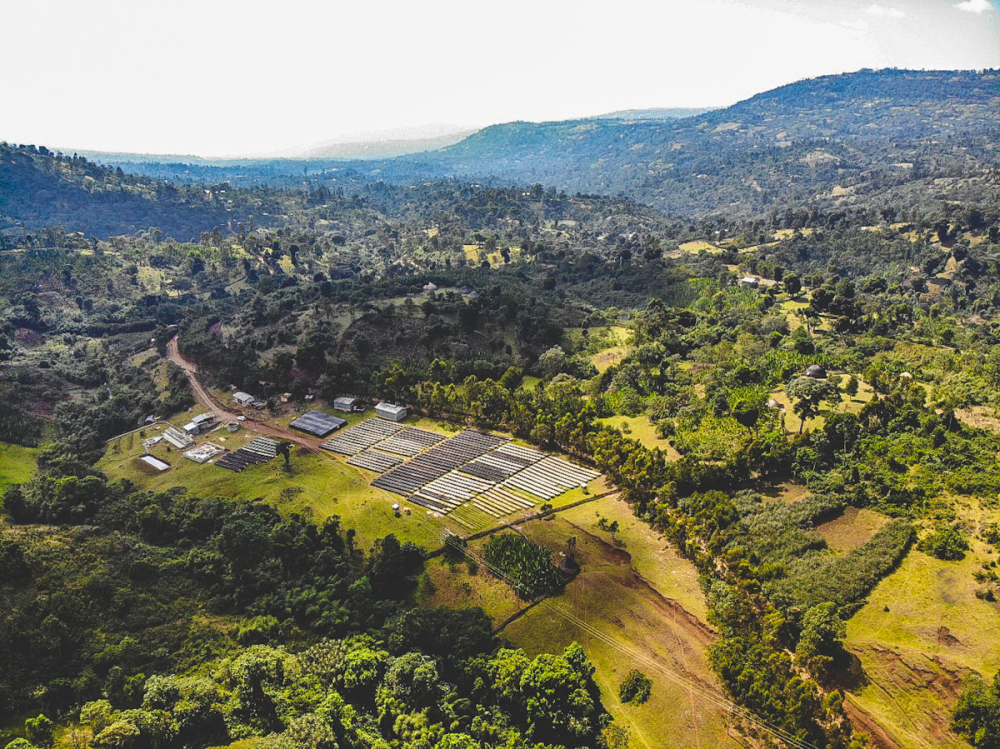
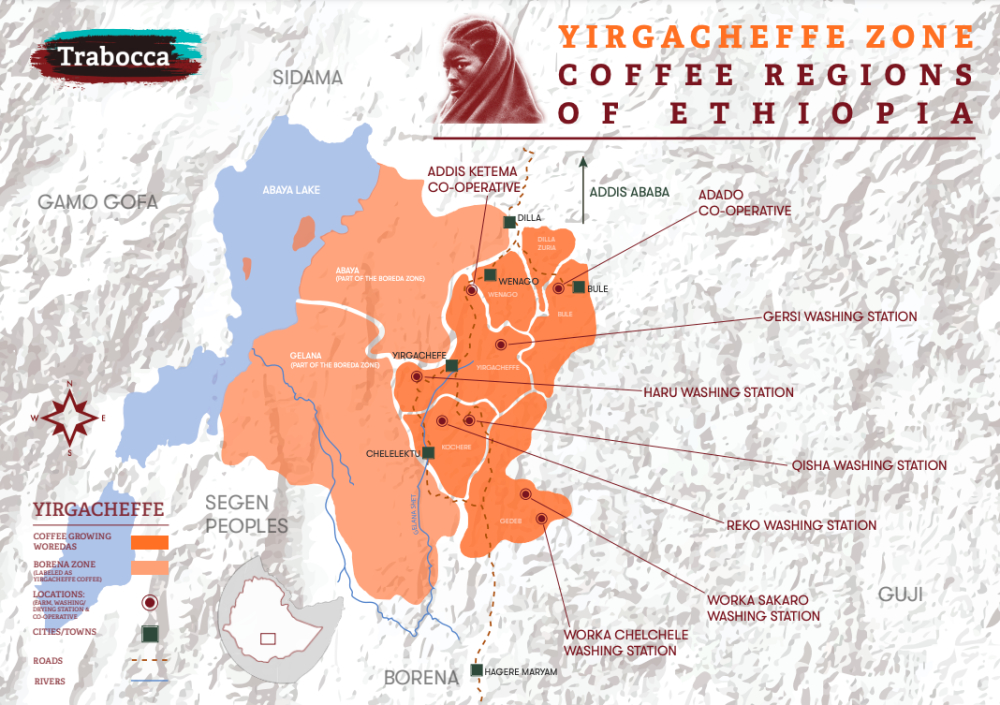
Yirgacheffe is not only the name of a region but was also once a small town under the Sidama administrative region. It has now developed into a specialty coffee hub comprising multiple villages and cooperatives. The area has an average annual temperature of around 18.4°C, with cool, foggy weather. Coupled with the high altitude, this environment concentrates aromatic compounds and amino acids in the coffee cherries, giving rise to its distinctive “floral-fruit tonality.” From the citrus and jasmine notes of washed Yirgacheffe to the berry and fermented wine-like qualities of natural-processed beans, Yirgacheffe showcases the diverse profiles of Ethiopian coffee.
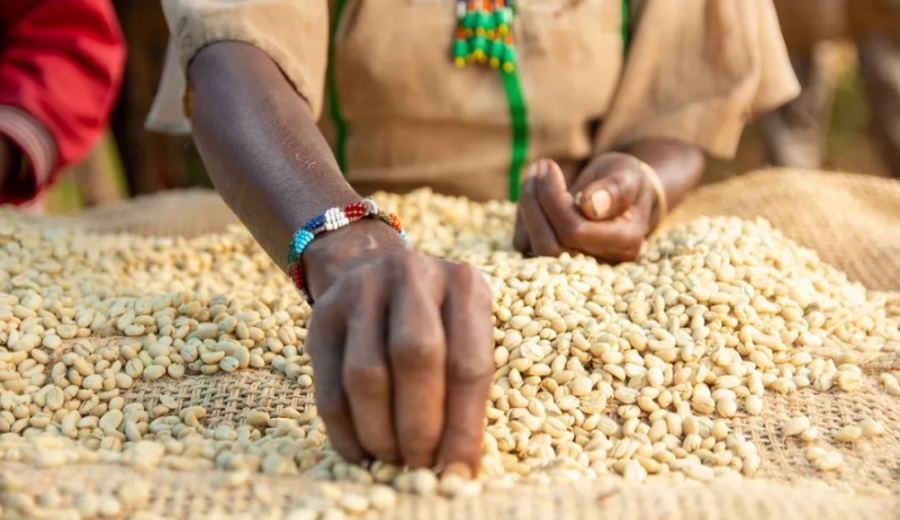
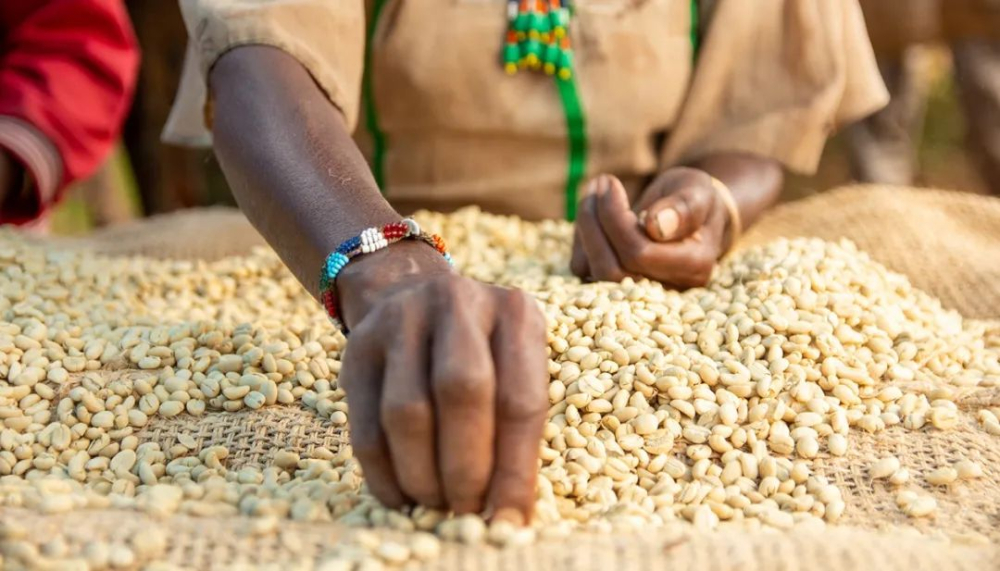
In terms of processing methods, Yirgacheffe originally employed the traditional natural (sun-dried) method. However, after adopting the washed technique from Central and South America in 1972, its flavor complexity significantly improved—especially its clear floral and citrus notes—elevating it to the ranks of the world’s top specialty beans. Currently, washed processing dominates the region, but in recent years, many producers have returned to natural processing to highlight more layered fruitiness and sweetness. For example, the renowned “Red Cherry Project” is one of the prime examples of high-quality natural processing tailored for the Yirgacheffe region.
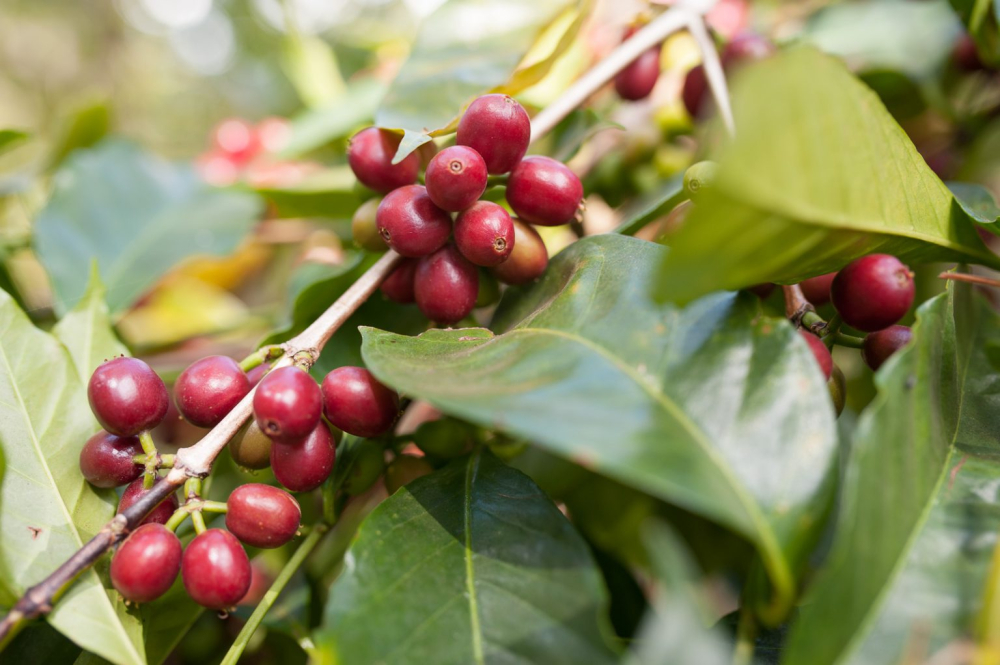
The Red Cherry Project was launched in 2007 by the Dutch trading company Trabocca BV. Its goal is to help local farmers enhance the quality of both washed and natural processing through funding, technology, and market connections—thereby increasing coffee prices and farmer incomes. The project requires the harvest of 100% ripe red cherries and enforces strict processes for pulp sugar conversion and defect sorting post-harvest to ensure the purity and flavor consistency of the final beans. Many well-known washed and natural Yirgacheffe beans, such as “Yirgacheffe Red Cherry,” come from this initiative.
In addition to the Red Cherry Project, the local farmer cooperative union (YCFCU) also plays a pivotal role. Established in 2002, the YCFCU consists of 28 member organizations and over 45,000 farmers, managing 44 coffee processing facilities. Through collective bargaining, technical training, and international market linkages, the union is committed to enhancing smallholder farmers’ economic independence and coffee quality—enabling Yirgacheffe’s specialty coffee to enter the global market and receive fairer compensation.
If you’d like to brew a washed or natural Yirgacheffe coffee at home, here are the professionally recommended parameters: use a V60 dripper, control the water temperature at 90°C, and aim for a coffee-to-water ratio of 1:15. Use about 15 grams of coffee, ground to a medium-fine consistency (approximately 80% passing through a #20 Chinese sieve). Begin with a 30-second bloom using 30 grams of water to release CO₂; then pour in a slow, steady stream until you reach 125 grams, followed by a second pour to 225 grams total. The total extraction time should be around 2 minutes. These settings help highlight Yirgacheffe’s delicate acidity and aromatic expression.
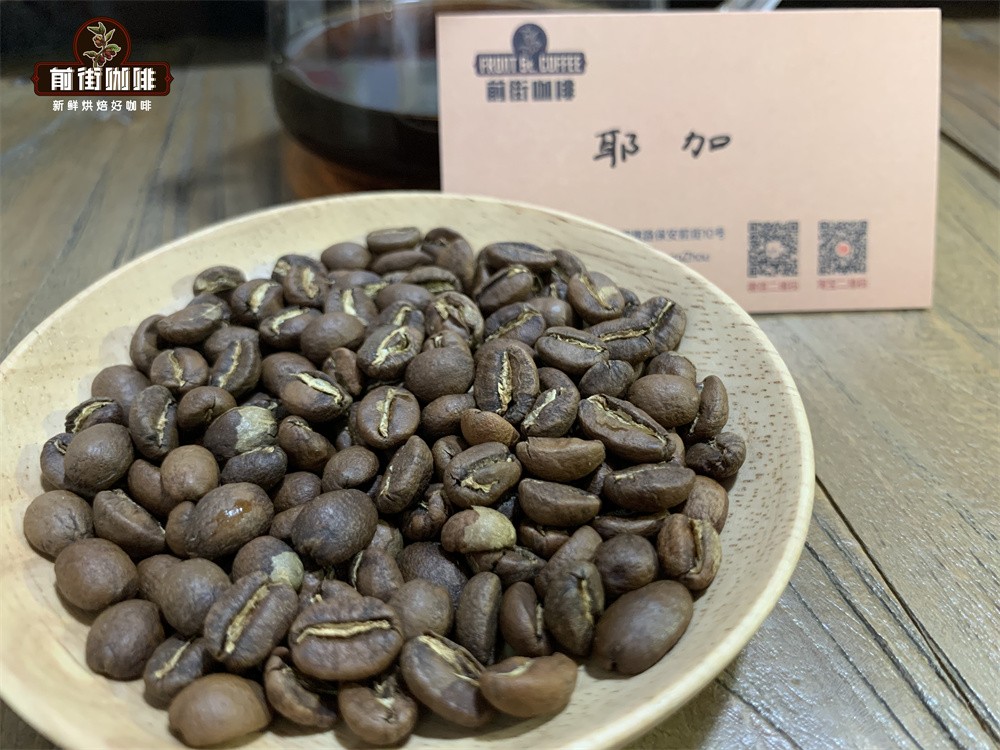
In terms of flavor, washed Yirgacheffe typically presents bright citrus acidity, elegant floral notes, and a tea-like finish, delivering an overall clean and refreshing taste. Natural-processed Yirgacheffe, such as those in the Red Cherry Project series, may feature intense berry, citrus, and strawberry aromas, along with subtle fermented wine notes, and a more pronounced sweetness—making it ideal for coffee lovers who enjoy fruit-forward profiles. Regardless of the processing method, it is recommended to use beans roasted within five days and to enjoy them between four to seven days post-roast for optimal flavor.
In summary, Yirgacheffe is not only a classic representation of Arabica coffee but also, thanks to its high altitude, unique microclimate, and diverse processing techniques, an essential item for any specialty coffee enthusiast around the world. From understanding its varietal heritage and regional characteristics to exploring the flavor differences between washed and natural processing, each step brings you closer to appreciating the artistry of coffee from the Ethiopian highlands.
The above content is compiled by CoffeeHunters, a coffee news website.


