







Introduction:Want to explore the unique flavors of coffee from Guatemala’s Antigua region? This article takes an in-depth look at the specialty coffee cultivated in this area, shaped by volcanic terrain and microclimates, with a special focus on the washed-process flor variety from La Minita Estate. From varietal details, processing methods, pour over recommendations, to optimal drinking windows, we provide a comprehensive guide to help you fully showcase its citrus acidity, floral notes, and caramel aromas.
Guatemalan coffee is renowned for its rich chocolate and toffee sweetness paired with elegant acidity, and among its regions, Antigua stands out as the most iconic. Nestled between three active volcanoes — Volcán de Agua, Volcán de Fuego, and Acatenango — the area enjoys a distinctive microclimate. With relatively low rainfall in summer and occasional light frost in winter, the region benefits from porous, water-retentive volcanic pumice soil and significant diurnal temperature variation at high altitudes. These conditions allow the coffee to ripen slowly, developing complex flavor compounds.
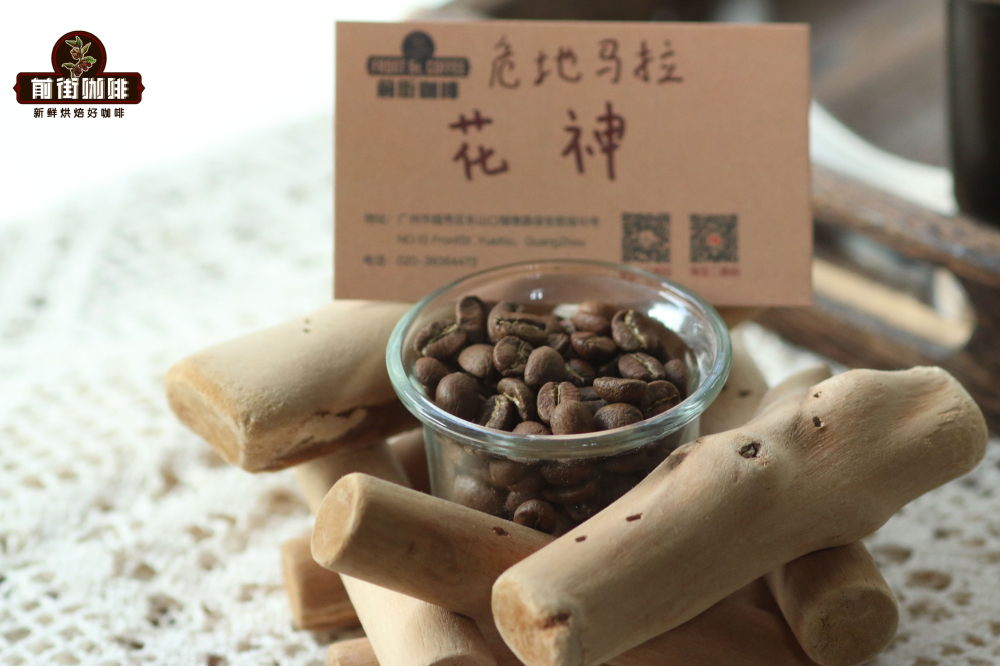
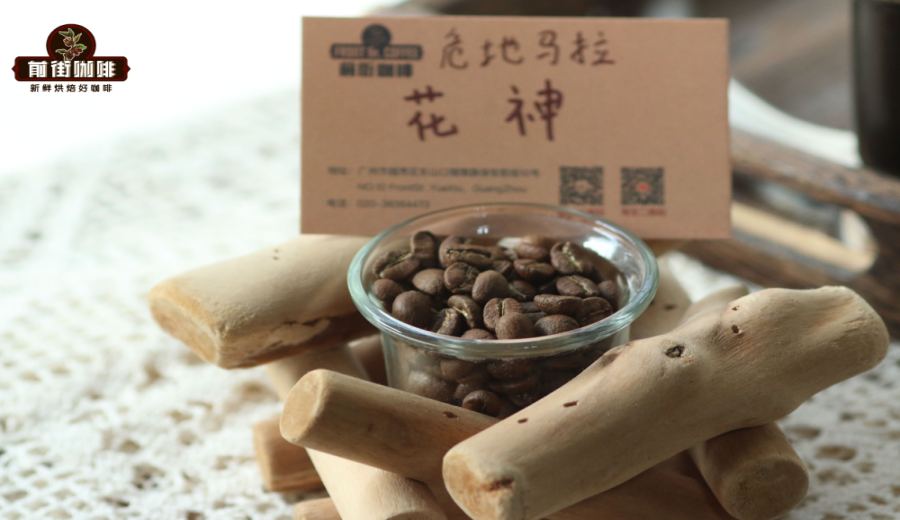
Among them, the “Flor” coffee beans from La Minita Estate are one of the classic representatives of the Antigua region. These beans are processed using the washed method, primarily featuring the Bourbon, Caturra, and Catuaí varieties. The washed process not only preserves the coffee’s bright acidity and cleanliness but also highlights its vibrant citrus notes and delicate floral aromas. Roasting is typically done to a medium level, balancing acidity and sweetness while bringing out caramel tones and a subtle smoky finish.
The soil conditions in Antigua are exceptionally favorable. The porous volcanic pumice formed after eruptions offers excellent water retention, complemented by a shade-tree planting strategy in the high-altitude mountains that helps mitigate the impact of cold air on coffee trees. In addition, La Minita Estate places great emphasis on organic and sustainable cultivation practices — avoiding chemical pesticides and regularly conducting soil tests to adjust fertilization plans based on nutrient status. This ensures healthy tree growth and the consistent production of high-quality coffee cherries.
In the processing of Flor beans, unripe or defective beans are first removed through floatation. Then, a pulper is used to separate the coffee cherry’s flesh, leaving behind seeds coated with sticky mucilage. These mucilage-covered beans then enter fermentation tanks, where microbial activity breaks down the mucilage over a typical period of 16 to 36 hours, making it easier to wash off. After washing, the beans are dried to an optimal moisture content of 10%–14% to ensure stable storage and quality in subsequent roasting.
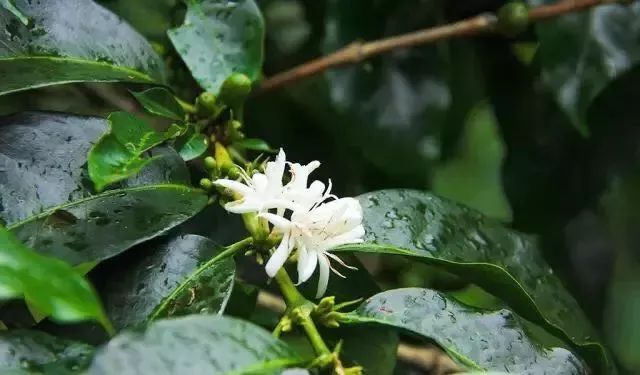
The varietal blend of this Flor coffee is based on the classic Bourbon, supplemented by the higher-yielding Caturra and Catuaí. The Bourbon variety is known for its mild acidity, balanced mouthfeel, and pronounced sweetness, while Caturra offers a brighter citrus character though its sweetness often depends on proper nutrition. Catuaí combines yield potential with wind resistance, making it a common choice for many medium-sized farms. This blend of the three varieties contributes to a more layered and diverse flavor profile in the Flor beans.
In terms of roasting, Flor is usually roasted to a medium level, which helps preserve the bean’s inherent bright acidity while highlighting its rich fruit aromas and moderate caramel sweetness. This approach allows the coffee to deliver a clear citrus acidity upon tasting, accompanied by delicate floral notes. The mid-palate reveals a honey-like sweetness, while the finish carries a hint of caramel and smokiness. Overall, the cup is clean and well-structured with distinct layers.
If you’d like to fully experience the potential of this coffee at home, pour over brewing is highly recommended. Below are the suggested parameters and steps:
- Filter: V60
- Water Temperature: 91°C
- Coffee Dose: 15 grams
- Coffee-to-Water Ratio: 1:15
- Grind Size: Approximately 80% through a #20 sieve (medium-fine grind, similar to the texture of fine sugar)
For pour over, a three-stage pouring method is recommended: start with a 30-gram bloom for 30 seconds, followed by pouring 95 grams of water (total around 125 grams) within about 1 minute. When the water level drops to about two-thirds of the coffee bed, pour the final 100 grams (total around 225 grams) over approximately 1 minute and 35 seconds. The total brew time should be controlled to around 2 minutes and 10 seconds for optimal extraction.
It’s important to note that these coffee beans require about 4 to 7 days of degassing after roasting to reach their peak flavor development. It is recommended to use freshly roasted beans (ideally within 5 days post-roast) to enjoy the most vibrant aromas and layered flavors. Over time, the coffee’s aroma and nuanced characteristics will gradually diminish, so timing your enjoyment is key.
In summary, the Flor coffee beans from Guatemala’s Antigua region are a specialty coffee with a richly layered flavor profile, balanced acidity and sweetness, and a distinctive smoky finish. Whether for casual sipping or as a brewing challenge, they showcase the unique charm of high-altitude volcanic coffee. With the right processing, roasting, and brewing parameters, you can fully appreciate this classic from Antigua.
The above content is compiled by CoffeeHunters, a coffee news website.


