







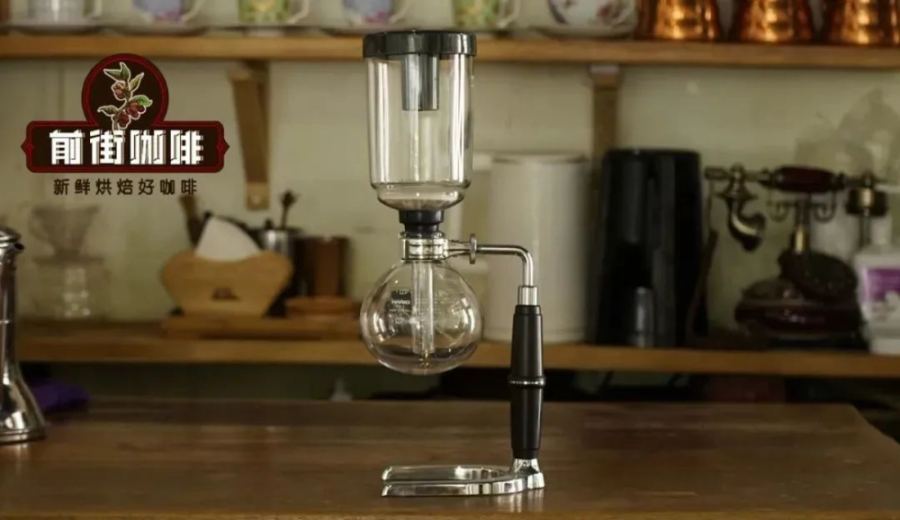
Introduction:Siphon coffee is renowned for its unique siphon principle and ceremonial brewing process. Though it may seem complex, mastering just a few key techniques allows even beginners to brew rich, flavorful coffee at home. This article delves into the structure, principles, components, and operation of the siphon brewer, while also comparing its flavor profile with that of pour over coffee. It will help you understand how precise temperature control and timing can yield the ideal bold and smooth cup.
The allure of siphon coffee lies not only in its dramatic brewing process but also in its distinctive siphon mechanism and rich, full-bodied flavor. This scientifically rooted brewing method was once considered difficult to master, but once you understand its operational logic and key details, it becomes easy to use—offering the joy of crafting your own coffee.
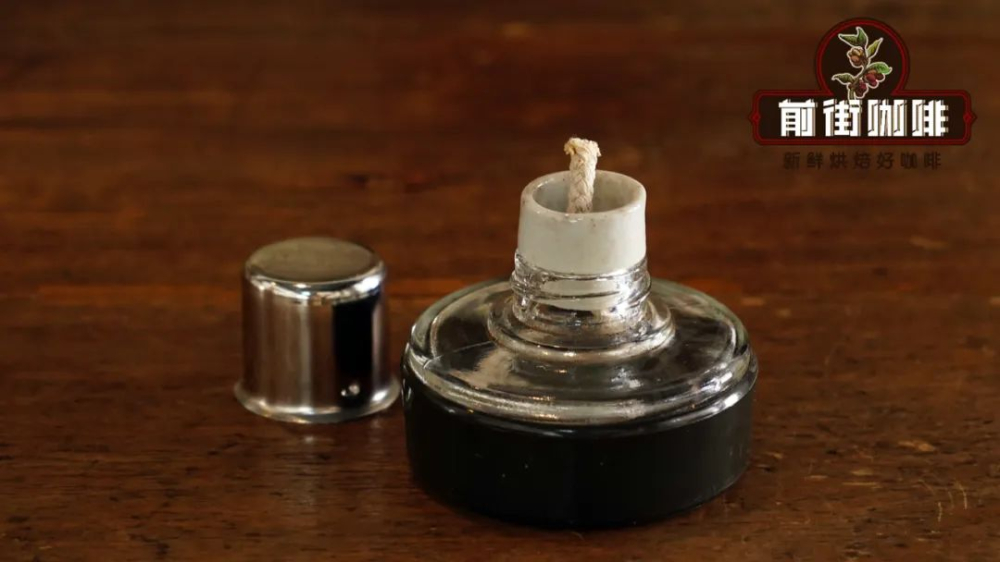
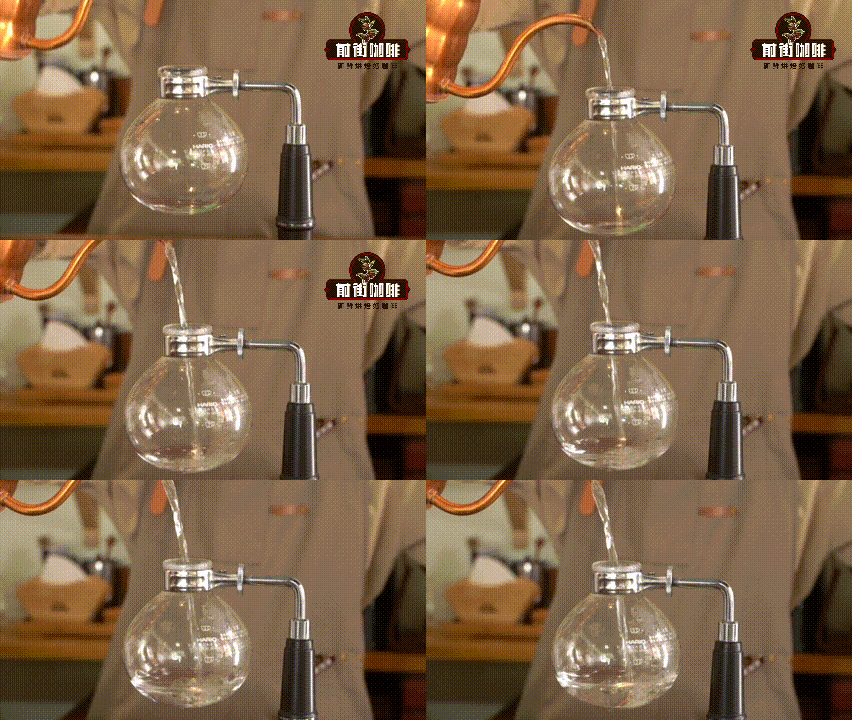
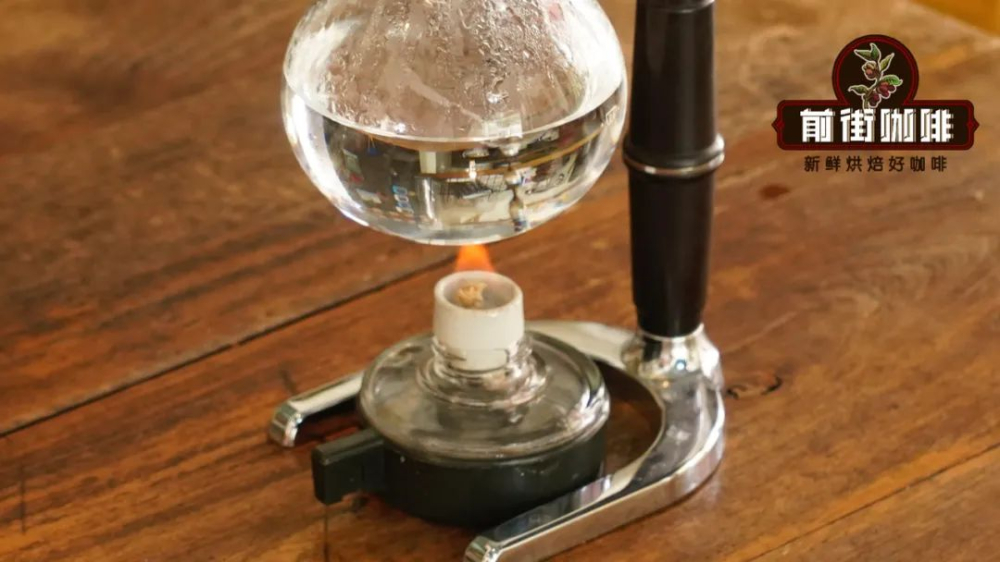
Siphon brewers rely on a heat-driven siphon principle: heating the lower chamber generates steam pressure that pushes water up into the upper chamber where it mixes with coffee grounds. When the heat source is removed and the temperature drops, the brewed coffee is drawn back down into the lower chamber through vacuum suction, completing the extraction. This visually captivating process not only creates an engaging experience but also results in the uniquely rich taste and aromatic depth characteristic of siphon coffee.
Compared to pour over coffee, siphon-brewed coffee often has a thicker body and a more pronounced mouthfeel. Pour over typically emphasizes a clean flavor profile and distinct layers, whereas siphon produces a richer, fuller cup with caramel or nutty notes—making it ideal for coffee lovers who enjoy a bold taste. This flavor difference stems from the varying control methods and contact times used in each brewing approach.
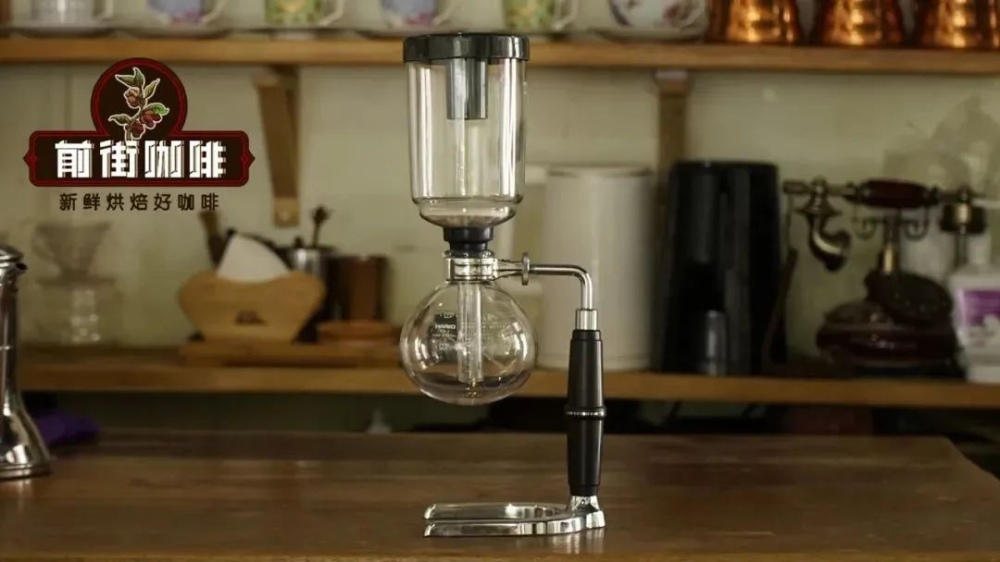
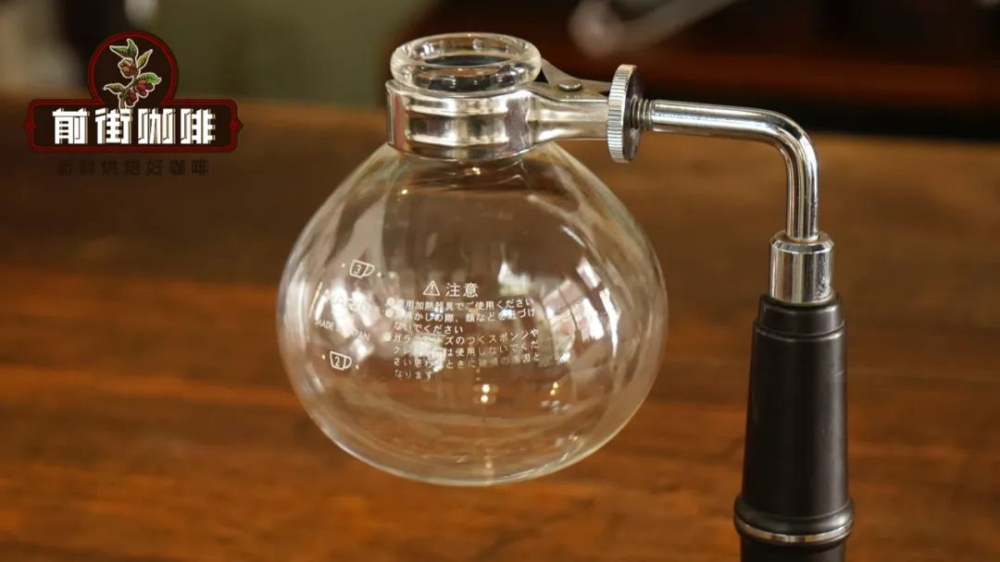
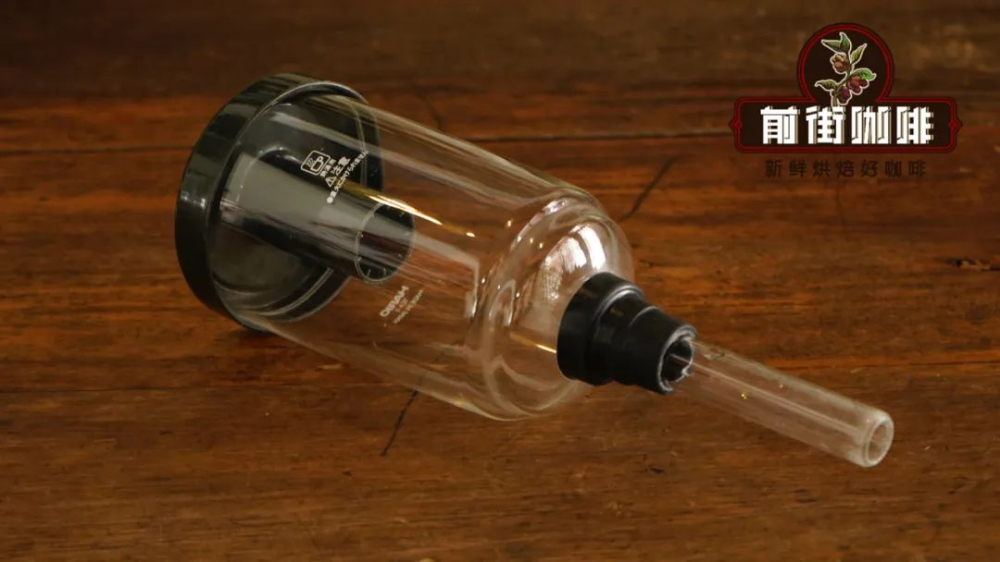
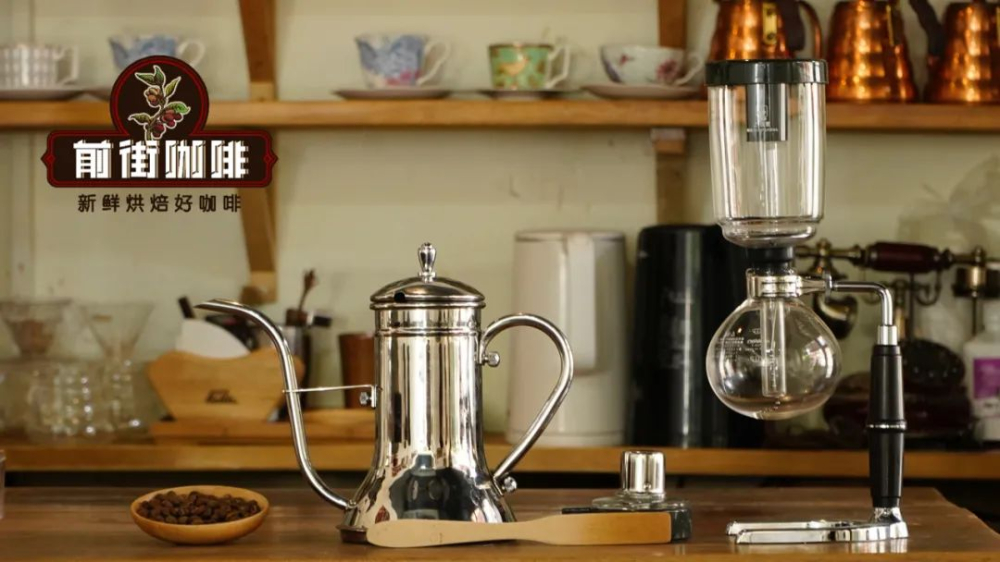
The main structure of a siphon brewer consists of three key parts: the upper chamber, the lower chamber, and the supporting stand. The lower chamber is usually spherical, which helps ensure even heating. The upper chamber is cylindrical, narrowing at the bottom and connecting to a gradually tapering transparent glass tube. Its base is fitted with a heat-resistant gasket to ensure an airtight seal between the upper and lower chambers, preventing air leakage that could disrupt the siphon effect. This design is not only aesthetically pleasing but also allows for clear observation of the entire brewing process.
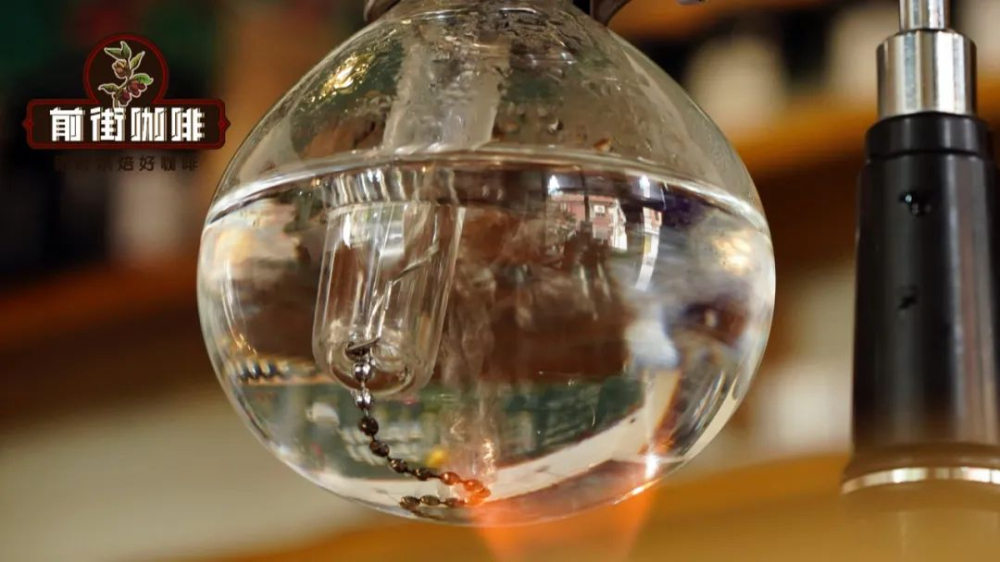
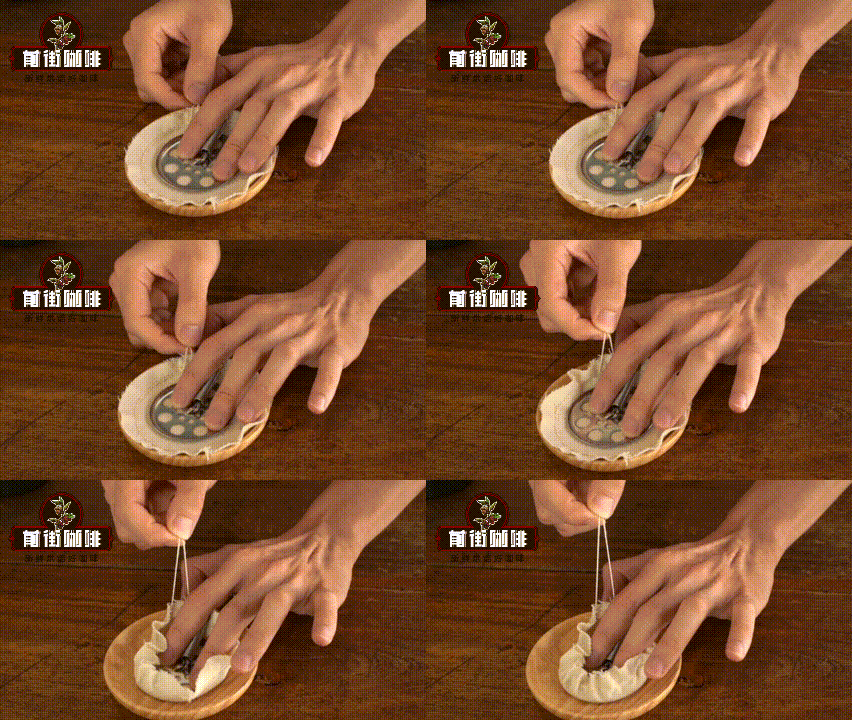
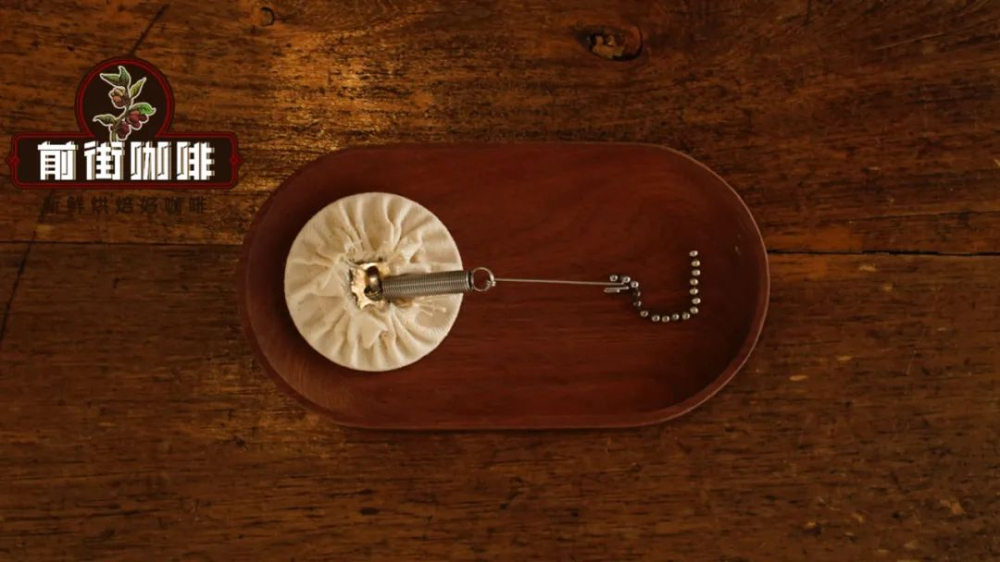
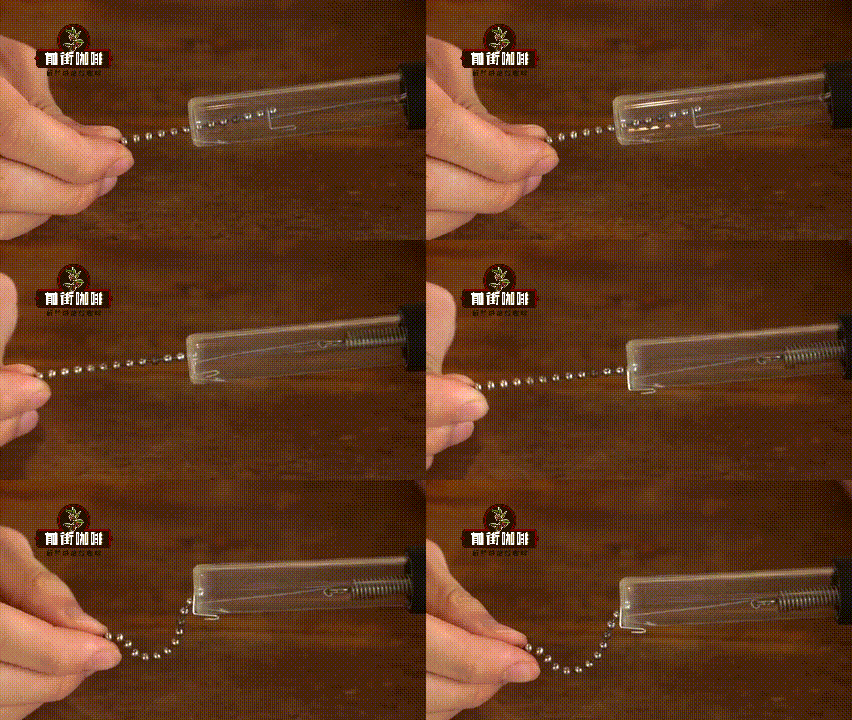
The filtration system of the siphon brewer is equally critical, as it must effectively prevent coffee grounds from entering the final brew. Traditional siphon brewers use a spring-loaded filter structure with a metal disc at the center and an adjustable cloth filter around the edges. Currently, the most commonly used filter is the flannel cloth, which offers excellent water permeability and fine filtration. Before use, the flannel must be smoothly wrapped around the metal disc and secured with a spring chain to ensure coffee grounds do not penetrate the filter and enter the upper chamber. If this step is not properly handled, it may result in an unpleasant mouthfeel or even noticeable grittiness in the cup.


The above content is compiled by CoffeeHunters, a coffee news website.


