







Introduction:This article delves into the geographic advantages of Honduran coffee, the distinctive characteristics of its six core producing regions, and the unique processing method of barrel fermentation. It focuses on breaking down the brewing techniques for Sherry and Laila Lang coffee, covering everything from powder-to-water ratio, water temperature control, to multi-stage pouring methods — providing a complete operational guide to help you brew richly aromatic, fruit-forward specialty pour over coffee at home.
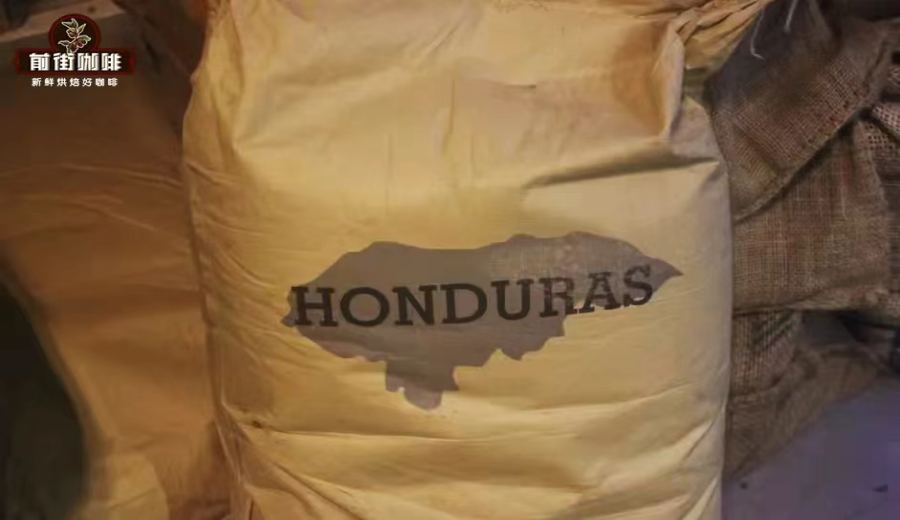
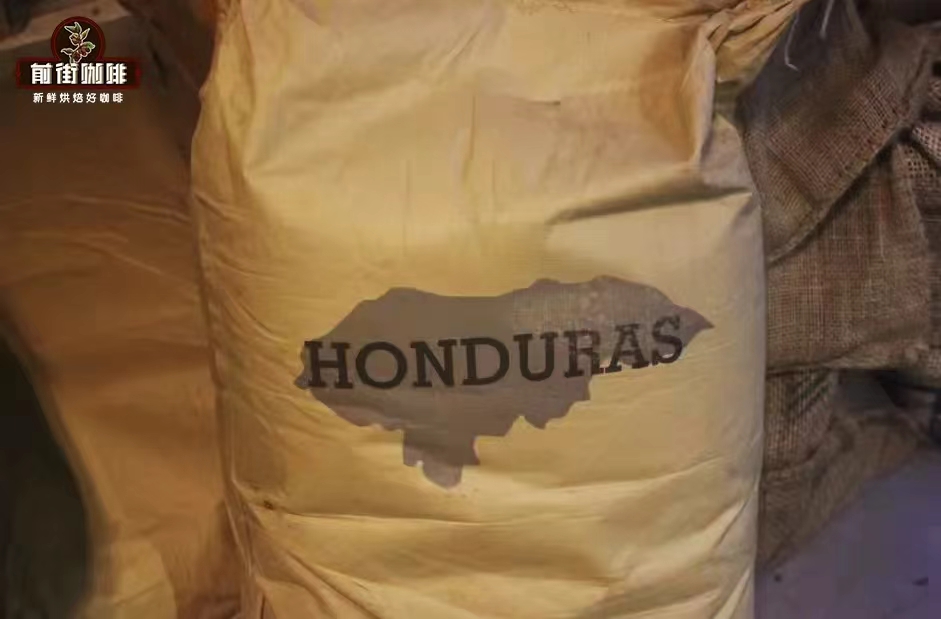
Honduras is Central America’s largest coffee-producing country. In recent years, Sherry and Laila Lang coffees processed with barrel fermentation have gained international recognition. Through special fermentation techniques, these coffees incorporate the aromas of whiskey or brandy barrels into the beans, resulting in a unique flavor profile where wine-like notes blend with tropical fruitiness, winning the hearts of many coffee enthusiasts.
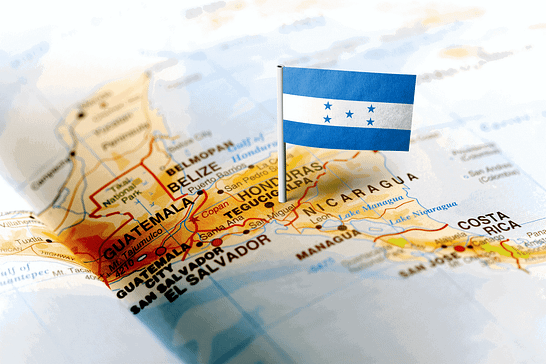
To brew Honduran barrel-fermented beans well, one must first understand their regional background. Honduras is located in the northern part of Central America, bordering the Caribbean Sea to the north and the Pacific Ocean's Gulf of Fonseca to the south. The terrain is predominantly mountainous highlands, with numerous basins and valleys across the country. This landscape creates diverse microclimates, offering an ideal environment for coffee cultivation. Most coffee farms in the nation are smallholder operations, with areas typically under 3.5 hectares, accounting for 60% of total production. Harvesting is entirely manual, followed by meticulous processing to yield high-quality beans.
Honduran coffee is primarily divided into six major producing regions: Copán, Montecillos, Agalta, Opalaca, Comayagua, and El Paraíso. Copán is located in the west, bordering Guatemala, at elevations of 1000–1500 meters, with large diurnal temperature variations and high humidity that create its unique flavor profile. Montecillos sits at 1200–1600 meters; cool nights help the coffee mature slowly, producing bright citrus and peach fruit notes with outstanding sweetness. Agalta, in the southeast at 1100–1400 meters, features a typical tropical climate, yielding coffee with tropical fruit and chocolate tones, low acidity, and noticeable caramel sweetness.
Opalaca, adjacent to Copán at 1100–1500 meters, mainly grows Bourbon, Catuai, and Typica varieties, offering complex flavor layers, refined acidity, and balanced aftertastes. Comayagua, located centrally and once the country’s highest-yielding region, produces coffee with citrus acidity and creamy smoothness. El Paraíso lies in the south, bordering Nicaragua, at 1000–1400 meters with temperatures of 16–22.5°C, making it Honduras’ largest and oldest producing region.
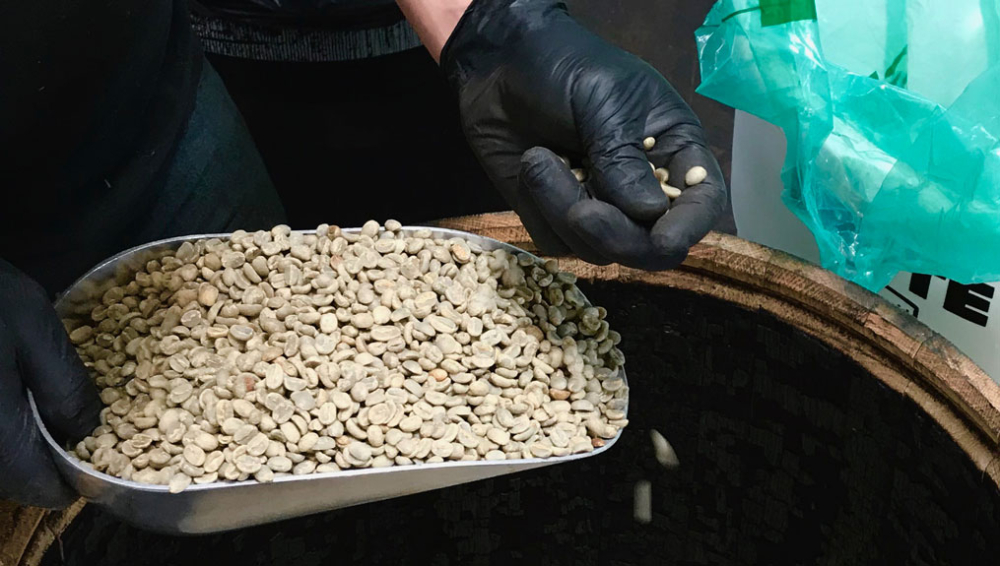
Finca Mocha is a renowned origin for barrel-fermented beans, nestled in the southern Jesús de Otoro Valley of Masaguara, surrounded by mountains at elevations ranging from 853 to over 1500 meters. The Sherry and Laila Lang coffees from a certain well-known brand both originate here. Honduran coffee beans are large, uniform, and glossy. For ease of harvesting, coffee trees are typically pruned to under 150 cm. Harvesting is entirely manual, with careful selection of ripe cherries — sometimes taking several weeks to pick all the fruit from a single branch.
The coffee varieties grown in Honduras are predominantly Arabica, including Bourbon, Caturra, Catuai, Typica, and derivatives like Pacas. Caturra is a natural mutation of Bourbon, with a compact plant structure ideal for dense planting, introduced to Central America from Brazil in the 20th century. Catuai is a cross between Mundo Novo and Caturra, even shorter in stature but more susceptible to pests. Pacas, a Bourbon variant originating in El Salvador, is compact, high-yielding, and of high quality, introduced to Honduras in 1974.
Honduran coffee beans are processed using various methods, with barrel fermentation being its hallmark. Traditionally, the washed process is commonly used: first, coffee cherries are poured into water tanks to remove defective beans that float, then a depulper removes the outer skin and pulp, leaving beans coated in mucilage. The mucilage is broken down through 16–36 hours of fermentation, then rinsed with clean water. Finally, the beans are fermented for 30–40 days at low temperatures of 15–20°C inside barrels previously used to age sherry or brandy, followed by shaded drying.
When brewing Honduran barrel-fermented beans, it is recommended to use beans with medium-light roasts to highlight the wine and fruit aromas. A V60 filter cone is suggested, with a powder-to-water ratio of 1:15, medium grind size (approximately coarse sugar, 80% sieved through a Chinese No. 20 standard sieve), and water temperature of 91°C. The step-by-step extraction process is as follows: start with a bloom using twice the coffee’s weight in water (e.g., 60g water for 30g coffee) for 30 seconds to release CO₂; then pour in a slow circular motion until reaching 125g for the first pour, continue to 225g to finish, with a total extraction time of around 2 minutes. Once dripping stops, remove the filter, swirl, and enjoy.
For iced pour over, take the popular Sherry barrel bean as an example: use 15g coffee, with 150g of hot water (10x) and 75g of ice (5x), water temperature at 92°C, grind size passing 83% through a No. 20 sieve (e.g., EK43s at setting 9, C40 at setting 22), using a Hario V60 filter cone. The method involves three pours: first, place 75g of ice in the server, add coffee powder and gently level it; the first pour is 30g of hot water at 3ml/s with a center-circle motion for 30 seconds to bloom; the second pour adds 60g of water while monitoring the liquid level; finally, pour the remaining 60g of water, keeping the total extraction time within 1 minute 50 seconds to 2 minutes.
The Sherry coffee produced by a certain well-known brand has pronounced flavors with vanilla and cream aromas. On the palate, notes of whiskey, berries, almonds, and dark chocolate emerge, with a maple-syrup-like lingering sweetness. The Laila Lang coffee showcases aromas of cream, dark chocolate, honey, and lychee, with the brandy character becoming more distinct as the temperature changes — offering a rich mouthfeel and standout sweetness.
When brewing, pay attention to coffee bean freshness; it is recommended to choose beans roasted within 5 days, with optimal flavor development after about 4–7 days of rest. If purchasing pre-ground coffee, due to oxidation, it is best to brew it promptly. For the ultimate flavor experience, whole beans ground just before brewing are still the top recommendation. Additionally, beyond barrel fermentation, Honduras employs various processing methods such as honey process and anaerobic fermentation, but the washed process better highlights the region’s original flavor profiles with excellent cost-effectiveness.
The above content is compiled by CoffeeHunters, a coffee news website.


