







Introduction:Jamaican Blue Mountain coffee is renowned worldwide for its exceptional balance and refined flavor profile, making it a prized choice among many coffee enthusiasts. This article delves into the geographical origins of Blue Mountain coffee, its rigorous grading system, and how to extract its classic chocolate and nutty flavors through pour over brewing. Whether you're new to Blue Mountain or a coffee aficionado seeking better brewing methods, you'll gain practical insights from this guide.
Jamaican Blue Mountain coffee has long been hailed as a top-tier representative in the coffee world, with its elegant flavor and delicate layers securing its place in the global specialty coffee market. This article will take you deep into the origin background of Blue Mountain coffee, the official CIB grading system, and share professional parameters and practical tips for brewing Blue Mountain No. 1 using pour over — helping you master this classic coffee from origin to cup.
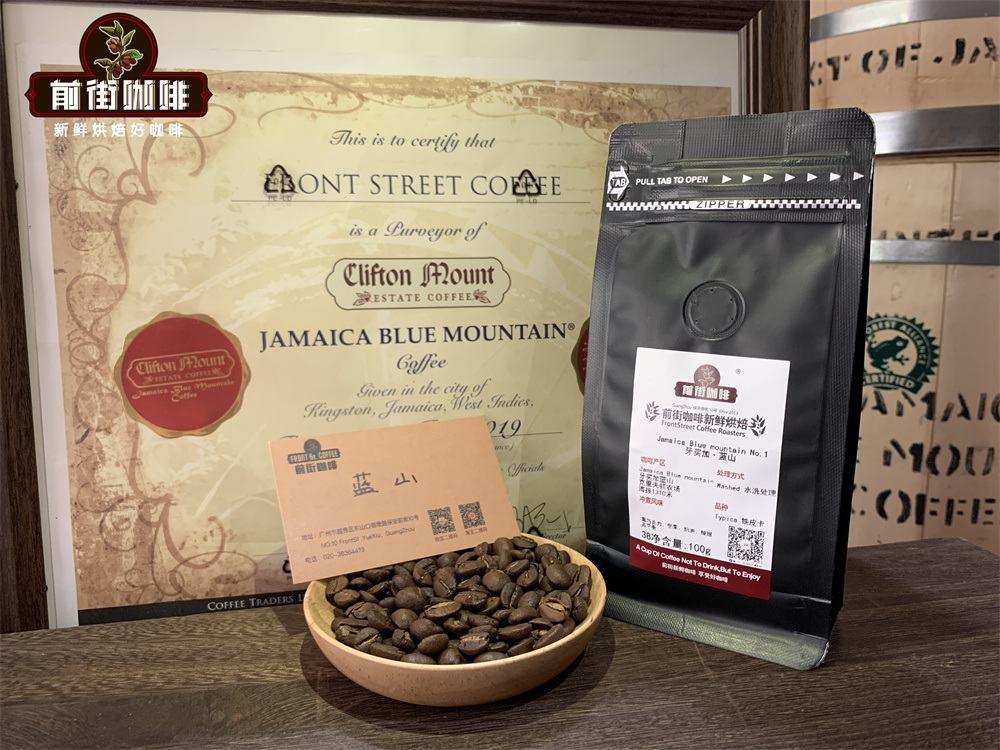
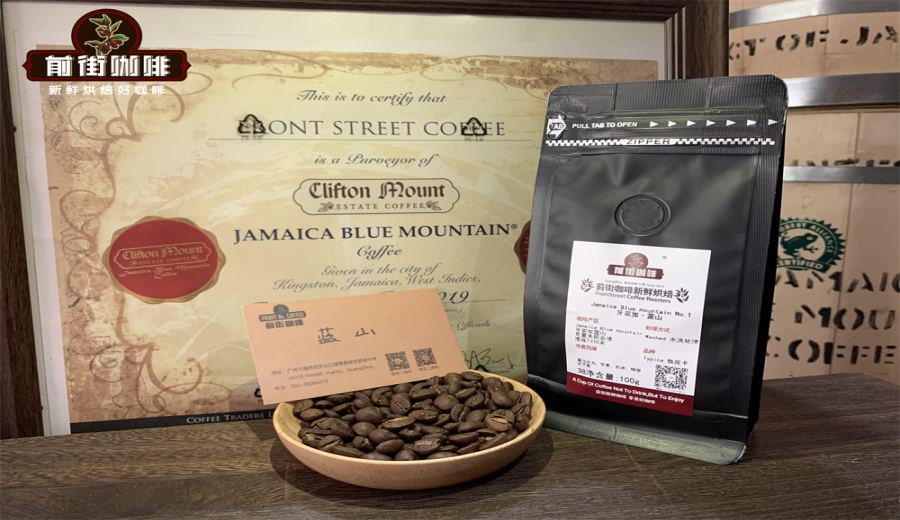
Among the many coffee-growing regions, Jamaican Blue Mountain coffee stands at the pinnacle of high-end specialty coffee thanks to its unique natural environment and strict quality control. Take, for example, the Blue Mountain No. 1 offered by a well-known café — its cupping notes reveal rich cocoa and roasted hazelnut aromas, with a well-balanced acidity and sweetness, a full-bodied mouthfeel, and a long-lasting finish. To understand why this coffee can achieve such a high level of quality, we must start with its growing environment and historical context.
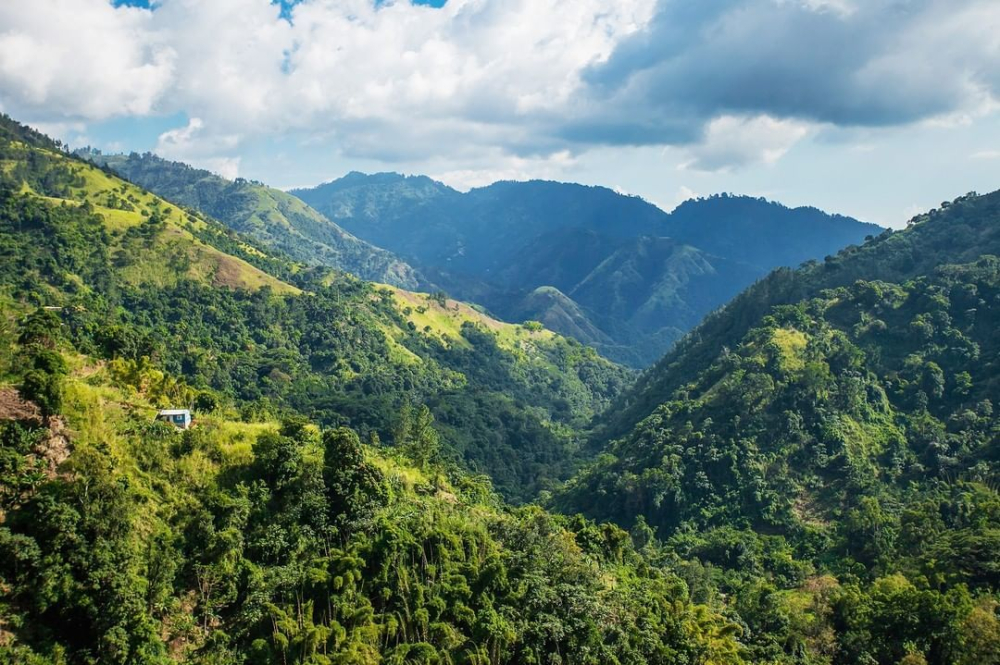
Where exactly does Jamaican Blue Mountain coffee come from? The answer is Jamaica, located in the Caribbean. The Blue Mountains in the eastern part of the country lie between 15°N and 16°N latitude, within the globally recognized coffee "golden belt." The volcanic soil here is rich in minerals, and the steep terrain creates a unique microclimate. The mountains are often shrouded in clouds year-round, providing not only good shade but also a stable supply of moisture for the coffee trees. Coffee plants are often intercropped with bananas, avocados, and other crops, forming a beneficial agroforestry ecosystem.
The history of coffee cultivation in Jamaica dates back to the early 18th century. In 1728, then-Governor Sir Nicholas Lawes introduced coffee seedlings from Martinique and conducted trial plantings in the St. Andrew area. By the late 18th century, with the significant input of slave labor, coffee production increased substantially and gradually expanded to the Blue Mountain region, which offered even more favorable natural conditions. Records indicate that in 1814, Jamaica’s annual coffee production once reached as high as 15,000 tons. However, the abolition of slavery in the early 19th century led many farmers to shift to other cash crops, and the coffee industry subsequently declined.
To revive the coffee industry, the Jamaican government introduced a series of policies in 1891 aimed at increasing both yield and quality, while also providing technical support to growers. In 1944, the government established the Central Coffee Clearing House, which conducted strict quality assessment and grading for all exported coffee. By 1950, the Jamaica Coffee Industry Board (CIB) was officially formed to develop and enforce coffee production standards, ensuring the international reputation of Jamaican coffee.
According to the Jamaican Coffee Industry Regulation Act, Blue Mountain coffee can only be grown within the four administrative parishes of St. Andrew, St. Thomas, Portland, and St. Mary, and only if the Typica variety is cultivated at elevations between 910 meters and 1,700 meters. It is only then qualified to be called Jamaican Blue Mountain coffee. The CIB divides Blue Mountain coffee into four grades based on strict quality criteria: NO.1, NO.2, NO.3, and PB (peaberry). Among these, NO.1 is the highest grade, with the best flavor performance and physical appearance.
Blue Mountain No. 1 coffee is the top-tier offering among Blue Mountain coffees, with extremely strict selection criteria. The Blue Mountain No. 1 imported by a well-known café has a defect rate of less than 3%, bean size of 17 mesh or larger, moisture content maintained between 10% and 12.5%, and features uniform color and intact shape — making it an exceptionally rare, high-quality batch. Before export, these coffee beans also undergo evaluation by CIB-certified professional cuppers to ensure clear flavor layers and balanced acidity, sweetness, bitterness, body, and aroma.
It’s worth mentioning that Blue Mountain coffee is transported in handcrafted oak barrels rather than the commonly used jute sacks. Oak barrels help regulate internal and external humidity, effectively preventing aroma loss and maintaining the stability of the coffee beans’ moisture content, thereby enhancing consistency during roasting. This traditional packaging method has also become one of the key identifiers of authentic Blue Mountain coffee. Additionally, each batch of Blue Mountain No. 1 comes with a quality certificate issued by the Jamaica Coffee Board, authorization documents from the producer, and a certificate of origin — ensuring its authenticity and traceability.
If you want to brew Blue Mountain coffee at home and capture its classic flavors, pour over is a highly suitable method. It’s recommended to choose coffee beans at their optimal drinking window. While freshly roasted beans are aromatic, brewing them within a week of roasting may lead to suboptimal extraction due to incomplete degassing. Allowing the beans to rest for a few days helps ensure a stable release of flavors.
The classic flavor profile of Blue Mountain No. 1 centers around rich chocolate and roasted nut aromas, accompanied by gentle acidity and a full-bodied mouthfeel. To recreate these characteristics, roasters typically opt for a medium-to-dark roast level, enhancing aroma expression while retaining a moderate acidity layer. In cupping, this coffee demonstrates an excellent balance of acidity, sweetness, bitterness, body, and aroma, and the brewing strategy is designed accordingly.
Recommended brewing parameters are as follows: use a KONO dripper with a medium-fine grind passing through a standard 20-mesh sieve at approximately 75% rate, with water temperature controlled at 88°C, and employ a three-stage pouring method. Specifically, use 15 grams of coffee grounds with a 1:15 coffee-to-water ratio. Begin with a 30-second bloom using 30 grams of water; then pour 95 grams of water in the second stage, evenly circling from the inside out; finally, pour 100 grams of water in the third stage, starting when the water level drops to two-thirds of the dripper, maintaining a fine stream throughout. The total extraction time is about 2 minutes. Gently swirl the coffee after brewing, and it’s ready to enjoy.
The brewed Blue Mountain No. 1 coffee delivers a pronounced taste of dark chocolate, roasted nuts, and caramel, with a sweet sensation as smooth as caramel. The acidity is gentle and understated, resulting in a silky mouthfeel with distinct layers. As the temperature cools, the flavor layers become even clearer, and the finish is long-lasting with evolving notes.
In addition to pour over, Blue Mountain No. 1 is also well-suited for brewing with various devices such as siphon pots, French presses, moka pots, and AeroPresses. Even the convenient Blue Mountain drip bags can fully showcase its unique flavor characteristics. No matter which method you choose, as long as you grasp the basic brewing principles, you can experience the captivating charm of this top-tier coffee.
The above content is compiled by CoffeeHunters, a coffee news website.


