








Introduction:Located in the highlands of Boquete, Panama, the Elida Estate is cultivated by the Lamastus family through four generations, renowned for its naturally processed Geisha. This coffee plantation, established in 1918, combines volcanic soil with refined processing methods to produce a cup with rich layers of fruity and tea-like nuances. This article delves into its historical background, processing techniques, and details the origins of the pomegranate, peach, and black tea notes found in the cup, guiding you through the key brewing parameters and flavor characteristics of this premium coffee.
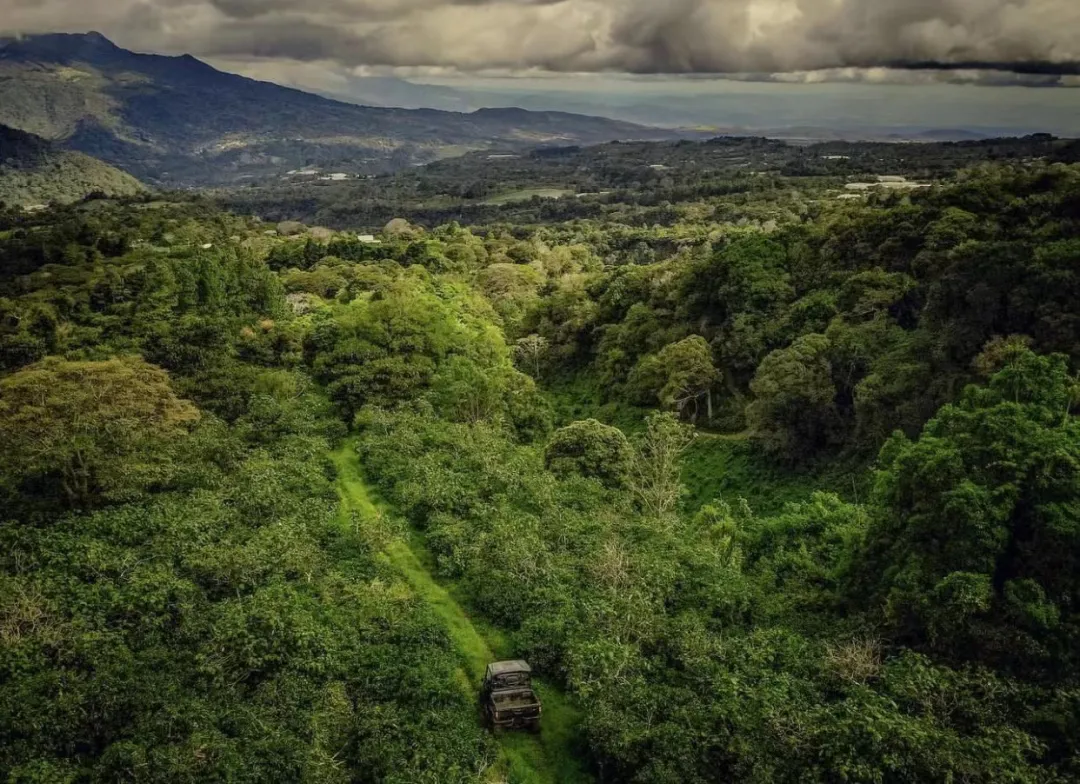
In the Boquete region of Panama, nestled on the slopes adjacent to the Barú Volcano, lies a century-old coffee estate — the Elida Estate. Founded in 1918 by American immigrant Robert Lamastus and named after his beloved wife, it symbolizes a dual passion for family and coffee. For over a hundred years, the Lamastus family has passed down an unwavering commitment to quality through generations, now reaching its fourth, with expansion to a fifth high-altitude estate — the Trompo Estate — showcasing the family’s relentless pursuit in coffee cultivation.
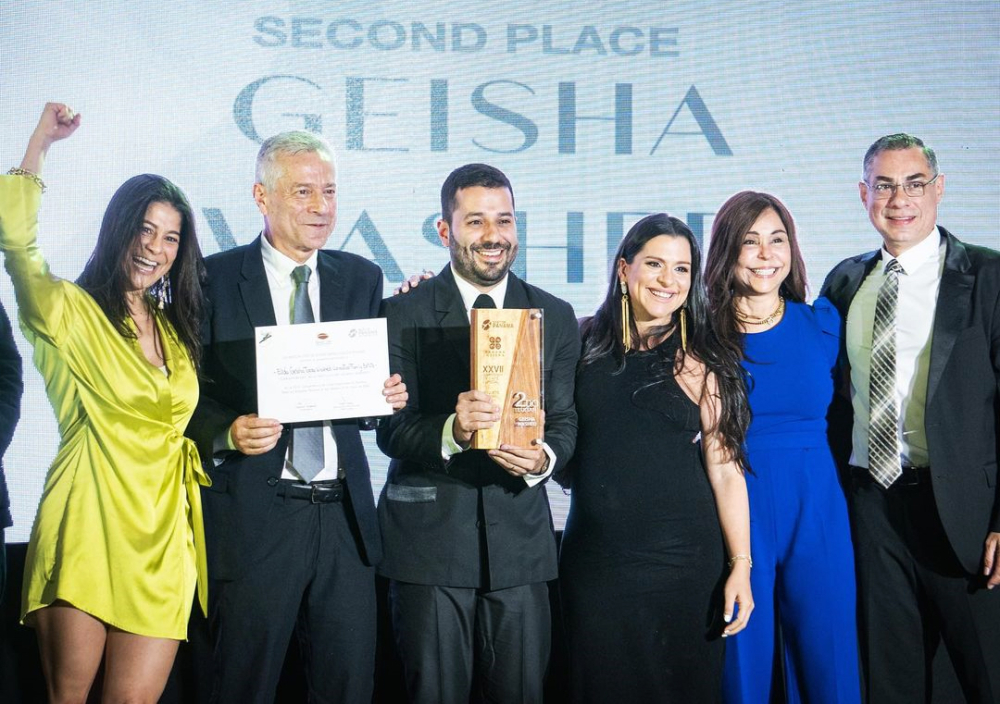
From its inception, the Elida Estate has focused on growing high-altitude Arabica varieties, with Geisha being its flagship. Originally from Ethiopia, this variety reveals unique flavor potential under Panama’s mountainous environment and refined processing. Particularly, the naturally processed Geisha is the most celebrated, known for its high sweetness, gentle acidity, and abundant fruity and floral notes, making it a dream coffee for many enthusiasts.
A certain coffee brand’s roasted Elida Natural Geisha displayed highly layered flavor profiles in cupping. Upon opening the bag, intense white floral aromas wafted out, followed by the sweet fruitiness of pomegranate and peach, accompanied by a soft black tea note. The overall sweetness was pronounced and long-lasting. The acidity was round, akin to the fresh tartness of ripe grapes, complementing the silky mouthfeel. The finish carried a distinct tea-like sensation, with a lingering and comforting aftertaste.
This Natural Geisha was allowed to rest for eight hours post-roasting before immediate cupping to capture its truest flavor expression. During cupping, judges unanimously noted its exceptionally prominent white floral notes, reminiscent of jasmine and certain alpine blossoms. In terms of fruitiness, the tangy sweetness of pomegranate intertwined with the juiciness of peach, delivering a freshly squeezed juice-like complexity. The richness of the black tea balanced the overall sweetness, preventing it from becoming cloying and instead highlighting its refinement.
As the temperature dropped, the aroma of peach gradually transitioned into the mellow sweetness of apricot, with juiciness becoming even more pronounced, adding further dimension to the overall flavor profile. This dynamic shift in flavors with temperature change is one of the charms of natural processing. Compared to washed or honey processes, natural processing retains more sugars and aromatic compounds from the fruit pulp, allowing the coffee to present a richer array of tropical fruit and floral characteristics in the cup.
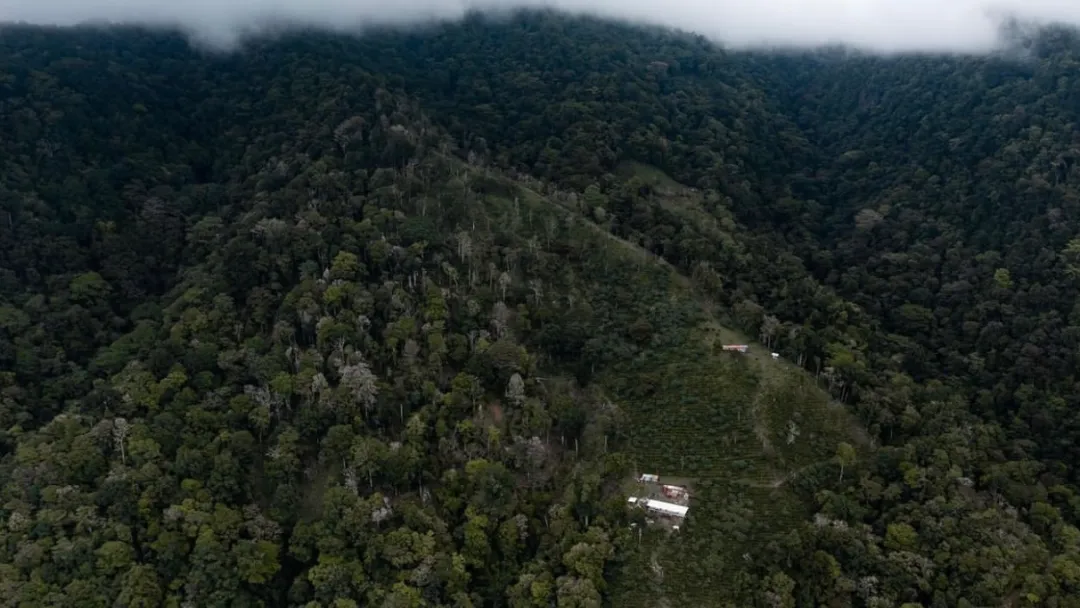
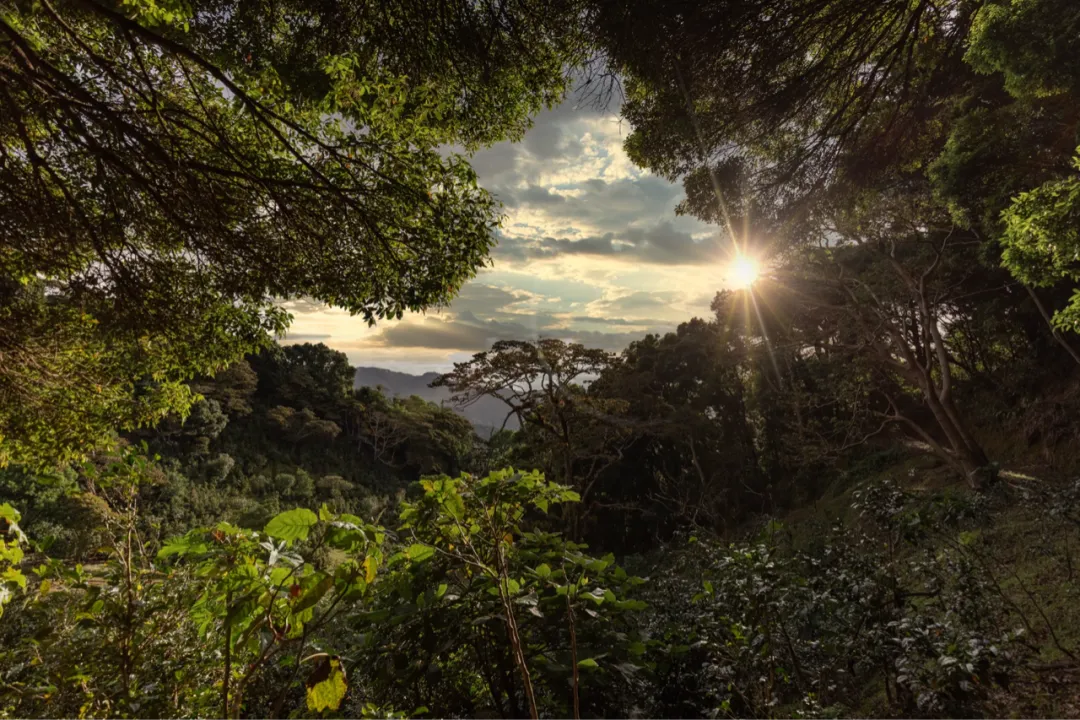
The Lamastus family’s dedication to coffee quality is reflected not only in varietal selection and processing methods but also in their respect for the environment and microclimate. The Elida Estate is situated at elevations between 1,600 to 1,800 meters, where significant day-night temperature variations facilitate slow ripening of coffee cherries, enabling the accumulation of more flavor compounds. The volcanic soil is rich in minerals, providing ideal growing conditions for coffee trees. Additionally, the family refrains from using chemical fertilizers, adopting organic farming practices to ensure the purity and sustainability of the coffee.
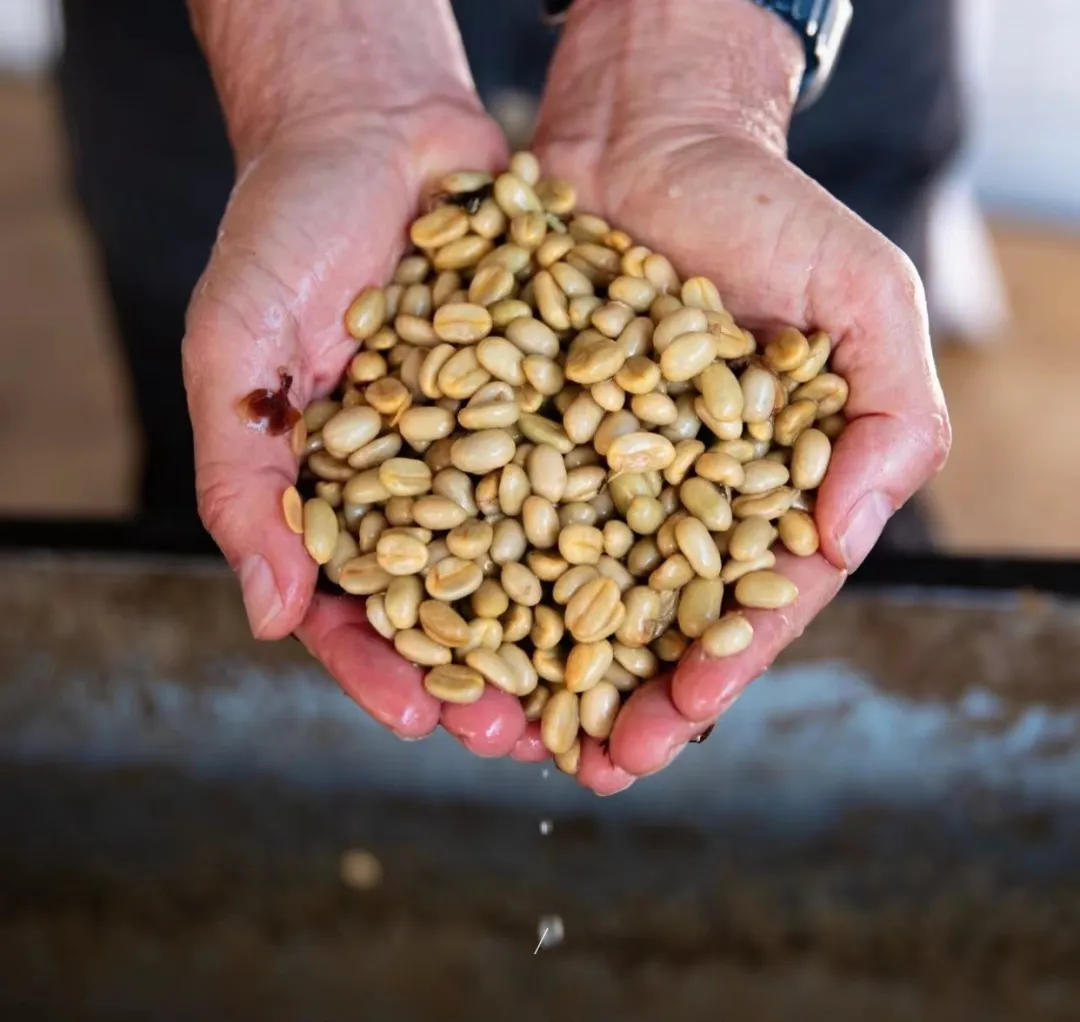
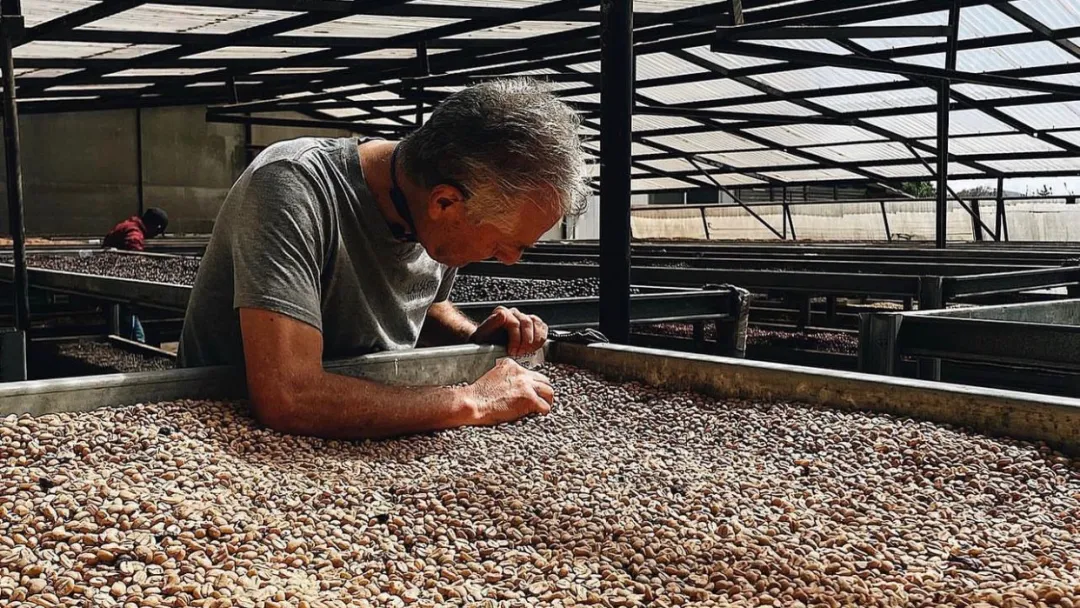
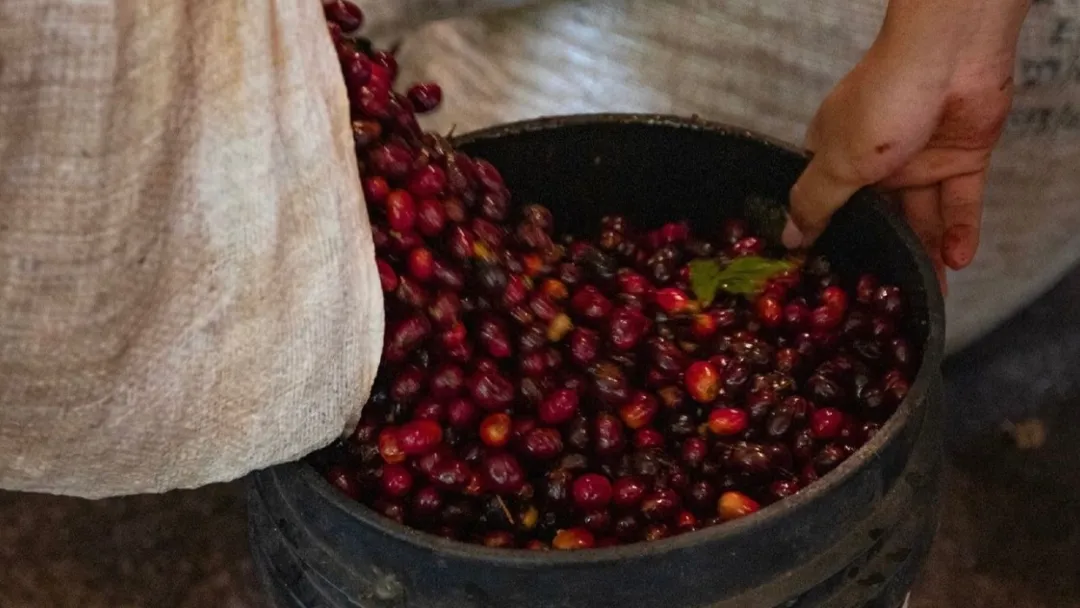
In terms of processing, the production of Natural Geisha is extremely meticulous. After harvest, coffee cherries undergo strict selection, keeping only the ripest and fullest ones. These cherries are then evenly spread on African raised beds to dry slowly under the sun. This process typically takes two to three weeks, during which the cherries are turned daily to ensure even drying and prevent mold. The resulting dried coffee beans retain higher moisture content and sugar levels, offering greater expressive potential during roasting and brewing.

For coffee enthusiasts, when tasting Elida Natural Geisha, the following key flavor characteristics can be observed: First is the bright white floral note, often a hallmark of high-altitude Geisha; next is the rich fruitiness, particularly the sweet notes of pomegranate and peach, which largely stem from the interaction between the fruit pulp and seeds during natural processing; lastly, there is the tea-like, mellow finish, closely related to the maturity of processing and the stability of drying.
In terms of brewing recommendations, pour over is the method that best highlights its flavors. It is recommended to use beans roasted to a medium-light level, ground to a medium-fine consistency (such as that described for the filter used), with water temperature controlled between 90-92°C. The first pour can use 30 grams of water for a 30-second bloom to initiate the release of aromatic compounds from the coffee grounds. Then proceed with pulse pouring, with a total water ratio of approximately 1:15 to 1:16 (for example, 15 grams of beans using 225-240 milliliters of water), and a total brew time controlled around 2 minutes and 30 seconds. Such parameters can fully accentuate its fruit and floral notes while maintaining a balanced acidity and sweetness.
The history of the Elida Estate is not just a family story, but also a microcosm of the development of Panama’s coffee industry. From 1918 to the present, the Lamastus family, through their dedication to quality and respect for the environment, has built a world-class coffee estate. The addition of the Trompo Estate further reflects the family’s vision and innovation for the future. Together, these high-altitude estates contribute to the diversity and excellence of Panamanian coffee, bringing countless surprises to coffee lovers worldwide.
In summary, Elida Natural Geisha stands out in the specialty coffee market with its rich fruitiness, florals, and tea-like nuances. Its century-old family legacy, refined processing craftsmanship, and exceptional geographical environment together shape the unique flavor of this coffee. Whether you’re a coffee novice or a seasoned connoisseur, you can taste the purity of Panama’s highlands and the dedication to craftsmanship within each cup.
If you enjoy coffee with intense fruitiness, pronounced sweetness, and tea-like characteristics, Elida Natural Geisha is definitely worth a try. By understanding its flavor profile and brewing parameters, you’ll be able to more fully experience the charm of this top-tier coffee and feel the Lamastus family’s century-long passion and dedication to coffee.
The above content is compiled by CoffeeHunters, a coffee news website.


