







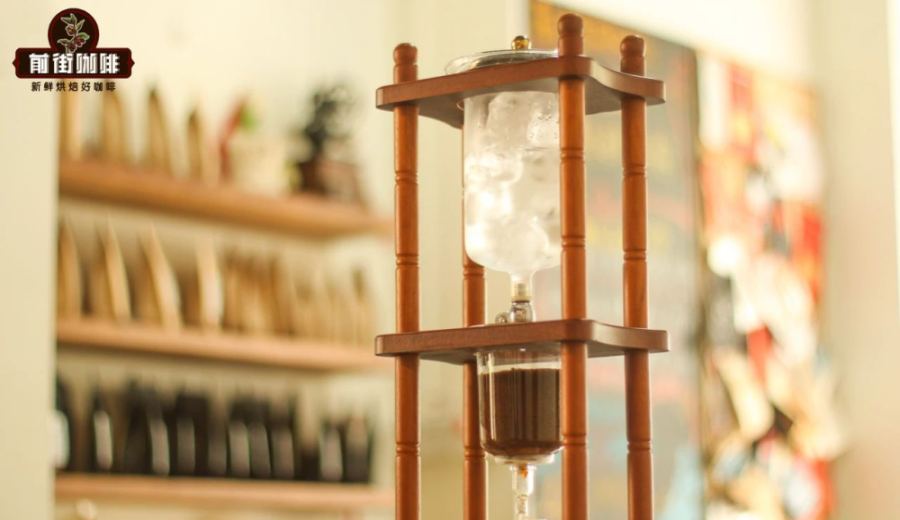
Introduction:Cold drip coffee excels in low-temperature slow extraction, showcasing the unique aroma and layered complexity of coffee beans while reducing acidity and harshness. This article delves into the flavor characteristics of cold drip coffee, compares the extraction differences between dark and light roasted beans, and provides a complete home brewing guide—including equipment setup, grind size, drip rate control, and aging steps—to help readers master key techniques and brew rich, smooth cold drip coffee.
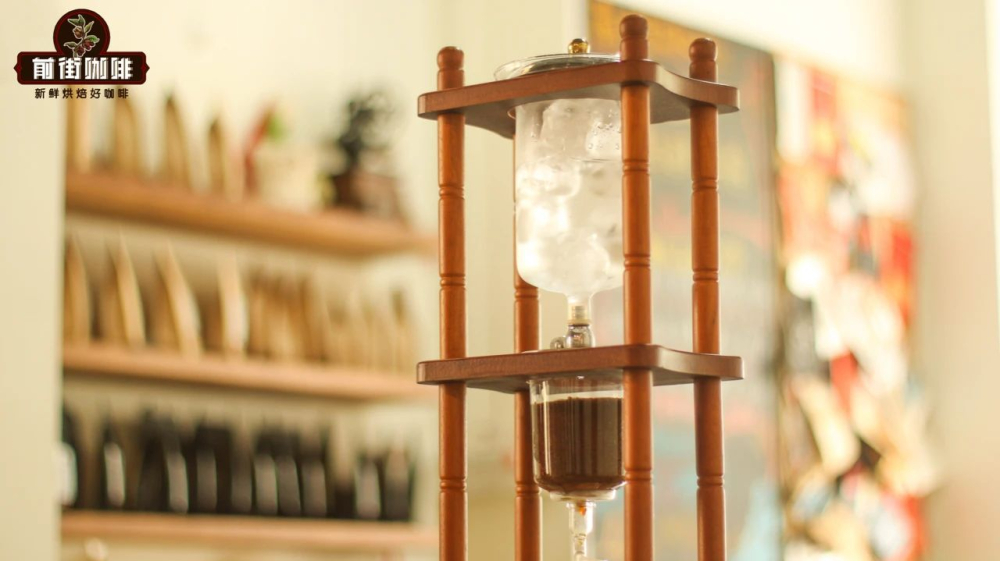
Cold drip coffee is made by slowly percolating ice water through a bed of coffee grounds, extracting the coffee over several hours of continuous dripping. This method fully draws out the coffee’s full-bodied texture and complex aromas. Because the extraction temperature is low, it significantly reduces the release of tannic acids, resulting in a smoother mouthfeel that is less likely to irritate the stomach. Coffee beans of different roast levels exhibit distinctly varied flavor profiles during cold drip brewing, making this an important aspect of flavor blending.
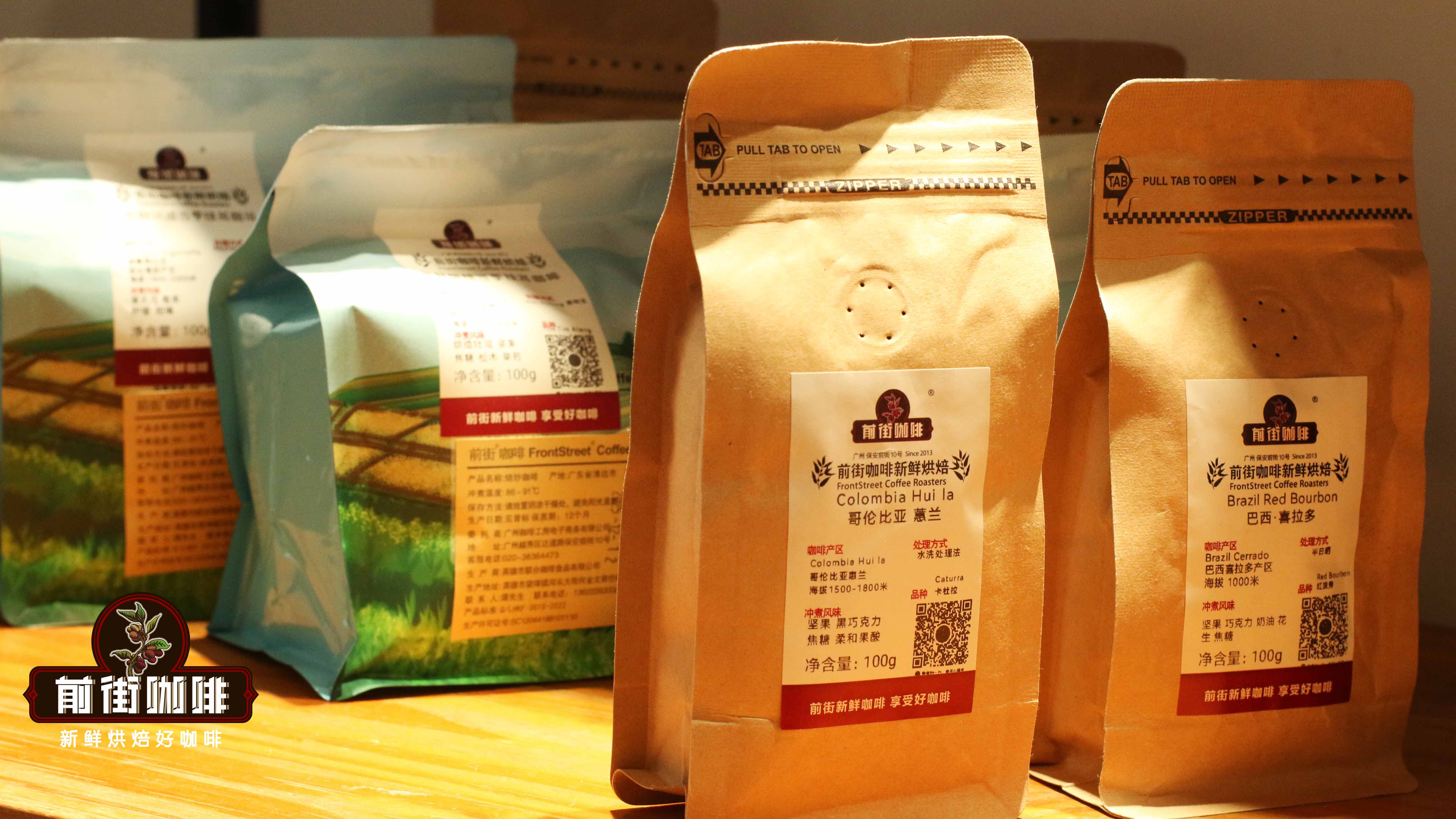
Cold drip coffee made from dark roasted beans generally features low acidity, intense aroma, and a sweet, lingering aftertaste. For example, Mandheling exhibits a distinct caramel sweetness and spicy notes; Huila showcases warm flavors of dark chocolate and maple syrup; Sidamo presents a nutty base paired with cocoa aftertones, making it ideal for those who prefer a fuller-bodied cup. Such beans, when brewed via cold drip, pair even better with ice cubes to highlight their aromatic layers.
In contrast, light roasted beans such as Huakui, Strawberry Candy, and Little Tomato, after cold dripping, not only lack noticeable bitterness but also reveal delicate floral notes and fruity acidity with sweetness. Huakui, in particular, often takes on a mellow, tea-like sweetness akin to black tea after cold drip, offering a rich flavor profile and a refreshing taste. Light roasted beans are well-suited for coffee enthusiasts who seek bright, fresh flavors and enjoy fruity profiles.
The brewing principle of cold drip coffee relies on ice water soaking the coffee grounds for an extended period, with the liquid dripping through at a steady rate to complete extraction. This low-temperature slow extraction method minimizes the extraction of over-extracted impurities while preserving the coffee’s original aromas and natural sweetness. The resulting coffee liquid is recommended to be refrigerated for oxidation, allowing flavor molecules to further integrate and enhancing the overall drinking experience.
The standard cold drip coffee brewing process requires a cold drip tower, approximately 60 grams of coffee beans (using Huakui as an example), 300 grams of cold water, and 300 grams of ice cubes. First, grind the coffee beans to a coarseness similar to superfine sugar, with a sieve size of around 80% passing through a Chinese No. 20 standard sieve—this grind size balances extraction efficiency and flow rate. After grinding, evenly distribute the coffee grounds into the filter basket, avoiding clumps that could disrupt water flow distribution.
Place a round filter paper at the bottom of the filter basket, lightly moisten it with a small amount of water to make it adhere tightly to the cup walls, then add the ground coffee. Gently shake the filter basket to level the surface, or use a tamper to lightly press down as needed, ensuring the coffee bed is even without any height disparities. Then, cover the coffee grounds with another sheet of filter paper—the tension of the paper helps distribute the water droplets evenly, preventing the coffee bed from forming a depression in the center over time, which could affect extraction consistency.
Before starting the extraction, evenly wet the entire coffee bed with ice water. This step is similar to the blooming phase in pour over brewing, activating the coffee grounds and improving subsequent extraction efficiency. After wetting, wait briefly to allow the coffee grounds to fully expand in preparation for the actual dripping.
Combine ice cubes and cold water in the dripping bottle at a 1:1 ratio, and adjust the drip rate to approximately 7 drops per 10 seconds. This flow rate ensures the coffee grounds have enough time to release their flavors while avoiding overly fast dripping that could lead to under-extraction. It is recommended to place the setup in a cool area during the dripping process to prevent ambient temperature from affecting the melting rate of the ice water.
After extraction, transfer the resulting coffee liquid into a clean, oil-free, and water-free sealed container, then refrigerate it for oxidation and aging. This step allows the flavor molecules to further meld together. Typically, after resting for several hours, the coffee will deliver a more complex and smoother drinking experience.
The above content is compiled by CoffeeHunters, a coffee news website.


