








Introduction:Kenyan coffee is renowned for its vibrant berry notes and lively acidity, with its unique K72 washed processing method being the key factor. This article delves into the complete process of Kenyan beans—from fermentation and drying to grading—to help you understand why the K72 method can bring out such crisp and bright flavors. It also provides pour over parameters for medium-light roasted AA-grade beans, helping you brew a complex Kenyan profile at home.
The reason Kenyan coffee holds a place in the global specialty market is its highly distinctive berry aroma, sharp acidity, and juicy sweetness. These characteristics stem not only from the phosphorus-rich fertile soil of the region but are also inseparable from the area’s unique K72 washed processing method. This washing technique, which involves a lengthy 72-hour fermentation divided into three stages, gives Kenyan coffee an unparalleled freshness and vibrancy.
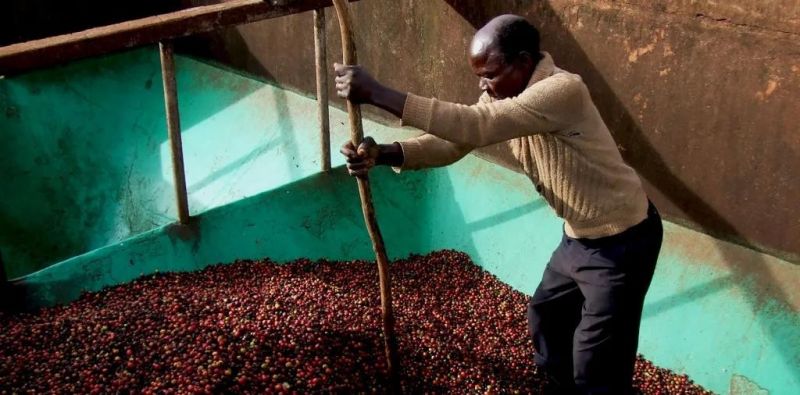
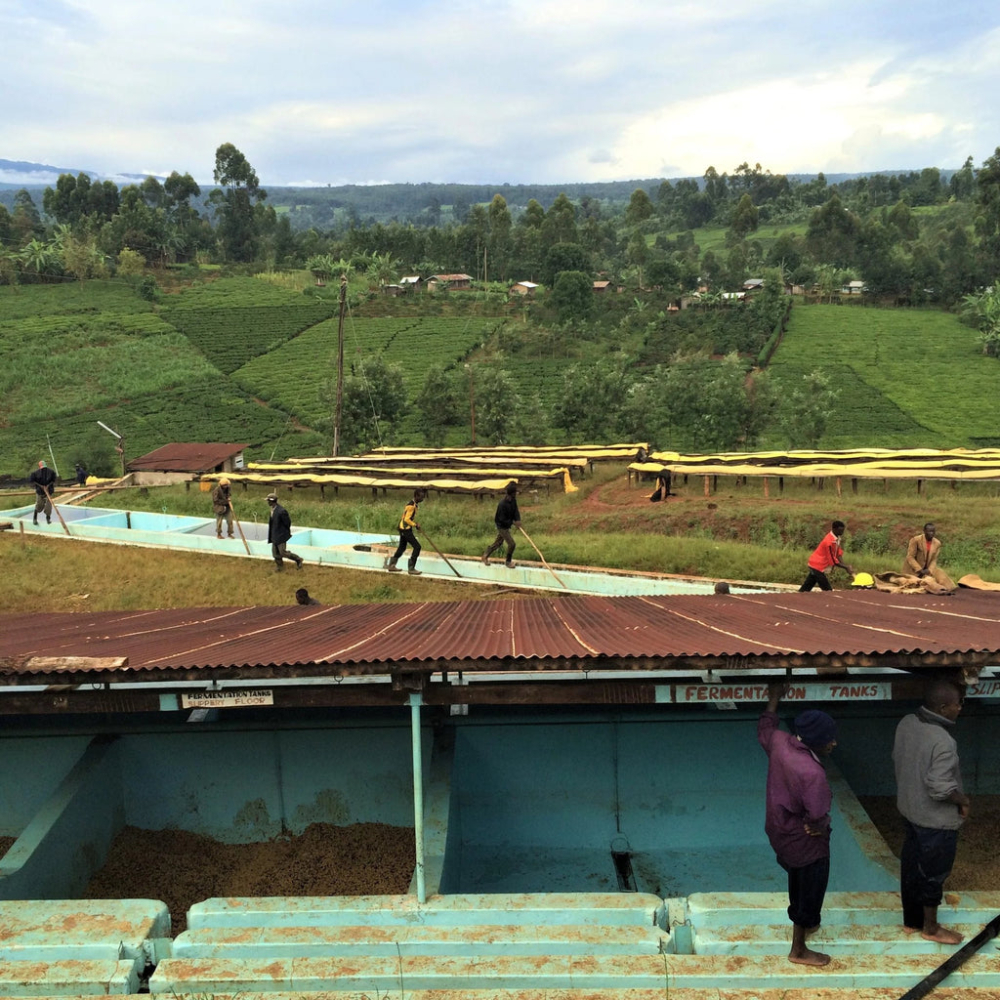
Compared to typical washed processing methods, where fermentation usually lasts under 36 hours, Kenya’s K72 method can be considered a representative of “ultra-long fermentation.”These 72 hours are not completed all at once, but are divided into three rounds, each lasting 24 hours. Fresh clean water is used after each round of fermentation to ensure the environment remains hygienic throughout. This segmented approach allows for a fuller extraction of the beans’ fruity acids and aromatic compounds while maintaining an overall balanced flavor.
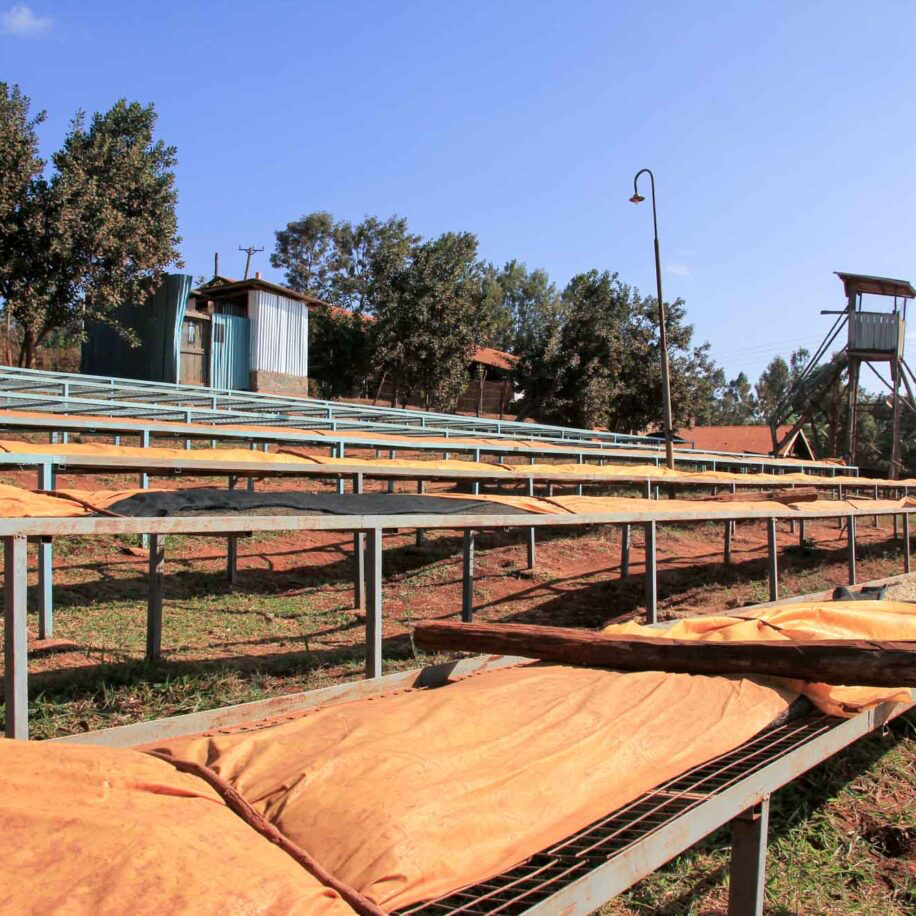
In addition to the fermentation process, the drying method of Kenyan coffee is also quite distinctive.Local farmers do not spread the beans directly on the ground for drying, but use specially designed steel drying beds—commonly referred to as “Kenya steel beds.” This setup spreads the beans evenly on elevated steel trays with uniformly arranged ventilation holes. This not only helps moisture evaporate more evenly but also prevents contamination from ground odors and dust. As a result, the final coffee tastes cleaner and brighter in the cup.
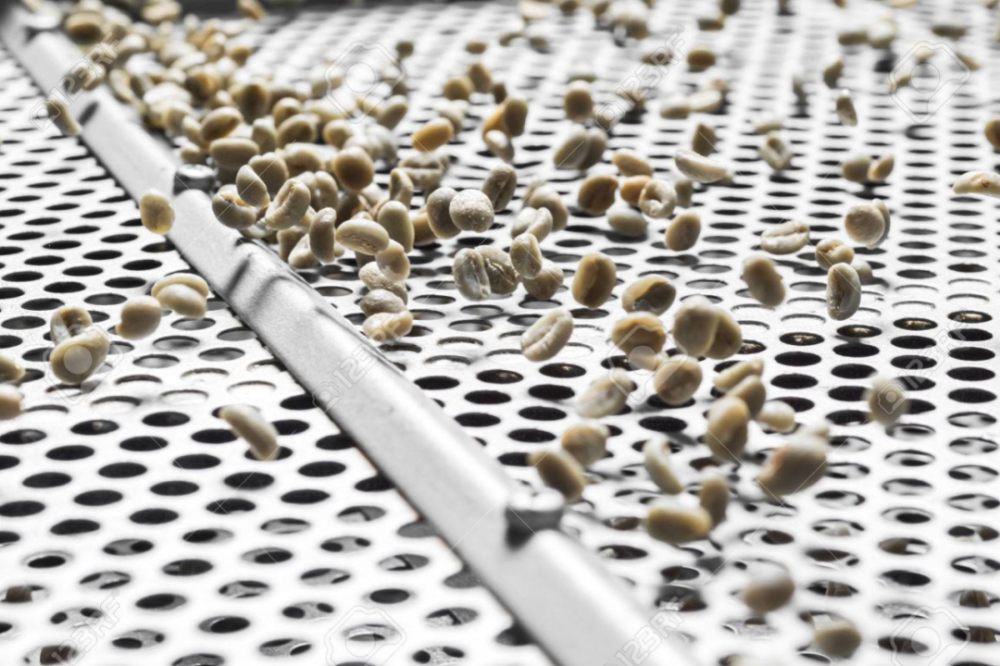
Kenyan coffee beans are graded primarily by bean size, one of the most common classification methods. Among them,AA grade is the highest, with bean sizes between 17 and 18 mesh, typically offering the richest flavor potential. AB grade is slightly smaller, around 15 to 16 mesh, and is the main product in the market. Other grades such as C, TT, T, E (elephant beans), and PB (peaberry) are further distinguished based on size, weight, or shape. It’s worth noting that some exporters may assign additional flavor ratings beyond the official grading, such as TOP, PLUS, and FAQ, based on cupping results, providing consumers with more flavor-based reference points.
Taking AA-grade Kenyan beans from the Thika region as an example, many roasters opt for medium-light roasting to preserve their inherent flavors and bright acidity. Medium-light roasting highlights the unique berry and citrus notes of Kenyan beans while maintaining a rich juiciness and sweetness. For pour over enthusiasts, these beans are ideal for showcasing a diverse flavor profile through careful extraction.
When brewing, it’s recommended to use a higher water temperature and a faster-flowing filter dripper to fully extract the acidity and aroma while avoiding over-extraction that could lead to bitterness.The suggested water temperature is 91°C, with a brew ratio of 1:15 and a grind size close to that of fine sugar, approximately 80% passing through a #20 sieve.For specific steps, start with a 30-second bloom using 30 grams of water, then pour 95 grams of water. When the water level drops to about two-thirds of the coffee bed (around 1 minute), add another 100 grams. Complete the total brew of 225 grams within 2 minutes. These parameters allow the berry, dark plum, and green tea notes of Kenyan coffee to shine, while retaining a strong yet smooth acidity and a long-lasting berry aftertaste.
Overall, the charm of Kenyan coffee comes not only from its exceptional geographical conditions but also from its rigorous K72 washed processing and scientific grading system.From fermentation and drying to roasting and brewing, each stage influences the final flavor profile in the cup.Whether you’re a beginner to pour over or a coffee enthusiast chasing ultimate flavor, Kenyan AA-grade washed beans are a classic choice well worth trying.
The above content is compiled by CoffeeHunters, a coffee news website.


