







Introduction:The Geisha coffee from Panama’s Hacienda La Esmeralda is renowned for its distinctive floral and fruity aromas along with its bright citrus notes, and is hailed as the “pinnacle of specialty coffee.” However, behind its high price tag lies factors such as the rarity of the variety, the challenges of high-altitude cultivation, and strict grading standards. This article will delve into the origins of Geisha, the differences between Hacienda La Esmeralda’s Red and Green labels, and provide practical medium-light roast pour over parameters to help you better understand the legendary appeal and brewing secrets of this iconic coffee.
Geisha coffee has long been considered the ultimate representation of the coffee world, winning the hearts of coffee enthusiasts worldwide with its delicate white floral notes, refreshing citrus tones, and honey-like finish. Dubbed the “ceiling of the coffee world,” the high price of these beans stems not only from their unique flavors but also from their scarce production and stringent growing conditions. Below, we’ll start with the history of Geisha, explore its transformation at Panama’s Hacienda La Esmeralda, and take an in-depth look at the differences between the Red and Green labels, as well as how to bring out its best flavors through appropriate brewing methods.
Geisha was first discovered in 1931 in the Kaffa Forest of southern Ethiopia, initially as part of efforts to find new disease-resistant coffee varieties. This variety was originally named after the nearby Geisha Mountain. Later, Geisha was introduced to Kenya, Uganda, and Tanzania for trial planting, but it did not attract widespread attention. In 1953, the variety was brought to CATIE, the Tropical Agricultural Research and Higher Education Center in Costa Rica, where it was assigned the number T2722. However, due to its fragile plants and low yield, it did not achieve large-scale cultivation there.
It wasn’t until the 1960s that CATIE introduced this T2722 Geisha variety to Panama, where it gradually found a suitable growing environment. By the 1990s, Peterson family, founders of Hacienda La Esmeralda, replanted Geisha at their higher-altitude Jaramillo farm and unexpectedly discovered its high resistance to leaf rust. This led them to separate Geisha from other varieties and gradually increase the planting altitude, laying the foundation for its exceptional flavors in the years to come.
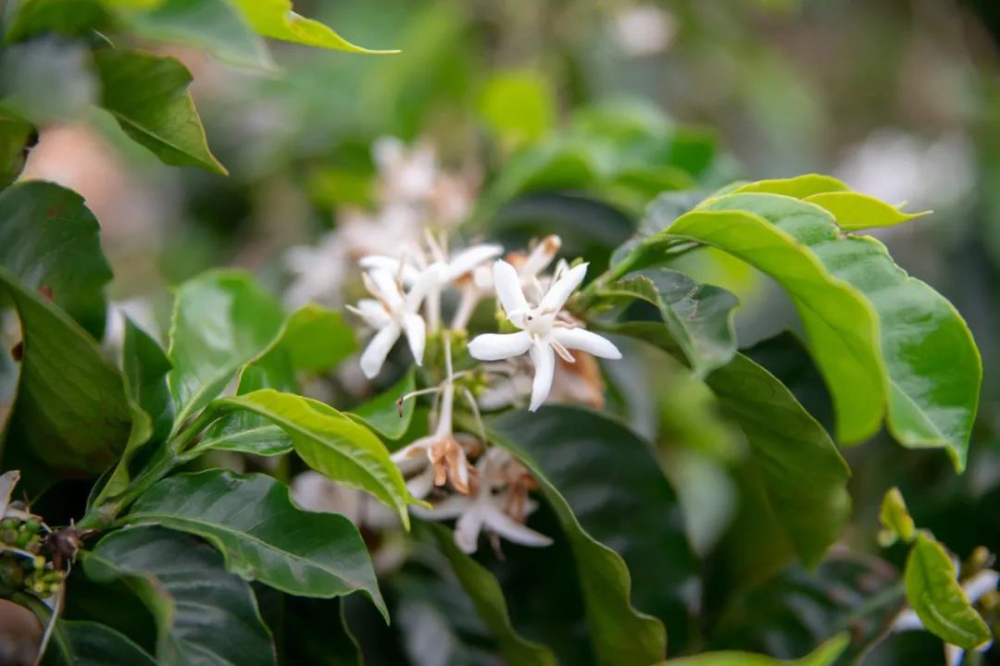
In 2003, during a cupping session, Hacienda La Esmeralda first noticed that Geisha exhibited intense floral aromas and distinct fruit acidity, with a clean taste and a long-lasting finish highlighted by pronounced berry and citrus notes. The following year, this bean made a sensational debut at the Best of Panama (BOP) competition, officially rising to prominence under the name “Geisha,” thus beginning the legendary chapter of Panamanian Geisha. The highly sought-after Geisha coffee on the market today is none other than the original T2722 variety.
The high price of Geisha is not only due to its unique flavors but more importantly, the demanding growing conditions and scarce production. Compared to typical Arabica varieties, Geisha produces only half the yield of Caturra, and it also has extremely high requirements for altitude, soil, climate, and shade. It thrives in high-altitude regions shrouded in clouds, fertile and well-drained soils, but its plants have thin leaves and shallow roots, resulting in low photosynthesis efficiency and slow nutrient absorption, which severely limits overall yield.
Considering that Panama’s national annual coffee production is about 10,000 metric tons, Hacienda La Esmeralda produces only about 150 bags of green beans annually (approximately 9,000 kg), of which Geisha accounts for just around 3%, or roughly 270 kg. Coupled with media coverage and competition hype, the market demand for Geisha remains consistently high, naturally driving prices upward.
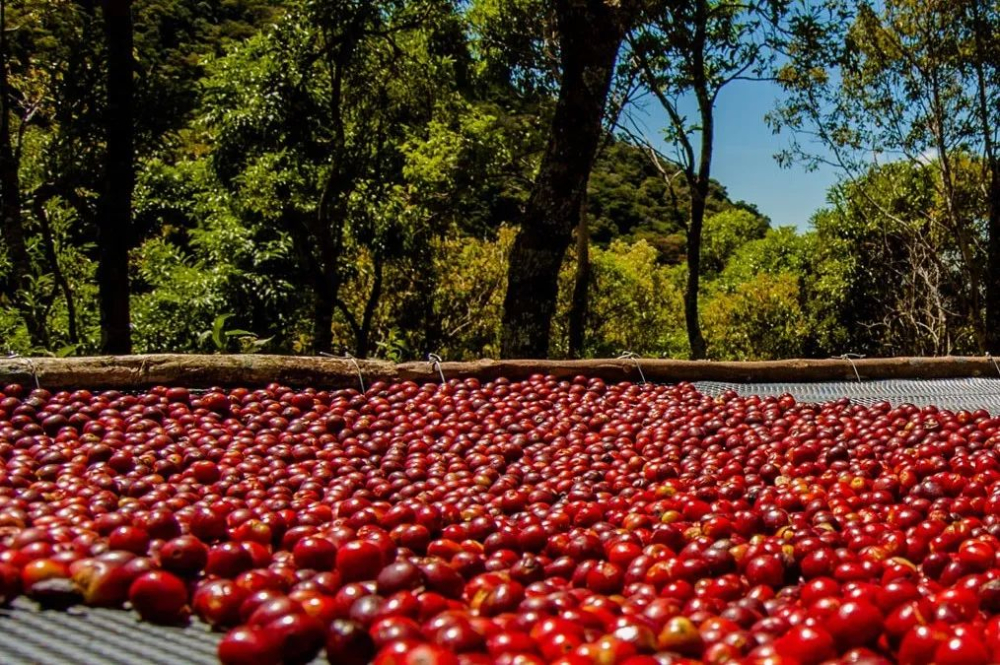
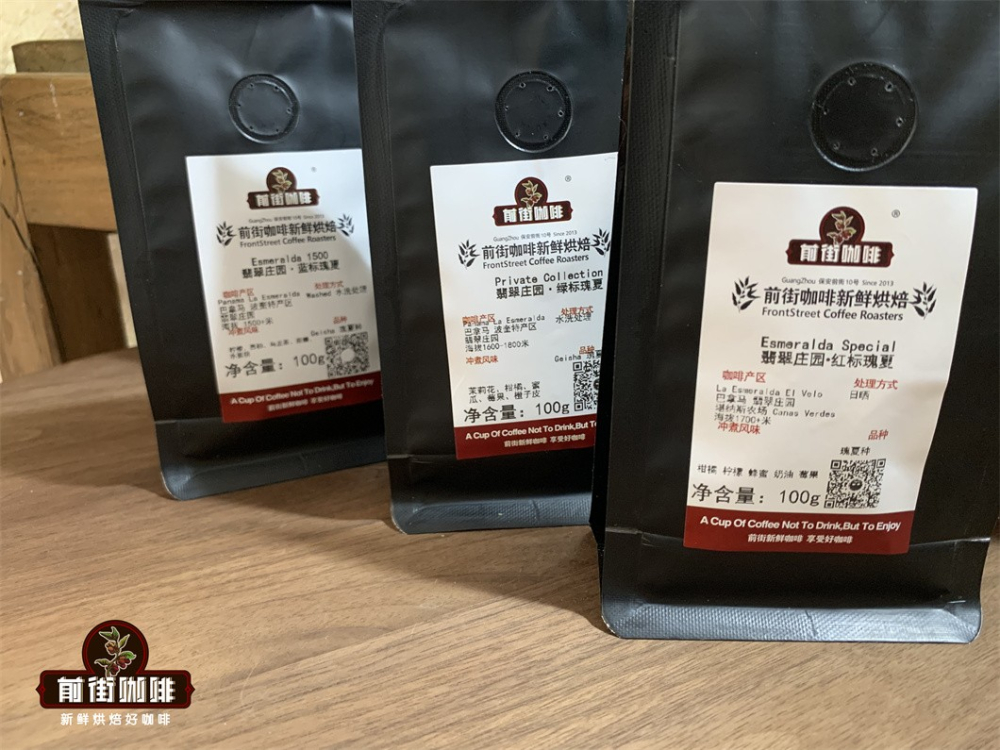
At Hacienda La Esmeralda, Geisha is divided into two main grades: Red Label and Green Label. The Red Label is part of the Hacienda’s Special Selection (ESMERALDA SPECIAL), including lots entered into auctions, typically sourced from high-altitude farms such as Jaramillo and Cañas Verdes at elevations of 1,600 to 1,800 meters, often scoring over 90 points in cupping. These beans are mostly processed using the natural (sun-dried) method, showcasing the most intense flavors, with vibrant tropical fruits, floral notes, and honey-like sweetness. Among them, the Mario plot at the Jaramillo farm is one of the well-known auction lots, often regarded as the crème de la crème of Geisha.
The Green Label falls under the Private Collection grade. Though not entered into auctions, it is also grown in high-altitude areas and exhibits a more refreshing, balanced profile of lemon, berries, and subtle tea-like notes. The common processing method is washed, making it suitable for coffee lovers who prefer a bright and clean acidity. Although the Green Label does not specify particular plots, the overall quality remains consistently high, making it an excellent choice for experiencing the classic flavors of Geisha.
In terms of brewing, since Geisha is a high-acidity, floral and fruity coffee, it is recommended to use a medium-light roast to preserve its delicate aromas and layered complexity. We recommend using a Hario V60 dripper with a three-pour method. Specific parameters are as follows: 15 grams of coffee, 91–92°C water temperature, 1:16 coffee-to-water ratio (total water volume 240 grams), and a grind size similar to table sugar (approximately 80% passing through a #20 sieve). This setup helps fully highlight the diverse flavors and refined texture of Geisha.
The three-pour extraction steps are recommended as follows: First, pour 30 grams of water for a 30-second bloom to activate the release of coffee aromas; next, pour 120 grams of water with a slightly stronger flow rate, aiming to complete this pour around the 55-second mark to lift the coffee bed and expand the flavor; finally, pour 90 grams of water in small circles with a finer stream until the total reaches 240 grams, with a total extraction time of approximately 2 minutes and 10 seconds. This method effectively balances acidity, sweetness, and body, making each sip a delightful surprise.
The Red Label Geisha offers an intense nose of roses and floral notes even when ground, and upon tasting, layers of mango and tropical fruits unfold, with a silky-smooth mouthfeel reminiscent of sipping a premium floral fruit tea; whereas the Green Label presents a fresher profile of lemon, berries, and a delicate green tea finish, with bright acidity and a clear structure, making it ideal for those who enjoy a crisp and refreshing flavor.
The above content is compiled by CoffeeHunters, a coffee news website.


